Find the Best Termite Inspection Companies for Your Business
No obligation • Fast responses • Nationwide coverage

Why you can trust Pest Crews
Pest Crews is a leading U.S. resource for finding and evaluating residential and commercial pest control services. Our team researches providers, reviews treatment approaches, and organizes unbiased information to help you make informed decisions. Companies cannot pay to change our editorial content or influence how they appear.
Search providers near you
Top Termite Inspection Companies in Kansas City, Missouri Ranked
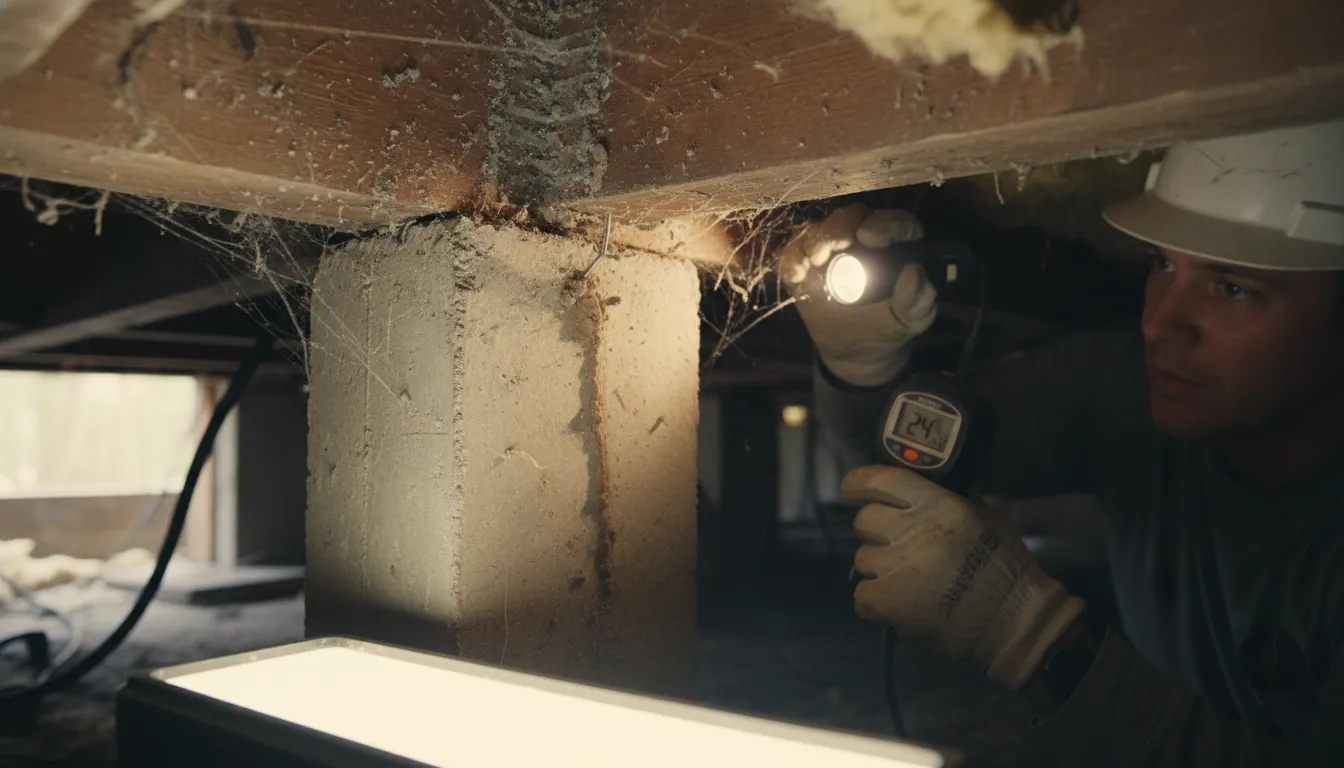
A termite inspection is a specialized assessment of your property to detect the presence or evidence of wood-destroying insects, primarily subterranean termites. In Kansas City, where these pests are a constant threat, this service is critical for protecting your home's structural integrity and value. This guide will help you understand what a termite inspection entails, why it's essential for local homeowners, and how to find qualified professionals in the area to conduct a thorough evaluation.

Augustine Exterminators, Inc.
9280 Flint St, Overland Park, KS 66214
Augustine Exterminators, Inc. is a family-owned pest control company serving Kansas City, MO, and the surrounding Greater Kansas City area. Established in 1966, they provide pest management solutions for homes and businesses, addressing issues such as termites, bed bugs, ants, rodents, mosquitoes, and spiders. Their team is trained and certified in both Kansas and Missouri, and they use Integrated Pest Management (IPM) strategies to control and prevent infestations while minimizing environmental impact. Augustine Exterminators is also QualityPro and GreenPro Certified, reflecting their commitment to sustainable pest control practices.

ClearDefense Pest Control
104 W 9th St #10, Kansas City, MO 64105
ClearDefense Pest Control is a pest control company based in Kansas City, MO. They offer services targeting household pests including cockroaches, termites, mosquitoes, spiders, and more. Their expertise includes termite inspections and mosquito control, providing comprehensive pest management solutions in the Kansas City area.
KC Property Experts Home Inspections
10101 W 87th St STE 101, Overland Park, KS 66212
KC Property Experts Home Inspections provides comprehensive property inspections in Overland Park, KS, including termite inspections, mold inspections, radon testing, and chimney inspections. They serve residential, commercial, and apartment complex properties throughout the Kansas City metro area. Their services cover a detailed examination of various property systems such as roofing, foundation, plumbing, electrical, and more. The company is led by a Certified Master Inspector and offers expertise to help clients understand the condition of their properties before making investment or purchase decisions.
Absolute Pest Control
Kansas City, MO
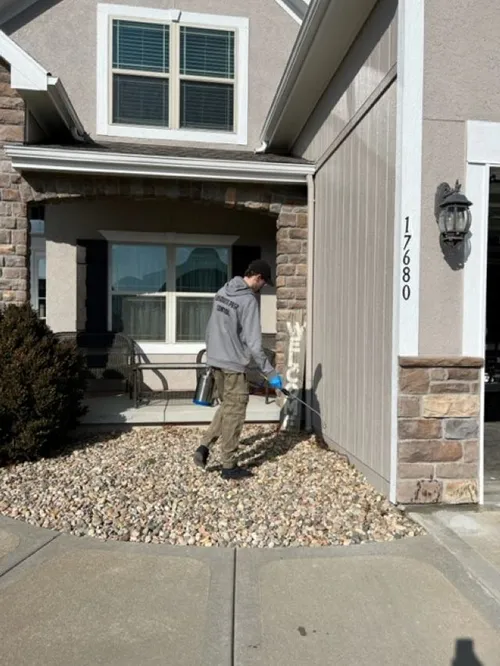
Absolute Pest Control is a veteran-owned, family-operated pest control company based in Kansas City, MO. They provide comprehensive residential and commercial pest management services, including bed bug elimination, termite control, cockroach extermination, and bat removal. Their approach focuses on thorough inspections and customized treatment plans that address the root of pest problems using EPA-approved products. Absolute Pest Control emphasizes long-term solutions and safety for families and pets, applying responsible methods with attention to detail and transparency.
Crown Control - Termite & Pest
Kansas City, MO
Crown Control - Termite & Pest is a pest control company serving Kansas City, MO. They provide residential and commercial pest control services, addressing issues such as bed bugs, cockroaches, termites, spiders, centipedes, and rodents. With over 50 years of experience, their local technicians offer tailored treatments to meet unique pest problems in the Kansas City metro area.
Why Termite Inspections Are Non-Negotiable in Kansas City
Kansas City's climate and soil conditions create an ideal environment for subterranean termites, the most common and destructive species in the region 1 2 3. These insects live in colonies underground and silently consume wood from the inside out, often causing significant structural damage before homeowners notice any signs. The cost of repairing termite damage can average well over $3,000, making the relatively minor investment in a professional inspection a wise financial safeguard 4. Regular termite evaluations are not just for home buyers; they are a crucial part of ongoing home maintenance for any property owner.
What a Professional Inspector Looks For
A comprehensive termite check involves a meticulous examination of both the interior and exterior of your home. Inspectors are trained to identify subtle clues that indicate an active infestation or conditions conducive to one.
Exterior Inspection Points:
- Mud Tubes: These pencil-sized tunnels on foundations, crawl space vents, and around utility lines are the highways termites use to travel from their soil colony to your wood.
- Wood-to-Soil Contact: Decks, porch steps, and fence posts that touch soil provide direct access for termites and are prime inspection areas.
- Damaged Wood: Inspectors will probe wood siding, trim, and structural members with a tool to check for hollow spots or a papery sound, which indicates internal feeding.
- Discarded Wings: Swarmers (reproductive termites) shed their wings after finding a mate. Piles of tiny, identical wings near windowsills or doors are a classic early warning sign.
Interior Inspection Points:
- Basements and Crawl Spaces: These dark, often moist areas are ground zero for termite activity. Inspectors look for mud tubes on piers, joists, and foundation walls 5.
- Behind Walls and Under Floors: While visual, inspectors note tell-tale signs like bubbling or cracked paint, swollen floors, or doors/windows that stick for no apparent reason-all potential indicators of moisture and hidden damage from termites 6.
- Attics and Roof Eaves: Although less common for subterranean termites, inspectors still check for proper ventilation and any moisture issues that could attract other wood-destroying organisms.
The Tools of the Trade
Modern termite inspectors use more than just a flashlight and a screwdriver. While these are essential, many professionals also employ advanced technology for a more accurate assessment:
- Moisture Meters: Since termites are attracted to moisture, these devices help identify areas with high humidity in wood, which are potential hotspots for activity.
- Thermal Imaging Cameras: These cameras can detect subtle temperature differences behind walls, potentially revealing hidden moisture or voids created by termite galleries 7.
- Probing Tools: Specialized picks and probes allow inspectors to test the integrity of wood without causing unnecessary damage.
Find the perfect termite inspection companies for your needs
Get personalized recommendations and expert advice
Understanding Inspection Costs and Value
While specific pricing for Kansas City can vary, understanding the general cost framework helps set expectations. A standalone termite inspection typically ranges from $100 to $200, though it can sometimes be bundled with a standard home inspection for a combined fee 8 9. Some companies may even offer a basic visual inspection for free as part of a service quote 8 10.
It's vital to view this cost in context. The fee for an inspection is almost always a fraction of the expense required to repair even moderate termite damage. Think of it as a small, proactive investment to avoid a massive, reactive repair bill. When comparing services, ensure you understand what is included-a thorough report with photos and recommended next steps is far more valuable than a simple pass/fail verbal assessment.
The Primary Threat: Subterranean Termites
In Kansas City, the subterranean termite is the primary adversary. Understanding their biology explains why inspections focus so heavily on the foundation and soil contact points.
- Biology & Behavior: These termites require constant contact with soil moisture to survive. They construct the characteristic mud tubes to travel through open air, protecting themselves from dehydration and predators as they move between their underground colony and their food source-your home's wood 11.
- Ideal Conditions: They thrive in warm, moist soil. Common attractants around a home include wood mulch touching the siding, improper drainage causing pooling water near the foundation, leaky spouts, and any untreated wood in direct contact with the ground 12.
What to Do After an Inspection
The inspection report will detail the findings. There are generally three outcomes:
- No Evidence of Activity: You receive peace of mind and a documented baseline for your property. The report may still include recommendations for preventative measures.
- Evidence of Past, Inactive Infestation: The inspector may find old damage or mud tubes that are no longer active. Monitoring or preventative treatment may be advised.
- Evidence of Active Infestation: The report will outline the locations and extent of activity. This is your actionable guide to obtaining treatment quotes from licensed pest management professionals to eliminate the colony and protect your home.
Regardless of the result, keep the inspection report in your home records. It is a valuable document for future reference, for potential real estate transactions, and for tracking the health of your property over time.
Frequently asked questions
Sources
Footnotes
-
What Does A Termite Inspector Look For? - AG Pest Control - https://www.agpest.com/what-does-a-termite-inspector-look-for/ ↩
-
Everything to Know About Termites in Kansas City | Miller Pest Service - https://www.millerthekiller.com/blog/everything-you-ever-wanted-to-know-about-termites/ ↩
-
Kansas City's Ultimate Termite Guide - Augustine Exterminators - https://www.augustineexterminators.com/blog/2020/january/kansas-citys-ultimate-termite-guide/ ↩
-
Termite Damage Repair Cost [2026 Data] | Angi - https://www.angi.com/articles/termite-damage-repair-cost.htm ↩
-
Termite Inspections In Kansas City - https://metropropertyinspection.com/termite-inspections-in-kansas-city/ ↩
-
What to Expect When We Perform a Termite Inspection in Your Home - https://cititurf.com/blog/what-to-expect-when-we-perform-a-termite-inspection-in-your-home/ ↩
-
Termite Inspection 101 - https://edcprofessionalhomeinspections.com/blog/termite-inspection/ ↩
-
Kansas City Area Termite Inspection - https://bulldoginspect.com/termite-inspection-kansas-city-area/ ↩ ↩2
-
How Much Is a Termite Inspection? Complete Cost Overview - HomeLight - https://www.homelight.com/blog/how-much-is-a-termite-inspection/ ↩
-
Termite Inspections - Kansas City - https://kchomeinspector.com/termite-inspections/ ↩
-
Termites in Georgia: A Homeowner's Guide - https://www.cpestman.com/blog/2019/december/termites-in-georgia-a-homeowner-s-guide/ ↩
-
DIY Termite Control: How to Get Rid of Termites Yourself - https://www.pedchem.com/blogs/news-articles/termite-inspection-and-how-to-get-rid-of-termites-yourself ↩