Find the Best Termite Inspection Companies for Your Business
No obligation • Fast responses • Nationwide coverage

Why you can trust Pest Crews
Pest Crews is a leading U.S. resource for finding and evaluating residential and commercial pest control services. Our team researches providers, reviews treatment approaches, and organizes unbiased information to help you make informed decisions. Companies cannot pay to change our editorial content or influence how they appear.
Search providers near you
Top Termite Inspection Companies in St Peters, Missouri Ranked
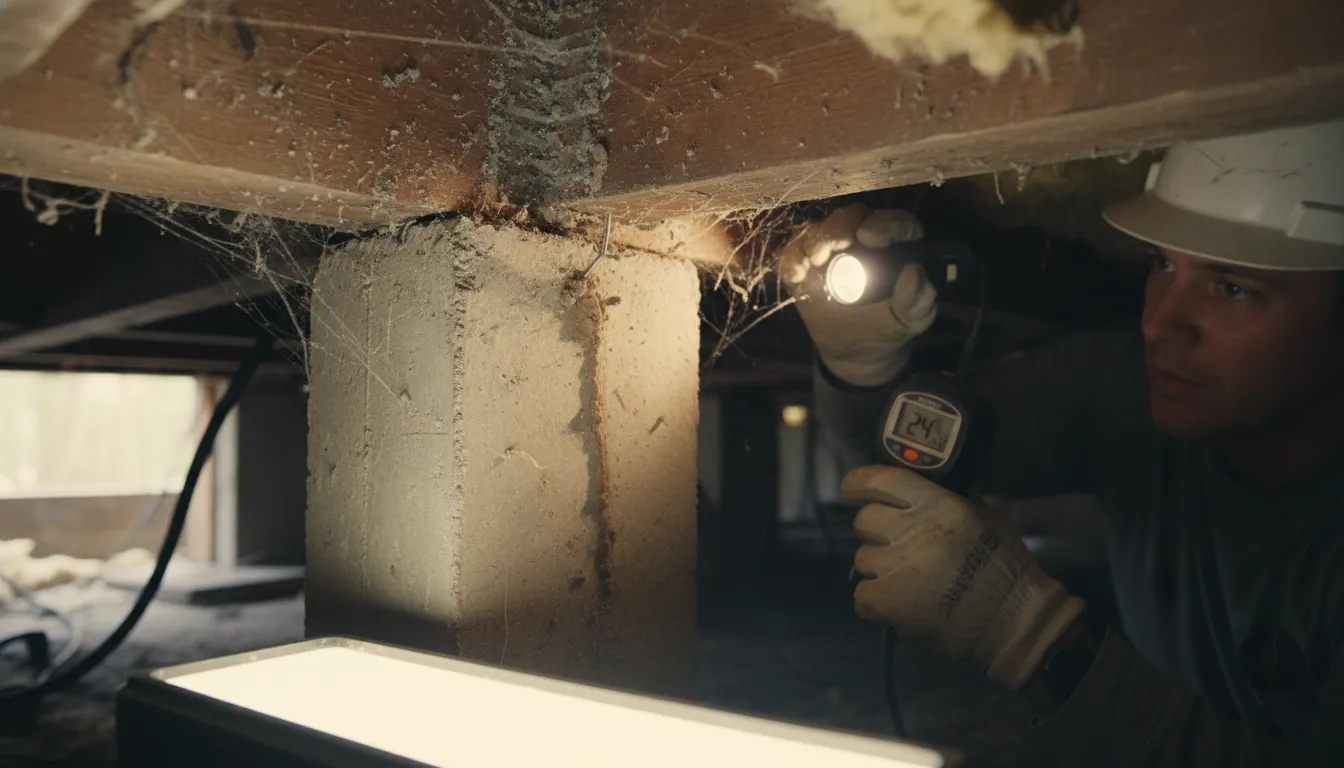
A termite inspection is a critical evaluation of your property to detect the presence or risk of wood-destroying insects. In St. Peters, where Eastern Subterranean Termites are a constant threat, this service is essential for protecting your home's structural integrity and value. This guide will help you understand what a termite inspection entails, what inspectors look for in our local area, and how to find qualified professionals to assess your property.

Teacher's Spraying Service
4649 Idecker Dr, St. Louis, MO 63129
Teacher's Spraying Service is a family-owned pest control company serving St Louis, MO. They offer pest management for both residential and commercial properties, including bed bug treatment, ant control, termite inspections, and general pest control. Their services include a thorough inspection and a tailored Integrated Pest Management (IPM) program to address specific pest issues and infestation levels. The company has been operating for many years and focuses on educating clients about pest prevention and treatment options.
STL Pest Control
2525 Hampton Ave, St. Louis, MO 63139
STL Pest Control is a family-owned pest control company serving St. Louis, MO, and the Greater St. Louis Metropolitan Area since 1989. They offer services for bed bug treatment, termite control, wildlife removal, and general pest management including cockroaches, rodents, and spiders. The company uses Integrated Pest Management (IPM), a sustainable and holistic approach that combines various methods to effectively manage pest populations while minimizing environmental impact. Owner Rick Isenmann leads the team and is the current president of the Greater St. Louis Pest Control Association.
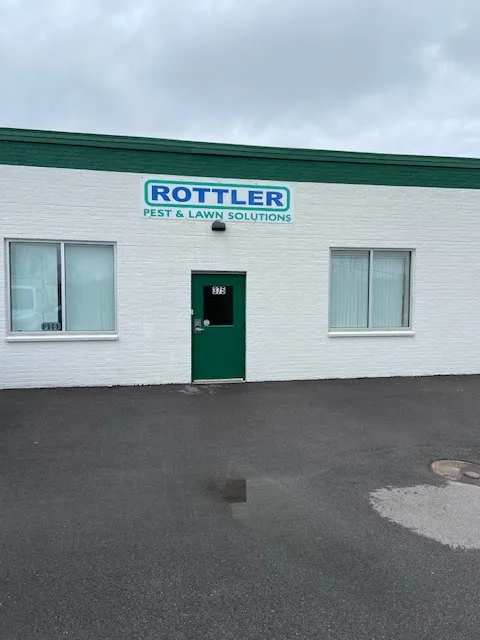
Rottler Pest Solutions
375 S Old Hwy 141, Fenton, MO 63026
Rottler Pest Solutions is a family-owned pest control company serving St Louis, MO, and the surrounding Midwest region since 1956. They provide residential and commercial pest management services, including bed bug treatment, ant control, rodent control, termite inspections, bird and wildlife removal, and commercial pest control. Their termite control offerings include advanced solutions like the Term-Alert™ system and the Sentricon® Termite Colony Elimination System, backed by a termite damage warranty. Rottler Pest Solutions operates 24/7 with same-day service availability and flexible scheduling to accommodate customer needs.
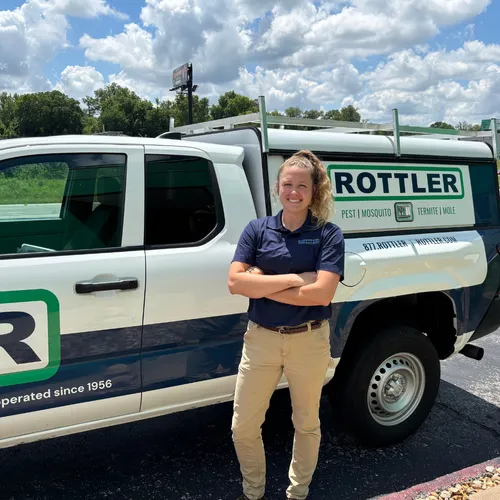
Rottler Pest Solutions
8625 St Charles Rock Rd, St. Louis, MO 63114
Rottler Pest Solutions is a pest control company based in St. Louis, MO, serving both residential and commercial clients. Established in 1956, the company offers a wide range of pest management services including bed bug treatment, rodent control, termite inspections and treatments, mosquito control, bird and wildlife removal, and commercial pest control. They use advanced, environmentally friendly products and provide year-round pest protection programs. Rottler Pest Solutions is known for its comprehensive termite solutions, including free inspections and a termite damage warranty, and offers 24-hour assistance with flexible scheduling to meet customer needs.
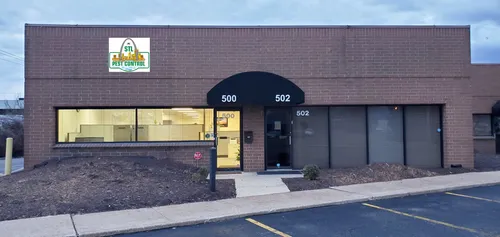
STL Pest Control
500 Rudder Rd, Fenton, MO 63026
STL Pest Control is a family-owned pest control company serving St. Louis, MO, and the Greater St. Louis Metropolitan Area since 1989. They offer services for bed bug treatment, termite inspections, wildlife removal, and general pest control including cockroach and rodent management. The company uses Integrated Pest Management (IPM), a sustainable and targeted approach that combines multiple methods to control pests effectively while minimizing environmental impact. Owner Rick Isenmann leads a team of licensed professionals and is active in the local pest control community.
Understanding the Termite Threat in St. Peters
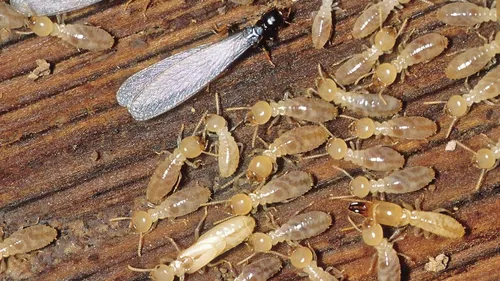
The primary culprit for termite damage in St. Peters and across Missouri is the Eastern Subterranean Termite. These insects live in colonies underground and build distinctive mud tubes to travel between their nest and food sources-often the wooden structures of your home. St. Peters' climate, with its fluctuating humidity and seasonal moisture, creates ideal conditions for these pests, particularly in areas with poor drainage or near foundations. A professional termite evaluation is the first line of defense, designed to identify both active infestations and conditions that could attract them.
Key Signs of Termite Activity Inspectors Look For
During a termite assessment, a certified inspector will be on high alert for specific indicators. Knowing these signs yourself can help you monitor your property between inspections.
- Mud Tubes: These pencil-sized tunnels of soil and saliva on foundation walls, crawl space piers, or in basements are the most telltale sign of subterranean termites.
- Discarded Wings: Reproductive "swarmers" shed their wings after finding a mate. Piles of small, identical wings near windowsills, doors, or in spider webs are a common sign of a nearby colony.
- Frass: Drywood termites produce wood-colored droppings, but subterranean termites use their droppings in tunnel construction. However, finding fine, sawdust-like material (frass) can indicate other wood-boring insects or activity in certain situations.
- Damaged Wood: Wood that sounds hollow when tapped, appears crushed, or has a honeycombed pattern inside is likely damaged. You might also notice blistering or darkening of wood surfaces.
- Visible Swarmers: Spotting the actual winged termites, especially in spring, is a clear signal that a colony is established nearby and looking to expand.
Conditions That Make Your Home Vulnerable
Beyond looking for active bugs, a thorough inspection focuses on conducive conditions-environmental factors that invite termites. Addressing these issues is a core part of termite prevention.
- Wood-to-Soil Contact: Any direct contact between structural wood (siding, door frames, deck posts) and soil provides a highway for termites1.
- Excess Moisture: Leaky pipes, faulty gutters, poor drainage, and high humidity in crawl spaces create the damp environment termites need to thrive 2.
- Cracks in Foundation: Even hairline cracks offer entry points for foraging termites3.
- Landscaping and Debris: Mulch piled too high against the foundation, firewood stored next to the house, and old tree stumps can all harbor termites close to your structure 4.
What to Expect During a Professional Termite Inspection
A comprehensive termite check follows a systematic process to leave no stone unturned. Here's a breakdown of what a typical inspection involves:
1. Exterior Inspection: The inspector will walk the entire perimeter of your home. They will examine the foundation for mud tubes and cracks, check siding, eaves, and vents, and assess landscaping, downspouts, and grading for moisture issues.
2. Interior Inspection: Inside, the inspector will examine accessible areas. This includes checking baseboards, window and door frames, under sinks, in cabinets, and in closets. They will pay special attention to areas where plumbing penetrates walls or floors, as leaks are a major attractant.
3. Attic and Crawlspace Examination: These often-overlooked areas are critical. Inspectors look for damaged wood, proper ventilation, and signs of moisture or previous pest activity5.
4. Use of Specialized Tools: Professionals don't just rely on sight. They use tools like moisture meters to detect hidden dampness within walls and probing instruments to test wood for hollow spots6.
5. Detailed Report and Consultation: After the inspection, you should receive a written report detailing all findings. This includes photos of any evidence or conducive conditions, an assessment of risk, and clear recommendations for treatment (if needed) and prevention 7.
Find the perfect termite inspection companies for your needs
Get personalized recommendations and expert advice
Termite Inspection Costs and Related Services in St. Peters
Understanding the potential costs helps homeowners budget for this important service. In St. Peters, a standard termite inspection typically ranges from $75 to $1508. Many reputable companies offer this inspection for free, especially if you are considering a treatment plan or are in the process of buying or selling a home9 10.
It's crucial to view the inspection cost separately from treatment costs. If an active infestation is found, treatment prices vary significantly based on the method and the extent of the problem.
- Localized Treatments: For small, accessible infestations, treatments like termite baiting systems or direct chemical applications may cost less.
- Whole-Structure Fumigation (Tenting): For severe or widespread drywood termite infestations (less common in MO), this intensive process can range from $1,500 to $8,000 or more11 12.
- Liquid Soil Treatments: A common defense against subterranean termites involves creating a chemical barrier in the soil around the foundation. The cost depends on the linear footage of your home.
Your inspection report should provide a clear, itemized quote for any recommended treatment, allowing you to make an informed decision.
The Importance of Inspections for Home Buyers and Sellers
In Missouri, a termite inspection is often a standard part of a real estate transaction. While not always legally required by the state, most mortgage lenders will insist on a Wood Destroying Insect Inspection (WDI) report before finalizing a loan. For sellers, having a recent clean inspection report can make your property more attractive and streamline the sale process. For buyers, it's a non-negotiable step to avoid purchasing a home with hidden, costly damage.
Choosing a Qualified Termite Inspector in St. Peters
Not all inspections are equal. When selecting a provider for your termite evaluation, consider these factors:
- Licensing and Certification: Ensure the company is licensed by the Missouri Department of Agriculture and that inspectors are certified.
- Experience and Reputation: Look for established local companies with strong reviews and a proven track record in the St. Peters area.
- Comprehensive Reporting: Choose a provider that offers a detailed, written report with photographs, not just a verbal summary.
- Clear Explanations: A good inspector will walk you through their findings, explain the implications, and answer all your questions without using high-pressure sales tactics.
Proactive Prevention: Your Role After the Inspection
The inspection report is a roadmap for protecting your home. Key prevention steps often include:
- Eliminate Moisture: Repair leaky faucets, ensure downspouts direct water away from the foundation, and improve ventilation in crawlspaces.
- Remove Food Sources: Store firewood, lumber, and paper away from your home's exterior. Keep mulch layers thin and away from siding.
- Seal Entry Points: Fill cracks in the foundation and around utility lines with an appropriate sealant.
- Maintain Landscaping: Trim shrubs and trees so they do not touch your house, and ensure the soil grade slopes away from the foundation.
Regular inspections, combined with diligent home maintenance, are the most effective strategy for keeping your St. Peters home termite-free.
Frequently asked questions
Sources
Footnotes
-
Termite Inspections - Buckingham Pest Control - https://www.buckinghampestcontrol.com/termite-inspections ↩
-
Termite Inspections: Cost and What to Expect | Real Estate - https://realestate.usnews.com/real-estate/articles/termite-inspections-cost-and-what-to-expect ↩
-
Termite Inspection Checklist: A Comprehensive Guide for ... - https://www.unitedtermitecontrol.net/termite-inspection-checklist-a-comprehensive-guide-for-homeowners/ ↩
-
What Happens During a Termite Inspection - Terminix - https://www.terminix.com/termite-control/inspection/ ↩
-
Termite Inspections & Control In Warrenton, MO - Pesky Critters - https://www.nocritters.com/pest-control/warrenton-mo/termite-inspections ↩
-
Termite Inspections Wentzville MO || Pesky Critters Inc. - https://www.nocritters.com/pest-control/wentzville-mo/termite-inspections ↩
-
What to Expect During a Termite Inspection - Massey Services - https://www.masseyservices.com/termite-control/what-to-expect-free-termite-inspection/ ↩
-
Termites in Missouri: Identification, Treatment, & Prevention - https://www.millerthekiller.com/blog/termites-in-missouri-identification-treatment-prevention/ ↩
-
Termite Inspections in Kansas City: The Ultimate Guide - https://bluebeetlepest.com/termite-inspections-in-kansas-city/ ↩
-
Termite Inspections for Homebuyers: Requirements & Costs | Freedom Mortgage - https://www.freedommortgage.com/learning-center/articles/termite-inspection-home-purchase ↩
-
How Much Is a Termite Inspection? Complete Cost Overview - https://www.homelight.com/blog/how-much-is-a-termite-inspection/ ↩
-
How Much Does a Termite Inspection Cost? [2026 Data] - Angie's List - https://www.angi.com/articles/how-much-does-termite-inspection-cost.htm ↩