Find the Best Termite Inspection Companies for Your Business
No obligation • Fast responses • Nationwide coverage

Why you can trust Pest Crews
Pest Crews is a leading U.S. resource for finding and evaluating residential and commercial pest control services. Our team researches providers, reviews treatment approaches, and organizes unbiased information to help you make informed decisions. Companies cannot pay to change our editorial content or influence how they appear.
Search providers near you
Top Termite Inspection Companies in Lincoln, Nebraska Ranked
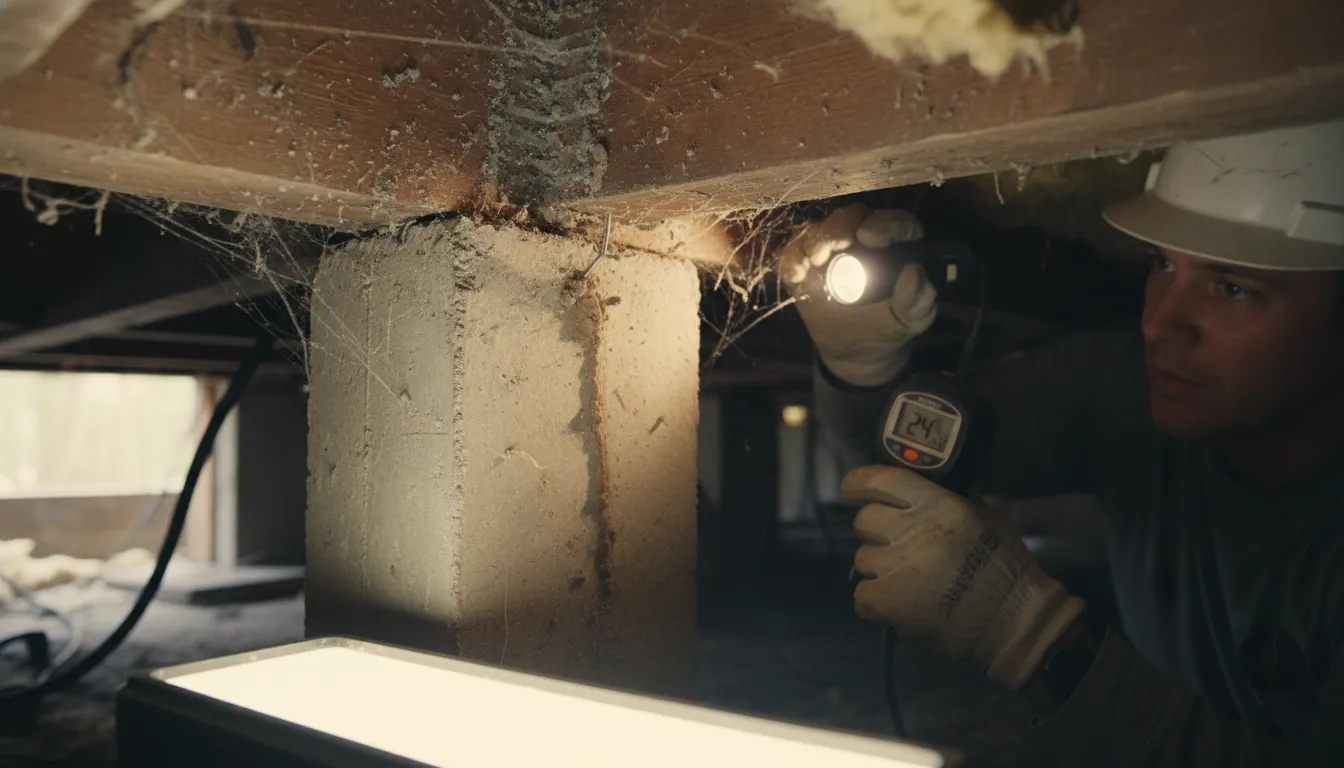
A termite inspection is a critical evaluation of your property to detect the presence of destructive wood-destroying insects and the conditions that attract them. In Lincoln, where subterranean termites are a persistent threat, this service is essential for protecting your largest investment-your home. A professional assessment provides peace of mind, identifies risks, and offers a clear path forward for treatment if needed. This guide will help you understand what a termite inspection entails, what inspectors look for, and how to find qualified local professionals to conduct this vital evaluation.
Presto-X Pest Control
5601 S 59th St, Lincoln, NE 68516
Presto-X Pest Control serves Lincoln, NE, offering pest management tailored to the area's seasonal pest activity. They handle a variety of pests including rodents, bed bugs, cockroaches, termites, and stored product insects, applying targeted treatments and preventive measures. Their technicians focus on sealing entry points, monitoring, and removing affected goods to control infestations effectively.

ABC Termite & Pest Control
5610 Holdrege St, Lincoln, NE 68505
ABC Termite & Pest Control is a locally owned company providing residential and commercial pest control services in Lincoln, NE. They handle a variety of pests including termites, bed bugs, rodents, ants, mosquitoes, and ticks. Their treatments focus on safe and effective pest elimination, using exterior spraying and combined methods like traps and baits for rodent control. With over 20 years of experience, ABC has completed more than 10,000 termite treatments in the Lincoln and Omaha areas, emphasizing thorough and lasting results. They also offer mosquito and tick control as well as a premium disinfecting service.

Orkin
1740 Adams St, Lincoln, NE 68521
Orkin provides residential and commercial pest control services in Lincoln, NE. They handle a wide range of pests including bed bugs, termites, rodents, ants, cockroaches, mosquitoes, bees, wasps, and wildlife. Orkin offers specialized termite inspections and treatments using methods such as dry foam void filler, liquid barriers, and Sentricon® bait. With over 120 years of experience, Orkin applies seasonal pest control plans tailored to the six distinct pest seasons in the Midwest. The company also offers 24/7 availability for urgent pest control needs in Lincoln.
A-1 Total Pest Control
Lincoln, NE
A-1 Total Pest Control has been serving Lincoln, NE, and surrounding areas for over 20 years. The company offers a wide range of pest control services including cockroach, ant, rodent, and termite control, as well as bee and wasp removal and wildlife management for both residential and commercial clients. Their state-certified exterminators use EPA-registered materials to ensure safety while effectively managing invasive pests. They also provide home and commercial pest inspections and develop customized protection plans to prevent future infestations.
APL Home Inspections
Lincoln, NE
APL Home Inspections is a termite inspection company based in Lincoln, NE, offering a range of inspection services including wood-destroying insect (WDI) inspections, home inspections, radon testing, and mold inspection and testing. They serve Southeast Nebraska and provide thorough, non-invasive examinations to identify current and potential issues in homes. Established in 2010, APL Home Inspections has over a decade of experience in the industry.
Why Termite Inspections Are Crucial in Lincoln
Nebraska's climate and soil conditions create an ideal environment for subterranean termites, the most common and destructive species in the region 1. These insects work silently, often causing significant structural damage long before a homeowner notices any signs. A professional termite check is not just for real estate transactions; it's a proactive measure for ongoing home maintenance. Regular inspections can catch early signs of activity or identify conducive conditions, potentially saving you thousands of dollars in repairs and preserving the structural integrity of your property 2.
What Does a Professional Inspector Look For?
A thorough termite examination involves a meticulous search for evidence of past or current infestation, as well as conditions that could lead to future problems. The inspector acts as a detective, piecing together clues to assess the risk to your home.
Primary Signs of Termite Activity:
- Mud Tubes: These pencil-thick, earthen tunnels are the hallmark of subterranean termites. They are built from soil to wood to provide moisture and protection as termites travel 3. Inspectors look for them on foundation walls, in crawl spaces, and on piers.
- Wood Damage: Termites eat wood from the inside out, leaving a thin veneer of wood or paint. Tapping on wood that sounds hollow or finding wood that crumbles easily are strong indicators.
- Discarded Wings: After swarmers (reproductive termites) take flight, they shed their wings. Piles of small, papery wings near windowsills, doors, or in spider webs are a common sign of a nearby colony.
- Frass: Drywood termites (less common in Nebraska) produce pellet-like droppings. Subterranean termites use their droppings to build their mud tubes, so frass is less commonly seen separately.
Key Conducive Conditions: Inspectors also evaluate factors that make your property attractive to termites 4:
- Wood-to-Soil Contact: This includes wooden siding, door frames, or porch supports that touch the soil, providing direct access for termites.
- Excessive Moisture: Leaky pipes, poor drainage, clogged gutters, and insufficient ventilation in crawl spaces create the damp environment termites need.
- Cellulose Debris: Woodpiles, stumps, or form boards left in contact with the home's foundation serve as a food source and bridge.
- Cracks in Foundation: Even hairline cracks can be an entry point for determined termites.
The Step-by-Step Inspection Process
Understanding what happens during a termite evaluation can help you prepare your home and know what to expect. A comprehensive inspection typically follows a systematic approach.
1. Exterior Inspection The inspector starts outside, walking the entire perimeter of the structure. They examine the foundation for cracks and expansion joints, check the grading for proper drainage, and inspect any wooden elements like decks, fences, and trim. Special attention is paid to the critical area where siding meets the foundation, looking for gaps or soil contact 5. Mulch beds against the house and vegetation touching the structure are also noted as potential risks.
2. Interior Inspection Inside, the inspector will need access to all potential problem areas. This includes:
- Basements and Crawl Spaces: These are prime inspection zones. The inspector looks for mud tubes on walls and piers, probes wood for damage, and checks moisture levels. A cluttered crawl space can hinder a proper inspection.
- Attics: While less common for subterranean termites, attics are checked for proper ventilation, roof leaks, and any signs of wood damage from other pests or moisture.
- Living Areas: Inspectors check around windows, doors, and baseboards, and may sound out floors and walls in areas that seem suspect.
3. Use of Specialized Tools Professionals don't rely solely on sight. They often use tools like:
- Moisture Meters: To detect elevated moisture levels in walls and wood, which can indicate leaks and attractive conditions for termites.
- Probing Tools: Like screwdrivers or ice picks, to test wood for hollowness and softness.
- Flashlights and Mirrors: To see into dark, tight spaces.
- Advanced Detection: Some inspectors may use acoustic or thermal imaging devices to detect activity behind walls, though this is more common for follow-up investigations 6.
4. The Inspection Report The process culminates in a detailed written report. This document is crucial, especially for real estate transactions. A good report will clearly state whether there is evidence of active infestation, past infestation, or no infestation found. It will itemize all conducive conditions observed and provide recommendations for corrective actions and, if necessary, treatment options 7 8.
Find the perfect termite inspection companies for your needs
Get personalized recommendations and expert advice
Understanding Inspection Costs in Lincoln
For homeowners in Lincoln, the cost of a professional termite inspection is a small price for the valuable information it provides. The typical price range for a standard single-family home is between $100 and $200 for a comprehensive inspection and written report 9 10 11. Several factors can influence this cost:
- Property Size and Complexity: Larger homes, properties with multiple structures, or those with difficult-to-access crawl spaces may cost more.
- Inspection Purpose: A standard annual inspection may differ in price from a more rigorous inspection required for a real estate sale (often called a Wood Destroying Insect Inspection or WDI report).
- Company Policies: Some companies offer inspections for free or at a deeply discounted rate if you sign up for a treatment plan with them 12. It's important to understand the scope and potential biases of any "free" inspection.
While cost is a factor, the inspector's qualifications, experience, and thoroughness are far more important. Look for licensed professionals with positive local reviews.
Preparing Your Home for an Inspection
To ensure the inspector can perform a thorough job, a little preparation can help:
- Clear Access: Ensure the inspector can easily access the attic hatch, crawl space entrance, electrical panel, and all rooms, including closets and storage areas.
- Declutter Crawl Spaces and Basements: Move stored items away from foundation walls in basements and, if safe and possible, clear crawl spaces of storage and debris 13.
- Trim Vegetation: Cut back shrubs, vines, and tree branches that are touching the house.
- Move Interior Items: Pull furniture and boxes slightly away from walls in basements and ground-floor rooms to allow for a clear view of baseboards.
Frequently asked questions
Sources
Footnotes
-
EC91-1556 Subterranean Termites and Their Control - https://digitalcommons.unl.edu/cgi/viewcontent.cgi?article=2159&context=extensionhist ↩
-
Termite Exterminators | Lincoln, Nebraska & Surrounding Areas - https://a1totalpestcontrol.com/termite-exterminators/ ↩
-
How Do I Know if I Have Termites? Arizona Termites, Termite Tubes - https://www.youtube.com/watch?v=m7MiN1FU2-8 ↩
-
How subterranean termites get into your house and how to stop them ... - https://www.youtube.com/watch?v=EWgL_yN22_M ↩
-
Termite inspection: How it works - Western Exterminator - https://www.westernexterminator.com/termite-control/termite-inspection ↩
-
5 Things Exterminators Check During Termite Inspections - https://home.howstuffworks.com/home-improvement/household-hints-tips/insect-control/5-things-exterminators-check-during-termite-inspections.htm ↩
-
What Happens During a Termite Inspection - Terminix - https://www.terminix.com/termite-control/inspection/ ↩
-
What You Need to Know About Termite Inspections - AmeriSpec - https://www.amerispec.com/blog/what-you-need-know-about-termite-inspections ↩
-
Complete Guide to Termite Inspection for Home Purchase - https://bettertermite.com/termite-inspection-for-home-purchase/ ↩
-
Termite Inspections: Cost and What to Expect | Real Estate - https://realestate.usnews.com/real-estate/articles/termite-inspections-cost-and-what-to-expect ↩
-
How Much Does a Termite Inspection Cost in 2026? - LawnStarter - https://www.lawnstarter.com/blog/cost/termite-inspection-price/ ↩
-
How Much Does Termite Treatment Cost? | Pricing Guide - PestPac - https://www.pestpac.com/blog/termite-treatment-cost-guide ↩
-
What to Expect When We Perform a Termite Inspection in Your Home - https://cititurf.com/blog/what-to-expect-when-we-perform-a-termite-inspection-in-your-home/ ↩