Find the Best Termite Inspection Companies for Your Business
No obligation • Fast responses • Nationwide coverage

Why you can trust Pest Crews
Pest Crews is a leading U.S. resource for finding and evaluating residential and commercial pest control services. Our team researches providers, reviews treatment approaches, and organizes unbiased information to help you make informed decisions. Companies cannot pay to change our editorial content or influence how they appear.
Search providers near you
Top Termite Inspection Companies in Columbia, South Carolina Ranked
A termite inspection is a specialized assessment of a property to detect the presence or evidence of wood-destroying insects and organisms. In Columbia, this service is critical due to the region's high risk for destructive subterranean termites, which can cause significant structural damage if left undetected. This guide will help you understand what a termite evaluation entails, why it's essential for homeowners and buyers, and how to find qualified local professionals to protect your investment.

Dodson Pest Control
537 N 12th St, West Columbia, SC 29169
Dodson Pest Control is a family-owned pest management company serving Augusta, GA, and surrounding areas. With over 80 years of experience, they offer services including cockroach and rodent control, termite inspections, mosquito control, and commercial pest management. Their certified local technicians address common regional pests such as termites, mosquitoes, cockroaches, rodents, and earwigs, providing both one-time treatments and ongoing prevention. Dodson Pest Control is known for its thorough inspections and effective pest control solutions.
Bug and Beast Solutions
Augusta, GA
Bug and Beast Solutions provides pest and wildlife control services in Augusta, GA. They offer personalized chemical and non-chemical treatments for pests such as bed bugs, cockroaches, ants, rodents, and termites. The company also handles wildlife removal and property services like yard cleanup and sealing entry points to prevent infestations. They conduct official termite inspections for real estate transactions as well as peace of mind inspections for homeowners. Their expertise includes identifying and addressing multiple pest issues, even those unresolved by other companies.

Walker Pest Management - Pest Control & Exterminator Services
Augusta, GA
Walker Pest Management - Pest Control & Exterminator Services provides termite inspection and pest control services in Augusta, GA. The company offers solutions for homeowners and commercial clients, including termite pre-treatment for new construction, bait station monitoring, and liquid termite treatments. Their technicians are licensed, insured, and regularly trained to stay updated on pest control methods. Walker Pest Management emphasizes thorough inspections and follow-up services to ensure customer satisfaction.
Terminix
1828 Pineview Dr, Columbia, SC 29209
Terminix provides pest control services in Augusta, GA, specializing in the management of termites, bed bugs, rodents, mosquitoes, ants, cockroaches, and wildlife removal. The company uses integrated pest management strategies focused on both immediate treatment and long-term prevention to maintain pest-free homes and businesses. With over 75 years of experience, Terminix offers termite inspections, effective treatments, and monitoring, along with rodent exclusion and mosquito control to protect outdoor spaces.
Gold Guard Pest Control
Augusta, GA
Gold Guard Pest Control is a pest control company based in Augusta, GA. They offer a range of services including cockroach, ant, and termite control, as well as mosquito management and outdoor flea and tick control. Their service plans cover over 20 types of pests and include termite protection with a perimeter bond using Termidor.
Why Termite Inspections Are Non-Negotiable in Columbia
The warm, humid climate of South Carolina's Midlands creates an ideal environment for termites. These pests are a constant threat to the structural integrity of homes, often causing damage that is not covered by standard homeowners insurance policies. For anyone purchasing, selling, or maintaining a home in Columbia, a professional termite check is not just a recommendation-it's a fundamental step in responsible property ownership. The inspection provides a documented snapshot of the property's condition regarding wood-destroying organisms, which is crucial for informed decision-making.
Common Termite Species in the Columbia Area
Knowing your enemy is the first step in protection. Columbia homes are primarily threatened by two types of subterranean termites:
- Eastern and Southeastern Subterranean Termites: These are the most common and destructive termites in the region. They live in underground colonies and build mud tubes to access wood sources in your home.
- Formosan Subterranean Termites: Often called "super termites," this invasive species is particularly prevalent in the Southeastern U.S., including South Carolina. They form larger colonies and can consume wood even more rapidly than native species, making early detection through an inspection vital 1 2.
What a Professional Inspector Looks For
A comprehensive termite assessment is a meticulous process. A certified inspector will examine both the exterior and interior of your property, focusing on areas prone to moisture and wood-to-ground contact. The goal is to identify active infestations, past damage, and conditions conducive to future problems.
Exterior Inspection Points
The inspector will walk the perimeter of your home and yard, examining:
- Foundation: Checking for mud tubes-pencil-sized tunnels of soil and saliva that termites use to travel from the ground to wood.
- Wooden Structures: Inspecting decks, fences, porch steps, and exterior siding for signs of damage, hollow-sounding wood, or blistering paint.
- Landscaping: Looking at mulch beds, tree stumps, and wood piles that are in contact with the home's structure.
- Ventilation: Ensuring crawl space vents are clear and functional, as poor ventilation leads to moisture buildup that attracts termites 3 4 5 6.
Interior Inspection Points
Inside the home, the inspector will focus on:
- Basements and Crawl Spaces: These are prime locations for termite activity. Inspectors look for mud tubes on foundation walls, piers, and joists.
- Attics: Checking the underside of the roof sheathing and wooden framing for damage or discarded termite wings (swarmers).
- Living Areas: Examining baseboards, door and window frames, and wooden cabinets for any signs of tunneling or damage. They may tap on wood to listen for a hollow sound 7 8 9.
- Moisture Sources: Identifying leaks under sinks, around water heaters, or in bathrooms, as excess moisture is a major attractant for termites.
The CL-100: South Carolina's Official Wood Infestation Report
In South Carolina, the termite inspection process is formalized through the CL-100 Report, officially known as the "Official South Carolina Wood Infestation Report." This document is a standardized letter required for most real estate transactions.
- Purpose: The CL-100 report states whether there is any visible evidence of active or previous infestation by wood-destroying insects (like termites) or wood-decay fungi. It also notes any conditions conducive to such infestations, such as earth-to-wood contact or excessive moisture.
- Cost: In the Columbia area, the fee for a termite inspection that results in a CL-100 report typically ranges from $125 to $15010.
- Validity: It's crucial to note that a CL-100 report is only valid for 30 days from the date of issuance. For real estate transactions, timing the inspection correctly is essential to ensure the report is current at closing.
Find the perfect termite inspection companies for your needs
Get personalized recommendations and expert advice
What to Expect During the Inspection Visit
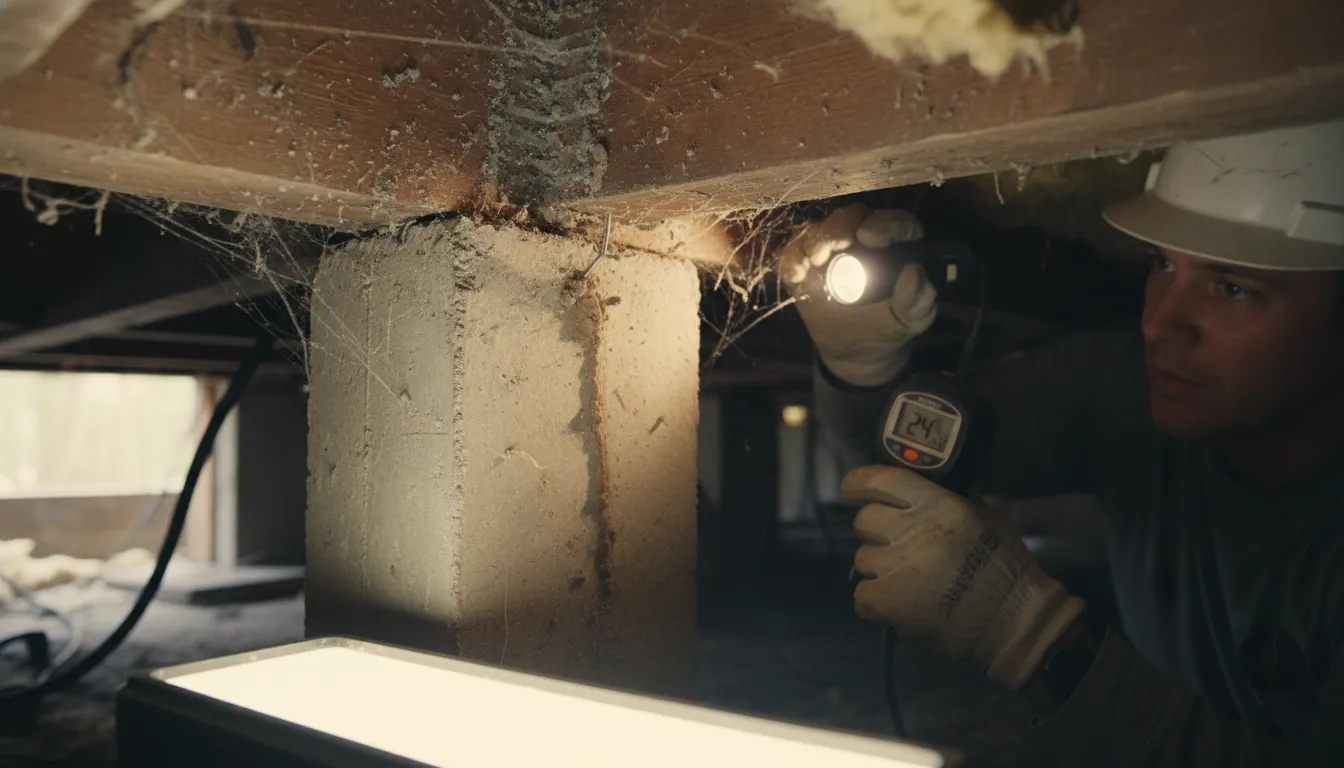
When you schedule a termite inspection with a licensed professional in Columbia, you can expect a thorough examination that usually takes 45 minutes to over an hour, depending on the size and complexity of your home. The inspector will need access to all areas of the home, including closets, attics, and crawl spaces. It's helpful to move stored items away from basement walls and ensure crawl space access doors are unobstructed. There is no preparation needed from you, but being present allows you to ask questions and see any issues firsthand. The inspector will use tools like flashlights, moisture meters, and probing tools to assess the wood in your home.
Interpreting Your Inspection Results
After the evaluation, the inspector will provide you with the findings. A "clear" report means no visible evidence of active or previous infestation was found. However, if evidence is found, the report will detail the location and type of infestation or damage. It may also list "conducive conditions," such as wood debris in the crawl space or faulty grading that causes water to pool near the foundation. These findings don't necessarily halt a real estate transaction, but they typically become a point of negotiation, where the seller may be asked to treat the infestation and repair any damage before the sale proceeds.
Choosing a Provider for Your Termite Evaluation
Selecting the right professional is key. Look for companies that are licensed and insured in South Carolina, with certified inspectors who have specific experience with the termite species common to Columbia. Ask about their inspection process and whether they provide a detailed written report (the CL-100) and digital photos of any findings. Reputable companies will be transparent about their findings and explain any recommended next steps without using high-pressure sales tactics. Reading local reviews and asking for recommendations from your real estate agent can also guide you to trusted local experts.
Frequently asked questions
Sources
Footnotes
-
Types of Termites - Clark's Termite & Pest Control - https://www.clarkspest.com/types-of-termites/ ↩
-
Most Common Termites in the South | Palmetto Exterminators - https://www.palmettoexterminators.net/pest-news/most-common-termites-in-the-south ↩
-
Residential Termite Control | North Carolina & South Carolina - https://www.smarterpestcontrol.com/residential-services/pest-control/residential-termite-control ↩
-
What to Expect From a Termite Inspection in Columbia, SC - https://caycebugs.com/what-to-expect-from-a-termite-inspection-in-columbia-sc/ ↩
-
Termite Inspection, Columbia, SC - https://streamline-sc.com/services-columbia-sc/termite-inspection/ ↩
-
What Does a Termite Inspector Look For? - Orkin - https://www.orkin.com/pests/termites/what-a-termite-inspector-does ↩
-
What Does A Termite Inspector Look For? - AG Pest Control - https://www.agpest.com/what-does-a-termite-inspector-look-for/ ↩
-
Full Guide to Professional Termite Inspections for Home Inspectors - https://www.homegauge.com/learning/home-inspectors-termites/ ↩
-
DIY Termite Control: How to Get Rid of Termites Yourself - https://www.pedchem.com/blogs/news-articles/termite-inspection-and-how-to-get-rid-of-termites-yourself ↩
-
Understanding the CL-100 Termite Inspection Letter - https://www.pestguardsc.com/blog.php?article=143&title=Understanding-the-CL-100-Termite-Inspection-Letter%3A-Importance%2C-Process%2C-and-Common-Misconceptions ↩