Find the Best Termite Inspection Companies for Your Business
No obligation • Fast responses • Nationwide coverage

Why you can trust Pest Crews
Pest Crews is a leading U.S. resource for finding and evaluating residential and commercial pest control services. Our team researches providers, reviews treatment approaches, and organizes unbiased information to help you make informed decisions. Companies cannot pay to change our editorial content or influence how they appear.
Search providers near you
Top Termite Inspection Companies in Rock Hill, South Carolina Ranked
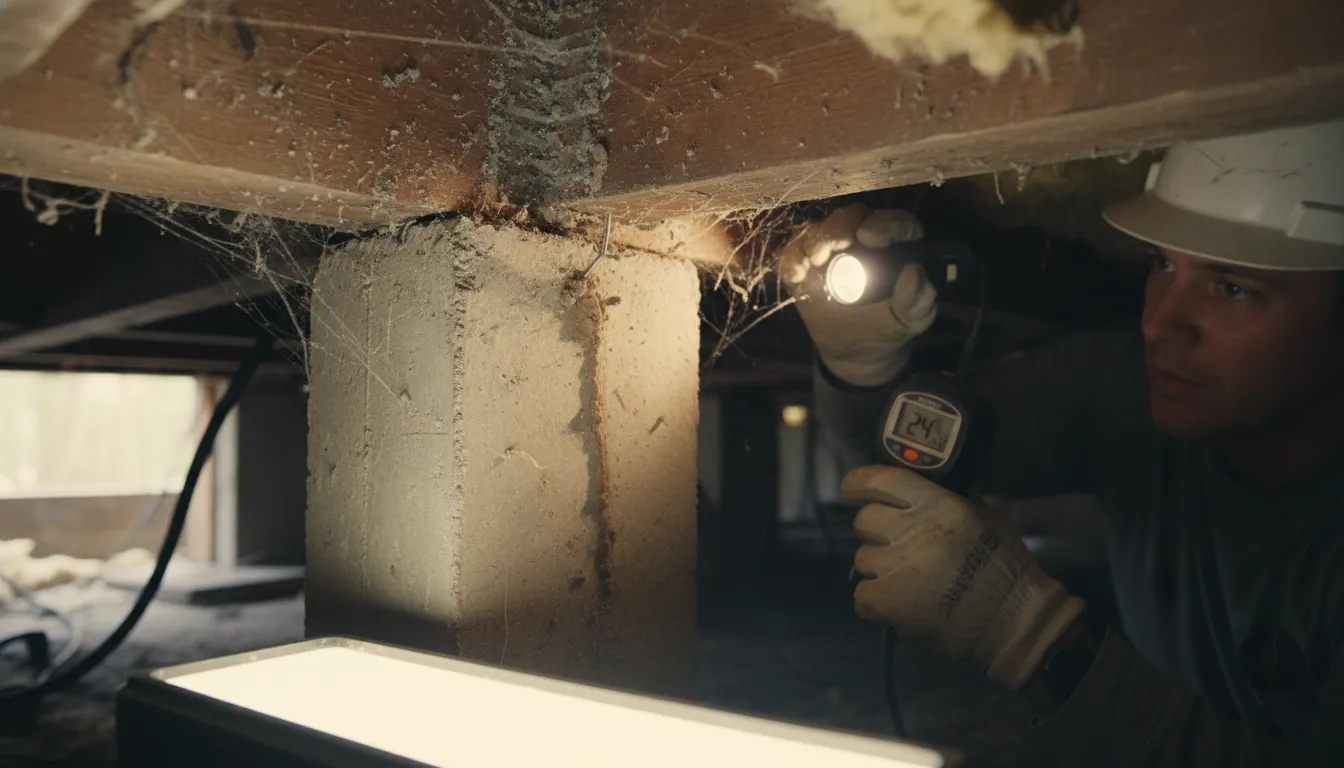
A termite inspection is a critical evaluation of a property to identify active infestations, past damage, and conditions conducive to wood-destroying organisms. For homeowners and buyers in Rock Hill, this service is essential for protecting what is often your largest investment from hidden structural damage. This guide will help you understand what a termite inspection entails, why it's particularly important in South Carolina, and how to find qualified local professionals to perform this vital assessment.
Noosa Pest Management LLC
6916 Rea Croft Dr, Charlotte, NC 28226
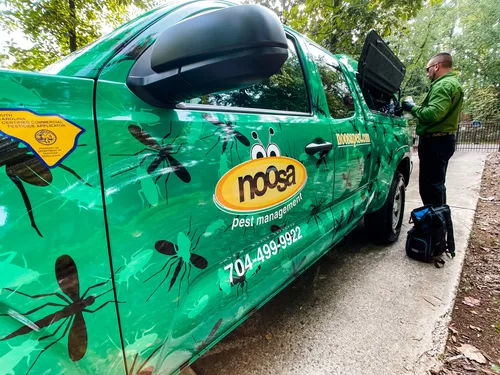
Noosa Pest Management LLC is a locally owned pest control company serving Charlotte, NC. They provide a range of residential and commercial pest management services including bed bug treatment, ant and rodent control, termite inspections, mosquito control, bee and wasp removal, bird and wildlife control, and crawl space encapsulation. Their approach emphasizes environmentally friendly and botanical pest control solutions, integrating natural treatments and comprehensive inspections to address pest issues effectively. Noosa Pest Management also offers specialized termite control and uses heat treatment for bed bugs. They participate in the EPA's Pesticide Environmental Stewardship Program and focus on minimizing chemical use. The company is known for its thorough inspections, customized treatment plans, and ongoing maintenance visits. Noosa Pest Management is family-operated and prioritizes eco-conscious methods while covering a wide range of pests common in the Charlotte area.
City Wide Exterminating
6025 Blakeney Park Dr #202, Charlotte, NC 28277
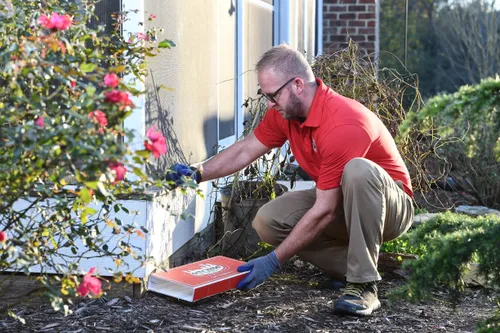
City Wide Exterminating is a family-owned pest control company serving Charlotte, NC, and surrounding areas including Concord, Mooresville, and Locust. Established in 2000, they offer comprehensive pest management services for residential and commercial properties. Their services include treatment and removal of bed bugs, ants, cockroaches, rodents, termites, mosquitoes, and wildlife. City Wide Exterminating provides tailored pest inspections and ongoing maintenance plans to help keep properties pest-free. They emphasize environmentally responsible and pet-friendly solutions and offer a service guarantee with additional treatments included on annual plans.

Go-Forth Pest Control
1974 Carolina Pl Ste 120, Fort Mill, SC 29708
Go-Forth Pest Control is a pest management company based in Charlotte, NC, serving the Fort Mill area and nearby towns. They provide a wide range of pest control services including ant, cockroach, flea, mosquito, rodent, bed bug, termite, bee, wasp, and wildlife removal. The company uses pet- and kid-friendly products and applies the latest pest management technologies to protect homes and businesses. Established in 1959, Go-Forth Pest Control has decades of experience and offers same-day service to address pest issues promptly.
HMO - Residential and Commercial Pest Control Charlotte
1409 East Blvd, Charlotte, NC 28203
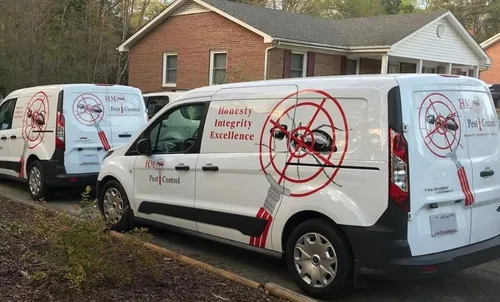
HMO - Residential and Commercial Pest Control Charlotte provides pest control services for homes and businesses in Charlotte, NC, and surrounding areas including Gastonia, Monroe, Fort Mill, Lancaster, and Rock Hill. The company specializes in managing pests such as bed bugs, termites, ants, cockroaches, and rodents, offering tailored treatment packages to meet different needs. With licensed expertise and a focus on honesty and integrity, HMO has been serving the community since 2002. They also provide home inspection services and hold multiple professional licenses including NC Licensed General Contractor and Pest Control Operator.
Bulwark Exterminating
2300 Stevens Mill Rd, Matthews, NC 28105
Bulwark Exterminating provides residential pest control services in Charlotte, NC. They offer a range of treatments including ant control, termite inspections, mosquito management, and bee and wasp removal. Their services are tailored to meet individual needs, addressing common concerns like termite activity, allergic reactions to stings, and pest presence in yards. The company focuses on creating safer and more comfortable homes through customized prevention plans.
What is a Termite Inspection?
A termite inspection, often referred to as a wood-destroying insect (WDI) inspection, is a thorough examination of a home or building for evidence of termites and other wood-destroying pests. In South Carolina, the standard form for this is the Official Wood Infestation Report, commonly known as the CL-100. This inspection is not limited to termites; it also checks for powder post beetles, wood-boring beetles, and wood-destroying fungi. The goal is to provide a clear snapshot of the property's condition regarding pests that can compromise its structural integrity.
The process involves a trained inspector visually assessing accessible areas of the structure. They look for the subtle signs that untrained eyes might miss, from the foundation to the attic. The resulting report is a legally recognized document that states whether the home is "insect-free" or if there is evidence of active infestation, past damage, or conditions that could lead to future problems. This report is a key piece of due diligence in real estate transactions and ongoing home maintenance.
The Critical CL-100 Inspection in South Carolina
In Rock Hill and across South Carolina, the CL-100 inspection holds particular significance. It is frequently required by mortgage lenders during the home buying or refinancing process before a loan can close. This requirement underscores the serious financial risk that undetected termite damage poses to the property serving as collateral for the loan.
The CL-100 is a comprehensive report that covers all wood-destroying insects and fungi, not just termites. Its findings are valid for 30 days from the date of the inspection, which is why it's typically scheduled close to the closing date of a real estate transaction. If the report finds evidence of active infestation or damage, repairs or treatment may be required by the lender before proceeding, protecting both the buyer and the lending institution from unforeseen repair costs.
What Inspectors Look For During a Termite Check
A professional inspector conducts a meticulous search, focusing on areas most vulnerable to infestation. Understanding what they examine can help homeowners be more vigilant.
Signs of Active Infestation:
- Mud Tubes: Subterranean termites, the most common type in the region, construct pencil-sized mud tubes on foundation walls, piers, and in crawlspaces to travel between their soil colony and wood food sources without being exposed to air.
- Frass: This is a fine, powdery sawdust-like material that is actually termite or drywood beetle feces. Finding frass near wood beams, window sills, or door frames is a strong indicator of activity.
- Discarded Wings: Reproductive termites, or "swarmers," shed their wings after finding a mate to start a new colony. Piles of small, identical wings near windowsills or doors are a classic sign of a nearby colony.
- Damaged Wood: Inspectors will tap on wood surfaces with a tool. Wood that has been hollowed out by termites feeding inside will sound papery or hollow, unlike the solid thud of healthy wood. Common areas for this damage include sill plates, floor joists, door jambs, and exterior porches or stairs.
Conditions Conducive to Infestation: The inspection also evaluates factors that attract pests or promote wood decay. These "conducive conditions" are critical to note because they predict future risk even if no active pests are found.
- Excessive Moisture: Wood with a moisture content above 28% is susceptible to fungal decay, which can soften wood and also attract termites 1 2. Inspectors check for moisture in basements, crawlspaces, and around plumbing.
- Wood-to-Soil Contact: Any structural wood, such as deck posts, stair stringers, or siding, that directly contacts soil provides termites with an easy, undetected pathway into the home.
- Cracks in Foundation: Even hairline cracks in a concrete slab or foundation wall can serve as an entry point for subterranean termites.
- Poor Ventilation: Inadequate airflow in crawlspaces leads to trapped humidity, creating the damp environment that wood-destroying organisms thrive in.
Find the perfect termite inspection companies for your needs
Get personalized recommendations and expert advice
The Inspection Process: From Foundation to Report
A standard termite inspection in Rock Hill follows a systematic approach to ensure no area is overlooked. The inspector will examine both the interior and exterior of the property.
Exterior Inspection: The inspector walks the perimeter of the home, looking at the foundation, exterior walls, window and door frames, eaves, and any attached wooden structures like decks or porches. They search for mud tubes, cracks, wood rot, and any vegetation or mulch that is too close to the siding 3.
Interior Inspection: Inside, the inspector checks baseboards, windowsills, door frames, and areas under sinks for signs of moisture or damage. They pay special attention to rooms like bathrooms and kitchens where plumbing leaks are more common.
Crawlspace and Basement Inspection: These are high-priority areas. In crawlspaces, the inspector looks for mud tubes on piers and foundation walls, checks vapor barriers, and assesses ventilation. In basements, they examine sill plates and the ends of floor joists where they enter the foundation wall-prime targets for termites 4.
The Final Report: After the visual assessment, the inspector completes the CL-100 form. This document will clearly state one of the following: "No visible evidence of infestation," "Visible evidence of infestation," or "Visible evidence of previous infestation." It will also list any conducive conditions observed 5. This report is provided to the person who ordered the inspection, typically the home buyer or seller.
Understanding Termite Inspection Costs in Rock Hill
The cost of a termite inspection in Rock Hill is an investment in peace of mind and financial protection. On average, homeowners and buyers can expect to pay between $100 and $160 for a standard CL-100 inspection 6 7. Several factors can influence this price:
- Size of the Home: Larger homes with more square footage require more time to inspect thoroughly.
- Foundation Type: Homes with crawlspaces generally take longer to inspect than those on slab foundations, which can affect the cost.
- Purpose of Inspection: A routine inspection for a homeowner may differ slightly in reportage from a formal CL-100 required for a real estate transaction, though the process is similar.
It's important to view this fee as due diligence. The potential cost of repairing undiscovered termite damage can run into thousands of dollars, far exceeding the one-time price of an inspection.
Why Rock Hill Homeowners Need Regular Inspections
South Carolina's warm, humid climate is ideal for subterranean termites, making Rock Hill properties particularly vulnerable. While a CL-100 is often driven by a real estate transaction, scheduling regular termite inspections is a wise practice for any homeowner.
Annual or bi-annual inspections can catch an infestation in its earliest stages, when treatment is simpler and less costly. They also help identify and rectify conducive conditions-like a leaking pipe or soil buildup against siding-before they lead to a major problem 8 9. For homes with a history of termites or those in older neighborhoods with mature landscaping, proactive inspections are a key component of responsible home maintenance.
Frequently asked questions
Sources
Footnotes
-
CL-100 Termite Inspection - https://www.beaufortpestcontrol.com/cl-100-termite-inspection ↩
-
Understanding CL-100 Termite Inspections | The Pest Force MB SC - https://thepestforce.com/blog/understanding-cl-100-termite-inspections-what-home-buyers-need-to-know/ ↩
-
What Happens During a Termite Inspection - Terminix - https://www.terminix.com/termite-control/inspection/ ↩
-
Termite Inspection - https://www.clarkspest.com/termite-inspection/ ↩
-
CL-100 South Carolina | HouseMaster - https://housemaster.com/charleston-home-inspection/blog/623-cl100 ↩
-
Understanding the CL-100 Termite Inspection Letter: Importance, Process, and Common Misconceptions | PestGuard Solutions Greenville SC - https://www.pestguardsc.com/blog.php?article=143&title=Understanding-the-CL-100-Termite-Inspection-Letter%3A-Importance%2C-Process%2C-and-Common-Misconceptions ↩
-
Termite Inspection Cost [2026 Data] - Angie's List - https://www.angi.com/articles/how-much-does-termite-inspection-cost.htm ↩
-
Why a CL-100 Inspection is Essential | Buxton & Colliee, LLC - https://buxtonandcollie.com/why-a-cl-100-inspection-is-essential-when-buying-or-selling-a-home-in-charleston/ ↩
-
Professional Termite Inspection - Risk Free - Ledford's Pest Control - https://www.ledfordspestcontrol.com/termite-control-services/termite-inspection/ ↩