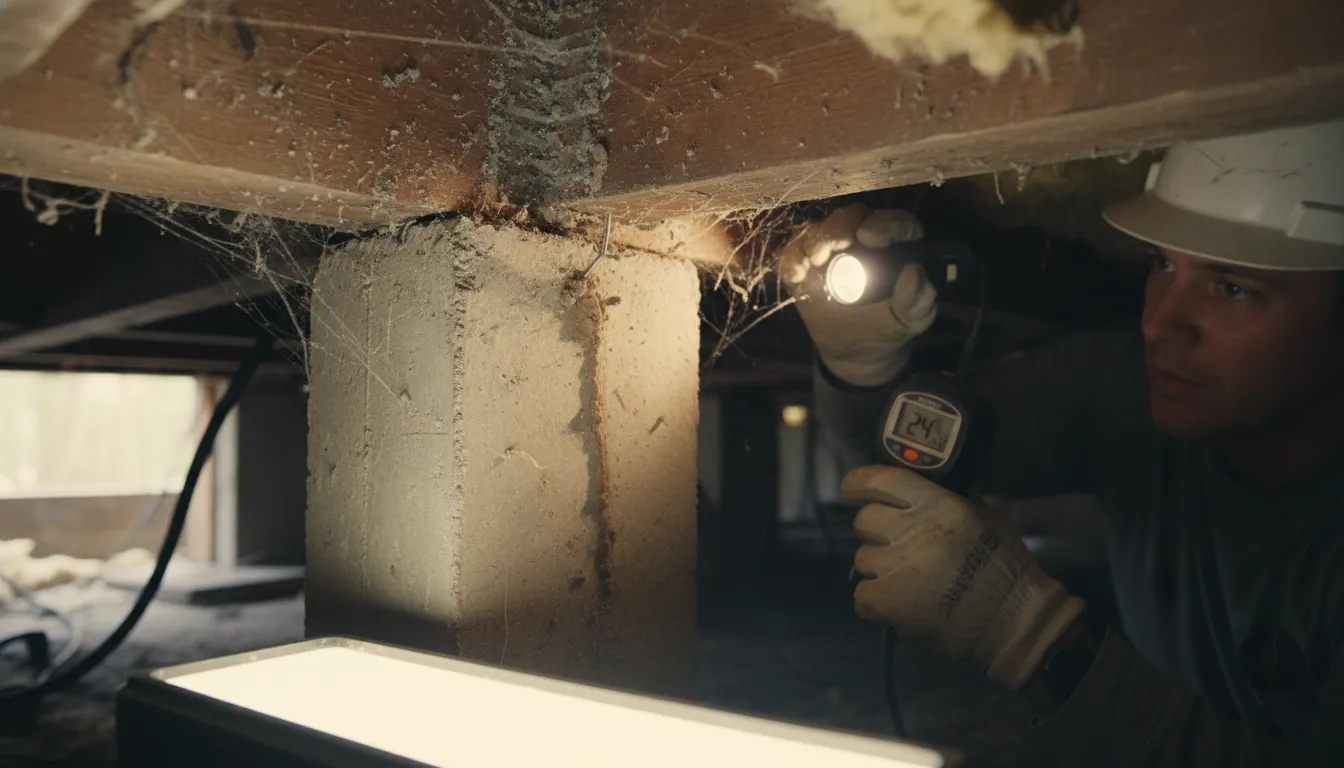
Find the Best Termite Inspection Companies for Your Business
No obligation • Fast responses • Nationwide coverage

Why you can trust Pest Crews
Pest Crews is a leading U.S. resource for finding and evaluating residential and commercial pest control services. Our team researches providers, reviews treatment approaches, and organizes unbiased information to help you make informed decisions. Companies cannot pay to change our editorial content or influence how they appear.
Search providers near you
Top Termite Inspection Companies in Spring Hill, Tennessee Ranked
A termite inspection is a critical evaluation of your property to detect the presence or risk of wood-destroying insects. For homeowners in Spring Hill, this service is essential for protecting your most valuable investment from costly, hidden damage. This guide will help you understand what a termite inspection entails, what inspectors look for, and how to find qualified local professionals to assess your home.

ClearDefense Pest Control
222 2nd Ave S Suite 1731, Nashville, TN 37201
ClearDefense Pest Control is a pest control company based in Nashville, TN. They provide services for a variety of pests including cockroaches, termites, mosquitoes, spiders, and other household pests. The company offers termite inspections and mosquito control as part of their pest management solutions. ClearDefense Pest Control serves multiple locations beyond Nashville, including West Knoxville, Greenville, Kansas City, and Cincinnati.
Insight Pest Solutions
5000 Linbar Dr #260, Nashville, TN 37211
Insight Pest Solutions provides comprehensive pest control services in Nashville, TN, addressing common household and commercial pests such as cockroaches, ants, rodents, termites, mosquitoes, bees, and wasps. Their approach includes thorough inspections, sealing entry points, and targeted treatments to prevent infestations and protect properties year-round. Established in 1985, the company offers specialized termite inspections and treatments, as well as outdoor mosquito control using environmentally responsible methods. Their service includes ongoing monitoring and seasonal adjustments to maintain pest-free environments.
All-American Pest Control
1585 Mallory Ln STE 201, Brentwood, TN 37027
All-American Pest Control is a family-owned pest control company serving the Nashville, TN area, including Brentwood. With over 60 years of experience since 1961, they offer year-round residential and commercial pest control services targeting a wide range of pests such as termites, ants, rodents, spiders, mosquitoes, and wasps. Their services include termite inspections, mosquito control, rodent removal, and eco-friendly pest management solutions tailored to local pest pressures. They also provide specialized capabilities like the Sentricon® Termite Colony Elimination System and seasonal pest control plans to address changing pest activity throughout the year.

All Pest Solutions, Inc.
480 McNally Dr, Nashville, TN 37211
All Pest Solutions, Inc. provides year-round pest control services for families and businesses in Nashville, TN. They offer treatments for a wide range of pests including ants, cockroaches, rodents, termites, mosquitoes, fleas, ticks, and spiders. The company uses advanced, eco-conscious products and focuses on both residential and commercial pest management. Their team is trained and licensed, ensuring expert service across Middle Tennessee. All Pest Solutions is family owned and operated, emphasizing care for customers' properties as if they were their own.
EcoPro Pest Control
127 Split Rail Ln, Spring Hill, TN 37174
EcoPro Pest Control provides a range of pest management services in Nashville, TN, including bed bug treatment, cockroach and ant control, rodent management, termite inspections, mosquito control, bee and wasp removal, and wildlife removal. The company serves both residential and commercial clients, offering personalized and eco-friendly solutions. EcoPro Pest Control is family-owned and operated, with certified and insured technicians who focus on protecting homes and businesses from common pests in the area. Their services cover neighborhoods in and around Spring Hill, TN, near Nashville, and include professional insulation removal, attic restoration, and sanitation.
Why Termite Inspections Are Crucial in Middle Tennessee
Spring Hill's climate and environment make it a prime location for subterranean termites, the most common and destructive species in the region. These insects live in underground colonies and can silently compromise the structural integrity of your home by feeding on wood from the inside out. A professional termite inspection is your first line of defense, identifying not only active infestations but also conditions that could attract these pests. For those buying or selling a home, a formal inspection report, often called a Wood Destroying Insect (WDI) report, is frequently required by lenders. Beyond real estate transactions, regular inspections are a cornerstone of responsible home maintenance, helping you catch problems early before they escalate into major repairs.
What Inspectors Look For: Signs of Termites and Conducive Conditions
During a termite inspection, a trained professional conducts a meticulous search for evidence of activity and factors that invite infestation. Knowing these signs yourself can help you monitor your property between professional visits.
Evidence of Active Infestation:
- Mud Tubes: These pencil-sized tunnels made of soil and saliva on foundation walls, piers, or in crawlspaces are a telltale sign of subterranean termites traveling between their colony and food source.
- Discarded Wings: Reproductive "swarmer" termites shed their wings after finding a mate. Piles of small, identical wings near windowsills, doors, or in spider webs are a common indicator of a nearby colony 1.
- Wood Damage: Inspectors will probe exposed wood for soft spots. Damaged wood often sounds hollow when tapped and may show a honeycomb pattern inside.
- Frass: Drywood termites (less common) leave behind small, pellet-like droppings. Subterranean termites use their droppings in tunnel construction, so frass is less commonly seen.
Conducive Conditions for Infestation: An inspector's job isn't just to find termites, but to identify what might attract them. Key risk factors include 2:
- Excessive Moisture: Leaky pipes, poor drainage, clogged gutters, and inadequate ventilation in crawlspaces create the damp environment termites need.
- Wood-to-Soil Contact: Any structural wood, like siding, door frames, or deck posts, making direct contact with soil provides an easy entry point.
- Cellulose Debris: Stacks of firewood, lumber, or even thick mulch piled against the home's foundation can serve as both a food source and a bridge for termites.
The Termite Inspection Process: Step-by-Step
Understanding what happens during a termite evaluation can help you prepare and know what to expect from your service provider.
1. Visual Examination: The inspector conducts a thorough, visual check of all accessible areas. This includes the home's exterior perimeter, foundation, attic, basement, and crawlspace 3. They look for the signs and conditions listed above, paying special attention to areas where wood meets the ground.
2. Probing and Tool-Assisted Detection: Inspectors don't just look-they investigate. They may use a screwdriver or probe to test wood for softness in suspect areas 4. Many professionals also employ specialized tools like moisture meters to detect hidden water damage within walls, which is a magnet for termites. Some may use infrared cameras to identify temperature differences that could indicate moisture or nesting activity behind surfaces.
3. Documentation and Reporting: After the assessment, the inspector documents their findings. For a standard inspection, you'll receive a report detailing any evidence of infestation, areas of concern, and recommendations for treatment or corrective actions. If the inspection is for a real estate transaction, a formal WDI Report or "termite letter" is generated, which is a legally recognized document for lenders and buyers 5 6.
Find the perfect termite inspection companies for your needs
Get personalized recommendations and expert advice
Understanding Inspection Costs in Spring Hill
The cost of a termite inspection in Spring Hill is an investment in peace of mind and property protection. For a standard visual inspection and report on a typical single-family home, you can generally expect to pay between $75 and $2007 8 9. Several factors can influence this price:
- Home Size and Complexity: Larger homes or those with multiple crawlspaces, basements, or outbuildings take longer to inspect.
- Purpose of Inspection: A basic check for a homeowner may cost less than a formal inspection with a detailed report required for an FHA or VA loan during a home sale 10.
- Additional Services: If the inspector uses advanced tools like infrared cameras or provides a detailed diagram of the property, the fee may be higher.
It's important to clarify what is included in the quoted price. Always ask if the written report is included and whether the inspection covers other wood-destroying organisms like carpenter ants or powderpost beetles 11 12.
Beyond Subterranean Termites: Other Wood-Destroying Insects
While subterranean termites are the primary threat, a comprehensive Wood Destroying Insect inspection also assesses the presence of other pests that can damage your home's structure.
- Carpenter Ants: These large black ants excavate wood to create nests, preferring moist, decaying wood. They don't eat the wood but can cause significant structural weakening over time.
- Carpenter Bees: These solitary bees bore perfectly round holes into untreated wood to lay eggs. While less structurally devastating than termites, their tunneling can facilitate water damage and attract woodpeckers.
- Wood-Boring Beetles: This category includes pests like powderpost beetles and old house borers. They lay eggs in wood, and the larvae tunnel through it as they feed, leaving behind a fine powdery frass.
A qualified inspector will be trained to identify the signs of all these organisms, providing a complete assessment of your home's vulnerability.
Preparing for Your Termite Inspection
To ensure the inspection is as thorough and efficient as possible, homeowners can take a few simple steps:
- Clear Access: Ensure the inspector can easily access your attic, basement, garage, and crawlspace. Move stored items away from foundation walls in basements and garages.
- Trim Landscaping: Cut back shrubs, vines, and tree branches that are touching the house, as these can obscure the foundation and provide hidden pathways for pests.
- Move Firewood: Relocate any firewood or lumber piles at least 20 feet away from your home's exterior.
- Note Your Concerns: If you've seen suspicious wings, mud tubes, or damaged wood, point these areas out to the inspector when they arrive.
Taking these steps helps the professional conduct a more complete evaluation and demonstrates your proactive approach to home maintenance.
Frequently asked questions
Sources
Footnotes
-
Termite Inspections: Cost and What to Expect | Real Estate - https://realestate.usnews.com/real-estate/articles/termite-inspections-cost-and-what-to-expect ↩
-
Complete Guide to Termite Inspection for Home Purchase - https://bettertermite.com/termite-inspection-for-home-purchase/ ↩
-
What Happens During a Termite Inspection - Terminix - https://www.terminix.com/termite-control/inspection/ ↩
-
5 Things Exterminators Check During Termite Inspections - https://home.howstuffworks.com/home-improvement/household-hints-tips/insect-control/5-things-exterminators-check-during-termite-inspections.htm ↩
-
Termite Letters | Why They Are Important When Buying or Selling Your Home - https://uspest.com/blog/termite-letters-why-they-are-important-when-buying-or-selling-your-home/ ↩
-
Middle Tennessee Termite Inspections - https://npiweb.com/jlee/services/termite-inspections/ ↩
-
How Much Does Termite Treatment Cost? | Pricing Guide - PestPac - https://www.pestpac.com/blog/termite-treatment-cost-guide ↩
-
How Much Does a Termite Inspection Cost? - Rottler Pest Solutions - https://www.rottler.com/residential-pest-control/termite-solutions/how-much-does-a-termite-inspection-cost/ ↩
-
Termite Inspection Cost [2026 Data] | Angi - https://www.angi.com/articles/how-much-does-termite-inspection-cost.htm ↩
-
Termite Inspections for Homebuyers: Requirements & Costs | Freedom Mortgage - https://www.freedommortgage.com/learning-center/articles/termite-inspection-home-purchase ↩
-
Termite Inspection & Treatment Service - EcoPro Pest Control - https://myecopropestcontrol.com/termite-control/ ↩
-
What Happens during a Termite Inspection? | Murfreesboro TN - https://americareservices.com/termites/what-happens-during-a-termite-inspection/ ↩