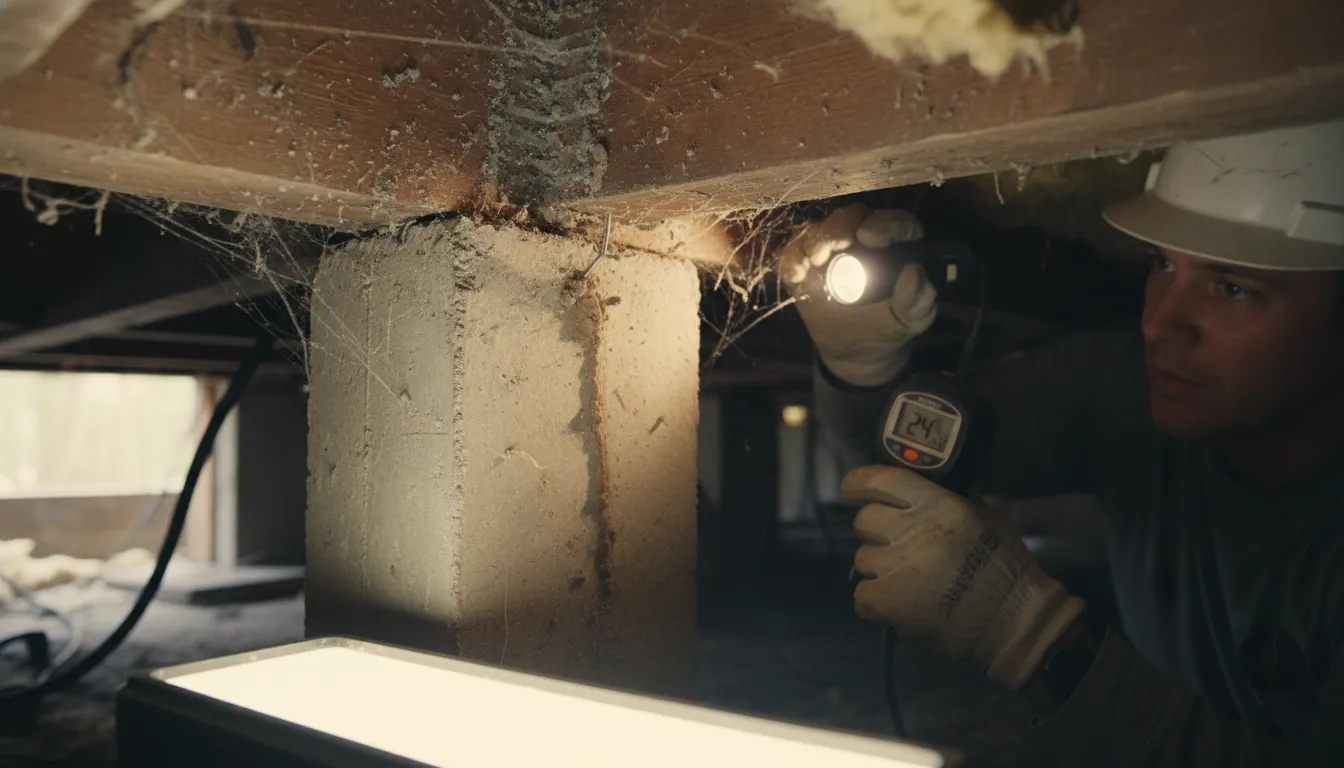
Find the Best Termite Inspection Companies for Your Business
No obligation • Fast responses • Nationwide coverage

Why you can trust Pest Crews
Pest Crews is a leading U.S. resource for finding and evaluating residential and commercial pest control services. Our team researches providers, reviews treatment approaches, and organizes unbiased information to help you make informed decisions. Companies cannot pay to change our editorial content or influence how they appear.
Search providers near you
Top Termite Inspection Companies in Richmond, Virginia Ranked
A termite inspection is a critical evaluation of your home to detect the presence of wood-destroying organisms, primarily termites. In the Richmond area, these assessments are vital for protecting your property investment from costly structural damage. This guide explains what a termite inspection entails, what local inspectors look for, and how you can use this information to connect with qualified professionals in your community.
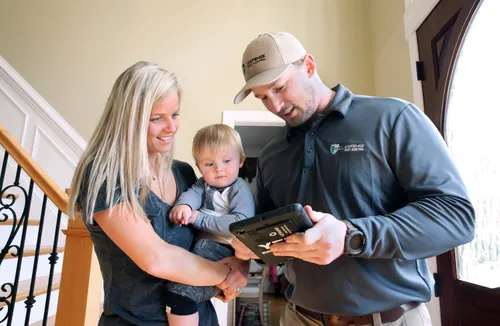
ClearDefense Pest Control
1108 E Main St #904, Richmond, VA 23219
ClearDefense Pest Control offers pest control services in Richmond, VA, focusing on household pests including cockroaches, termites, mosquitoes, and spiders. The company provides inspections and extermination services to manage and reduce pest populations effectively. ClearDefense Pest Control serves multiple locations beyond Richmond, indicating a broader service reach.

U.S. Pest Control
4272 Creighton Rd, Richmond, VA 23223
U.S. Pest Control is a locally owned and family-operated pest control company based in Richmond, VA. They provide services for residential and commercial properties, including cockroach, ant, rodent, and termite control, as well as crawl space encapsulation and total property inspections. The company offers thorough pest management plans and works closely with homeowners and real estate professionals to ensure accurate inspections and effective treatments. U.S. Pest Control stands behind its work with a service guarantee, returning at no cost if pests reappear between visits.
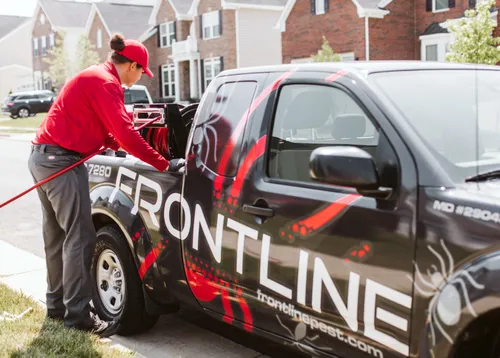
Frontline Pest and Termite of Richmond
6836 Atmore Dr, Richmond, VA 23225
Frontline Pest and Termite of Richmond provides residential pest control services in Richmond, VA. With over 18 years of experience, they offer treatments for general pests, termite prevention, rodent exclusion, and mosquito reduction. Their licensed technicians use safe and effective methods to protect homes and families. The company emphasizes customer satisfaction and employee education, backing their work with a satisfaction guarantee.

PestNow of Central Virginia | Richmond
7300 Hanover Green Dr #102, Mechanicsville, VA 23111
PestNow of Central Virginia | Richmond offers comprehensive pest control services in Richmond, VA. They specialize in eliminating ants, roaches, termites, mosquitoes, ticks, fleas, and wildlife such as squirrels, bats, and raccoons. Their licensed technicians provide termite inspections, general pest control, wildlife removal, and insulation services tailored to local pest pressures. Founded in 1995, this veteran-owned company has over 25 years of experience serving Central Virginia homeowners. They also provide emergency pest removal when needed.
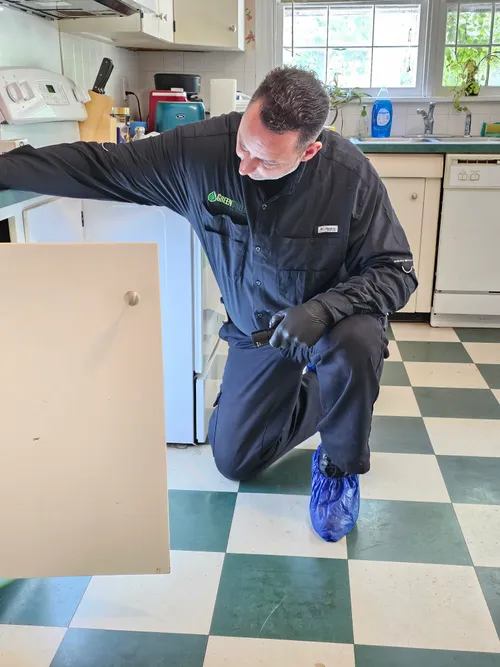
GreenShield Home & Pest Solutions - Richmond
11 S 12th St Suite 102, Richmond, VA 23219
GreenShield Home & Pest Solutions - Richmond offers eco-conscious pest control services for homes and businesses in Richmond, VA. They provide customized plans to address common pests such as ants, cockroaches, rodents, termites, and bed bugs. Their approach includes thorough inspections and targeted treatments like baiting, trapping, and sealing entry points to manage infestations effectively. The company holds multiple certifications and industry memberships, bringing decades of experience to pest management in Richmond and surrounding counties. They also offer same-day or next-day service and back their work with a satisfaction guarantee.
Why Termite Inspections Are Essential in Richmond
Richmond's climate and geography create an ideal environment for termites. The combination of moisture from the Bay and older housing stock with wood components makes properties particularly vulnerable. A professional termite evaluation is the first line of defense, identifying not only active infestations but also the conditions that attract these pests. For homeowners and buyers, this service provides peace of mind and is often a mandatory step in real estate transactions to satisfy lender requirements.
Common Termite Species in the Richmond Area
Understanding the local termite threats helps clarify what inspectors are searching for. The two primary types found in California are both present in Richmond.
- Subterranean Termites (Reticulitermes spp.): These are the most destructive species in North America. They live in the soil and build distinctive mud tubes to travel between their colony and food sources (your home's wood). Inspectors pay close attention to foundations, crawlspaces, and areas where wood contacts soil 1.
- Western Drywood Termites (Kalotermes & Incisitermes spp.): Unlike subterranean termites, drywood termites live inside the wood they consume and do not require contact with soil. They are often detected by the small, pellet-like droppings (frass) they push out of their galleries. Inspectors will examine attics, window frames, door frames, and other dry wood areas for signs of their activity 2.
What Does a Termite Inspector Look For?
A thorough termite assessment goes beyond just spotting bugs. Inspectors are trained to identify both direct evidence of infestation and the conducive conditions that invite them.
Signs of Active Infestation
- Mud Tubes: Pencil-sized tunnels made of soil and saliva on foundation walls, piers, or in crawlspaces-a telltale sign of subterranean termites 3.
- Frass: Small, wood-colored pellets accumulating below kick-out holes in wood, indicating a drywood termite colony within.
- Damaged Wood: Wood that sounds hollow when tapped or appears crushed along the grain. Inspectors may gently probe susceptible wood with a tool to check its integrity.
- Discarded Wings: Swarmers (reproductive termites) shed their wings after finding a mate. Piles of small, identical wings near windowsills or light sources are a common early warning sign.
Conducive Conditions for Infestation
A key part of the inspection is identifying problems that increase the risk of future infestation. These include:
- Wood-to-Soil Contact: Any structural wood, siding, or deck posts touching the earth provides a direct bridge for subterranean termites.
- Excess Moisture: Plumbing leaks, roof leaks, faulty grading, or poor drainage create the damp environment termites thrive in. Inspectors often use a moisture meter to detect elevated levels behind walls or under floors.
- Cracks in Foundation: Even hairline cracks can serve as entry points for foraging termites.
- Wood Debris: Stacks of firewood, lumber, or tree stumps near the home's foundation can harbor termite colonies 4.
The Termite Inspection Process: A Step-by-Step Guide
Knowing what to expect can make the process smoother. A comprehensive termite inspection in Richmond typically follows these steps:
- Exterior Inspection: The inspector walks the entire perimeter of the home, examining the foundation, exterior walls, eaves, vents, and any attached structures like decks or fences. They look for mud tubes, cracks, and wood-to-soil contact 5.
- Interior Inspection: Inside, the inspector checks accessible areas including basements, crawlspaces, attics, garages, and around plumbing access points. They examine door and window frames, baseboards, and areas under sinks for signs of damage or moisture 6 7.
- Detailed Examination: Using tools like flashlights, probes, and moisture meters, the inspector closely scrutinizes vulnerable spots. They may move stored items in garages or crawlspaces to get a clear view 8 9.
- Report Generation: After the assessment, you will receive a detailed written report. For real estate transactions, this is often a formal Wood Destroying Organism (WDO) Report or a report divided into Section 1 (active infestation) and Section 2 (conducive conditions) items. This report includes findings, photographs, and recommendations for treatment or repairs.
Find the perfect termite inspection companies for your needs
Get personalized recommendations and expert advice
Understanding Termite Inspection Costs in Richmond
The cost of a termite inspection in Richmond is an investment in your property's health. For a typical single-family home, a basic inspection often ranges from $100 to $200 10 11. This fee generally covers the visual assessment and a standard report. If you are buying or selling a home and need a formal WDO report for escrow, there is typically an additional fee, often ranging from $75 to $100 or more, due to the increased detail and liability for the inspector 10 11. It's important to note that the inspection cost is separate from any recommended treatment. Treatment costs can vary dramatically, from a few hundred dollars for localized spot treatments to several thousand for whole-structure fumigation, depending on the species and extent of the infestation 12.
Termite Inspections for Real Estate Transactions in California
In California's competitive housing market, a termite inspection is a standard part of the due diligence process. Most lenders will require a clear WDO report before finalizing a mortgage 13 14. The inspection report categorizes findings:
- Section 1 Items: These are active infestations or damage that require corrective action, such as treatment or repair. These items must typically be addressed before the loan can close.
- Section 2 Items: These are conditions that are likely to lead to an infestation (like wood debris or earth-to-wood contact). While not always required for loan approval, resolving these issues is highly recommended to protect the property 15.
Having a clear understanding of the report allows buyers and sellers to negotiate repairs or treatment costs effectively.
Maintaining a Termite-Resistant Home Post-Inspection
After an inspection-whether it reveals issues or not-proactive prevention is key. Homeowners in Richmond should:
- Eliminate Moisture: Repair leaky faucets, ensure downspouts direct water away from the foundation, and improve ventilation in crawlspaces.
- Remove Wood Contact: Store firewood, lumber, and cardboard boxes away from the home's exterior and raise any wood siding or structural elements at least 6 inches above soil level.
- Seal Entry Points: Caulk cracks in the foundation and around utility lines entering the home.
- Schedule Regular Check-ups: Consider annual or bi-annual inspections to catch potential problems early, especially if your home has had previous issues or is in a high-risk area.
Frequently asked questions
Sources
Footnotes
-
Signs of Termites in Your House | Termite Control Services - https://inman-murphy.com/termite-exterminators/signs-of-termites-in-your-house/ ↩
-
Why a Mississippi House Might Look Fine but Have a Termite Infestation - https://www.rmlawcall.com/why-a-mississippi-house-might-look-fine-but-have-a-termite-infestation ↩
-
How to Identify a Termite Infestation: 7 Signs to Look For - https://pestczar.com/how-to-identify-a-termite-infestation-7-signs-to-look-for/ ↩
-
The Value of Termite Inspections - Clark Pest Control - https://www.clarkpest.com/residential-service-blog-old/the-value-of-termite-inspections ↩
-
Termite Inspections | Thrasher Termite & Pest Control, Inc. - https://thrasherpestcontrol.com/termite-control/termite-inspections/ ↩
-
What Happens During a Termite Inspection - Terminix - https://www.terminix.com/termite-control/inspection/ ↩
-
Termite inspection: How it works - Western Exterminator - https://www.westernexterminator.com/termite-control/termite-inspection ↩
-
Pest Control | California Homeowners Association | HOA - https://www.calassoc-hoa.com/homeowners-association/general-information/pest-control/ ↩
-
What To Expect From Your Upcoming Home Termite Inspection - https://calprogroup.com/blog/what-to-expect-from-your-upcoming-home-termite-inspection/ ↩
-
California Termite Inspection: Sections 1-3 Explained - https://www.usrealtytraining.com/blogs/termite-inspection-real-estate ↩ ↩2
-
How Much Does a Termite Inspection Cost? - https://patriotinspect.com/how-much-does-a-termite-inspection-cost/ ↩ ↩2
-
Termite Inspection Cost [2026 Data] - Angie's List - https://www.angi.com/articles/how-much-does-termite-inspection-cost.htm ↩
-
California Home Inspections- What You Need To Know(2024) - https://thebienstockgroup.com/california-home-inspections-2023/ ↩
-
Why a WDO Report and WDO Inspection Matter in Real Estate Transactions - https://www.877termite.com/articles/wdo-report-wdo-inspection-real-estate-transactions ↩
-
Termites and real estate inspections - Clark Pest Control - https://www.clarkpest.com/residential-service-blog-old/termites-and-real-estate-inspections ↩