Find the Best Termite Inspection Companies for Your Business
No obligation • Fast responses • Nationwide coverage

Why you can trust Pest Crews
Pest Crews is a leading U.S. resource for finding and evaluating residential and commercial pest control services. Our team researches providers, reviews treatment approaches, and organizes unbiased information to help you make informed decisions. Companies cannot pay to change our editorial content or influence how they appear.
Search providers near you
Top Termite Inspection Companies in Madison, Wisconsin Ranked
A termite inspection is a critical evaluation of your property to detect the presence of wood-destroying insects, primarily Eastern Subterranean Termites, which are common in Wisconsin. This service matters because termites can cause extensive, costly structural damage that often isn't covered by standard homeowners insurance. You can use this resource to understand the local inspection process, know what to expect, and find qualified professionals in the Madison area to protect your investment.

Greenix Pest Control
1001 W Main St Suite 6, Sun Prairie, WI 53590
Greenix Pest Control provides comprehensive pest management services in Madison, WI. They address a wide range of pests including cockroaches, ants, rodents, termites, mosquitoes, bees, and wasps. Their approach includes a detailed 20-point inspection and targeted treatments such as exterior perimeter sprays and granular pest barriers to protect homes effectively. Greenix offers specialized plans for termite prevention and mosquito control, aiming to reduce pest presence significantly. The company emphasizes eco-friendly and season-specific treatments tailored to each customer's needs. Their services cover both interior and exterior pest issues, ensuring thorough protection for residential properties.

Greenix Pest Control
1930 Monroe St Suite 369, Madison, WI 53711
Greenix Pest Control provides comprehensive pest management services in Madison, WI. They offer tailored solutions for over 50 common household pests, including bed bugs, rodents, ants, cockroaches, termites, mosquitoes, bees, and wasps. Their approach includes a detailed 20-point inspection and treatments such as exterior perimeter sprays and crack and crevice applications to build effective pest barriers. Greenix also specializes in rodent control and full-structure bed bug treatments to address infestations thoroughly. The company emphasizes eco-friendly and sustainable pest control methods. Greenix Pest Control serves the Madison area with a focus on long-term prevention and effective pest elimination.

Plunkett's Pest Control
Madison, WI
Plunkett's Pest Control is a family-owned pest control company serving Madison, WI, and surrounding areas. With over 100 years of experience, they offer residential and commercial pest management services including bed bug treatment, rodent control, termite inspections, and bee and wasp removal. Their technicians use innovative technology and proven methods to address a wide range of pests such as ants, cockroaches, and rodents. Plunkett's provides tailored pest control programs to meet specific needs and emphasizes prevention through sealing entry points and regular inspections.

Orkin
3029 S Stoughton Rd, Madison, WI 53716
Orkin provides comprehensive pest control services in Madison, WI, addressing common pests such as cockroaches, ants, mosquitoes, rodents, stinging insects, and bed bugs. They offer customized pest management plans for both residential and commercial properties, including termite inspections and treatments. With over 120 years of experience, Orkin's trained professionals understand the seasonal pest challenges unique to the Madison area. Their Madison branch operates 24/7 to assist with pest issues at any time.
Understanding the Threat: Eastern Subterranean Termites in Madison
The primary pest targeted during a termite inspection in Madison is the Eastern Subterranean Termite. These insects thrive in moist soil and build extensive colonies underground, from which they forage for cellulose-the main component of wood. They construct distinctive mud tubes to travel between their colony and food sources while protecting themselves from the open air. Because they work from the inside out, infestations can go unnoticed for years, making regular professional evaluations essential for early detection.
Madison's climate, with its freeze-thaw cycles and seasonal humidity, creates specific risk factors. Moisture is a key attractant, making areas with poor drainage, leaky pipes, or condensation prime targets for these destructive pests.
What a Professional Inspector Looks For
A thorough termite examination, often called a Wood-Destroying Insect Inspection, is a systematic process. The goal is to identify both active infestations and conditions conducive to future problems. Here's what a certified inspector will scrutinize:
Exterior Signs of Termites:
- Mud Tubes: These pencil-sized tunnels on foundation walls, piers, sill plates, or in crawl spaces are the most telltale sign of subterranean termite activity.
- Wood-to-Soil Contact: Any structural wood, siding, or trim touching the ground provides a direct highway for termites. Inspectors also note excessive mulch piled against the foundation.
- Harborage Sites: Woodpiles, stumps, or construction debris near the home can serve as satellite colonies.
- Foundation Cracks: Gaps in the foundation or around utility penetrations can be entry points.
Interior Evidence of Infestation:
- Damaged Wood: Inspectors will probe exposed wood in basements, crawl spaces, attics, and around door/window frames. Termite-damaged wood sounds hollow when tapped and may appear blistered or dark 1 2.
- Swollen Floors or Doors: Moisture from termite activity can cause paint to bubble or wooden floors and doors to warp and become difficult to open.
- Discarded Wings: After swarming, reproductive termites (alates) shed their wings. Piles of tiny, identical wings near windowsills or light sources are a common indicator of a nearby colony.
- Frass: While more common with drywood termites (rare in Wisconsin), pellet-like droppings can sometimes be found.
Conducive Conditions: Beyond live insects, inspectors document issues that increase risk, such as excessive moisture from faulty gutters, improper grading, or plumbing leaks, as well as ventilation problems in crawl spaces.
The Termite Inspection Process: Step-by-Step
Knowing what happens during an inspection can help you prepare and understand the value of the service.
- Pre-Inspection Preparation: A good inspector will ask about your home's age, construction type, and any history of pest issues. You can help by ensuring all areas, especially crawl space hatches and attic accesses, are clear and accessible.
- Exterior Examination: The inspector walks the entire perimeter of the home, examining the foundation, siding, eaves, and any attached structures like decks or porches for the signs listed above.
- Interior Investigation: Every accessible room is checked, with a focus on basements, crawl spaces, and attics. The inspector looks at sill plates, floor joists, support posts, and subflooring 3.
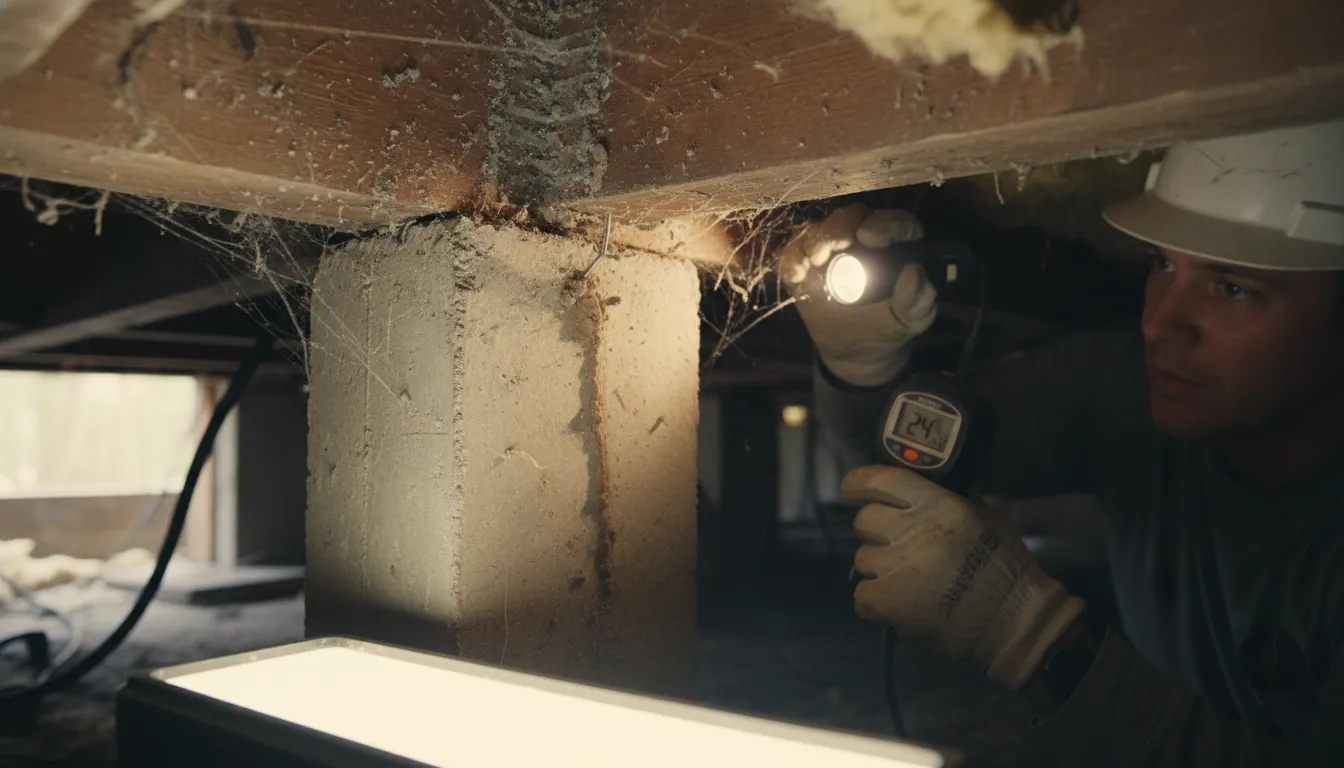
- Use of Specialized Tools: In addition to a flashlight and probing tool, inspectors may use moisture meters to detect damp wood (a termite magnet) and, in some cases, infrared cameras to identify temperature differences that could indicate hidden moisture or activity within walls 4 5.
- Reporting: After the assessment, you should receive a detailed written report. For real estate transactions, this is often a formal NPMA-33 Wood-Destroying Insect Inspection Report. It will outline findings, note any evidence of active or past infestation, identify conducive conditions, and provide recommendations for treatment or prevention 6.
Find the perfect termite inspection companies for your needs
Get personalized recommendations and expert advice
Termite Inspection Costs in Madison
Understanding the investment for a termite inspection helps in planning. In Madison, the typical cost for a standard residential termite inspection ranges from $75 to $1507 8. This is a relatively small fee compared to the cost of repairing structural damage.
Several factors influence the final price:
- Home Size and Layout: Larger homes or those with complex designs (multiple stories, many additions) take longer to inspect thoroughly.
- Accessibility: Difficult-to-reach crawl spaces or cluttered attics can increase inspection time and cost.
- Purpose of Inspection: A basic annual check may be on the lower end, while a more comprehensive inspection for a real estate transaction might be higher.
It's important to view the inspection cost separately from treatment costs. If the inspection reveals an active infestation, treatment is a separate and more significant investment. Common treatments like trenching and applying a liquid termiticide barrier can average around $600 or more, depending on the home's linear footage and the severity of the problem 9 10 11. Some inspectors may offer a discount on the inspection fee if you proceed with their treatment plan.
Why Regular Inspections Are Non-Negotiable
Many homeowners only think about termites during a real estate transaction, but proactive, annual inspections are the cornerstone of effective termite management. Early detection is the single most important factor in minimizing damage and controlling treatment costs. An annual check-up allows a professional to catch early signs-like the beginnings of mud tubes or a small area of damaged wood-before the colony expands and causes major structural harm.
Furthermore, Wisconsin homes are not immune. Eastern Subterranean Termites are active throughout the state, and Madison's older housing stock can be particularly vulnerable. An inspection is not just about finding bugs; it's a preventative health check for the wooden skeleton of your home, identifying and recommending fixes for moisture issues and other risk factors before they attract pests 12 13.
Preparing for Your Termite Inspection
To ensure your inspection is as efficient and thorough as possible, you can take a few simple steps:
- Clear Access: Move boxes, stored items, and furniture away from basement walls, crawl space entrances, and attic accesses.
- Trim Landscaping: Cut back shrubs, vines, or tree branches that are touching the house.
- Move Mulch: Rake back mulch so there is a gap of several inches between the mulch and your home's foundation.
- Note Concerns: Point out any areas where you've seen insects, moisture, or suspected damage.
Frequently asked questions
Sources
Footnotes
-
Complete Guide to Termite Inspection for Home Purchase - https://bettertermite.com/termite-inspection-for-home-purchase/ ↩
-
Termite Inspection Checklist: A Comprehensive Guide for ... - https://www.unitedtermitecontrol.net/termite-inspection-checklist-a-comprehensive-guide-for-homeowners/ ↩
-
What Does a Termite Inspector Look For? | Orkin - https://www.orkin.com/pests/termites/what-a-termite-inspector-does ↩
-
Termite Inspections | Residential Pest Control | Terminix Wil-Kil - https://www.wil-kil.com/residential-pest-control/wood-destroying-insect-inspection/ ↩
-
5 Things Exterminators Check During Termite Inspections - https://home.howstuffworks.com/home-improvement/household-hints-tips/insect-control/5-things-exterminators-check-during-termite-inspections.htm ↩
-
The Truth About Your Termite Inspection Milwaukee Report - https://nexuspestsolutions.com/the-truth-about-your-termite-inspection-milwaukee-report/ ↩
-
Wisconsin Termite Inspections - https://npiweb.com/oezer/services/termite-inspections/ ↩
-
How Much Does a Termite Inspection Cost? - https://patriotinspect.com/how-much-does-a-termite-inspection-cost/ ↩
-
How Much Does a Termite Inspection Cost? [2026 Data] - Angie's List - https://www.angi.com/articles/how-much-does-termite-inspection-cost.htm ↩
-
How Much Does Termite Inspection and Treatment Cost? - https://www.elocal.com/resources/home-improvement/pest-control/cost-guide/termite-inspection-treatment/ ↩
-
Termite Inspection: How It's Done, Cost, and More for Central & ... - https://www.naturalgreenlawnandpest.com/learning-center/blog/2020/september/termite-inspection-how-it-s-done-cost-and-more-f/ ↩
-
Buying A Home? | Termite Inspection Milwaukee Guide | Nexus - https://nexuspestsolutions.com/should-i-get-a-termite-inspection-when-buying-a-home-termite-inspection-milwaukee-guide/ ↩
-
Termite Inspections: What to Expect and How to Prepare - https://www.actionpestcontrol.com/2025/01/15/termite-inspections-what-to-expect-and-how-to-prepare/ ↩