Find the Best Termite Inspection Companies for Your Business
No obligation • Fast responses • Nationwide coverage

Why you can trust Pest Crews
Pest Crews is a leading U.S. resource for finding and evaluating residential and commercial pest control services. Our team researches providers, reviews treatment approaches, and organizes unbiased information to help you make informed decisions. Companies cannot pay to change our editorial content or influence how they appear.
Search providers near you
Top Termite Inspection Companies in Racine, Wisconsin Ranked
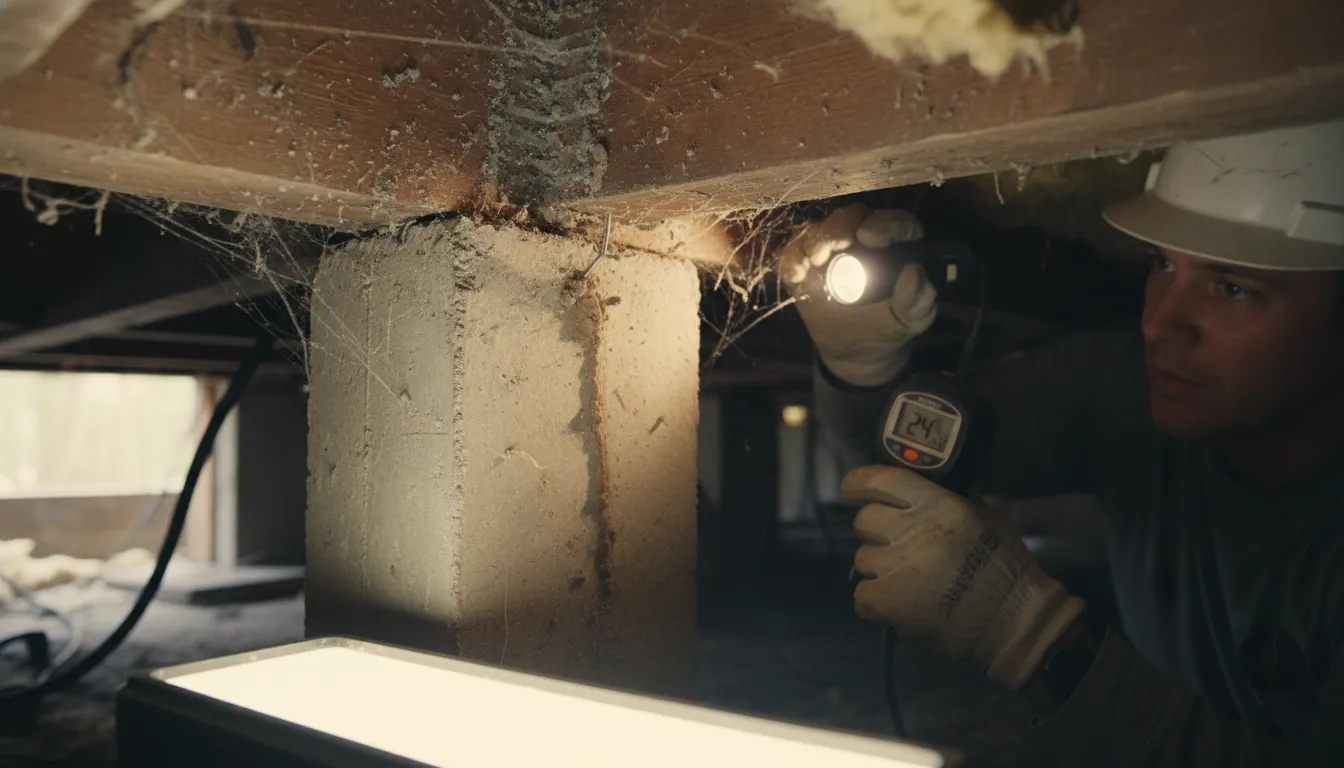
A termite inspection is a specialized assessment of your property to detect the presence or risk of wood-destroying insects, primarily subterranean termites. This evaluation is a critical step in protecting your home from costly structural damage, as termites can work silently for years. In Racine, understanding the local risk factors and knowing what a professional looks for empowers you to make informed decisions about your property's health and value. This guide will help you understand the process, signs, and importance of connecting with qualified local specialists for this essential service.
Homesight Inc Inspection Service
3216 S 92nd St #204, Milwaukee, WI 53227
Homesight Inc Inspection Service is a home inspection company based in Milwaukee, WI, serving southeastern Wisconsin including Ozaukee, Racine, Kenosha, Waukesha, Washington, Dodge, Jefferson, and Walworth counties. They provide comprehensive home inspections, including termite and wood-destroying organism inspections, radon and asbestos testing, and mold sampling. Established in 1997, Homesight Inc has completed over 12,000 inspections and offers next-day report delivery along with a full package of warranties and guarantees. Their office staff is available 24/7 to assist with scheduling and questions.
JPR HOME INSPECTIONS LLC
9436 W Loomis Rd UNIT 8, Franklin, WI 53132
JPR HOME INSPECTIONS LLC provides a range of home and commercial inspection services in Milwaukee, WI. Their offerings include termite inspections, radon and mold testing, pre-purchase and new construction inspections, and pool/spa inspections. They serve the Greater Milwaukee area and surrounding communities such as Waukesha, Sheboygan, Muskego, New Berlin, Wauwatosa, and Lake Geneva. The company delivers detailed inspection reports with photos to help clients make informed decisions when buying or selling properties.
Greenix Pest Control
304 Travis Ln # 23, Waukesha, WI 53189
Greenix Pest Control provides comprehensive pest management services in Milwaukee, WI. They address over 50 common household pests including ants, bed bugs, rodents, termites, mosquitoes, wasps, and cockroaches. Their approach includes a detailed 20-point inspection and a multi-step treatment process that targets pests both inside and outside the home. Greenix also offers specialized plans for rodent control, termite prevention, and mosquito reduction. The company emphasizes eco-friendly and science-based methods to ensure effective pest elimination and long-term prevention. Greenix Pest Control operates from Waukesha, WI, serving the Milwaukee area with tailored pest control solutions.
Greenix Pest Control
756 N 35th St suite 103, Milwaukee, WI 53208
Greenix Pest Control offers comprehensive pest management services in Milwaukee, WI. They provide tailored plans to address over 50 common household pests including ants, wasps, cockroaches, rodents, termites, mosquitoes, and bed bugs. Their approach includes a detailed 20-point inspection and targeted treatments such as exterior perimeter sprays and interior protection to create effective pest barriers. Greenix also specializes in rodent control and bed bug treatments, ensuring thorough elimination of infestations. Serving the greater Milwaukee area, Greenix emphasizes eco-friendly and science-based methods to protect homes throughout the year.

EcoShield Pest Solutions
16540 W Rogers Dr, New Berlin, WI 53151
EcoShield Pest Solutions is a pest control company based in Milwaukee, WI, offering services for a wide range of pests including ants, termites, mosquitoes, bed bugs, carpenter bees, mice, roaches, wasps, spiders, and ticks. They provide both residential and commercial pest control solutions with a focus on environmentally friendly and effective treatments. Their capabilities include termite inspections and treatments, mosquito control, bed bug elimination, and removal of stinging insect nests. EcoShield uses professional products and application methods that are safe for people and pets.
Why Termite Inspections Are Essential in Racine
While Wisconsin may not have the year-round termite pressure of southern states, the threat from subterranean termites is very real in Racine and southeastern Wisconsin. These insects are drawn to moisture, and issues common in our region-such as damp basements, seasonal flooding near Lake Michigan, and older home foundations-can create ideal conditions for an infestation. A professional termite inspection is your first and best defense, designed to uncover hidden activity before it escalates into major structural repairs. For homeowners, buyers, and sellers, this inspection provides peace of mind and is often a required part of a real estate transaction, resulting in a formal Wood-Destroying Insect (WDI) report.
What Inspectors Look For: Key Signs of Termites
A trained inspector knows exactly where to look for evidence of termite activity and conducive conditions. Here are the primary signs they investigate during a termite check or WDI inspection:
- Mud Tubes: These are the most telltale sign of subterranean termites. Inspectors look for pencil-sized, earthen tunnels running up foundation walls, piers, sill plates, or through crawl spaces. These tubes provide moisture and protection as termites travel from their soil colony to the wood in your home.
- Damaged Wood: Wood that sounds hollow when tapped or shows visible tunneling (galleries) is a major red flag. Inspectors will probe accessible wood members, such as floor joists, beams, and window frames, for this soft, damaged texture.
- Excess Moisture: Since termites require moisture, inspectors identify conditions that attract them. This includes leaky pipes, poor gutter drainage, wood-to-soil contact (like siding or deck posts touching the ground), and condensation issues 1.
- Discarded Wings: During swarming seasons (often spring), reproductive termites shed their wings. Finding small, pale piles of wings near windowsills, doors, or in spider webs is a sign a swarm has entered the structure 2.
- Frass: This term refers to drywood termite droppings, which resemble tiny, hard pellets or sawdust. While drywood termites are less common in Wisconsin, their presence is possible, and inspectors will note any frass found.
- Secondary Evidence: Blistering or peeling paint, sagging floors, and doors/windows that stick can sometimes indicate hidden moisture and termite damage behind walls or under floors 3.
The Professional Inspection Process: Step-by-Step
A thorough termite evaluation in Racine is a systematic process conducted by a licensed professional.
- Pre-Inspection Review: The inspector will often start by discussing your property's history, age, and any concerns you've noticed. This helps them target their examination.
- Exterior Inspection: The inspector meticulously examines the home's exterior perimeter. This includes checking the foundation for cracks and mud tubes, assessing grading and drainage, inspecting siding, window frames, and any wood-to-soil contact points like decks or porches 4.
- Interior & Structural Inspection: Inside, the focus shifts to vulnerable areas. The inspector will examine basements, crawl spaces, attics, garages, and around plumbing penetrations. They will look at exposed wooden structural elements, such as floor joists, support posts, and sill plates 5.
- Use of Diagnostic Tools: Beyond a visual check, inspectors often use tools like moisture meters to detect dampness within walls and wood. Some may also use infrared cameras to identify temperature differences that can point to moisture pockets or hidden insect activity 6 7.
- Reporting & Recommendations: After the assessment, you will receive a detailed WDI report. This document outlines all findings, notes any evidence of active or past infestation, identifies conducive conditions, and provides clear recommendations for treatment (if needed) and preventive measures.
Find the perfect termite inspection companies for your needs
Get personalized recommendations and expert advice
Understanding Inspection Costs in Racine
The cost for a termite inspection in Racine is typically straightforward. Most standard inspections for an average-sized single-family home range from $75 to $1508 9. Several factors can influence this price:
- Home Size and Complexity: Larger homes, those with multiple crawl spaces, or properties with extensive additions simply take more time to inspect thoroughly.
- Accessibility: Difficult-to-access crawl spaces or attics may require more effort.
- Service Bundling: Often, a termite inspection is bundled with a general home inspection, which can affect the total fee 10 11. It's important to view this cost as an investment in your property's longevity. The price of an inspection is minimal compared to the expense of repairing extensive termite damage.
Termite Types: Know Your Enemy in Wisconsin
While inspectors are trained to identify all types, understanding the main culprits helps you grasp the inspection focus.
- Subterranean Termites: This is the primary species of concern in Racine. They live in colonies in the soil and build the characteristic mud tubes to access food sources (the wood in your home) while maintaining a connection to moisture 12 13. Their activity is often hidden within walls or structural wood.
- Drywood Termites: Less common in our climate, these termites infest dry wood and do not require contact with soil. They are sometimes transported into an area within infested furniture or wood items. Signs include the pellet-like frass they push out of their galleries 14.
Prevention: Partnering with Your Inspector's Findings
A good inspection doesn't end with a report; it provides a roadmap for prevention. Key actions you can take based on common recommendations include:
- Eliminate Moisture: Fix leaky faucets, pipes, and AC units. Ensure downspouts direct water at least 3-5 feet away from the foundation.
- Remove Wood-to-Soil Contact: Keep mulch, soil, and wood debris from touching your home's siding or structural wood. Maintain a clear gap between soil and any wooden elements.
- Store Firewood Properly: Keep firewood, lumber, and paper products elevated and stored away from your home's exterior.
- Seal Entry Points: Fill cracks in the foundation and around utility lines where termites could potentially enter. By addressing these issues, you actively reduce the risk factors that make your property a target, turning inspection insights into long-term protection.
Frequently asked questions
Sources
Footnotes
-
Termite Inspections: Identifying And Preventing Costly Damage - https://maxhomeinspections.com/blog/termite-inspection/termite-inspections-costly-damage/ ↩
-
Termite Inspections in Racine, Kenosha, Milwaukee, and Waukesha - https://www.dairylandhomeinspection.com/blog/termite-inspection-racine-milwaukee-kenosha ↩
-
What Happens During a Termite Inspection - Terminix - https://www.terminix.com/termite-control/inspection/ ↩
-
Termite Infestations: What Termite Inspectors Look For - https://www.callnorthwest.com/2024/12/termite-infestations-what-termite-inspectors-look-for/ ↩
-
Termite Inspections | Residential Pest Control | Terminix Wil-Kil - https://www.wil-kil.com/residential-pest-control/wood-destroying-insect-inspection/ ↩
-
Wisconsin Termite Inspections - https://npiweb.com/oezer/services/termite-inspections/ ↩
-
Termite inspection: How it works - Western Exterminator - https://www.westernexterminator.com/termite-control/termite-inspection ↩
-
How Much Does a Termite Inspection Cost? [2026 Data] - Angie's List - https://www.angi.com/articles/how-much-does-termite-inspection-cost.htm ↩
-
How Much Does Termite Inspection and Treatment Cost? - https://www.elocal.com/resources/home-improvement/pest-control/cost-guide/termite-inspection-treatment/ ↩
-
Termite Inspections for Homebuyers: Requirements & Costs | Freedom Mortgage - https://www.freedommortgage.com/learning-center/articles/termite-inspection-home-purchase ↩
-
What You Need to Know About Termite Inspections - AmeriSpec - https://www.amerispec.com/blog/what-you-need-know-about-termite-inspections ↩
-
The Truth About Your Termite Inspection Milwaukee Report - https://nexuspestsolutions.com/the-truth-about-your-termite-inspection-milwaukee-report/ ↩
-
Atlanta Commercial Termite Treatment: Essential Facilities Maintenance Guide - myshyft.com - https://www.myshyft.com/blog/commercial-termite-treatment-atlanta-georgia/ ↩
-
Termite Inspections - https://cpipros.com/termite-inspections/ ↩