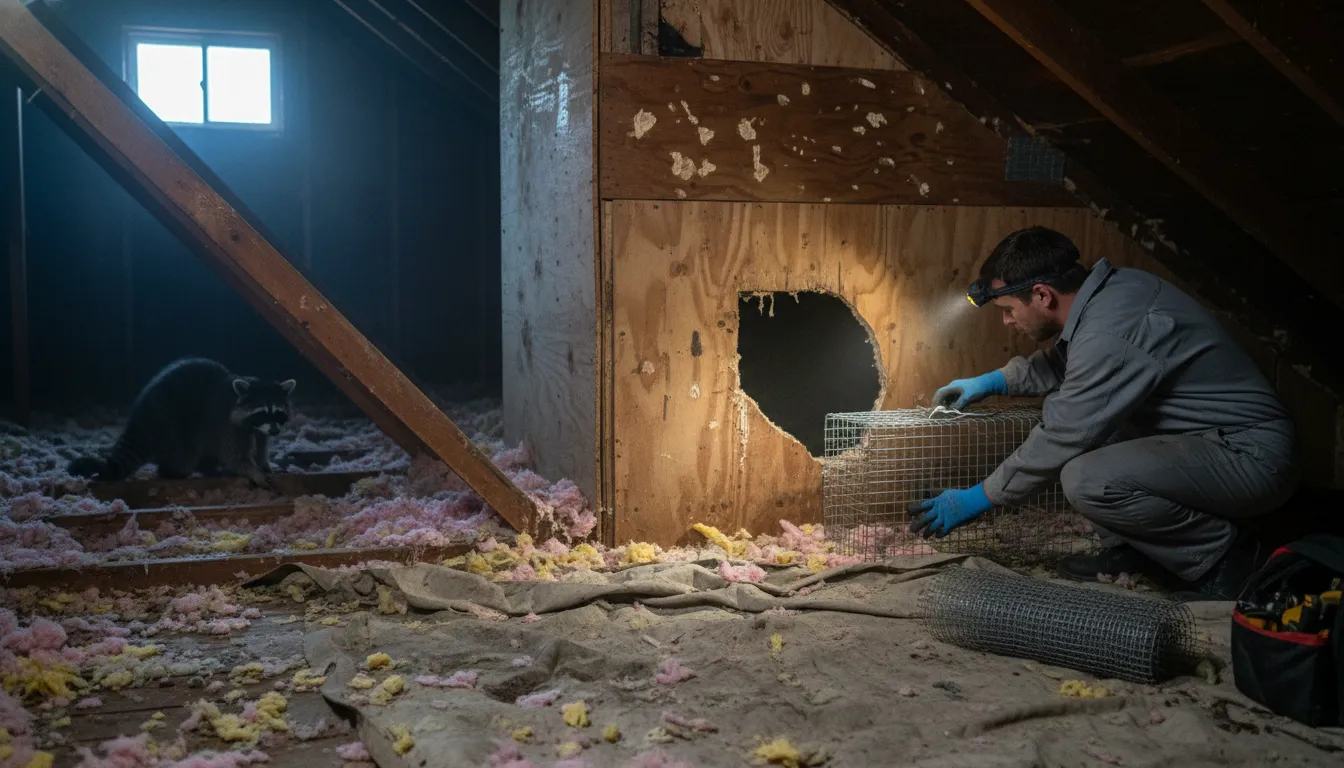
Find the Best Wildlife Removal Companies for Your Business
No obligation • Fast responses • Nationwide coverage

Why you can trust Pest Crews
Pest Crews is a leading U.S. resource for finding and evaluating residential and commercial pest control services. Our team researches providers, reviews treatment approaches, and organizes unbiased information to help you make informed decisions. Companies cannot pay to change our editorial content or influence how they appear.
Search providers near you
Top Wildlife Removal Companies in Dunwoody, Georgia Ranked
Discovering an uninvited animal in your attic, crawlspace, or yard can be unsettling and potentially hazardous. Wildlife removal is the professional service dedicated to safely and legally resolving conflicts with nuisance animals, protecting your property and family. In Dunwoody, this process is governed by specific Georgia regulations, making it essential to understand when you can handle a situation yourself and when to call in a licensed expert. This guide will help you identify common local wildlife issues, navigate the legal landscape, and find qualified professionals for humane animal control and exclusion.
Arrow Exterminators
5591 Chamblee Dunwoody Rd Bldg 1300, Ste 20, Dunwoody, GA 30338
Arrow Exterminators is a pest control company serving Atlanta, GA, specializing in the management of various pests including ants, termites, mosquitoes, rodents, and wildlife. They provide inspection and removal services for stinging insects like wasps and hornets, as well as control for fleas, ticks, and fire ants. Their expertise includes handling subterranean termite colonies and addressing rodent infestations that pose health and structural risks. The company also manages wildlife intrusions from animals such as squirrels and raccoons, which can cause damage and contamination in homes.
EcoShield Pest Solutions
3916 Tradeport Blvd #1003, Atlanta, GA 30354
EcoShield Pest Solutions is a pest control company based in Atlanta, GA, offering a wide range of services including bed bug treatment, cockroach and ant control, rodent and wildlife exclusion, termite inspection and prevention, and mosquito control. They provide specialized services such as attic and crawl space insulation to help keep pests out while improving energy efficiency. EcoShield emphasizes environmentally conscious pest management using EPA-regulated materials applied by state-licensed technicians. The company serves both residential and commercial clients and supports community initiatives like hunger relief. Their service coverage extends beyond Atlanta to multiple states across the U.S.
Procare Pest Services
585 Old Norcross Rd Suite J, Lawrenceville, GA 30046
Procare Pest Services is a pest control company serving the Greater Atlanta area, including Atlanta, GA. Since 2014, they have provided residential and commercial pest control solutions, including termite inspections, mosquito control, and wildlife removal. Procare offers eco-friendly pest treatments and customized plans to address various pest issues. Their services focus on protecting homes and businesses with effective treatments developed to meet individual needs.
Nextgen Pest Solutions
56 Perimeter Center E Suite 150, Dunwoody, GA 30346
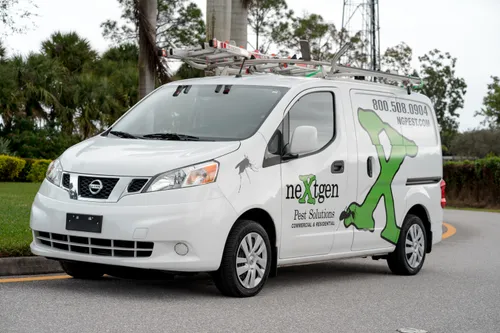
Nextgen Pest Solutions is a veteran-led pest control and wildlife removal company serving the Atlanta, GA area. They provide comprehensive pest management services for both residential and commercial properties, including ant, bed bug, termite, mosquito, rodent, and bird control. Their approach uses eco-conscious methods tailored to local conditions, emphasizing inspection, prevention, and minimal product use. Nextgen Pest Solutions is QualityPro-accredited and offers 24-hour emergency support to address urgent pest issues. Their wildlife removal services include humane capture and relocation of animals such as raccoons, snakes, and squirrels.
Green Queen
2375 John Glenn Dr, Chamblee, GA 30341
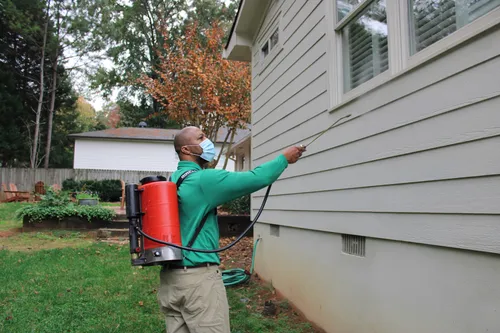
Green Queen provides organic pest control services in Atlanta, GA, focusing on eco-friendly solutions for common pests such as mosquitoes, ants, bed bugs, cockroaches, termites, rodents, and wildlife. They use natural, non-toxic products that are safe for children and pets while effectively managing pest populations. Their services also include organic turf and lawn care to promote healthy growth without harmful chemicals. Green Queen serves a wide range of neighborhoods and suburbs in the Atlanta area, offering environmentally responsible pest management options. Their termite treatments use organic products to protect homes without relying on traditional chemicals.
Common Nuisance Wildlife in Dunwoody
Dunwoody's mix of wooded areas and suburban neighborhoods creates ideal habitats for a variety of wildlife. Knowing which species are most likely to cause problems is the first step in addressing an issue.
- Mammals: The most frequent culprits include raccoons, squirrels (both gray and flying), rats, mice, bats, skunks, opossums, and armadillos. Larger predators like coyotes are also present in the area.
- Reptiles: While many snakes are beneficial, encounters with venomous species like copperheads or timber rattlesnakes require immediate professional attention 1.
- Birds: Species such as starlings, English sparrows, and pigeons are common and can nest in vents or attics, often requiring specific permits for removal 2.
These animals typically seek shelter, food, and nesting sites. An unsecured trash can, a gap in your roofline, or a pile of yard debris can be an open invitation for them to move in.
Georgia Laws and Regulations: What You Need to Know
One of the most critical aspects of wildlife control in Georgia is understanding the legal framework. The Georgia Department of Natural Resources (DNR) strictly regulates the trapping, handling, and relocation of most native wildlife.
Key Regulations for Homeowners:
- DIY Trapping (Limited): You can trap certain species on your own property without a permit. These include rats, mice, coyotes, armadillos, groundhogs, beavers, and nutria.
- Permits Are Generally Required: For almost all other animals-including raccoons, squirrels, bats, opossums, skunks, and most birds-you must obtain a Nuisance Wildlife Control Permit from the DNR or hire a licensed professional who already holds one. This also applies to most native snakes.
- Prohibited Methods: The use of poisons (rodenticides have strict guidelines), snares (except for beavers in water), and the relocation of rabies vector species (raccoons, skunks, bats) is heavily restricted or prohibited.
- Verbal Authorization: In some urgent cases, you may receive temporary verbal authorization from the DNR for a specific action while a formal permit is processed 3.
The overarching rule is to always check current rules with the Georgia DNR before taking action. Hiring a licensed wildlife control operator is often the simplest way to ensure compliance with these complex laws.
Prevention: Your First Line of Defense
The most effective and cost-efficient form of wildlife management is preventing animals from becoming a problem in the first place. The Georgia DNR and extension services emphasize habitat modification as the cornerstone of conflict prevention 4 5.
Essential Prevention Steps:
- Remove Food Sources: Secure trash cans with locking lids, do not leave pet food outdoors overnight, and clean up fallen bird seed from feeders.
- Eliminate Shelter: Seal potential entry points into your home. Inspect your roofline, vents, soffits, and foundation for gaps. Use high-quality materials like hardware cloth or steel wool, as rodents can chew through weaker seals.
- Maintain Your Yard: Keep brush, leaf piles, and woodpiles away from your home's foundation. Trim tree branches that overhang your roof to limit access for squirrels and raccoons.
By making your property less attractive, you significantly reduce the likelihood of an infestation.
When to Call a Professional vs. Animal Control
It's important to distinguish between two types of services: licensed wildlife removal professionals and municipal animal control.
- Call Animal Control: For immediate public safety threats. This includes an aggressive animal, an animal suspected of having rabies, or a situation where an animal is an imminent threat to human life or property and you do not have a permit to handle it.
- Hire a Professional Wildlife Control Operator: For persistent or complex issues. This is the best course of action for animals living in your attic or walls (like raccoons, squirrels, or bats), situations requiring structural repairs, or when extensive exclusion work (sealing the home) is needed. These professionals are licensed, insured, and understand the specific regulations for humane trapping and exclusion 6 7.
Find the perfect wildlife removal companies for your needs
Get personalized recommendations and expert advice
The Professional Wildlife Removal Process
When you hire a qualified expert, they typically follow a comprehensive process to ensure the problem is solved for good.
- Inspection: A thorough assessment of your property to identify the species, entry points, and extent of the infestation.
- Humane Removal: Using legal, species-appropriate methods to remove the animals. This may involve one-way exclusion doors, live traps, or other techniques.
- Cleanup and Sanitation: Animal droppings and nesting materials can pose health risks. Professionals will clean and disinfect affected areas, such as attics or crawlspaces.
- Exclusion and Repair: This is the most critical step for preventing a recurrence. All identified entry points are permanently sealed with durable materials.
- Follow-up: Many reputable companies offer a warranty period to ensure the exclusion holds and the animals do not return.
Understanding Costs for Wildlife Control
The cost of wildlife removal in Dunwoody varies significantly based on the species, the extent of the infestation, and the necessary repairs. Here is a general overview of potential price ranges based on local service data 8 9 10:
- Rodent Control (Rats/Mice): $200 - $400, often including initial trapping and basic exclusion work.
- Snake Removal: $150 - $300+, with venomous snake removal typically costing more due to the specialized skill and risk involved.
- Squirrel or Raccoon Removal from an Attic: $400 - $1,000+. This higher cost reflects the complexity of removal, the necessary exclusion work on the roof or siding, and often includes attic cleanup.
- Exclusion/Sealing Services: Adding comprehensive exclusion to a removal job can increase the cost by $200 - $500 or more, depending on the size of the home and number of entry points.
Always get detailed, written estimates that break down the costs for removal, cleanup, and exclusion.
Choosing the Right Wildlife Removal Service
Selecting a qualified professional is crucial. Look for a company that is:
- Licensed and Insured: They should hold a valid Nuisance Wildlife Control Permit from the Georgia DNR and carry liability insurance.
- Knowledgeable on Local Laws: They should clearly explain the regulations pertaining to your specific wildlife issue.
- Focused on Humane Methods and Exclusion: The service should emphasize permanent prevention through repair, not just temporary trapping.
- Transparent with Pricing: They should provide a clear, written estimate before any work begins.
Taking the time to find a reputable provider ensures the job is done legally, safely, and effectively, giving you peace of mind.
Frequently asked questions
Sources
Footnotes
-
Wildlife Regulations & the Georgia Teacher | Department Of Natural ... - https://georgiawildlife.com/wildlife-and-the-classroom ↩
-
Non-Native & Invasive Species - Georgia Wildlife Resources Division - https://georgiawildlife.com/non-native-and-invasive-species-info ↩
-
Nuisance Wildlife Control Permit for Government Agencies - https://gadnrle.org/sites/default/files/le/pdf/Special-Permits/Agency-%20Nuisance%20Wildlife%20Control%20Application%20Packet.pdf ↩
-
Preventing Wildlife Conflicts | Department Of Natural Resources Division - https://georgiawildlife.com/preventing-wildlife-conflicts ↩
-
Resolving Human-Nuisance Wildlife Conflicts - UGA - https://site.extension.uga.edu/colquittag/files/2025/05/B-1248_6.pdf ↩
-
Nuisance Wildlife Control Indiviual Application with Study ... - https://gadnrle.org/sites/default/files/le/pdf/Special-Permits/Nuisance%20Wildlife%20Control%20Indiviual%20Application%20with%20Study%20material%20guidence.pdf ↩
-
WILDLIFE CONTROL PERMITS Code Section O.C.G.A. 27-2-31 ... - https://georgiawildlife.com/sites/default/files/wrd/pdf/WildlifeControlPermitWebInfo.pdf ↩
-
Wildlife Removal in Dunwoody - Critter Control - https://www.crittercontrol.com/office-finder/georgia/roswell/dunwoody/ ↩
-
Prices for Dunwoody Wildlife Pest Control Animal Trapping - http://www.aaanimalcontrol.com/PROFESSIONAL-TRAPPER/prices/GA-Dunwoody-prices.htm ↩
-
Dunwoody Wildlife Removal | Smart Solutions - https://ratcontrolatlanta.com/service-area/dunwoody/ ↩