Find the Best Wildlife Removal Companies for Your Business
No obligation • Fast responses • Nationwide coverage

Why you can trust Pest Crews
Pest Crews is a leading U.S. resource for finding and evaluating residential and commercial pest control services. Our team researches providers, reviews treatment approaches, and organizes unbiased information to help you make informed decisions. Companies cannot pay to change our editorial content or influence how they appear.
Search providers near you
Top Wildlife Removal Companies in South Fulton, Georgia Ranked
When raccoons rummage through your trash or squirrels take up residence in your attic, it's more than a nuisance-it's a problem that can threaten your property and peace of mind. Wildlife removal is the specialized service of safely and legally addressing conflicts with wild animals that have encroached on human spaces. In South Fulton, managing these encounters is crucial due to the area's mix of suburban neighborhoods and natural habitats, which attract a variety of species. This guide will help you understand your options, from do-it-yourself prevention to knowing when to call a professional, so you can effectively resolve wildlife issues and protect your home.
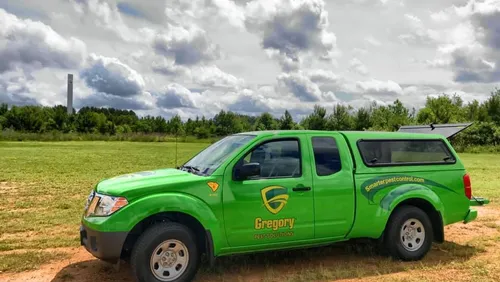
EcoShield Pest Solutions
3916 Tradeport Blvd #1003, Atlanta, GA 30354
EcoShield Pest Solutions is a pest control company based in Atlanta, GA, offering a wide range of services including bed bug treatment, cockroach and ant control, rodent and wildlife exclusion, termite inspection and prevention, and mosquito control. They provide specialized services such as attic and crawl space insulation to help keep pests out while improving energy efficiency. EcoShield emphasizes environmentally conscious pest management using EPA-regulated materials applied by state-licensed technicians. The company serves both residential and commercial clients and supports community initiatives like hunger relief. Their service coverage extends beyond Atlanta to multiple states across the U.S.
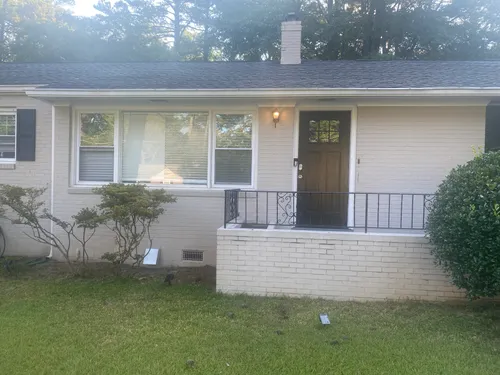
Monitor Pest Control
Atlanta, GA
Monitor Pest Control is a pest management company serving Atlanta, GA, and the greater Atlanta area. Since 2014, they have provided residential and commercial pest control services, including cockroach, ant, rodent, termite, mosquito, bird, and wildlife removal. Their licensed technicians offer thorough inspections, customized treatment plans, and ongoing maintenance to address current infestations and prevent future problems. The company emphasizes environmentally responsible methods and integrates pest management strategies tailored to Atlanta's unique pest challenges. Owner Dan Rustin brings over 30 years of industry experience, ensuring knowledgeable and detailed service.
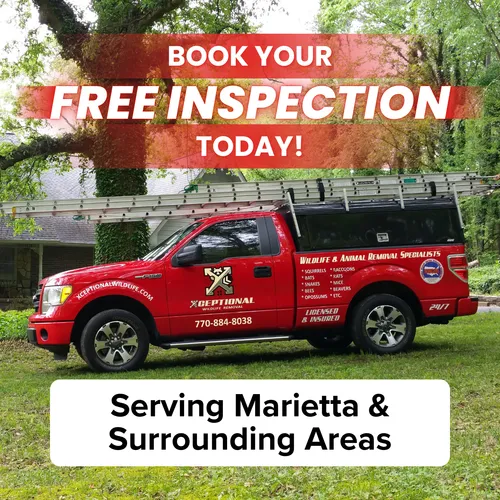
Xceptional Wildlife Removal
1190 Kennestone Cir, Marietta, GA 30066
Xceptional Wildlife Removal is a pest and wildlife removal company serving Atlanta, GA. Since 1986, they have provided thorough inspections and targeted treatment plans for both residential and commercial properties. Their services include pest control attic insulation and crawl space moisture control, designed with local environmental factors in mind to manage and prevent pest activity effectively.
Northwest Exterminating - East Cobb
670 Powers Ferry Rd, Marietta, GA 30067
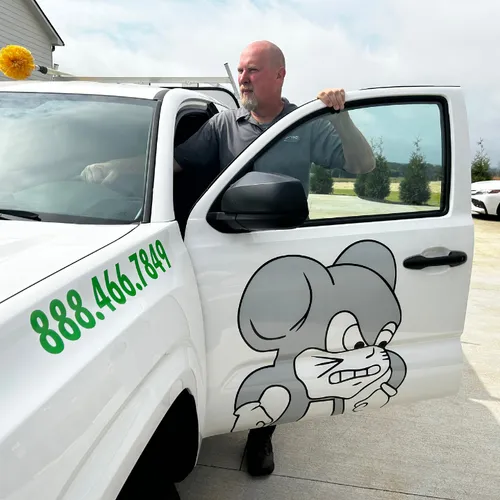
Northwest Exterminating - East Cobb provides pest control and wildlife removal services in Atlanta, GA. They offer comprehensive protection for homes and businesses in the East Cobb and Marietta areas, including treatments for ants, roaches, rodents, termites, mosquitoes, and wildlife nuisances. Their services include termite protection with Sentricon®, mosquito reduction using In2Care Mosquito Traps, and wildlife exclusion and removal. The company also offers energy-saving attic insulation and crawlspace solutions that contribute to home health and safety. Northwest Exterminating emphasizes green pest control options and bundled service plans for ongoing property protection.
Northwest Exterminating - Marietta
1004 Kenmill Dr NW, Marietta, GA 30060
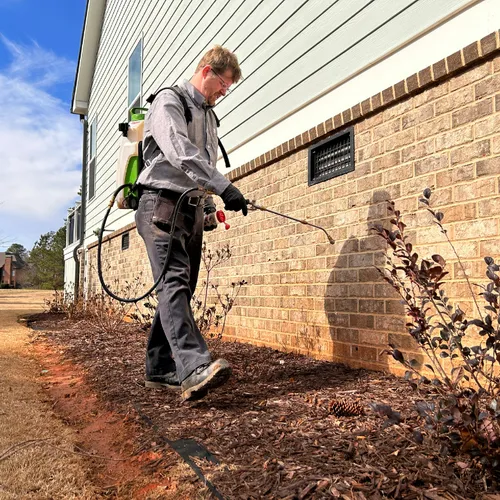
Northwest Exterminating - Marietta provides comprehensive pest and wildlife control services in Atlanta, GA, including termite inspections, mosquito reduction, rodent removal, and bed bug treatments. They use family- and pet-friendly solutions and offer specialized capabilities such as Sentricon® termite protection and the In2Care Mosquito Trap. Their services cover common household pests and wildlife nuisances in Marietta and nearby communities. Northwest Exterminating also offers energy-saving attic insulation and crawlspace solutions to improve home health. The company serves multiple states in the Southeast and provides bundled green pest control options for added convenience.
Common Nuisance Wildlife in South Fulton
South Fulton's environment supports a diverse array of wildlife, and while many species are a natural part of the ecosystem, they can become problematic when they enter homes and yards. Knowing which animals you might encounter is the first step in managing them.
- Rodents: This group includes rats and mice, which are common invaders seeking food and shelter, as well as squirrels, which often nest in attics and can cause significant damage by chewing wires and insulation.
- Medium-Sized Mammals: Raccoons and opossums are frequent visitors, drawn to accessible garbage and pet food. Armadillos and groundhogs (woodchucks) can damage lawns and gardens through their digging and burrowing habits.
- Larger Wildlife: Coyotes are increasingly common in the area and are considered exempt from many wildlife protection laws due to their status. Beavers can cause flooding issues if they dam local waterways, and nutria, a large invasive rodent, can damage wetland ecosystems.
- Rabies Vector Species (RVS): It's particularly important to exercise caution around animals classified as Rabies Vector Species in Georgia. This group includes raccoons, skunks, foxes, coyotes, and bobcats. Any bite or scratch from an RVS to a person or pet requires immediate contact with the Georgia Department of Natural Resources (DNR) for guidance.
Understanding Georgia's Wildlife Laws and Permits
You cannot handle all wildlife situations on your own due to state and federal regulations. Understanding these rules is essential to avoid legal trouble and ensure humane treatment of animals.
- Protected Species: It is illegal to possess, harm, or relocate most native wildlife without specific permits. This is especially true for migratory birds, their nests, and eggs, which are protected under federal law. If you have an issue with a protected species, you must contact professionals for assistance.
- Homeowner Permits: Georgia does offer a pathway for homeowners to address certain problems directly. Through an Individual Nuisance Wildlife Control Permit (O.C.G.A. 27-2-31), a homeowner can be authorized to trap and release or euthanize specific animals causing property damage. Obtaining this permit typically requires passing an exam on relevant regulations and safe practices.
- Exempt Species: Some animals have fewer restrictions. Coyotes, armadillos, groundhogs, beavers, and nutria are among the species that homeowners can often manage without a special permit, though local ordinances may still apply 1 2 3.
DIY Wildlife Control and Prevention Strategies
For minor issues or as a proactive measure, many nuisance wildlife situations can be mitigated through do-it-yourself methods. The core principles are making your property less attractive and blocking access.
- Remove Attractants: This is the most effective step. Secure trash cans with locking lids or bungee cords, never leave pet food or water bowls outside overnight, and clean up fallen fruit, brush piles, and leaf litter that can provide shelter.
- Exclusion (Sealing Entry Points): Carefully inspect your home's exterior for gaps, holes, or loose vents. Use sturdy materials like hardware cloth, steel wool, or metal flashing to seal any potential entry points, especially around the roofline, foundation, and attic vents.
- Harassment Techniques: For animals that are just visiting your yard, consistent harassment can encourage them to leave. Motion-activated sprinklers, bright lights, or loud noise makers can be effective, but they must be used persistently to break the animal's habit 4.
- Trapping Considerations: Homeowners can use certain traps. Kill traps and multi-catch traps are available for rodents like rats and mice 5. If using poison baits, you must follow all label directions precisely 6. For larger animals, trapping becomes more complex and is often best left to licensed professionals who understand the legal requirements for relocation or euthanasia.
Find the perfect wildlife removal companies for your needs
Get personalized recommendations and expert advice
When to Call a Professional Wildlife Control Operator
While DIY methods work for prevention, certain situations demand expert intervention. Licensed wildlife control professionals have the training, equipment, and legal authority to handle complex or dangerous infestations safely and in compliance with all regulations.
- Rabies Vector Species (RVS) Incidents: If an RVS animal has bitten someone or a pet, or is acting strangely (a potential sign of rabies), do not approach it. Contact the Georgia DNR immediately and let professionals manage the situation 7.
- Protected Wildlife: As mentioned, issues with birds, bats, or other protected species require a professional. Organizations like the AWARE Wildlife Center (678-418-1111) or the Georgia DNR Wildlife Resources Division (1-800-241-4113) can provide guidance or refer you to licensed rehabbers or removal experts in Fulton County 8.
- Large or Dangerous Animals: Situations involving bears, large coyote packs, or animals trapped inside living spaces like walls or chimneys are hazardous and require a professional's skill to resolve without causing further damage or injury 9 10.
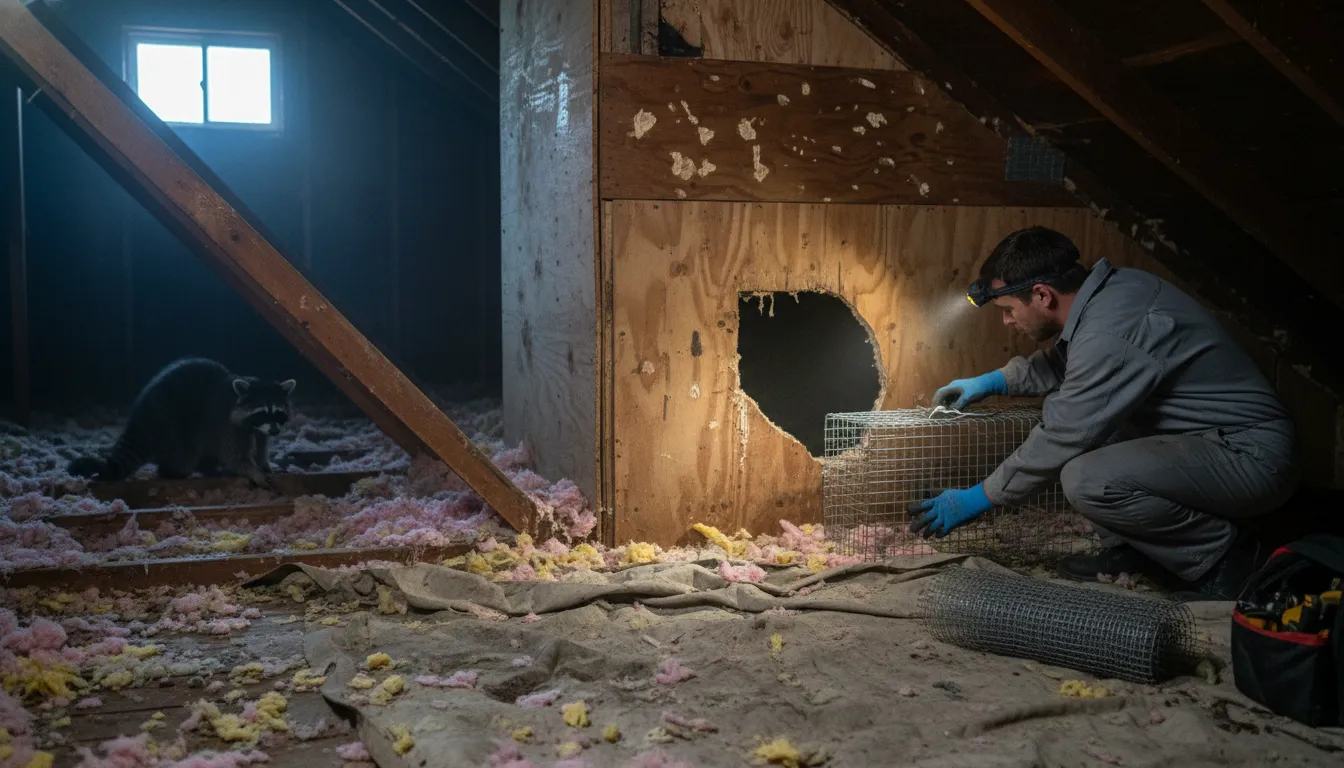
- Established Infestations: When wildlife has already established a nest or den inside your home-such as squirrels in the attic or raccoons in a chimney-professional removal and exclusion are necessary. They will not only remove the animals but also repair entry points to prevent a recurrence.
What to Expect from Professional Wildlife Removal Services
Hiring a professional brings a systematic approach to resolving your wildlife conflict. Reputable local companies in South Fulton often begin with a free inspection to assess the problem 11.
The process typically involves:
- Inspection: A thorough assessment to identify the species, entry points, and extent of the infestation.
- Removal: Using specialized traps or exclusion devices to remove the animals humanely and legally.
- Clean-up & Repair: Removing contaminated insulation or droppings and, crucially, sealing all entry points with durable materials to prevent re-entry.
- Follow-up: Some services offer warranties or follow-up visits to ensure the problem is fully resolved.
The cost for these services varies based on the animal, the severity of the infestation, and the work required. For common issues like removing squirrels or raccoons, homeowners can often expect costs to start in the range of $200 to $500, with more complex jobs like bat removal or extensive exclusion work costing significantly more 12 13 14.
Frequently asked questions
Sources
Footnotes
-
Wildlife Regulations & the Georgia Teacher | Department Of Natural ... - https://georgiawildlife.com/wildlife-and-the-classroom ↩
-
Non-Native & Invasive Species - Georgia Wildlife Resources Division - https://georgiawildlife.com/non-native-and-invasive-species-info ↩
-
Laws Related to Native Wildlife | Department Of Natural Resources ... - https://georgiawildlife.com/laws-native-wildlife ↩
-
Resolving Human-Nuisance Wildlife Conflicts - UGA - https://site.extension.uga.edu/colquittag/files/2025/05/B-1248_6.pdf ↩
-
Preventing Wildlife Conflicts | Department Of Natural Resources Division - https://georgiawildlife.com/preventing-wildlife-conflicts ↩
-
Nuisance Wildlife | Middle Georgia Gardener - UGA - https://site.extension.uga.edu/gardener/2023/10/nuisance-wildlife/ ↩
-
Nuisance Wildlife Control Permittees Government Agency - https://gadnrle.org/sites/default/files/le/pdf/Special-Permits/Agency%20Nuisance%20Wildlife%20Control%20Renewal%20%20Application.pdf ↩
-
Resolving Human-Nuisance Wildlife Conflicts - https://fieldreport.caes.uga.edu/publications/B1248/resolving-human-nuisance-wildlife-conflicts/ ↩
-
Field Services - Fulton County Animal Services - https://fultonanimalservices.com/field-services/ ↩
-
RESOLVING NUISANCE WILDLIFE ISSUES.pptx - https://sref.info/articles/RESOLVING%20NUISANCE%20WILDLIFE%20ISSUES_with%20notes.pdf ↩
-
Wildlife Control in South Fulton, GA - https://southfultonpestcontrol.com/wildlife-control/ ↩
-
WILDLIFE CONTROL PERMITS Code Section O.C.G.A. 27-2 ... - https://georgiawildlife.com/sites/default/files/wrd/pdf/WildlifeControlPermitWebInfo.pdf ↩
-
Nuisance Wildlife Control Indiviual Application with Study ... - https://gadnrle.org/sites/default/files/le/pdf/Special-Permits/Nuisance%20Wildlife%20Control%20Indiviual%20Application%20with%20Study%20material%20guidence.pdf ↩
-
SOUTH FULTON WILDLIFE CONTROL SERVICES - https://www.anotherproblemsolved.com/service-location/south-fulton ↩