Find the Best Wildlife Removal Companies for Your Business
No obligation • Fast responses • Nationwide coverage

Why you can trust Pest Crews
Pest Crews is a leading U.S. resource for finding and evaluating residential and commercial pest control services. Our team researches providers, reviews treatment approaches, and organizes unbiased information to help you make informed decisions. Companies cannot pay to change our editorial content or influence how they appear.
Search providers near you
Best Wildlife Removal Companies in Hawaii Ranked
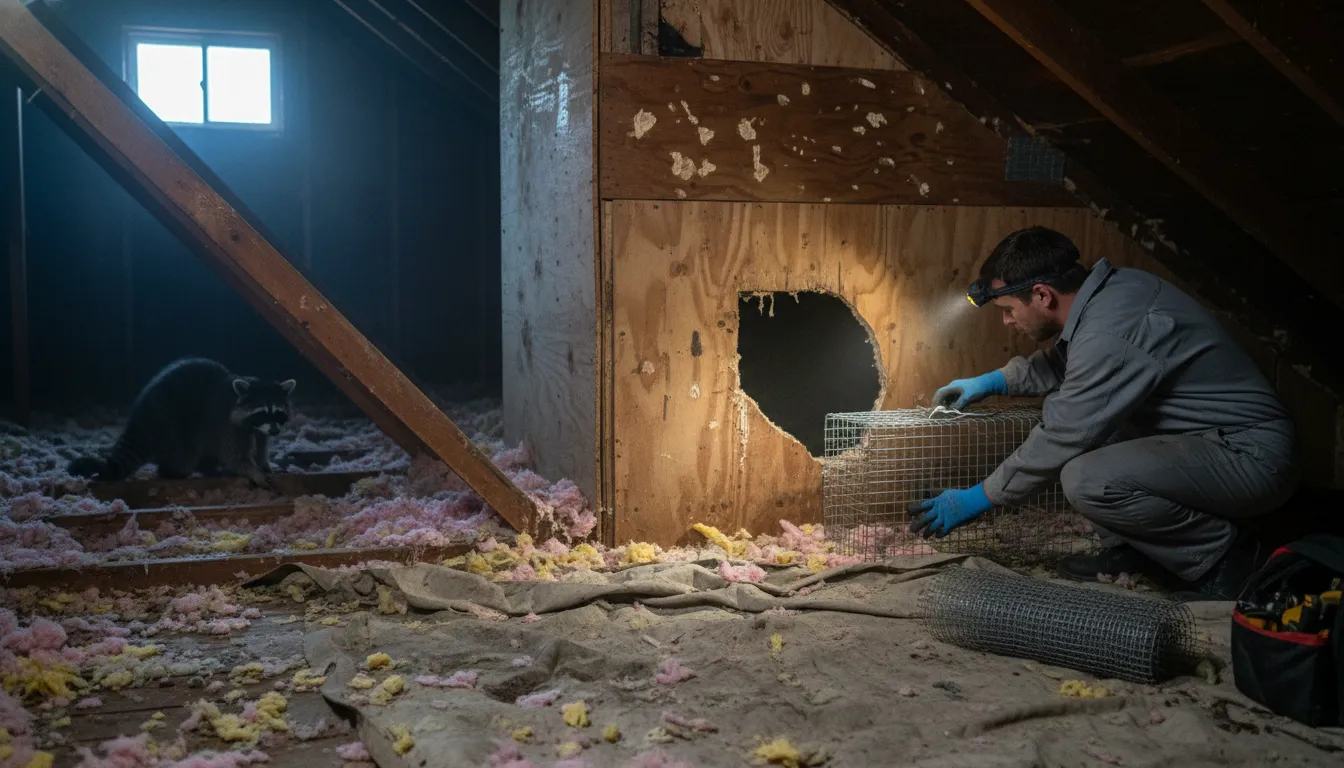
Living in Hawaii means sharing the islands with a unique array of animals. While this biodiversity is a treasure, it can lead to conflicts when wildlife enters homes, businesses, or damages property. Navigating wildlife removal here is uniquely complex due to strict state regulations protecting both native species and managing invasive ones. This guide explains the essential rules, common scenarios, and practical steps for addressing wildlife issues in Hawaii, helping you find qualified local professionals who understand the legal landscape.
Whether you're dealing with noisy birds in the attic, rodents in the kitchen, or a more unusual visitor, understanding Hawaii's specific laws is the critical first step. The process differs significantly from the mainland, with permits often required and severe penalties for non-compliance. This resource provides clear, actionable information to help you resolve your wildlife problem legally and effectively.
Terminix
99-1410B Koaha Pl, Aiea, HI 96701
Terminix provides pest control and termite inspection services in Honolulu, HI, including Aiea and surrounding areas. The company offers treatments for a wide range of pests such as bed bugs, termites, rodents, mosquitoes, wasps, ants, and cockroaches. Terminix uses Integrated Pest Management strategies to reduce pests while minimizing environmental impact. They provide comprehensive termite inspections and targeted treatments to protect homes from damage. With nearly 100 years of experience, Terminix combines local expertise with support from entomologists and a network of technicians to address seasonal pest challenges effectively.
Terminix Commercial
99-1410B Koaha Pl Suite 2, Aiea, HI 96701
Terminix Commercial provides pest control services in Honolulu, HI, specializing in managing ants, spiders, termites, bed bugs, roaches, rodents, and wildlife. Their local technicians understand the specific pest challenges in the area and offer termite inspections, rodent prevention, and bed bug treatments. The company is supported by a nationwide network of expertise, ensuring comprehensive pest management tailored to seasonal pest activity.
Sandwich Isle Pest Solutions
96-1385 Waihona St building a, Pearl City, HI 96782
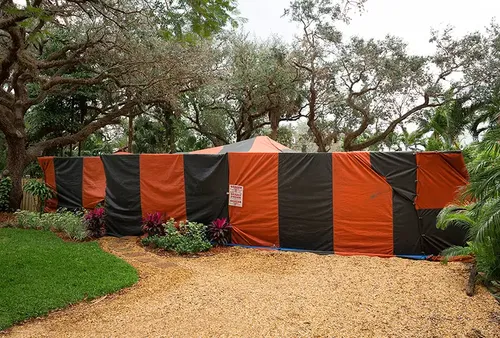
Sandwich Isle Pest Solutions is a pest control company based in Honolulu, HI, serving Pearl City and surrounding areas including Mililani, Waipahu, Kailua, Kaneohe, and Kapolei. They offer a wide range of services such as bed bug treatment, termite control, mosquito control, wildlife removal, and commercial pest management. The company uses proven removal methods combined with the latest technology to address pest issues effectively. Established in 1997, Sandwich Isle Pest Solutions is locally managed and QualityPro certified, reflecting their commitment to meeting rigorous industry standards.
Mid-Pacific Pest Control Oahu
96-1173 Waihona St # B6, Pearl City, HI 96782
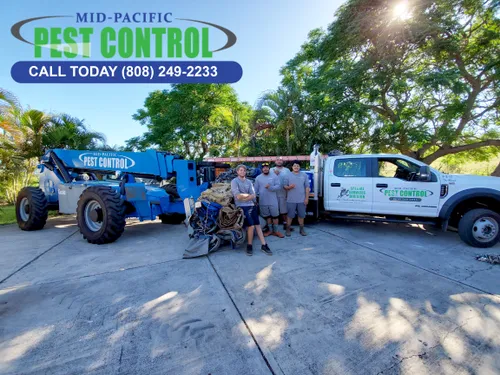
Mid-Pacific Pest Control Oahu is a pest control company based in Honolulu, HI, offering a wide range of services for both residential and commercial properties. With over 25 years of experience, they handle infestations of bed bugs, ants, roaches, termites, and wildlife, using non-toxic sprays, heat therapy, fumigation, and certified inspections. Their termite treatment focuses on detection, elimination, and prevention to protect structural integrity. They also provide humane wildlife and bird control solutions to manage and remove unwanted animals safely.
Menehune Pest Management - Honolulu HI
2020 Kahai St, Honolulu, HI 96819
Menehune Pest Management - Honolulu HI is a family-owned pest control company serving Honolulu, HI. Established in 2013, they specialize in managing a wide range of pest issues including bed bugs, cockroaches, ants, rodents, mosquitoes, bees, wasps, birds, and other wildlife. The company follows current industry standards to ensure safe and effective treatments for clients, pets, and the environment. They provide onsite evaluations and discuss treatment options tailored to each situation.
Understanding Hawaii's Unique Wildlife Laws
Hawaii's ecosystem is fragile and home to many species found nowhere else on Earth. Consequently, the state has robust regulations governing all interactions with wildlife, managed primarily by the Department of Land and Natural Resources (DLNR). There are two main categories of animals you might encounter: protected native species and invasive or nuisance species. The rules for dealing with each are vastly different, and misidentifying an animal can lead to serious legal trouble.
The foundational principle is that you cannot capture, harm, or kill any protected indigenous wildlife without explicit authorization. This includes all endangered and threatened species, such as the Hawaiian Monk Seal, certain whales, sea turtles, and native forest birds. The DLNR's Division of Forestry and Wildlife (DOFAW) issues permits for scientific, educational, or specific management purposes, but these are rarely granted for simple nuisance removal on private property 1 2 3. For marine animals, special federal protections also apply through NOAA Fisheries 3.
Common Nuisance Wildlife and How to Handle Them
Rodents (Rats and Mice)
Rats and mice are among the most common pest animals in Hawaii. While they are non-native and considered pests, their management still falls under general pest control guidelines. Homeowners and businesses can typically use traps and bait to control rodent populations on their property. However, it's important to use approved methods and dispose of carcasses properly. For widespread infestations or rodents in sensitive areas like attics, professional help is recommended to ensure complete removal and exclusion.
Feral Cats and Pigs
Feral animals pose significant ecological and nuisance problems. Management of feral cats is often handled at the county level, with trap-neuter-release (TNR) programs being common. Lethal control of feral cats by individuals is generally prohibited and controversial. Feral pigs cause extensive agricultural and environmental damage. While hunting is regulated, removing a pig from a residential or commercial property usually requires a professional with the appropriate tools and knowledge of state hunting regulations 4.
Invasive Birds (Myna Birds, etc.)
Species like the common myna bird can become nuisances due to noise, droppings, and nesting in building vents. Most invasive birds are not protected, but their control is regulated. It is illegal to release any non-native animal into the wild, which includes relocating trapped birds. Non-lethal exclusion (like netting and spikes) is the first recommended step. Lethal control may be permissible in some cases but often requires justification and should be conducted by a professional to ensure humane and legal methods are followed.
Special Cases: Iguanas and Other Reptiles
The occasional discovery of non-native iguanas or other reptiles highlights the strict injurious wildlife rules. These animals are designated as harmful, and it is illegal to possess, transport, or release them without a permit 5. If you find one, you must contact the DLNR or the Hawaii Department of Agriculture immediately. Do not attempt to remove or keep the animal yourself, as penalties for violations can be severe.
Find the perfect wildlife removal companies for your needs
Get personalized recommendations and expert advice
The Permit Process: When Do You Need One?
Before taking any action, you must determine if the animal is protected. A quick call or visit to the DLNR website can provide definitive guidance. Permits from DOFAW are required for any activity involving protected wildlife, including:
- Intentional capture or handling.
- Relocation.
- Lethal removal.
- Even disturbing nesting sites.
The permit application process involves detailing the specific problem, the species involved, the proposed action, and the justification. Permits are not guaranteed and are intended for situations where there is a genuine threat to human safety, property, or ecological balance. For most homeowners, the path is to hire a licensed wildlife control operator who either holds the necessary permits or can advise you on the legal, permit-free options for your specific situation 6.
Cost Considerations for Wildlife Removal in Hawaii
The cost of wildlife management in Hawaii varies dramatically based on the species, the severity of the problem, and the required methods. DIY approaches using store-bought traps may only cost a few dollars but carry the risk of being ineffective or illegal. Professional services provide expertise and assume liability for legal compliance.
- Basic Services: For common pests like rats or mice, initial inspection and trapping might start around $250 for a multi-trap setup and minor exclusion advice.
- Medium Jobs: Removal of animals from an attic, crawlspace, or chimney, followed by basic cleanup and exclusion repairs, typically ranges from $300 to $600. This applies to situations with squirrels, larger rodent infestations, or bird removal.
- Large or Complex Jobs: Situations involving protected species (requiring permit coordination), extensive damage repair, decontamination (from droppings/urine), or exclusion work for larger animals like feral pigs or mongoose can easily exceed $500 and go into the thousands. Specialized removals, such as for beehives or hazardous wildlife, also command higher fees 7.
The key factor is that costs increase significantly when specialized knowledge, permits, or non-standard exclusion techniques are required. Always get a detailed, written estimate that outlines the scope of work, any permit fees, and guarantees.
Choosing a Qualified Wildlife Removal Professional
Given the legal complexities, selecting the right service provider is crucial. Look for professionals with:
- Specific Hawaii Experience: They should be deeply familiar with state laws, DLNR protocols, and local species.
- Proper Licensing and Insurance: Verify they hold current business licenses and carry liability insurance.
- Knowledge of Permits: They should clearly explain when a permit is needed and how they will handle the process, or why one is not required for your job.
- Humane and Integrated Methods: The best operators focus on long-term exclusion and prevention, not just removal. They should use humane traps and methods compliant with state regulations.
- Clear Contracts: A detailed contract should state the services, costs, warranty on work, and how dead or live animals will be handled and disposed of legally.
Always check with the Hawaii DLNR first to understand if your nuisance animal is protected or requires a permit before taking action. This due diligence protects you from penalties and ensures the conservation of Hawaii's unique natural heritage 8 9.
Prevention: The Best Strategy
The most effective and least costly approach to wildlife conflict is prevention. Key strategies include:
- Exclusion: Seal all potential entry points larger than a quarter-inch. Use heavy-duty materials like hardware cloth, steel wool, or metal flashing.
- Habitat Modification: Keep yards clean of fallen fruit, secure trash in animal-proof bins, trim tree branches away from roofs, and avoid leaving pet food outdoors.
- Deterrents: Install chimney caps, vent covers, and bird spikes in ledges where animals roost.
- Early Intervention: Address signs of wildlife (noises, droppings, digging) immediately before an animal establishes a nest or den.
By making your property less attractive and accessible to wildlife, you can avoid the need for removal altogether.
Frequently asked questions
Sources
Footnotes
-
Wildlife Program | Habitat Conservation Plans - https://dlnr.hawaii.gov/wildlife/hcp/ ↩
-
About the Animals - Hawai'i Marine Animal Response - https://h-mar.org/about-the-animals/ ↩
-
Marine Protected Species of the Hawaiian Islands | NOAA Fisheries - https://www.fisheries.noaa.gov/pacific-islands/endangered-species-conservation/marine-protected-species-hawaiian-islands ↩ ↩2
-
Hawaii Revised Statutes Division 1. Government § 165-2 | FindLaw - https://codes.findlaw.com/hi/division-1-government/hi-rev-st-sect-165-2/ ↩
-
Plant Industry Division | Animal Guidelines - Hawaii.gov - https://dab.hawaii.gov/pi/pq/import-program/animal-guidelines/ ↩
-
º13-124-1 HAWAII ADMINISTRATIVE RULES TITLE 13 ... - https://files.hawaii.gov/dlnr/dofaw/rules/Chap124.pdf ↩
-
Prices - Pest Animal Removal Honolulu - http://www.honolulupestanimal.com/prices.html ↩
-
Division of Forestry and Wildlife | Permit Guidelines - https://dlnr.hawaii.gov/dofaw/permits/ ↩
-
Iguana Found in Waimanalo - State Data Office - Hawaii.gov - https://dab.hawaii.gov/blog/main/nr17-15waimanaloiguana/ ↩