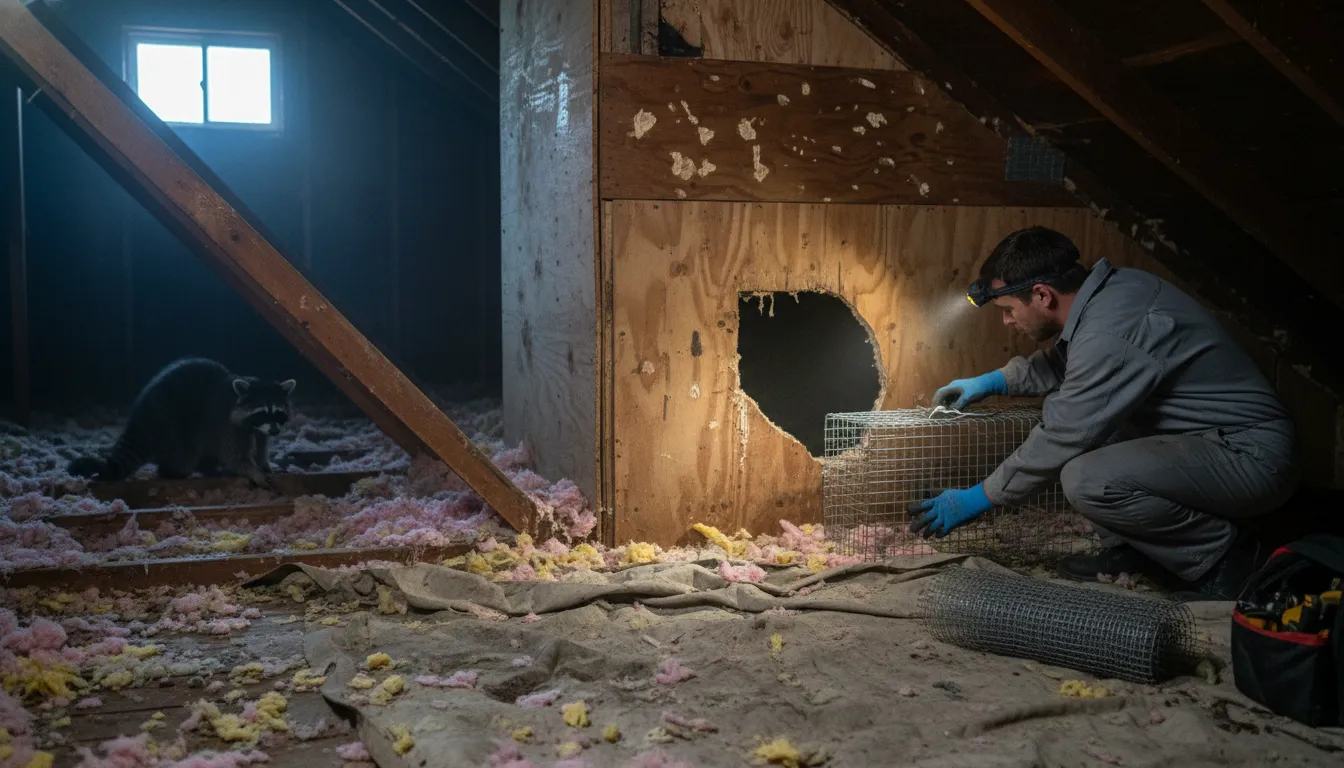
Find the Best Wildlife Removal Companies for Your Business
No obligation • Fast responses • Nationwide coverage
Why you can trust Pest Crews
Pest Crews is a leading U.S. resource for finding and evaluating residential and commercial pest control services. Our team researches providers, reviews treatment approaches, and organizes unbiased information to help you make informed decisions. Companies cannot pay to change our editorial content or influence how they appear.
Search providers near you
Top Wildlife Removal Companies in Honolulu, Hawaii Ranked
Living in paradise comes with unique challenges, and sharing your Honolulu home or business with uninvited wildlife is a common one. From the rustle of a mongoose in the attic to the persistent scratching of rats in the walls, nuisance animals can cause property damage, health concerns, and significant stress. Wildlife removal and animal control services in Honolulu specialize in humanely and effectively resolving these conflicts. This guide will help you understand the local wildlife issues, your options for prevention and removal, and how to navigate Oahu's specific regulations to find a qualified professional for your situation.
Terminix
99-1410B Koaha Pl, Aiea, HI 96701
Terminix provides pest control and termite inspection services in Honolulu, HI, including Aiea and surrounding areas. The company offers treatments for a wide range of pests such as bed bugs, termites, rodents, mosquitoes, wasps, ants, and cockroaches. Terminix uses Integrated Pest Management strategies to reduce pests while minimizing environmental impact. They provide comprehensive termite inspections and targeted treatments to protect homes from damage. With nearly 100 years of experience, Terminix combines local expertise with support from entomologists and a network of technicians to address seasonal pest challenges effectively.
Terminix Commercial
99-1410B Koaha Pl Suite 2, Aiea, HI 96701
Terminix Commercial provides pest control services in Honolulu, HI, specializing in managing ants, spiders, termites, bed bugs, roaches, rodents, and wildlife. Their local technicians understand the specific pest challenges in the area and offer termite inspections, rodent prevention, and bed bug treatments. The company is supported by a nationwide network of expertise, ensuring comprehensive pest management tailored to seasonal pest activity.
Sandwich Isle Pest Solutions
96-1385 Waihona St building a, Pearl City, HI 96782
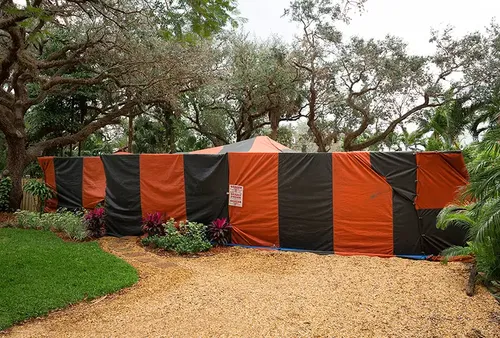
Sandwich Isle Pest Solutions is a pest control company based in Honolulu, HI, serving Pearl City and surrounding areas including Mililani, Waipahu, Kailua, Kaneohe, and Kapolei. They offer a wide range of services such as bed bug treatment, termite control, mosquito control, wildlife removal, and commercial pest management. The company uses proven removal methods combined with the latest technology to address pest issues effectively. Established in 1997, Sandwich Isle Pest Solutions is locally managed and QualityPro certified, reflecting their commitment to meeting rigorous industry standards.
Mid-Pacific Pest Control Oahu
96-1173 Waihona St # B6, Pearl City, HI 96782
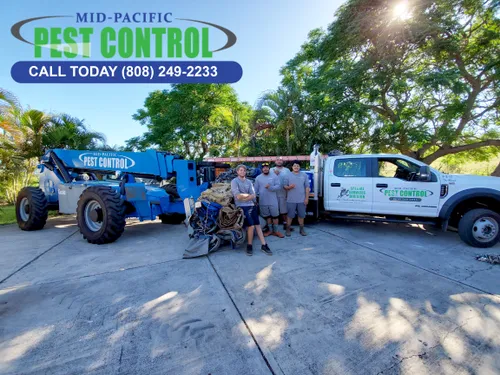
Mid-Pacific Pest Control Oahu is a pest control company based in Honolulu, HI, offering a wide range of services for both residential and commercial properties. With over 25 years of experience, they handle infestations of bed bugs, ants, roaches, termites, and wildlife, using non-toxic sprays, heat therapy, fumigation, and certified inspections. Their termite treatment focuses on detection, elimination, and prevention to protect structural integrity. They also provide humane wildlife and bird control solutions to manage and remove unwanted animals safely.
Menehune Pest Management - Honolulu HI
2020 Kahai St, Honolulu, HI 96819
Menehune Pest Management - Honolulu HI is a family-owned pest control company serving Honolulu, HI. Established in 2013, they specialize in managing a wide range of pest issues including bed bugs, cockroaches, ants, rodents, mosquitoes, bees, wasps, birds, and other wildlife. The company follows current industry standards to ensure safe and effective treatments for clients, pets, and the environment. They provide onsite evaluations and discuss treatment options tailored to each situation.
Common Nuisance Wildlife in Honolulu
Honolulu's ecosystem supports a variety of animals that can become problematic when they enter human spaces. Unlike many mainland cities, the roster of frequent offenders here is unique to the islands.
- Mongoose: Introduced in the 1800s, these agile predators are a top concern. They raid chicken coops, dig up gardens, and can find their way into crawlspaces and under structures, causing damage as they search for food or shelter.
- Rodents (Rats and Mice): Roof rats and Norway rats are prevalent. They are notorious for chewing through wires (a fire hazard), contaminating food stores with droppings, and gnawing on structural elements.
- Feral Cats: While often cared for by community colonies, feral cats can become a nuisance through persistent yowling, fighting, spraying to mark territory, and digging in gardens. Honolulu has specific ordinances regarding the feeding of feral animals.
- Birds: Various bird species, including mynah birds and pigeons, can create noise disturbances, especially in large roosts. Their droppings are acidic, damaging paint and roofing materials, and can pose slip hazards and health risks.
- Other Occasional Visitors: Feral pigs can be a destructive force in suburban areas bordering forest lines, rooting up landscaping. Occasionally, bats may roost in attics or eaves, requiring specialized exclusion techniques.
Understanding which animal you're dealing with is the first step toward an effective solution, as removal methods and legal protections can vary by species.
Effective Prevention: Your First Line of Defense
The most cost-effective and permanent form of wildlife control is preventing animals from seeing your property as a desirable target in the first place. Proactive exclusion and habitat modification are key.
Seal Potential Entry Points
Animals need very small openings to gain access. Conduct a thorough inspection of your home's exterior.
- Use Robust Materials: Seal gaps around pipes, vents, roof soffits, and foundation cracks with hardware cloth (metal mesh), steel wool, or concrete. Avoid materials like plastic or wood that rodents can easily chew through.
- Check Common Areas: Pay special attention to attic vents, crawlspace doors, gaps under eaves, and where utility lines enter the house. Install chimney caps and ensure window screens are intact.
Remove Food, Water, and Shelter
Make your yard less inviting by eliminating the resources wildlife seeks.
- Secure Trash and Compost: Use locking lids on trash cans and secure compost bins. Avoid placing bags of garbage out overnight.
- Manage Pet Food and Bird Feeders: Do not leave pet food bowls outside. If you feed birds, use feeders that catch falling seed and clean up spills regularly.
- Maintain Your Landscape: Trim tree branches back at least 6 feet from the roofline to eliminate animal highways. Keep grass cut and remove piles of wood, leaf litter, or debris where animals can hide or nest.
- Harvest Fruit Promptly: Pick ripe fruit from trees and clean up fallen fruit from the ground, a major attractant for rodents, mongoose, and birds.
Utilize Deterrents
For persistent problems, deterrents can encourage animals to move along.
- Motion-Activated Devices: Sprinklers, lights, or ultrasonic emitters can startle and discourage wildlife from frequenting specific areas.
- Taste/Smell Repellents: Commercial or natural repellents (like certain essential oils) can be applied to plants or areas, though their effectiveness can vary and often requires reapplication.
- Garden Protection: Use physical barriers like netting over vegetable gardens or chicken coops. Consider planting species that are less attractive to local wildlife 1.
Find the perfect wildlife removal companies for your needs
Get personalized recommendations and expert advice
When to Call a Professional for Animal Control
While DIY methods work for prevention and minor issues, certain situations necessitate calling a licensed wildlife removal expert in Honolulu.
- Animals Inside the Living Space: If a wild animal is inside your home, especially in a wall, attic, or other confined space, professional removal is safest for both you and the animal.
- Signs of an Established Infestation: Evidence like persistent noises (scratching, scurrying), a strong musky odor, or finding multiple droppings indicates a larger problem that requires identification, removal, and exclusion.
- Risk of Disease or Injury: Animals like rats, bats, and feral cats can carry diseases transmissible to humans or pets. Professionals have the training and protective equipment to handle these risks.
- Need for Permanent Exclusion: A professional can identify all potential entry points you may have missed and install durable, long-lasting exclusion materials to prevent re-entry.
- Compliance with State Laws: Hawaii has extremely strict laws regarding the trapping, handling, and relocation of wildlife. Professionals understand these regulations, ensuring the job is done legally and humanely.
Understanding Honolulu's Wildlife and Nuisance Laws
Navigating local ordinances is crucial. What constitutes a legal nuisance and who handles it involves specific city departments.
- Animal Nuisance Ordinance (ROH Chapter 7-2.2): The Honolulu Police Department (HPD) handles complaints about noise disturbances. An animal nuisance is defined as continuous noise (like barking or crowing) for 10 minutes or more, or intermittent noise for 30 minutes or more 2 3. Violations can result in fines starting at $50 3.
- Pet Identification and Leash Laws: All dogs and cats over 4 months old must have a current city license and identification tag. Dogs must be leashed when off the owner's property.
- Restrictions on Feeding Feral Animals: Honolulu County has passed bills aimed at prohibiting the feeding of feral animals like cats and pigs on county property, as it contributes to public nuisance and ecological problems 4.
- Prohibited Animals: Hawaii's unique ecosystem is protected by strict import and possession laws. Many common mainland pets, like ferrets, hamsters, and certain reptiles, are completely banned to prevent invasive species establishment 5.
- Who to Contact:
- Honolulu Police Department (HPD): For immediate threats or active noise nuisance complaints as defined above.
- Hawaiian Humane Society: For concerns about injured domestic animals, animal welfare, and information on local pet laws and wildlife resources 6.
What to Expect: Professional Wildlife Removal Services
A reputable wildlife control service in Honolulu will typically follow a multi-step process focused on humane and permanent solutions.
- Inspection and Assessment: The technician will perform a thorough inspection of your property, inside and out, to identify the pest species, locate entry points, and assess the extent of the activity.
- Removal Plan: They will present a plan that may involve live trapping, one-way exclusion doors, or other humane removal techniques suited to the specific animal and situation.
- Removal and Exclusion: After the animals are removed, the critical step is exclusion-sealing all identified entry points with durable materials to prevent new animals from moving in. This is what differentiates a permanent solution from a temporary fix.
- Clean-up and Sanitation (if needed): For areas contaminated by droppings or urine (like attics or crawlspaces), cleaning and disinfecting services may be offered to eliminate health hazards and odors.
- Follow-up: Many companies offer a warranty period and will schedule a follow-up visit to ensure the exclusion is holding and the problem is resolved.
Cost Considerations for Wildlife Control in Honolulu
Costs can vary widely based on the animal, the severity of the infestation, and the property's accessibility. Always obtain multiple detailed estimates.
- Inspection/Call-Out Fee: Typically ranges from $100 to $250+.
- Trapping and Removal: Can cost between $200 to $800+ per animal or job. Complex removals (e.g., from a high roof or involving multiple animals) will be on the higher end 7 8.
- Exclusion and Repair: This is often the most valuable part of the service. Professionally sealing entry points and making minor repairs can range from $300 to over $1,000, depending on the size of the home and number of openings 9 10.
- Sanitation/Decontamination: Additional cost for cleaning and disinfecting affected areas.
The most effective strategy is to view professional wildlife removal as an investment in permanently securing your property, not just a one-time expense to take an animal away.
Frequently asked questions
Sources
Footnotes
-
Opossum Removal in Texas: Facts, Risks, & Solutions - https://www.bettercallbugtech.com/who-to-call-for-opossum-removal/ ↩
-
All About Crowing | Hawaiian Humane Society - https://www.hawaiianhumane.org/wp-content/uploads/2020/06/Brochure-All-About-Crowing-January-2017-AG.pdf ↩
-
I March 17, 2015 Policy Number 4.261 - Honolulu Police Department - https://www.honolulupd.org/wp-content/uploads/2020/01/AnimalNuisanceComplaints-11-29-2017-15-56-34.pdf ↩ ↩2
-
Hawaiʻi County Passes Bill Banning the Feeding of Feral Animals on ... - https://abcbirds.org/news/hawaii-cat-bill-51-passes/ ↩
-
Plant Industry Division | Animal Guidelines - Hawaii.gov - https://dab.hawaii.gov/pi/pq/import-program/animal-guidelines/ ↩
-
Animal Welfare Laws - Hawaiian Humane Society - https://www.hawaiianhumane.org/animal-welfare-laws/ ↩
-
Wildlife Animal Control in Honolulu - Mid-Pacific Pest Control - https://mauipestcontrol.com/oahu-pest-control/wildlife-animal-control-in-honolulu/ ↩
-
What Wildlife Creates Problems for Residents in Honolulu, HI? - https://www.sandwichisle.com/blog/what-wildlife-creates-problems-for-residents-in-honolulu-hi/ ↩
-
THE BEST 10 Wildlife Control Trending in HONOLULU, HI - Yelp - https://m.yelp.com/search?cflt=wildlifecontrol&find_loc=Honolulu%2C+HI ↩
-
Wildlife Exclusion Services - https://www.fullscopepestcontrol.com/what-is-wildlife-exclusion-2/ ↩