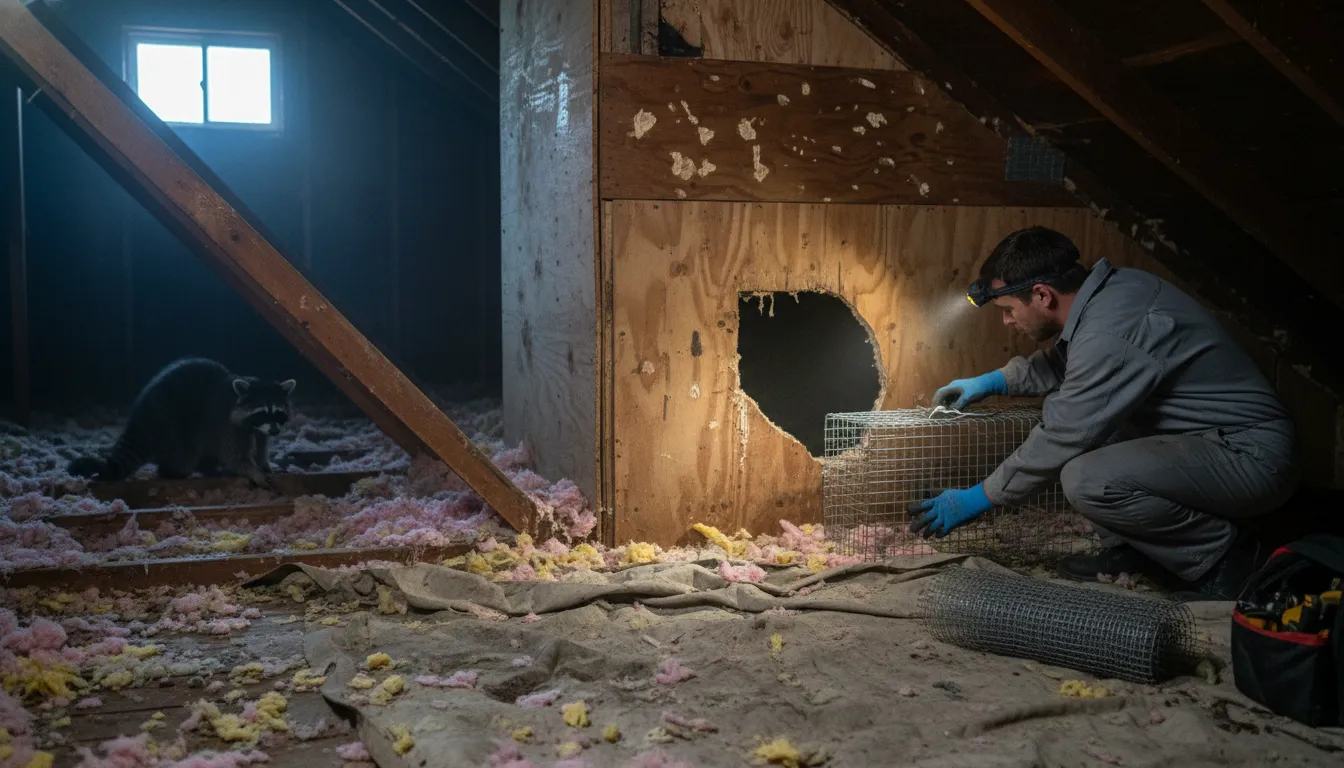
Find the Best Wildlife Removal Companies for Your Business
No obligation • Fast responses • Nationwide coverage

Why you can trust Pest Crews
Pest Crews is a leading U.S. resource for finding and evaluating residential and commercial pest control services. Our team researches providers, reviews treatment approaches, and organizes unbiased information to help you make informed decisions. Companies cannot pay to change our editorial content or influence how they appear.
Search providers near you
Top Wildlife Removal Companies in Ames, Iowa Ranked
Discovering an uninvited animal in your home or causing damage on your property can be unsettling. Wildlife removal is the professional service dedicated to safely and humanely resolving conflicts with nuisance animals, from raccoons in the attic to groundhogs under the deck. This process is crucial for protecting your property, ensuring your family's safety, and adhering to local and state wildlife regulations. For Ames residents, navigating the options-from DIY techniques to knowing when to call a professional-is key to an effective and legal resolution. The following guide will help you understand the common wildlife issues in Ames, your responsibilities as a homeowner, and how to connect with licensed experts who can provide animal control and exclusion services.
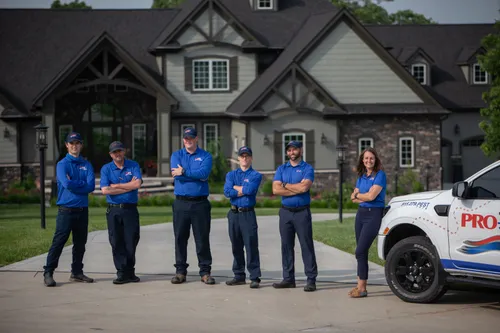
Pro-Staff Termite & Pest Control of The Midwest, LLC
3601 Douglas Ave, Des Moines, IA 50310
Pro-Staff Termite & Pest Control of The Midwest, LLC provides pest control services in Des Moines, IA, serving both residential and commercial clients. Their offerings include termite inspection, bed bug treatment, mosquito control, bat removal, and general pest management. Established in 1995, Pro-Staff has over 24 years of experience in the industry. They focus on proactive pest inspection and tailored treatment plans to help protect homes and businesses from various pests.
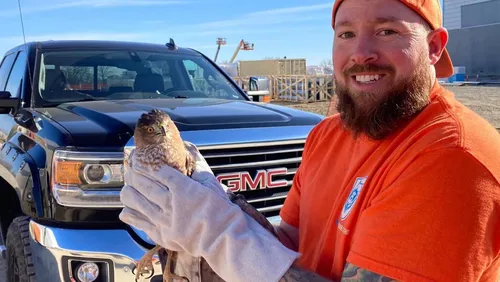
Genuine Pest Control
3905 SE Grimes Blvd suite m, Grimes, IA 50111
Genuine Pest Control is a pest control and wildlife removal company serving Des Moines, IA. Founded in 2014, they handle a variety of pests including raccoons, bats, birds, rodents, and bugs. Their services include humane trapping and removal, damage repair, and pest prevention through sealing entry points and installing pest barriers. They also provide advice on sanitation and habitat modifications to help prevent future infestations.
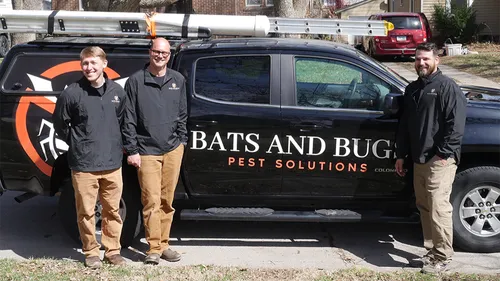
Bats and Bugs Pest Solutions
12340 Tanglewood Dr, Urbandale, IA 50323
Bats and Bugs Pest Solutions provides pest and wildlife control services in Des Moines, IA. They handle a variety of issues including rodent control, bird and bat removal, and humane wildlife relocation for both residential and commercial properties. Their team uses modern techniques such as roof-mounted traps and motion-activated cameras to safely manage pests like raccoons, squirrels, woodchucks, and bats, focusing on humane and environmentally conscious methods. With over 25 years of experience, the family-owned company offers customized service plans and is committed to environmentally friendly practices, including the use of electric vehicles powered by solar energy.
Presto-X Pest Control
1320 NE 60th Ave, Des Moines, IA 50313
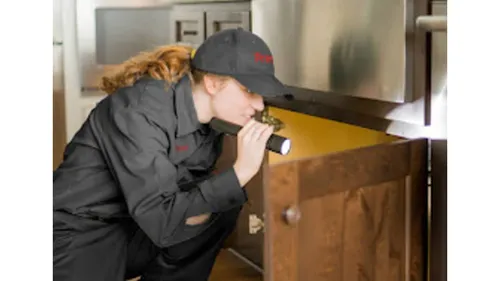
Presto-X Pest Control offers pest control services in Des Moines, IA, specializing in the removal and management of common local pests such as cockroaches, termites, ants, mosquitoes, bees, wasps, and wildlife. Their technicians provide targeted treatments based on seasonal pest activity and trends specific to the Des Moines area. The company conducts termite inspections and treatments to address hidden damage, locates and treats ant nests, and applies mosquito control measures to reduce populations around properties. They also safely remove bees and wasps, focusing on nests near outdoor structures.
TRapper's Wildlife Control, LLC
3626 NW Trestle Point Dr, Ankeny, IA 50023
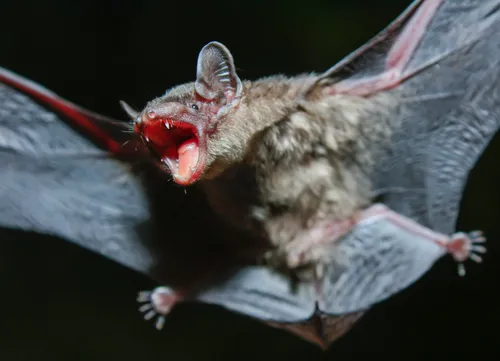
TRapper's Wildlife Control, LLC is a wildlife removal company based in Des Moines, IA, specializing in bird and bat control. They serve a wide area within 60 miles of Des Moines, including many surrounding cities and counties in central Iowa. Their services include humane bat removal and sealing of structures, as well as bird control for species like pigeons, starlings, sparrows, and swallows, addressing issues such as nesting and droppings. TRapper's Wildlife Control also offers bird removal from vents and provides bat removal services statewide in Iowa.
Common Nuisance Wildlife in Ames
Ames's blend of urban spaces, parks, and nearby natural areas makes it a habitat for a variety of wildlife. Understanding which animals you might encounter is the first step in managing them effectively.
- Raccoons: These intelligent, dexterous animals are frequent culprits for attic invasions, often using chimneys or damaged roof vents as entry points. They can also rummage through unsecured garbage cans and have been known to inhabit storm drains.
- Bats: Small openings in eaves or roofs can allow bats to enter attics, especially in spring and fall. It's important to note that bats are protected in Iowa due to their ecological benefits, and their removal requires specific, non-harmful procedures.
- Squirrels and Rodents: Tree squirrels may chew their way into attics to nest, while mice and rats can infiltrate walls and basements through tiny gaps, posing fire hazards by gnawing on wires.
- Opossums: Often found in window wells or near garbage, these nocturnal marsupials are generally non-aggressive and can be beneficial by consuming ticks and other pests.
- Groundhogs (Woodchucks): Their extensive burrowing can undermine foundations, decks, and sheds, creating significant structural hazards and lawn damage.
- Coyotes and Foxes: While typically shy and more active at dusk and dawn, these predators are present in urban corridors. They may prey on small pets if given the opportunity.
- Birds: Most native birds are protected by federal law. Problems often arise when birds like sparrows or starlings nest in vents or create noise and mess on structures1.
Your Options for Wildlife Management in Ames
When faced with a wildlife issue, Ames residents generally have three pathways: do-it-yourself harassment and exclusion, contacting Ames Animal Control for specific situations, or hiring a private Nuisance Wildlife Control Operator (NWCO).
Do-It-Yourself (DIY) Techniques
For minor issues, residents can take several legal, non-lethal actions to encourage wildlife to leave.
- Exclusion and Harassment: This involves making the animal's current location undesirable so it leaves on its own. For a groundhog, disturbing its burrow entrance between July and September can encourage it to relocate. For a squirrel or bat that has accidentally entered a living space, simply opening doors and windows and turning off lights often provides an escape route.
- Securing Attractants: The most effective long-term prevention is to remove food, water, and shelter. Use locking lids on garbage cans, keep pet food indoors, seal compost bins, and clear brush piles away from your home's foundation.
- Understanding Trapping Laws: If you wish to trap an animal on your property within Ames city limits, you must first obtain a free Trap Permit from Ames Animal Control. The city only permits residents to use humane live box traps or instant-kill snap traps. It is illegal to relocate trapped wildlife in Iowa without a permit, as it can spread disease and often leads to the animal's death2.
- Legal Taking: Under recent state legislation, prior permission is generally not required to lethally remove a coyote, raccoon, opossum, skunk, or groundhog if it is causing property damage or a nuisance3. However, all city ordinances regarding methods, firearm discharge, and trap types still apply, and the action must be both legal and humane3.
When to Call Ames Animal Control
Ames Animal Control primarily handles domestic animal issues but is the correct agency for specific wildlife emergencies. You should call them at 515-239-5530 (or 515-231-1080 for an officer directly) in these scenarios4 5 6:
- An animal is visibly sick, injured, or appears to be orphaned.
- A bat is found in a room with a sleeping person, a young child, or someone with diminished mental capacity, as the bat may need to be tested for rabies 7.
- A dangerous animal (e.g., an aggressive raccoon, a trapped fox) is posing an immediate threat to human safety.
- You need to obtain a permit to trap an animal on your property8.
- You are dealing with a protected species, which includes all native birds, most snakes, bobcats, and certain bats9 10.
For ongoing nuisance issues on private property-like an animal actively living in your attic, chimney, or walls-the Iowa DNR recommends contacting a private, licensed Nuisance Wildlife Control Operator (NWCO).
Hiring a Professional Nuisance Wildlife Control Operator (NWCO)
For persistent or complex problems, a professional wildlife removal service is often the most effective and legally compliant solution. NWCOs are private, state-licensed businesses (not city or state employees) trained in humane capture, exclusion techniques, and relevant laws 11.
Find the perfect wildlife removal companies for your needs
Get personalized recommendations and expert advice
What to Expect from Professional Wildlife Removal Services
A professional wildlife control service does more than just trap an animal. A comprehensive approach involves inspection, removal, exclusion, and cleanup.
- Inspection and Assessment: A technician will identify the animal species, locate all entry points, and assess the extent of the infestation and damage.
- Humane Removal: Using methods appropriate for the species and situation, the operator will remove the animals. For protected species like bats, this involves one-way exclusion devices that allow animals to leave but not re-enter.
- Exclusion and Repair: This critical step prevents future problems. All identified entry points are sealed with durable materials like steel mesh, hardware cloth, or chimney caps. Without proper exclusion, new animals will simply move into the now-vacated space12.
- Cleanup and Sanitation: Animal droppings (guano), urine, and nesting materials can pose health risks and attract insects. Professionals can safely remove contaminated insulation, disinfect the area, and restore it.
Understanding Wildlife Removal Costs in Ames
Costs for animal control services vary widely as NWCOs are private businesses that set their own fees13. The total price depends on the animal species, the severity and location of the infestation, and the necessary repairs 14.
- Inspection/Service Fee: Many companies charge an initial fee for assessment, which can range from a nominal amount to over $10015.
- Basic Removal: Live trapping and removal of a single animal like a raccoon or groundhog from an accessible area might start around a couple hundred dollars.
- Complex Removal: Removing animals from attics, inside walls, or chimneys is more labor-intensive. This can range from $300 to $600 or more, especially if multiple animals are present or specialized exclusion devices are needed16 17.
- Exclusion and Repairs: Sealing entry points is a separate, vital cost. Depending on the number and size of openings, this can add several hundred dollars. Major repairs like replacing soiled insulation or repairing chewed wires can increase the total cost significantly, potentially adding over a thousand dollars to the project 18.
- Emergency Services: Calls for immediate assistance during evenings, weekends, or holidays typically incur a premium rate.
Always request a detailed, written estimate that breaks down inspection, removal, exclusion, and repair costs before work begins.
Preventing Future Wildlife Conflicts
After an animal has been removed and your home is sealed, ongoing vigilance is key to prevention.
- Conduct Regular Maintenance: Inspect your home's exterior at least twice a year. Look for loose siding, damaged roof vents, gaps in soffits, and cracks in the foundation. Pay special attention to areas where different building materials meet.
- Manage Your Landscape: Trim tree branches that overhang or touch your roof. Keep woodpiles and dense shrubbery away from the house. Use gravel borders instead of mulch directly against the foundation.
- Be a Responsible Neighbor: Secure your trash and compost, and encourage neighbors to do the same. A single unsecured bin can attract wildlife to an entire block.
By understanding the wildlife around you, knowing when to act yourself and when to call a professional, and investing in proper exclusion, you can protect your Ames home and coexist peacefully with your wild neighbors.
Frequently asked questions
Sources
Footnotes
-
Urban wildlife and the ecosystem under our feet - https://iowastatedaily.com/296005/news/urban-wildlife-and-the-ecosystem-under-our-feet/ ↩
-
Grit - Sometimes, the most common call rehabbers receive is the calls asking us to trap and/or relocate an animal. It sounds easy enough, but herein lies the problem: 1) In some states, it's against the law to trap and relocate wildlife. 2) There is NO such thing as humanely trapping any WILD animal. Wild animals live their lives hiding from predators. They are hard-wired to remain hidden, sometimes it is their only defense. When a wild animal is caught in a trap, it causes EXTREME stress to that animal. Most animals, when trapped, will quickly die of fright, or kill themselves trying to escape. 3) There is NO guarantee that your trap will trap the exact animal that you want it to. 4) NOTHING is humane about taking an animal away from its family or its familiar territory. Nothing is humane about dumping a stressed, terrified, lost and unwanted animal upon an already existing wild population where they have no idea where a food source is located or where to den up. Most will either starve to death or get killed by their competition. 5) Relocating an animal can lead to orphaned babies. Usually when an animal is in a place where they aren't wanted/shouldn't be (inside houses, - https://www.facebook.com/gritgracefarmwildlife/photos/sometimes-the-most-common-call-rehabbers-receive-is-the-calls-asking-us-to-trap-/971607808333388/ ↩
-
Iowa legislation allows out-of-season trapping of nuisance animals - https://www.facebook.com/groups/STWWR/posts/3082568112005252/ ↩ ↩2
-
Animal Shelter and Animal Control - City of Ames, Iowa - https://www.cityofames.org/My-Government/Departments/Animal-Shelter-and-Animal-Control ↩
-
Ames Animal Laws - https://www.cityofames.org/My-Government/Departments/Animal-Shelter-and-Animal-Control/Ames-Animal-Laws ↩
-
Animal Shelter and Animal Control - City of Ames - https://www.cityofames.org/files/assets/city/v/1/animal-sheltercontrol/documents/municipal-codes/animal-nuisance.pdf ↩
-
CHAPTER 3 ANIMALS - City of Ames - https://www.cityofames.org/files/assets/city/v/1/animal-sheltercontrol/documents/chapter-3-animals.pdf ↩
-
Ames Animal Laws - City of Ames, Iowa - https://www.cityofames.org/My-Government/Departments/Animal-Shelter-and-Animal-Control/Ames-Animal-Laws ↩
-
Wildlife - City of Ames, Iowa - https://www.cityofames.org/My-Government/Departments/Animal-Shelter-and-Animal-Control/Wildlife-in-Ames ↩
-
IAC 7/2/08 Natural Resource Commission[571] Ch 114, p.1 ... - https://www.legis.iowa.gov/docs/iac/chapter/01-08-2025.571.114.pdf ↩
-
11 tips and tricks to handle "nuisance" wildlife responsibly - https://www.iowadnr.gov/news-release/2016-09-23/11-tips-and-tricks-handle-nuisance-wildlife-responsibly ↩
-
Wildlife Control - MMPC - https://mandmpestcontrol.com/services/wildlife-control/ ↩
-
Nuisance Wildlife Control | Department of Natural Resources - https://www.iowadnr.gov/programs-services/wildlife-landowner-assistance/nuisance-wildlife-control ↩
-
IAC 7/2/08 Natural Resource Commission[571] Ch 114, p.1 CHAPTER 114 NUISANCE WILDLIFE CONTROL 571-114.1(456A) Nuisance wildlif - https://www.legis.iowa.gov/docs/iac/chapter/01-08-2025.571.114.pdf ↩
-
Spring is Here - So Are the Critters! 🐾 Hi, I'm Mike with Iowa Wildlife ... - https://www.facebook.com/groups/495434035286555/posts/1196972541799364/ ↩
-
How Much Does It Cost To Remove Animals From Your Attic? | Wildlife Control - https://www.callnorthwest.com/2020/02/how-much-does-it-cost-to-remove-animals-from-your-attic/ ↩
-
The Cost of Wildlife Removal: What You Need to Know - https://coastalwildlifeservices.com/cost-of-wildlife-removal/ ↩
-
Basic Fee Information - https://thecritterguy.com/fee-information/ ↩