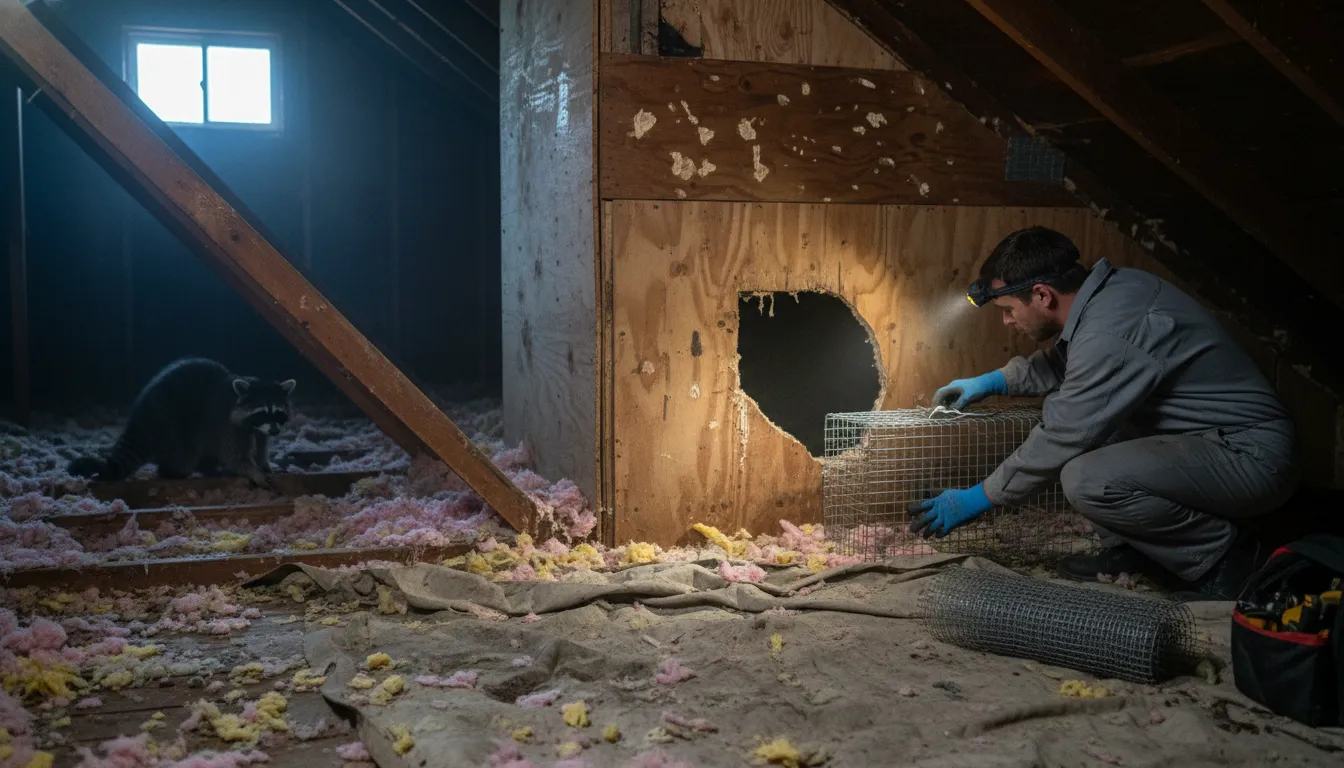
Find the Best Wildlife Removal Companies for Your Business
No obligation • Fast responses • Nationwide coverage
Why you can trust Pest Crews
Pest Crews is a leading U.S. resource for finding and evaluating residential and commercial pest control services. Our team researches providers, reviews treatment approaches, and organizes unbiased information to help you make informed decisions. Companies cannot pay to change our editorial content or influence how they appear.
Search providers near you
Top Wildlife Removal Companies in Aurora, Illinois Ranked
Discovering an uninvited animal in your attic, chimney, or under your deck can be unsettling. In Illinois, addressing these situations requires a clear understanding of state-specific regulations designed to protect both wildlife and property owners. This guide provides a practical overview of wildlife removal in Illinois, explaining when you can handle a problem yourself, when you must call a professional, and how to navigate the legal requirements to resolve the issue safely and effectively.
D&K Pest Control and Wildlife Removal, LLC
Chicago, IL
D&K Pest Control and Wildlife Removal, LLC is a pest control and wildlife removal company serving Chicago, IL, and the western Chicago suburbs. They provide services for both residential and commercial properties, including pest inspections, one-time treatments, quarterly pest control plans, and custom wildlife exclusion solutions. Their work covers rodents, raccoons, squirrels, bats, birds, and common household pests. The company also offers structural repairs and long-term exclusion to prevent future infestations, combining pest removal with prevention efforts.
Aerex Pest Control
4301 E Wilmette Ave, Rolling Meadows, IL 60008
Aerex Pest Control is a family-owned pest control company serving Chicago, IL, and the Greater Chicagoland Area since 1948. They provide a wide range of pest management services including bed bug treatment, rodent control, termite inspections, mosquito control, and wildlife removal. With over 70 years of experience, Aerex Pest Control uses environmentally friendly methods and safe products approved by the Environmental Protection Agency to address both common and seasonal pests unique to the Chicago area. Their knowledgeable technicians apply targeted solutions that focus on long-term prevention and sustainability.
ABC Humane Wildlife Control and Prevention Inc.
Chicago, IL
ABC Humane Wildlife Control and Prevention Inc. provides wildlife and pest control services in Chicago, IL. They specialize in humane removal and prevention of various animals such as raccoons, squirrels, bats, and birds, as well as insect pest control including ants, bees, wasps, and mosquitoes. Their team is skilled in animal-proofing homes and repairing damage caused by infestations. With over 40 years of experience, the company combines scientific methods and local expertise to serve the Chicagoland area, including Cook, Lake, DuPage, Kane, and McHenry counties.
All Nuisance Trapping
Aurora, IL
All Nuisance Trapping is a family-owned wildlife removal company based in Oswego, Illinois, serving Aurora and surrounding areas. With over 25 years of experience, they specialize in humane animal control and nuisance wildlife removal, including thorough inspections to identify entry points. The company also offers remediation and repair services to clean up waste and debris left by animals. Licensed by the Illinois Department of Natural Resources and fully insured, All Nuisance Trapping provides 24/7 availability for their services.

EcoShield Pest Solutions
2150 Western Ct Ste 230, Lisle, IL 60532
EcoShield Pest Solutions is a pest control company serving Aurora, IL, offering a range of services including bed bug treatment, cockroach and ant control, rodent and wildlife exclusion, termite inspection and prevention, and mosquito control. They provide specialized capabilities such as guaranteed bed bug removal and attic and crawl space insulation to help keep pests out while improving energy efficiency. EcoShield is locally owned and emphasizes environmentally conscious pest control with state-licensed technicians. They serve multiple states and communities with a focus on safe and effective pest management.
Understanding Illinois Wildlife Removal Laws
Illinois manages its wildlife through the Illinois Department of Natural Resources (IDNR). The core principle is that many animals are protected by law, and their removal is regulated to ensure humane treatment and conservation. You generally cannot trap and relocate or euthanize most mammals causing a nuisance without proper authorization.
The primary mechanism for legal removal is a Nuisance Animal Removal Permit (NARP), issued by the IDNR. Alternatively, for most homeowners, the simplest path is to hire a licensed Nuisance Wildlife Control Operator (NWCO). These professionals hold a Class A permit, allowing them to perform removal services for a fee. Understanding this framework is the first step to solving any wildlife conflict on your property.
When Do You Need a Permit or Professional?
The need for a permit hinges on two factors: the species involved and the nature of the problem. The IDNR distinguishes between protected wildlife and common pests.
You likely need a permit or professional for:
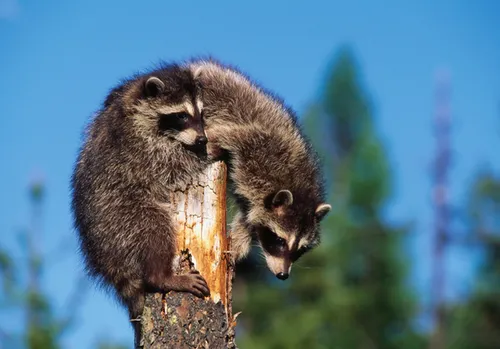
- Property Damage: Animals like raccoons tearing up roof shingles, squirrels chewing electrical wires in attics, or beavers flooding property by damming streams.
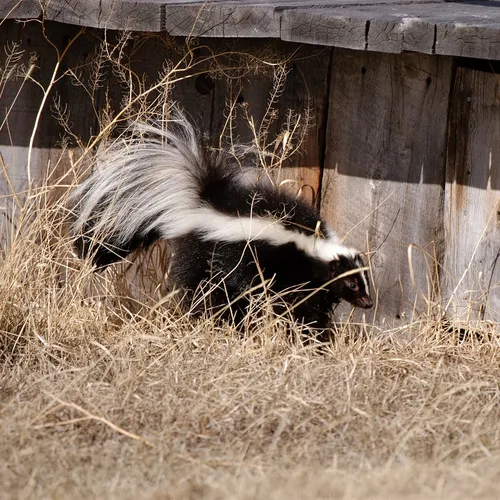
- Health and Safety Risks: Bats roosting in an attic (rabies vector), skunks nesting under a porch (spray risk), or coyotes exhibiting bold behavior near homes.
- Protected Species: This includes most mammals you're likely to encounter, such as raccoons, opossums, skunks, bats, foxes, coyotes, deer, and most birds.
A permit is typically not required for:
- Minor Nuisance: Simply seeing an animal in your yard, like a squirrel at a bird feeder, does not qualify for removal.
- Excepted Species: Animals considered common pests, including house mice, Norway rats, moles, voles, pocket gophers, shrews, and chipmunks (except the protected Franklin's ground squirrel) can often be managed without a state permit 1.
The IDNR will issue a NARP only if you can demonstrate that the animal is causing significant damage or posing a verifiable risk. The process involves contacting your local IDNR District Wildlife Biologist, who will assess your situation.
Protected vs. Non-Protected Species in Illinois
Knowing which animal you're dealing with is crucial. Here's a general breakdown:
Protected Species (Require Permit/NWCO):
- Furbearers: Raccoon, opossum, skunk, beaver, muskrat, fox, coyote, bobcat.
- Bats: All native bat species (especially important due to conservation status and rabies concerns).
- Other Mammals: White-tailed deer, woodchuck (groundhog).
- Birds: Nearly all native bird species are protected under federal law (Migratory Bird Treaty Act).
Non-Protected/Excepted Species (No State Permit Required):
- House mouse
- Norway rat
- Eastern mole, vole, pocket gopher, shrew
- Thirteen-lined ground squirrel
- Chipmunk (except the state-threatened Franklin's ground squirrel) 2 3 4.
Special Note on Endangered Species: Animals like the Eastern woodrat and rice rat are state-endangered and require immediate contact with the IDNR for guidance 5.
The Professional Path: Hiring a Nuisance Wildlife Control Operator (NWCO)
For most homeowners facing a significant wildlife issue, hiring a licensed NWCO is the recommended and most efficient solution. These professionals have the training, equipment, and legal authority to handle the situation from start to finish.
What is a Class A Permit Holder? An NWCO holds a Class A Nuisance Wildlife Control Permit from the IDNR. To obtain this commercial license, an individual must be at least 18 years old, pass a comprehensive exam covering Illinois wildlife laws, species biology, and diseases, and may need to complete hunter safety education 6 7 8. This ensures they operate legally and ethically.
Services an NWCO Provides: A professional does more than just trap an animal. A complete service includes:
- Inspection: Identifying entry points, nesting areas, and the full scope of the problem.
- Humane Removal: Using appropriate, legal methods to remove the animal(s).
- Exclusion: Sealing up entry points with durable materials to prevent re-entry. This is the most critical step for a permanent solution.
- Cleanup and Sanitation: Removing contaminated insulation, droppings, and urine to mitigate health risks and odors.
- Restoration: Repairing damage caused by the wildlife, such as chewed wires or torn ductwork.
Find the perfect wildlife removal companies for your needs
Get personalized recommendations and expert advice
The DIY Path: Obtaining a Nuisance Animal Removal Permit
If you prefer to handle the removal yourself, you must first obtain a NARP from the IDNR. It's important to understand what this permit does and does not allow.
The Permit Process:
- Contact the IDNR: Reach out to your regional IDNR District Wildlife Biologist via the official NARP request system 9.
- Make Your Case: You must provide evidence of damage or risk. Photos, descriptions, and a log of incidents can be helpful.
- Receive Guidelines: If approved, the permit will outline exactly what you are authorized to do-which species, how many, what methods (e.g., trapping), and the timeframe.
Critical Rules for DIY Permit Holders:
- You are the trapper. The IDNR does not trap animals for you 10.
- Legal Disposition: Trapped animals must either be released on the property where caught (if safe and the animal is not a re-entry risk) or humanely euthanized. You cannot relocate them to public lands, parks, or another person's property without their written permission 11 12.
- Humane Requirements: Traps must be checked at least once every 24 hours.
This path requires significant time, effort, and a willingness to handle live wildlife and potentially euthanize an animal. For these reasons, many permit applicants ultimately decide to hire a professional.
Costs Associated with Wildlife Removal in Illinois
Costs can vary widely based on the animal, the severity of the infestation, and the services required.
DIY Costs (with Permit): Your expenses will include the cost of traps, bait, materials for exclusion (like hardware cloth and sealant), and your personal time. There may also be costs associated with cleanup supplies or insulation replacement.
Professional NWCO Costs: Professional fees are based on the complexity of the job. You can expect:
- Simple removals (e.g., a single groundhog from under a shed) may cost a few hundred dollars.
- Complex removals (e.g., a litter of raccoons from an attic, followed by full exclusion and attic cleanup) can run into the thousands.
- Specialized services like bat exclusion are typically on the higher end due to the meticulous sealing required and the time-sensitive nature of the work (cannot be done during pup-rearing season).
Most reputable operators provide free inspections and detailed quotes. Remember, you are paying for expertise, legal compliance, insurance, and a permanent solution.
Health, Safety, and Prevention
Wildlife removal isn't just about the animal; it's about addressing the risks they leave behind.
Key Health Concerns:
- Rabies: Raccoons, skunks, bats, and foxes are primary carriers. Never handle any wild animal with bare hands.
- Histoplasmosis: A fungal lung disease associated with bird and bat droppings (guano). Disturbing accumulations without proper PPE is dangerous.
- Parasites: Fleas, ticks, and mites can be left behind in nesting areas.
- Structural Damage: Chewed electrical wiring is a significant fire hazard.
Effective Prevention Tips:
- Seal Entry Points: Inspect your roofline, siding, and foundation annually. Seal any holes larger than a quarter-inch.
- Secure Food Sources: Use airtight trash cans, remove pet food at night, and consider squirrel-proof bird feeders.
- Manage Habitat: Trim tree branches away from the roof, keep woodpiles away from the house, and reduce dense ground cover near the foundation.
Frequently asked questions
Sources
Footnotes
-
Do I Need a Permit to Remove a Nuisance Animal in Illinois? - https://www.attic-solutions.com/permit-to-remove-an-animal-in-illinois/ ↩
-
Remove Nuisance Wildlife - https://wildlifeillinois.org/remove-nuisance-wildlife/ ↩
-
Controlling Nuisance Mammals in Illinois - Deerfield, IL - https://deerfield.il.us/DocumentCenter/View/518 ↩
-
Hire a Wildlife Control Operator | Wildlife Illinois - https://wildlifeillinois.org/remove-nuisance-wildlife/hire-a-wildlife-control-operator/ ↩
-
IL - Protected species - Article II. Game Protective Regulations. - https://www.animallaw.info/statute/il-protected-species-article-ii-game-protective-regulations ↩
-
Class A (commercial) Nuisance Wildlife Control Permits - https://dnr.illinois.gov/content/dam/soi/en/web/dnr/conservation/wildlife/documents/class-a-nwco-study-packet.pdf ↩
-
ADMINISTRATIVE CODE - Illinois General Assembly - https://www.ilga.gov/agencies/JCAR/EntirePart?titlepart=01700525 ↩
-
Ill. Admin. Code tit. 17, § 525.20 - Requirements, Application ... - https://www.law.cornell.edu/regulations/illinois/Ill-Admin-Code-tit-17-SS-525.20 ↩
-
Request a Nuisance Animal Removal Permit from the Illinois Department of Natural Resources - https://wild.wildlifeillinois.org/narp ↩
-
FAQs • What should I do if a wild animal is on my property? - https://mcleancountyil.gov/FAQ.aspx?QID=116 ↩
-
How to Solve a Problem with Wildlife at Your Home - https://www.villageofwinfield.com/DocumentCenter/View/8107/How-to-Solve-a-Problem-with-Wildlife-at-Your-Home?bidId= ↩
-
How to Solve a Problem with Wildlife at Your Home: Important Information on traps: - https://www.villageofwinfield.com/DocumentCenter/View/8107/How-to-Solve-a-Problem-with-Wildlife-at-Your-Home?bidId= ↩