Find the Best Wildlife Removal Companies for Your Business
No obligation • Fast responses • Nationwide coverage

Why you can trust Pest Crews
Pest Crews is a leading U.S. resource for finding and evaluating residential and commercial pest control services. Our team researches providers, reviews treatment approaches, and organizes unbiased information to help you make informed decisions. Companies cannot pay to change our editorial content or influence how they appear.
Search providers near you
Top Wildlife Removal Companies in Bolingbrook, Illinois Ranked
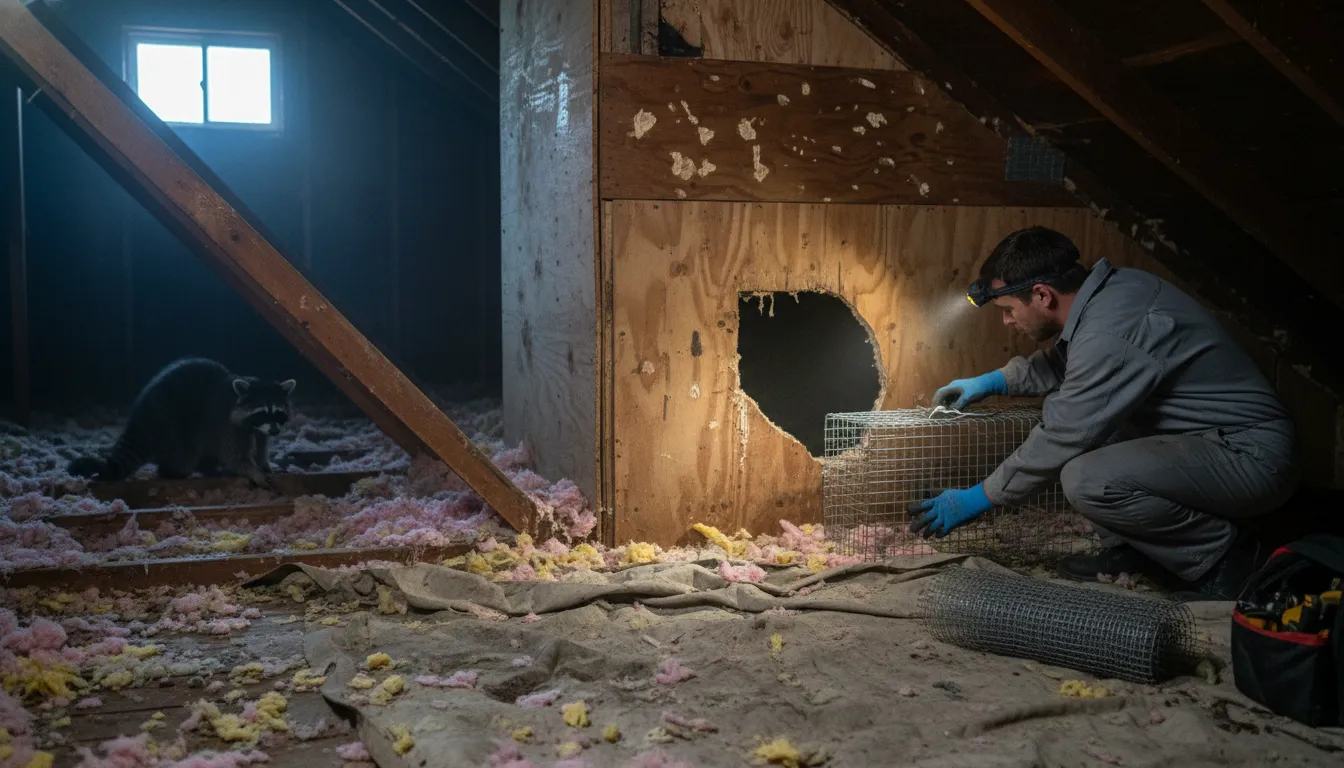
Discovering a raccoon in your attic or a family of squirrels in your chimney can be unsettling. In Bolingbrook, managing conflicts with local wildlife requires a specific understanding of Illinois laws and the most effective, humane strategies. This guide explains the common nuisance animals in the area, outlines your legal options for wildlife control, and provides practical steps for prevention and safe removal. You'll learn when to handle a situation yourself, when to call a professional, and how to protect your property from future intrusions.
D&K Pest Control and Wildlife Removal, LLC
Chicago, IL
D&K Pest Control and Wildlife Removal, LLC is a pest control and wildlife removal company serving Chicago, IL, and the western Chicago suburbs. They provide services for both residential and commercial properties, including pest inspections, one-time treatments, quarterly pest control plans, and custom wildlife exclusion solutions. Their work covers rodents, raccoons, squirrels, bats, birds, and common household pests. The company also offers structural repairs and long-term exclusion to prevent future infestations, combining pest removal with prevention efforts.
Landmark Pest Management
Chicago, IL
Landmark Pest Management provides science-based, environmentally-friendly pest control services in Chicago, IL, and surrounding counties. They handle a wide range of pests including ants, wasps, mice, mosquitoes, bed bugs, and wildlife, using humane and green methods. Founded in 1976 by a wildlife biologist, the company combines expertise from biologists and epidemiologists to deliver effective pest exclusion and control. Landmark offers a Complete Home Care program with year-round protection and 24/7 monitoring to maintain pest-free homes.
Effective Pest Solutions
Chicago, IL
Effective Pest Solutions provides comprehensive pest control services in Chicago, IL, serving both residential and commercial clients. Their offerings include treatment for bed bugs, ants, cockroaches, rodents, termites, and wildlife removal, with customized solutions for unique pest challenges. The company also supports institutions like schools and restaurants with pest management programs that comply with regulatory standards. They specialize in rodent control using trapping, monitoring, exclusion, and sanitation, and offer termite inspections and prevention plans to protect property integrity.
Aerex Pest Control
4301 E Wilmette Ave, Rolling Meadows, IL 60008
Aerex Pest Control is a family-owned pest control company serving Chicago, IL, and the Greater Chicagoland Area since 1948. They provide a wide range of pest management services including bed bug treatment, rodent control, termite inspections, mosquito control, and wildlife removal. With over 70 years of experience, Aerex Pest Control uses environmentally friendly methods and safe products approved by the Environmental Protection Agency to address both common and seasonal pests unique to the Chicago area. Their knowledgeable technicians apply targeted solutions that focus on long-term prevention and sustainability.
Guardian Pest Control
Chicago, IL
Guardian Pest Control provides residential and commercial pest and wildlife removal services in Chicago, IL, and the surrounding areas including Northwest Indiana. The company handles a wide range of pests such as bed bugs, cockroaches, ants, rodents, termites, mosquitoes, bees, wasps, and birds. Guardian Pest Control is licensed, bonded, and insured, with over 35 years of experience since 1987. They offer 24-hour emergency service without requiring contracts, allowing customers flexible treatment options.
Common Nuisance Wildlife in Bolingbrook
The suburban landscape of Bolingbrook, with its mix of homes, parks, and wooded areas, provides ideal habitat for many species. Knowing which animals are most likely to cause problems is the first step in managing them.
Mammals: Raccoons are frequent culprits, known for tipping over garbage cans and seeking shelter in attics or under decks. Gray and fox squirrels can enter homes through small openings to nest in walls or attics, often causing significant damage by chewing on wires and wood. Skunks may dig under porches or sheds to create dens, while opossums often seek temporary shelter. Bats can roost in attics or eaves, and their removal is highly regulated. At ground level, moles, voles, rats, and mice are common, with deer and groundhogs (woodchucks) occasionally causing landscape damage.
Birds: Several bird species can become nuisances. Flocks of pigeons, starlings, and crows may roost on buildings, creating noise and mess. Woodpeckers can damage siding as they search for insects or create nesting cavities. It's important to check specific Illinois Department of Natural Resources (IDNR) rules before attempting to manage bird problems, as many species are protected by federal law.
Understanding Illinois Wildlife Laws and Permits
Illinois has clear regulations governing the trapping and removal of wildlife. For most mammals and game birds, you cannot simply trap and relocate an animal without authorization.
A Nuisance Animal Removal Permit (NARP) from the IDNR is typically required for the removal of species like raccoons, squirrels, skunks, and opossums. These permits are issued to property owners or tenants who can demonstrate that the animal is causing property damage or posing a health or safety risk. You can request a permit by contacting an IDNR District Wildlife Biologist1.
The major exception to the permit rule involves unrestricted species. In Illinois, you can usually remove mice, rats, moles, voles, chipmunks, and shrews without a permit, as they are not protected under the same nuisance wildlife regulations.
For those who prefer not to navigate the permit process themselves, hiring a licensed Nuisance Wildlife Control Operator (NWCO) is the standard solution. These are certified professionals who possess the necessary permits and expertise to legally and humanely trap and remove problem animals for a fee2 3.
When to Call Bolingbrook Animal Control vs. a Wildlife Professional
It's crucial to know which agency handles different situations. Bolingbrook Animal Control should be your first call for immediate public safety and health threats. This includes:
- Any animal bite to a human or pet.
- A direct threat to public health or safety (e.g., an aggressive animal in a public space).
- Sick, injured, or orphaned wildlife.
- Stray domestic animals like dogs and cats.
For all other nuisance wildlife situations on private property-such as an animal in the attic, under the deck, or causing garden damage-you should contact a private Nuisance Wildlife Control Operator (NWCO). These professionals specialize in resolving wildlife conflicts on residential and commercial properties4.
Effective DIY Prevention and Control Methods
Before wildlife becomes a problem inside your home, proactive measures are your best defense. The core principle of long-term wildlife control is exclusion-physically blocking animals from entering.
Exclusion Techniques: Conduct a thorough inspection of your home's exterior. Seal any potential entry points in the roof, soffits, vents, and foundation with durable materials like heavy-gauge hardware cloth, steel flashing, or concrete. Pay special attention to areas where different building materials meet. Remember, a gap as small as a quarter can admit mice, and a hole the size of a baseball is an open door for squirrels.
Habitat Modification: Make your property less attractive to wildlife. Secure garbage cans with tight-fitting lids or bungee cords. Avoid leaving pet food outdoors overnight. Pick up fallen fruit from trees and clean up birdseed spilled from feeders. Trim tree branches that overhang or touch your roof to eliminate highways for squirrels and raccoons 5.
Deterrents: For temporary situations or to encourage an animal to leave a den site, you can use non-harmful deterrents. Bright lights, loud radios, or motion-activated sprinklers can make a den uncomfortable. For species like opossums that are just seeking temporary shelter, providing a clear exit path while making the space uninviting with light and smell (like ammonia-soaked rags) can prompt them to leave on their own6 7.
Find the perfect wildlife removal companies for your needs
Get personalized recommendations and expert advice
The Professional Wildlife Removal Process
When DIY methods aren't enough or an animal is already inside, professional wildlife control specialists follow a systematic approach.
Inspection and Identification: A certified NWCO will first perform a detailed inspection to identify the species, locate all active entry points, and assess the extent of the infestation and any damage.
Humane Removal: The method depends on the animal and situation. For mammals like raccoons or squirrels with young, a one-way door may be installed at the main entry point, allowing animals to exit but not re-enter. In other cases, live trapping may be the appropriate, permitted method. Professionals ensure removal is conducted in compliance with all Illinois state laws 8.
Exclusion and Repair: Simply removing the animal is not a complete solution. The most critical step a professional provides is permanent exclusion. They will seal all identified entry points with professional-grade materials to prevent re-entry by the same or different animals. This step is what turns a temporary fix into a long-term solution 9.
Cleanup and Restoration: Wildlife leaves behind waste, nesting materials, and often damaged insulation. Many NWCOs offer sanitization and deodorization services to address health hazards from droppings and urine. They may also provide attic insulation removal and replacement, and repair any structural damage caused by the animals.
Understanding Costs for Wildlife Control Services
The cost for professional animal removal in Bolingbrook varies based on the species, the location of the problem, and the extent of the work required.
Basic Trapping and Removal: For a single animal accessed from the exterior, such as a raccoon from a chimney or a skunk from under a deck, services often start in the $200 to $400 range. This may cover assessment, setting traps, and removal.
Attic or Wall Intrusions: Removal becomes more complex and costly when animals are inside the structure. Locating all animals, removing them humanely, and then performing exclusion and basic cleanup for an attic infestation by squirrels or raccoons can range from $300 to $800 or more, depending on the size of the area and the amount of contamination10 11.
Exclusion and Sealing: This is sometimes a separate charge but is a vital investment. Professionally sealing a home against future entry points can cost several hundred dollars, but it prevents recurring problems and additional removal fees.
Rodent Control: For mice and rats, pricing can vary widely. A comprehensive service that includes inspection, sealing entry points, and setting interior traps or monitoring stations is typically more effective and sustainable than baiting alone, which is often discouraged as it can lead to animals dying in walls.
Frequently asked questions
Sources
Footnotes
-
Request a Nuisance Animal Removal Permit - WILD - https://wild.wildlifeillinois.org/narp ↩
-
Living with Wildlife in Illinois How to Prevent Problems with ... - https://www.chicago.gov/content/dam/city/depts/cacc/PDFiles/Welcome_to_Living_with_Wildlife_in_Illinois.pdf ↩
-
Class A (commercial) Nuisance Wildlife Control Permits - https://dnr.illinois.gov/content/dam/soi/en/web/dnr/conservation/wildlife/documents/class-a-nwco-study-packet.pdf ↩
-
Animal Control - Bolingbrook, IL - https://www.bolingbrook.gov/animal_control ↩
-
Controlling Nuisance Mammals in Illinois - Deerfield, IL - https://deerfield.il.us/DocumentCenter/View/518 ↩
-
Animal Concerns | DuPage Co, IL - https://www.dupagecounty.gov/government/departments/animal_services/services/animal_concerns.php ↩
-
Bolingbrook Wildlife Control Company, Will County IL - http://www.aaanimalcontrol.com/professional-trapper/city/IL-Bolingbrook.htm ↩
-
Remove Nuisance Wildlife - https://wildlifeillinois.org/remove-nuisance-wildlife/ ↩
-
Wildlife Control Bolingbrook, IL - https://uswildlife.blob.core.windows.net/$web/wildlife-control-bolingbrook-il.html ↩
-
Bolingbrook Wildlife Animal Control - Wildlife Animal Control - http://www.wildlifeanimalcontrol.com/Bolingbrook.html ↩
-
Prices for Bolingbrook Wildlife Pest Control Animal Trapping - http://www.aaanimalcontrol.com/Professional-Trapper/prices/IL-Bolingbrook-prices.htm ↩