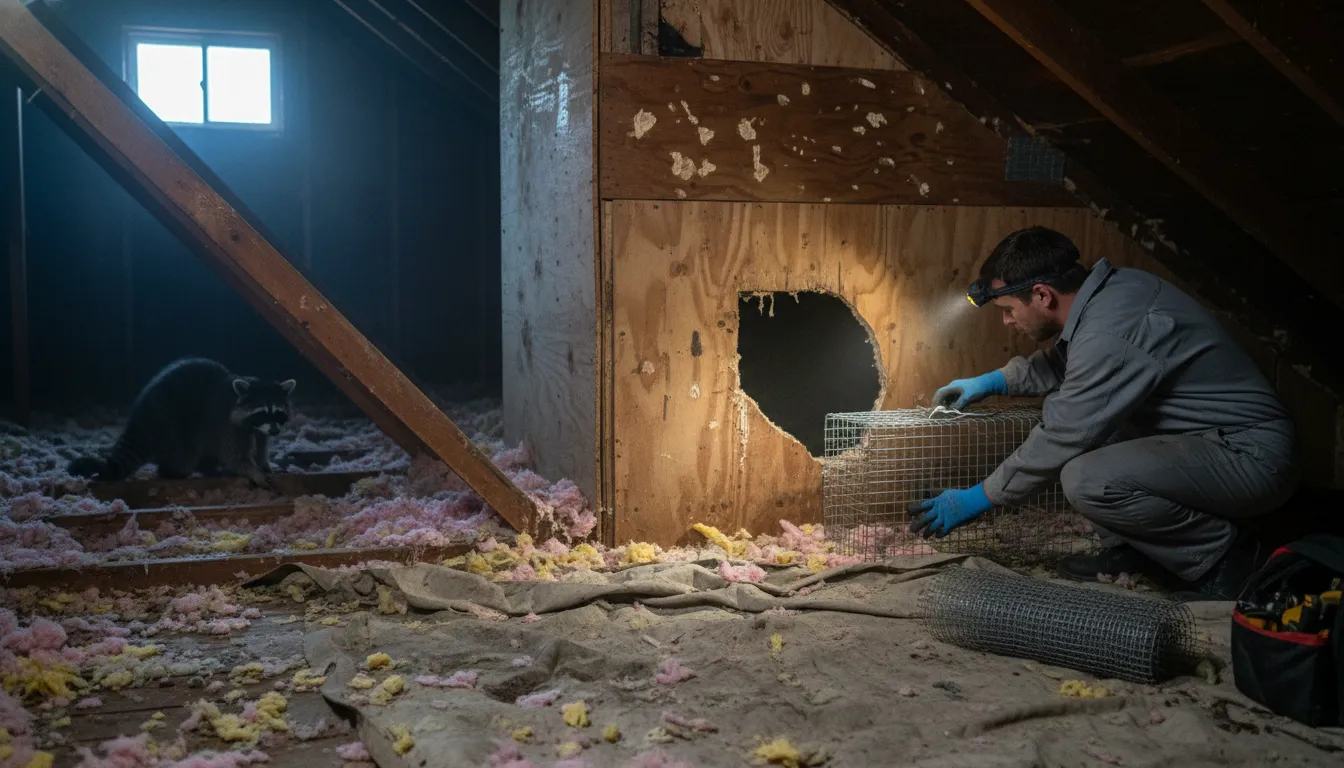
Find the Best Wildlife Removal Companies for Your Business
No obligation • Fast responses • Nationwide coverage

Why you can trust Pest Crews
Pest Crews is a leading U.S. resource for finding and evaluating residential and commercial pest control services. Our team researches providers, reviews treatment approaches, and organizes unbiased information to help you make informed decisions. Companies cannot pay to change our editorial content or influence how they appear.
Search providers near you
Top Wildlife Removal Companies in Tinley Park, Illinois Ranked
Discovering an uninvited animal in your attic, chimney, or crawl space can be unsettling. Wildlife removal is the professional service dedicated to safely and humanely resolving conflicts with wild animals that have taken up residence in or around your Tinley Park home. This process is crucial not only for your peace of mind but also for protecting your property from damage and preventing potential health risks. The following guide will help you understand your options, from legal requirements to hiring a professional, so you can effectively address your wildlife issue.
D&K Pest Control and Wildlife Removal, LLC
Chicago, IL
D&K Pest Control and Wildlife Removal, LLC is a pest control and wildlife removal company serving Chicago, IL, and the western Chicago suburbs. They provide services for both residential and commercial properties, including pest inspections, one-time treatments, quarterly pest control plans, and custom wildlife exclusion solutions. Their work covers rodents, raccoons, squirrels, bats, birds, and common household pests. The company also offers structural repairs and long-term exclusion to prevent future infestations, combining pest removal with prevention efforts.
Landmark Pest Management
Chicago, IL
Landmark Pest Management provides science-based, environmentally-friendly pest control services in Chicago, IL, and surrounding counties. They handle a wide range of pests including ants, wasps, mice, mosquitoes, bed bugs, and wildlife, using humane and green methods. Founded in 1976 by a wildlife biologist, the company combines expertise from biologists and epidemiologists to deliver effective pest exclusion and control. Landmark offers a Complete Home Care program with year-round protection and 24/7 monitoring to maintain pest-free homes.
Effective Pest Solutions
Chicago, IL
Effective Pest Solutions provides comprehensive pest control services in Chicago, IL, serving both residential and commercial clients. Their offerings include treatment for bed bugs, ants, cockroaches, rodents, termites, and wildlife removal, with customized solutions for unique pest challenges. The company also supports institutions like schools and restaurants with pest management programs that comply with regulatory standards. They specialize in rodent control using trapping, monitoring, exclusion, and sanitation, and offer termite inspections and prevention plans to protect property integrity.
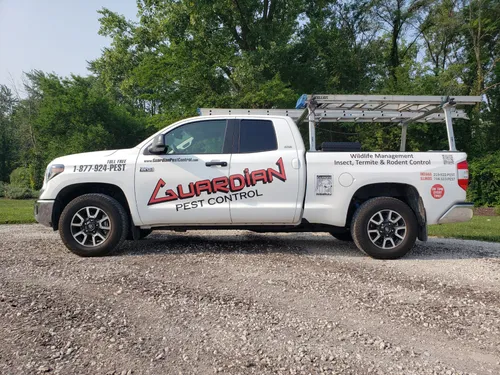
Guardian Pest Control
Chicago, IL
Guardian Pest Control provides residential and commercial pest and wildlife removal services in Chicago, IL, and the surrounding areas including Northwest Indiana. The company handles a wide range of pests such as bed bugs, cockroaches, ants, rodents, termites, mosquitoes, bees, wasps, and birds. Guardian Pest Control is licensed, bonded, and insured, with over 35 years of experience since 1987. They offer 24-hour emergency service without requiring contracts, allowing customers flexible treatment options.

Terminix
1552 W Fullerton Ave, Chicago, IL 60614
Terminix is a pest control company serving Chicago, IL, specializing in managing a wide range of pests including bed bugs, termites, ants, cockroaches, rodents, bees, wasps, and wildlife. Their local technicians are familiar with Chicago's unique pest challenges and provide customized inspection and treatment plans for both residential and commercial properties. Terminix offers termite protection systems and guarantees for termite damage repair, along with comprehensive pest control plans that cover interior and exterior treatments. The company is part of a nationwide network and focuses on seasonal and year-round pest management to address Chicago's climate and pest activity patterns.
Understanding Illinois Wildlife Laws
Before taking any action, it's essential to know that most wildlife in Illinois is considered state-owned, and its management is regulated by the Illinois Department of Natural Resources (IDNR). This means you generally cannot trap and relocate animals like raccoons, squirrels, or skunks without proper authorization. For many species, you must either hire a licensed professional or obtain a permit from the state.
The IDNR designates specific professionals known as Nuisance Wildlife Control Operators (NWCOs) to handle these situations. Attempting a DIY removal for protected animals can be illegal and may worsen the problem, potentially leading to orphaned young or increased property damage. Understanding these regulations is the first step toward a legal and effective solution.
Common Wildlife Intruders in Tinley Park
The suburban landscape of Tinley Park, with its mix of older homes, green spaces, and waterways, is attractive to a variety of wild animals seeking shelter and food. Knowing which animal you're dealing with is key to determining the correct removal strategy.
- Raccoons: These intelligent, dexterous animals are common culprits for attic invasions. They can tear through roof vents, soffits, and chimney caps to create dens, especially for raising young in the spring.
- Squirrels: Both gray and fox squirrels are notorious for chewing entry points into attics and eaves. Their constant gnawing can damage electrical wiring, posing a significant fire hazard.
- Skunks & Opossums: These ground-foraging animals often take shelter under decks, porches, and sheds. Skunks, of course, present a potent nuisance with their defensive spray, while opossums may raid pet food or garbage.
- Bats: Small colonies of bats can roost in attics or wall voids. Their presence is a concern due to potential diseases like rabies and histoplasmosis from accumulated guano (droppings). Special exclusion techniques, often timed for specific seasons, are required for bat removal.
- Coyotes: While typically not indoor invaders, coyotes are increasingly common in Tinley Park's periphery. They pose a threat to small pets and require professional management strategies focused on habitat modification and deterrents 1.
Your Two Legal Paths: Permit vs. Professional
When faced with a wildlife issue, Tinley Park residents generally have two lawful avenues, depending on the species involved.
Option 1: The Nuisance Animal Removal Permit (NARP)
For certain situations, the IDNR allows homeowners to apply for a Nuisance Animal Removal Permit (NARP). It's important to note that this permit is not for all animals. According to state guidelines, you can remove mice, rats, moles, voles, gophers, shrews, chipmunks, and thirteen-lined ground squirrels on your own without a permit.
For other mammals like raccoons or squirrels, you must first consult with your local IDNR District Wildlife Biologist to discuss the problem 2. If they determine a permit is warranted, you can apply online through the Wildlife Illinois website 3. If approved, the permit allows you to trap the animal, but it must be released on your property where it was caught or relocated only with written permission from a landowner-relocation to public parks or forest preserves is illegal 2 3. This process requires significant time and effort, which is why many homeowners opt for the second path.
Option 2: Hiring a Licensed Wildlife Control Operator
For most homeowners, hiring a licensed NWCO is the most efficient and effective solution. These professionals have the training, equipment, and state authorization to handle a wide array of animals legally. There are different classes of licenses:
- Class A NWCO: Licensed to handle most mammals, including raccoons, squirrels, skunks, and bats.
- Class D NWCO: Specializes in the control of migratory birds.
A reputable wildlife control service will provide a comprehensive approach that goes beyond simple trapping.
Find the perfect wildlife removal companies for your needs
Get personalized recommendations and expert advice
The Professional Wildlife Removal Process
A high-quality animal removal service follows a multi-step process to ensure the problem is solved permanently.
- Inspection and Assessment: A technician will perform a thorough inspection of your property to identify the species, locate all entry points, and assess the extent of the infestation and any damage.
- Humane Removal and Exclusion: This is the core of the service. Using a variety of legal traps and techniques, the animals are removed. Crucially, the technician will then seal all potential entry points with durable materials like steel mesh or hardware cloth to prevent re-entry-a step known as exclusion.
- Cleanup and Restoration: Wildlife leaves behind waste, nesting materials, and odors that can attract new pests and pose health risks. Professional services often offer biohazard cleanup, decontamination, and attic restoration, including replacing soiled insulation 4.
- Follow-up and Prevention: A good company will offer advice or services for long-term prevention, such as securing trash cans, trimming tree branches away from the roof, and installing chimney caps.
What Does Wildlife Removal Cost in Tinley Park?
Costs for animal control and exclusion vary significantly based on the species, the size of the infestation, the accessibility of the den site, and the extent of repairs needed. It's always best to get detailed quotes from several licensed NWCOs. However, you can expect a general range:
- Initial Inspection/Assessment: Often ranges from $100 to $250 or more, though some companies may apply this fee toward the total service cost.
- Removal & Exclusion Work: For a standard job involving trapping and sealing entry points for animals like squirrels or raccoons, costs typically range from $300 to over $1,000, depending on complexity 5.
- Attic Cleanup & Restoration: Removing contaminated insulation, sanitizing the area, and installing new insulation is a separate and often necessary service. This can range from $500 to $2,000 or more, depending on the square footage affected 6 7.
What Tinley Park Animal Control Does (and Doesn't Do)
It's a common point of confusion: Tinley Park's Animal Control division, which is part of the Police Department, handles domestic animals 8. This includes stray dogs and cats, barking complaints, and injured pets. For complex wildlife issues inside a home-such as a raccoon in the attic or bats in the chimney-local animal control will not assist 8 9. They will direct you to contact the IDNR or hire a private NWCO, which is the appropriate channel for resolving these types of nuisance wildlife conflicts 10.
Preventing Future Wildlife Problems
After your current issue is resolved, proactive measures can help keep your home wildlife-free:
- Seal Entry Points: Regularly inspect your roofline, siding, and foundation for gaps, cracks, or rotten wood. Pay special attention to areas where utilities enter the home.
- Secure Food Sources: Use locking lids on trash cans, avoid leaving pet food outdoors overnight, and consider bringing bird feeders inside during periods of high animal activity.
- Modify Habitat: Keep tree branches trimmed at least 6-8 feet away from your roof. Seal off openings under decks and sheds with heavy-gauge wire mesh buried into the ground.
- Install Deterrents: Chimney caps, vent covers, and soffit screens are excellent physical barriers that prevent access to popular den sites.
Frequently asked questions
Sources
Footnotes
-
Wildlife Removal in Tinley Park, IL - Pest Control - https://actionpestandwildlife.com/wildlife-removal-in-tinley-park-il/ ↩
-
Living with Wildlife in Illinois How to Prevent Problems with ... - https://www.chicago.gov/content/dam/city/depts/cacc/PDFiles/Welcome_to_Living_with_Wildlife_in_Illinois.pdf ↩ ↩2
-
Request a Nuisance Animal Removal Permit from the Illinois Department of Natural Resources - https://wild.wildlifeillinois.org/narp ↩ ↩2
-
Tinley Park Wildlife Removal Company - Grizz Pest Management - https://grizzpest.com/service-area/tinley-park-pest-control/wildlife-removal/ ↩
-
Hire a Wildlife Control Operator - https://wildlifeillinois.org/remove-nuisance-wildlife/hire-a-wildlife-control-operator/ ↩
-
Illinois Wildlife Control & Animal Removal Services - Critter Control - https://www.crittercontrol.com/office-finder/illinois/sw-illinois/ ↩
-
Tinley Park Wildlife Removal - Illinois Animal Pest Control - http://tinleyparkwildliferemoval.com/ ↩
-
Animal Control - Tinley Park - https://www.tinleypark.org/government/departments/police_department/animal_control/index.php ↩ ↩2
-
Tinley Park Wildlife Control / Illinois Animal Removal - http://www.aaanimalcontrol.com/professional-trapper/city/IL-Tinley-Park.htm ↩
-
Controlling Nuisance Mammals in Illinois - Deerfield, IL - https://deerfield.il.us/DocumentCenter/View/518 ↩