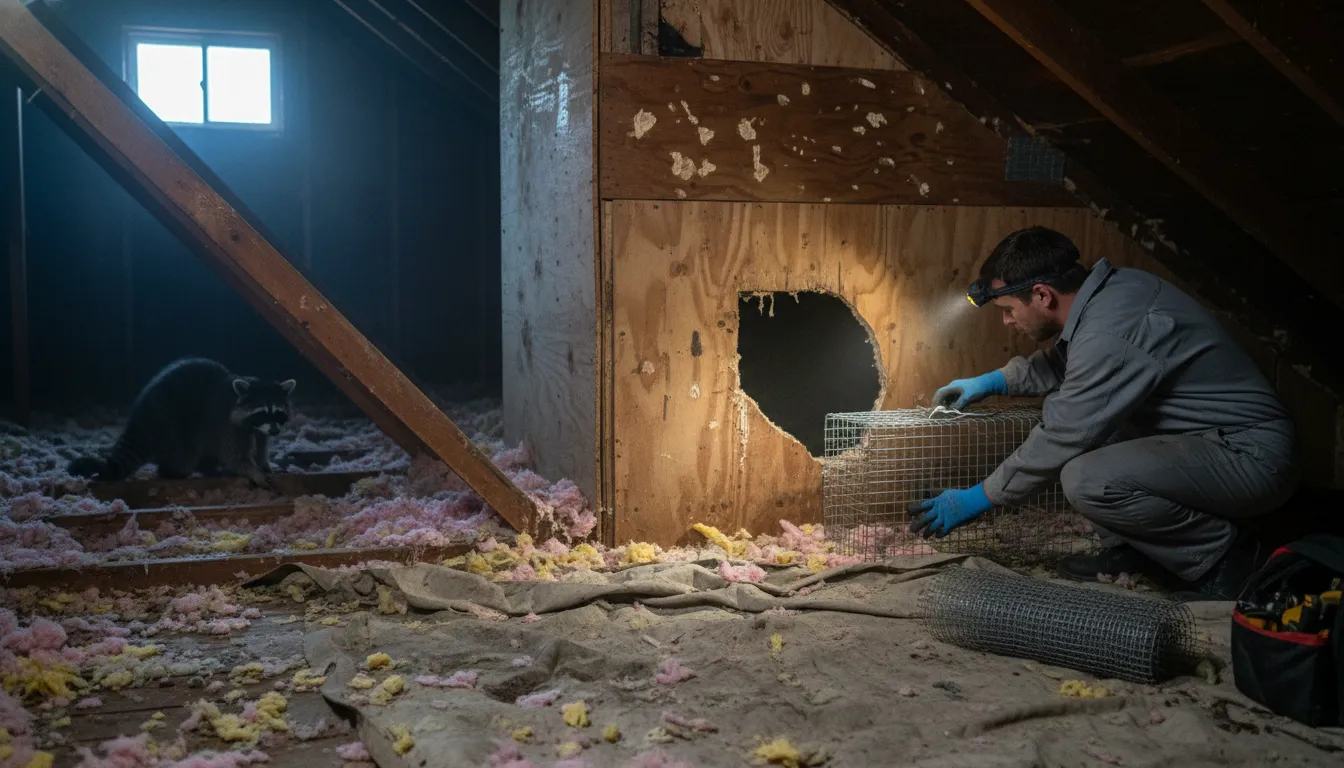
Find the Best Wildlife Removal Companies for Your Business
No obligation • Fast responses • Nationwide coverage

Why you can trust Pest Crews
Pest Crews is a leading U.S. resource for finding and evaluating residential and commercial pest control services. Our team researches providers, reviews treatment approaches, and organizes unbiased information to help you make informed decisions. Companies cannot pay to change our editorial content or influence how they appear.
Search providers near you
Top Wildlife Removal Companies in Waukegan, Illinois Ranked
Discovering a wild animal in your attic, under your deck, or rummaging through your trash can be unsettling. Wildlife removal is the professional service of safely and legally evicting nuisance animals from your property and implementing measures to prevent their return. In Illinois, this is a regulated activity, and in Waukegan, specific local and state rules apply. This guide explains the common wildlife issues in the area, the legal requirements for removal, and how you can find qualified local professionals to resolve your situation effectively and humanely.
Effective Pest Solutions
Chicago, IL
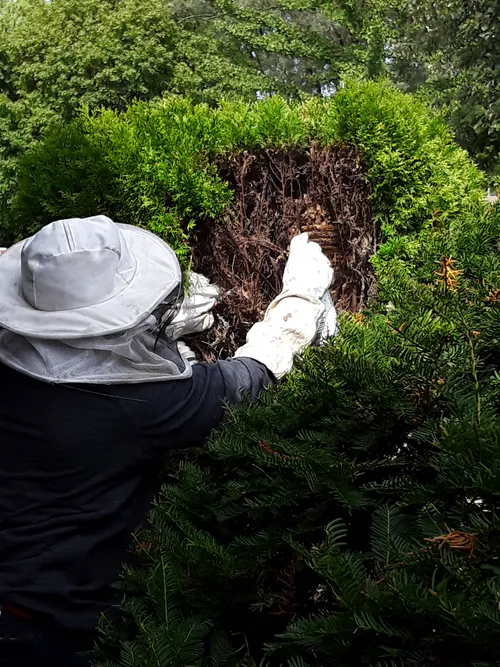
Effective Pest Solutions provides comprehensive pest control services in Chicago, IL, serving both residential and commercial clients. Their offerings include treatment for bed bugs, ants, cockroaches, rodents, termites, and wildlife removal, with customized solutions for unique pest challenges. The company also supports institutions like schools and restaurants with pest management programs that comply with regulatory standards. They specialize in rodent control using trapping, monitoring, exclusion, and sanitation, and offer termite inspections and prevention plans to protect property integrity.
Aerex Pest Control
4301 E Wilmette Ave, Rolling Meadows, IL 60008
Aerex Pest Control is a family-owned pest control company serving Chicago, IL, and the Greater Chicagoland Area since 1948. They provide a wide range of pest management services including bed bug treatment, rodent control, termite inspections, mosquito control, and wildlife removal. With over 70 years of experience, Aerex Pest Control uses environmentally friendly methods and safe products approved by the Environmental Protection Agency to address both common and seasonal pests unique to the Chicago area. Their knowledgeable technicians apply targeted solutions that focus on long-term prevention and sustainability.
Rose Pest Solutions
270 Larkin Dr Suite A, Wheeling, IL 60090
Rose Pest Solutions is a pest control company serving Chicago, IL, and the Midwest. They provide comprehensive pest management services for homes and businesses, including cockroach, ant, rodent, termite, bee and wasp removal, and wildlife control. The company uses environmentally friendly methods and advanced technology to create long-term pest solutions. Established in 1860, Rose Pest Solutions has over 165 years of experience in pest control. They offer year-round protection plans with multiple visits and emphasize sustainable practices to protect both customers and the environment.
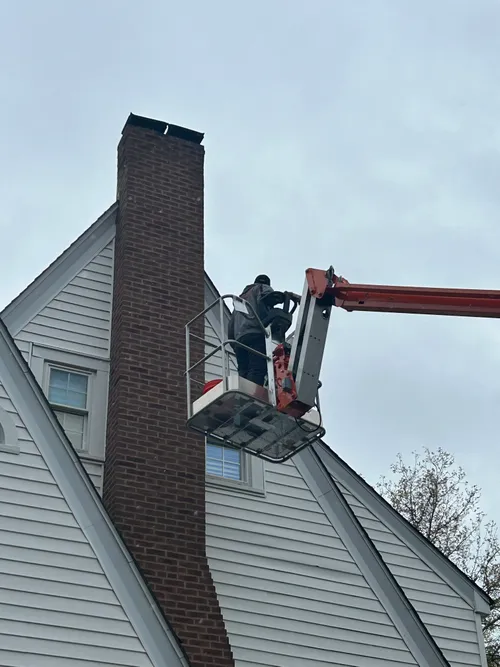
Fur Busters Wildlife
Chicago, IL
Fur Busters Wildlife is a pest control and wildlife removal company based in Chicago, IL. They specialize in humane removal and exclusion of raccoons, squirrels, bats, skunks, opossums, mice, and birds. Fur Busters focuses on environmentally sound and scientific methods to manage nuisance animals and prevent their return. They also offer animal damage restoration to repair properties affected by wildlife. The company serves Northern Illinois and emphasizes humane trapping and release techniques to avoid harm to animals. Fur Busters was founded to provide a fresh approach to wildlife control and is growing to become one of the largest wildlife exclusion companies in the region.

Smithereen Pest Management Services
7400 N Melvina Ave, Niles, IL 60714
Smithereen Pest Management Services provides integrated pest control solutions for both commercial and residential customers in Chicago, IL. They handle a wide range of pests including bed bugs, rodents, termites, mosquitoes, and wildlife. Their services extend to various industries such as government, manufacturing, and healthcare. Smithereen is known for their Green Shield Certified pest control, which emphasizes safe and environmentally responsible practices. Established in 1888, the company has a long history of delivering pest management expertise and remains available to assist clients throughout the process.
Common Nuisance Wildlife in Waukegan
The Waukegan area, with its proximity to Lake Michigan and natural green spaces, is home to a variety of wildlife that can sometimes come into conflict with homeowners. Knowing which animal you're dealing with is the first step toward a proper solution.
- Raccoons: Intelligent and dexterous, raccoons are frequent visitors seeking food and shelter. They often target trash cans, pet food, and can tear through roof vents or soffits to access warm attics for denning.
- Squirrels: Both gray and fox squirrels are common. They can cause significant damage by chewing on electrical wires, wood, and insulation inside attics and walls. Their constant activity can be noisy and destructive.
- Skunks: Known for their potent defensive spray, skunks often burrow under sheds, decks, and porches. Encounters with pets are a primary concern, and their digging can damage lawns and foundations.
- Bats: Small colonies of bats may roost in attics or behind shutters. While beneficial for insect control, their guano (droppings) can pose health risks and create odors. Special care is required due to their protected status and potential for carrying rabies.
- Other Mammals: You may also encounter opossums, woodchucks (groundhogs), coyotes, rabbits, and muskrats. Each species requires a different approach for safe and effective animal control.
Birds can also become a nuisance. Canada geese, ducks, and even woodpeckers can cause property damage or health hazards from droppings. It's important to note that most birds are protected by federal law, and their management often requires specific permits.
Illinois Laws and Regulations for Wildlife Control
In Illinois, all wild animals are considered property of the state. This means you cannot arbitrarily trap or remove them. The Illinois Department of Natural Resources (IDNR) sets the regulations, which are designed to ensure humane treatment and proper management of wildlife populations.
The Role of Licensed Professionals: For most situations, you are required to hire a licensed Nuisance Wildlife Control Operator (NWCO). These professionals hold either a Class A permit (for mammals) or a Class D permit (for birds) issued by the IDNR. They are trained in safe trapping, handling, and exclusion techniques that comply with state law. For example, state regulations have specific mandates on how certain species must be handled, such as the required euthanasia of skunks and the on-site release of raccoons in many cases.
DIY Trapping and Permits: If you choose to trap an animal yourself, you will likely need to obtain a Nuisance Animal Removal Permit (NARP) from the IDNR 1. These permits are generally issued for situations involving property damage or health risks, not for minor annoyances 2. The application process involves describing the problem and the intended trapping methods. It is illegal to use poisons, spears, deadfall traps, or certain pesticides without specific licensure 2 3. Furthermore, local ordinances in Waukegan may restrict trapping within certain safety zones, such as 150 feet from homes or 450 feet from schools 4.
When to Call for Professional Animal Removal Services
Understanding who to call for different situations will save you time and ensure the problem is handled correctly.
- Call a Licensed NWCO: This is your go-to resource for most wildlife intrusions. Hire a professional for animals in your attic, chimney, walls, or under structures; for recurring problems; or for any situation where exclusion (permanent sealing of entry points) is needed. They handle the entire process: inspection, humane removal, exclusion, and cleanup.
- Contact Lake County Animal Care & Control: You should reach out to your local animal control authority if a wild animal is trapped inside the living areas of your home, or if you encounter an animal that is visibly sick, injured, or acting abnormally (which could indicate rabies) 5 6. They typically do not handle wildlife living in attics or under decks but can assist with immediate threats to human safety inside the home.
- Contact the IDNR: Reach out to the IDNR for questions about regulations, to apply for a DIY removal permit, or to verify the license of a wildlife control operator 7 8.
Find the perfect wildlife removal companies for your needs
Get personalized recommendations and expert advice
The Professional Wildlife Removal Process
A reputable wildlife removal service will follow a comprehensive, multi-step process to solve your problem permanently, not just temporarily.
- Inspection and Assessment: A technician will perform a thorough inspection of your property, inside and out, to identify the species, locate all entry points, and assess the extent of the damage or contamination.
- Humane Removal: Using state-approved methods, the animals will be live-trapped and removed. The method depends on the species and situation. For example, a one-way exclusion door may be installed over a main entry hole, allowing animals to leave but not re-enter.
- Exclusion and Repair: This is the most critical step for a long-term solution. All identified entry points-from roof vents to gaps in siding-are sealed with durable materials like steel mesh or hardware cloth to prevent re-entry. This step transforms a simple trapping job into true wildlife control.
- Cleanup and Sanitation: Areas contaminated by urine, feces, or nesting materials are cleaned and disinfected. In cases of bat or rodent infestations, this may involve attic restoration, including removing and replacing soiled insulation.
- Prevention Advice: A good operator will provide recommendations for making your property less attractive to wildlife, such as securing trash cans, removing pet food at night, and trimming tree branches away from the roof.
Cost of Wildlife Removal in Waukegan
The cost for professional wildlife control and animal trapping in Waukegan varies based on several factors, but you can generally expect an investment of several hundred dollars 9. The price is influenced by:
- Species: Removing a colony of bats or a family of raccoons is typically more complex and costly than removing a single squirrel or groundhog.
- Location and Accessibility: An animal in a hard-to-reach attic crawl space will take more time and effort to remove than one under an easily accessible deck.
- Extent of Damage and Exclusion Needed: The cost will increase if significant repairs are needed to the structure or if a large number of entry points require sealing.
- Cleanup Services: Decontamination and insulation removal/restoration are specialized services that add to the overall cost.
While DIY may seem cheaper, the expertise, proper equipment, legal compliance, and guarantee of a permanent solution offered by professionals often make it the more effective and less risky choice in the long run 10.
Preventing Future Wildlife Problems
After your current issue is resolved, proactive measures can help keep your property wildlife-free.
- Seal Entry Points: Regularly inspect your home's exterior for gaps, holes, or loose vents. Pay special attention to the roofline, chimney, and areas where utilities enter.
- Manage Food Sources: Use trash cans with locking lids, do not leave pet food outdoors overnight, and consider bringing bird feeders inside at dusk.
- Modify Habitat: Keep tree branches trimmed back at least 6-8 feet from your roof. Seal off crawl space vents with sturdy mesh. Remove wood piles, dense brush, or debris near your home that can provide shelter.
- Use Humane Deterrents: Motion-activated lights or sprinklers can startle and discourage animals from frequenting specific areas.
Frequently asked questions
Sources
Footnotes
-
Request a Nuisance Animal Removal Permit from the Illinois Department of Natural Resources - https://wild.wildlifeillinois.org/narp ↩
-
Animal Control | Northbrook, IL - https://www.northbrook.il.us/821/Animal-Control ↩ ↩2
-
JUNE 29, 2020 17 ILL. ADM. CODE CH. I, SEC. 525 TITLE 17 - https://dnr.illinois.gov/content/dam/soi/en/web/dnr/adrules/documents/17-525.pdf ↩
-
Waukegan Wildlife Control / Illinois Animal Removal - http://www.aaanimalcontrol.com/professional-trapper/city/IL-Waukegan.htm ↩
-
Animal Care & Control | Lake County, IL - https://www.lakecountyil.gov/152/Animal-Care-Control ↩
-
ANIMAL CARE AND CONTROL - Lake County, Illinois - https://www.lakecountyil.gov/DocumentCenter/View/14948/ACC-brochure6-11-15?bidId= ↩
-
Hire a Wildlife Control Operator - https://wildlifeillinois.org/remove-nuisance-wildlife/hire-a-wildlife-control-operator/ ↩
-
Remove Nuisance Wildlife - https://wildlifeillinois.org/remove-nuisance-wildlife/ ↩
-
Prices for Waukegan Wildlife Pest Control Animal Trapping - http://www.aaanimalcontrol.com/professional-trapper/prices/IL-Waukegan-prices.htm ↩
-
Illinois Wildlife Control & Animal Removal Services - Critter Control - https://www.crittercontrol.com/office-finder/illinois/sw-illinois/ ↩