Find the Best Wildlife Removal Companies for Your Business
No obligation • Fast responses • Nationwide coverage

Why you can trust Pest Crews
Pest Crews is a leading U.S. resource for finding and evaluating residential and commercial pest control services. Our team researches providers, reviews treatment approaches, and organizes unbiased information to help you make informed decisions. Companies cannot pay to change our editorial content or influence how they appear.
Search providers near you
Best Wildlife Removal Companies in Louisiana Ranked
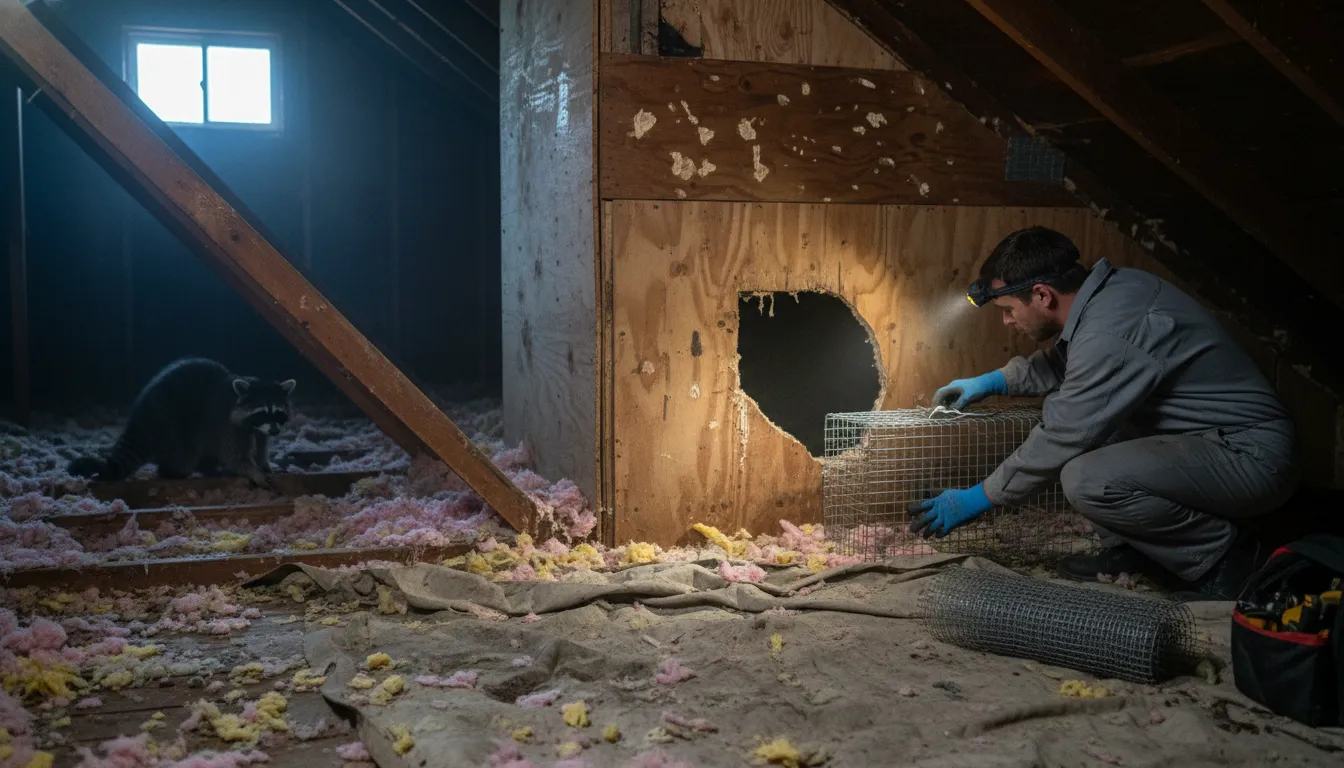
When wildlife like raccoons, squirrels, or opossums move into your attic or under your deck, they can cause significant damage and pose health risks. Professional wildlife removal is the safe and effective process of humanely evicting these animals and securing your property against future intrusions. In Louisiana, this work is regulated, and finding a properly licensed local expert is crucial for a legal and lasting solution. This guide explains the rules, processes, and how to connect with qualified professionals in your area to resolve your nuisance wildlife problem.
Pelican Pest Control
17485 Opportunity Ave Building 2, Suite E, Baton Rouge, LA 70817
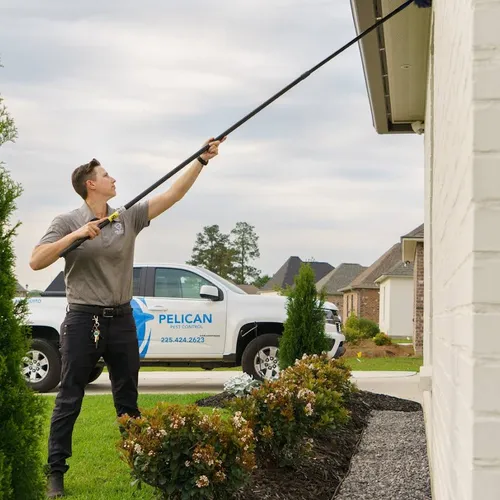
Pelican Pest Control is a pest control company based in Baton Rouge, LA, offering services for both residential and commercial properties. They provide comprehensive pest extermination and removal solutions for a wide range of pests including termites, ants, cockroaches, mosquitoes, bed bugs, rodents, and wasps. Their termite control services help protect properties from structural damage caused by infestations. Pelican Pest Control serves the greater Baton Rouge area and nearby locations such as New Orleans. With over 40 years of experience, they use EPA-approved products and offer tailored pest control plans to meet specific client needs.
LaJaunie's Pest Control
11745 Bricksome Ave, Baton Rouge, LA 70816
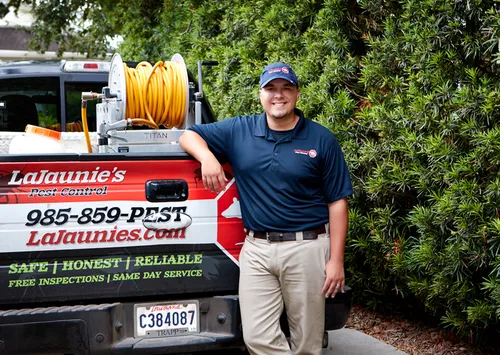
LaJaunie's Pest Control is a family-owned pest control company serving Baton Rouge, LA, and surrounding Louisiana areas. They provide a wide range of services including bed bug treatment, cockroach and rodent control, termite inspections, mosquito control, wildlife removal, and commercial pest management. The company offers detailed termite inspections and targeted treatments designed for the local climate, focusing on problem areas rather than just visible pests. Founded in 2008, LaJaunie's Pest Control has over 18 years of experience serving Louisiana homeowners. They also provide same-day service when possible and use environmentally friendly, kid- and pet-safe solutions.
Terminix
907 Parent St, New Roads, LA 70760
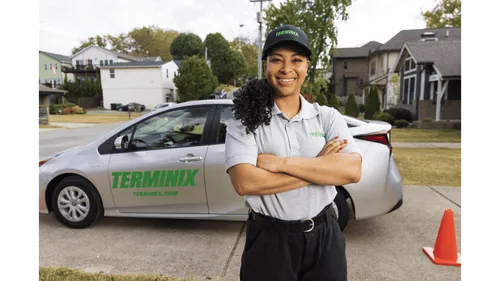
Terminix provides comprehensive pest control services in Baton Rouge, LA, addressing common local pests such as termites, mosquitoes, rodents, cockroaches, ants, and bed bugs. Their experienced technicians use advanced methods tailored to the area's warm, humid climate to manage infestations and prevent future problems. Terminix offers specialized termite inspections and continuous protection systems, as well as mosquito and rodent control solutions designed to reduce pest populations effectively. The company serves a wide range of communities around Baton Rouge and is supported by a nationwide network of pest control expertise.
Anti-Pest
1658 Benton Rd Suite 500, Bossier City, LA 71111
Anti-Pest is a family-operated pest control company serving Shreveport, LA, and the surrounding area since 1950. They provide a wide range of pest management services including bed bug treatment, cockroach and ant control, rodent removal, termite inspections and treatments, mosquito control, wildlife removal, and commercial pest control. One notable capability is their use of the Sentricon® Termite Colony Elimination System, an eco-friendly termite baiting solution that targets entire termite colonies. Anti-Pest offers customized pest management plans designed to address specific infestations and includes ongoing treatments to prevent pest return.
LaJaunie's Pest Control
4344 Earhart Blvd Ste B, New Orleans, LA 70125
LaJaunie's Pest Control is a family-owned pest control company serving New Orleans, LA, and surrounding areas. They provide a wide range of services including bed bug treatment, termite inspection, wildlife removal, and commercial pest control. Their capabilities include environmentally-friendly pest control solutions and a pest-free guarantee to protect homes and businesses. Founded in 2008, LaJaunie's Pest Control has over 18 years of experience serving Louisiana homeowners. They also offer same-day service and priority scheduling for current customers.
Understanding Louisiana's Wildlife Removal Regulations
In Louisiana, the Louisiana Department of Wildlife and Fisheries (LDWF) manages human-wildlife conflicts. A key point for homeowners and businesses is that the LDWF does not provide removal services. Instead, they license private professionals known as Nuisance Wildlife Control Operators (NWCOs) to handle most common nuisance species.
The state's approach categorizes animals based on their legal status, which dictates who can remove them and under what circumstances. Navigating these rules correctly ensures you don't accidentally violate wildlife protection laws while protecting your property.
Common Nuisance Species vs. Protected Wildlife
Knowing what kind of animal you're dealing with is the first step. The rules differ significantly between common pests and specially protected species.
Typical Nuisance Animals: These are the animals most frequently involved in conflicts with people in Louisiana. They are generally not protected and can be managed by a licensed NWCO. This group includes:
- Raccoons
- Squirrels (gray and fox)
- Opossums
- Rats (including Norway and roof rats)
- Nutria
- Coyotes
- Feral hogs
- Skunks
- Some non-venomous snakes
For these species, homeowners must hire a state-licensed NWCO for removal. The operator's permit covers the legal taking of these animals.
Specially Protected or Managed Species: These animals have additional legal protections or require specialized handling. They are not covered under a standard NWCO permit for common nuisances. If you have a problem with one of these animals, you must contact the LDWF directly or a specialist they authorize. This category includes:
- Deer
- Bears (including the Louisiana black bear, which is federally protected)
- Alligators
- Migratory birds (protected under federal law)
Attempting to remove these animals yourself or through a standard NWCO can result in serious legal penalties.
The Role of Licensed Nuisance Wildlife Control Operators (NWCOs)
A Nuisance Wildlife Control Operator is a professional licensed by the LDWF to resolve wildlife conflicts for a fee. To obtain this permit, individuals must demonstrate knowledge of wildlife laws, identification, humane techniques, and safety procedures.
What a Licensed NWCO Does
A professional service involves more than just trapping an animal. A comprehensive approach includes:
- Inspection: Identifying the species, entry points, and the extent of the infestation.
- Humane Removal: Using appropriate, legal, and humane methods to trap and remove the animals.
- Exclusion: This is the most critical step. It involves permanently sealing entry points with durable materials like steel mesh or hardware cloth to prevent re-entry.
- Clean-up and Sanitation: Removing contaminated insulation, droppings, and nesting materials to eliminate health hazards and odors.
- Relocation (where legal): Relocating wildlife in Louisiana is highly restricted due to disease and ecological concerns. Often, animals are euthanized in accordance with state regulations 1.
Find the perfect wildlife removal companies for your needs
Get personalized recommendations and expert advice
Permits: What Homeowners and Businesses Need to Know
The permit structure can be confusing. In most common scenarios, the homeowner does not need a personal permit.
- For the Professional: The NWCO must hold a valid LDWF Nuisance Wildlife Control Operator Permit to legally operate 2.
- For the Homeowner: When you hire a licensed NWCO, their permit covers the removal action. You are not required to get an additional permit for common species like raccoons or squirrels.
There are specific exceptions where a homeowner might need direct authorization from LDWF:
- Shooting "Outlaw" Species at Night: A landowner may shoot nutria, beaver, skunks, or opossums at night on their property without a permit if these animals are causing damage 3 4.
- Deer, Bear, and Alligator Conflicts: These always require direct contact with the LDWF. The department will issue a specific permit or dispatch an authorized agent to handle the situation 5 6.
The Cost of Wildlife Removal in Louisiana
The price for animal removal services varies widely based on the species, the severity of the infestation, the location of the animals (e.g., attic, crawl space, wall), and the extent of repairs needed. Since services are provided by private companies, they set their own fees.
What Influences Cost:
- Animal Type: Removing a colony of bats or raccoons is typically more involved and costly than removing a single opossum.
- Access Difficulty: An animal in a high, hard-to-reach attic will cost more to remove than one under a porch.
- Damage Repair: The essential work of exclusion (sealing the house) and repairing damage (chewed wires, soiled insulation) adds to the total cost.
- Emergency Services: After-hours or weekend calls often incur higher fees.
Typical Cost Range: While prices are set by individual operators, homeowners can expect a range. A simple trapping job might start at a few hundred dollars. However, a full-service job for a common problem like squirrels or raccoons in an attic-including inspection, humane removal, exclusion sealing, and basic clean-up-often ranges from several hundred to over a thousand dollars, depending on the factors above 7 8. Always get a detailed, written estimate that breaks down inspection, removal, exclusion, and repair costs.
How to Find and Hire a Wildlife Removal Professional in Louisiana
Taking the right steps will help you find a reliable and legal service.
- Identify the Problem: Try to safely identify the animal from signs like noises, droppings, or entry holes. This will help when speaking with professionals.
- Verify the License: Always confirm that the company or individual holds a current LDWF Nuisance Wildlife Control Operator Permit. You can ask for their permit number or check with the LDWF. Local parish resources, like those in Baton Rouge or Jefferson Parish, also emphasize using licensed operators 9 10.
- Get Multiple Quotes: Contact several licensed NWCOs for an on-site inspection and written estimate. Be wary of quotes given over the phone without an inspection.
- Ask the Right Questions:
- "What is your LDWF NWCO permit number?"
- "Can you provide a detailed written estimate?"
- "What is your specific process for removal and exclusion?"
- "Do you guarantee your exclusion work against re-entry?"
- "How do you handle clean-up and sanitation?"
- Review the Contract: Ensure the work scope, warranty, and total cost are clearly documented before any work begins.
Preventative Measures for Homeowners
The best solution is to prevent wildlife from entering in the first place. Proactive steps include:
- Secure Trash: Use wildlife-proof bins with locking lids.
- Seal Entry Points: Inspect your roofline, vents, soffits, and foundation for gaps. Seal any hole larger than a quarter inch.
- Remove Attractants: Keep pet food indoors, clean up fallen birdseed, and harvest ripe fruit from trees.
- Trim Vegetation: Keep tree branches trimmed back at least 6-10 feet from your roof to limit access for squirrels and raccoons.
By combining prevention with professional intervention when needed, you can effectively manage wildlife conflicts on your Louisiana property.
Frequently asked questions
Sources
Footnotes
-
La. Admin. Code tit. 76, § V-127 - Nuisance Wildlife Control ... - https://www.law.cornell.edu/regulations/louisiana/La-Admin-Code-tit-76-SS-V-127 ↩
-
Nuisance Wildlife Control Operator Permit - https://www.wlf.louisiana.gov/page/nuisance-wildlife-control-operator-permit ↩
-
Nuisance Wildlife | West Baton Rouge Parish, LA - https://wbrcouncil.org/776/Nuisance-Wildlife ↩
-
Nuisance Nutrias and Beavers | Louisiana Department of Wildlife ... - https://www.wlf.louisiana.gov/page/nuisance-nutrias-and-beavers ↩
-
Nuisance Wildlife Control and Removal - https://www.wlf.louisiana.gov/page/nuisance-wildlife-control-and-removal ↩
-
Topics - Nuisance Wildlife Removal - City of New Orleans - https://nola.gov/next/mosquito/topic/nuisance-wildlife-removal/ ↩
-
Wildlife Removal & Pest Control in New Orleans - https://www.crittercontrol.com/office-finder/louisiana/new-orleans/ ↩
-
How Much Does Animal & Wildlife Removal Cost? (2025) - https://homeguide.com/costs/animal-and-wildlife-removal-costs ↩
-
Nuisance Control Operators & Training | Baton Rouge, LA - https://www.brla.gov/191/Nuisance-Control-Operators-Training ↩
-
Wildlife and Rodent Control | Jefferson Parish, LA - https://www.jeffparish.gov/309/Wildlife-and-Rodent-Control ↩