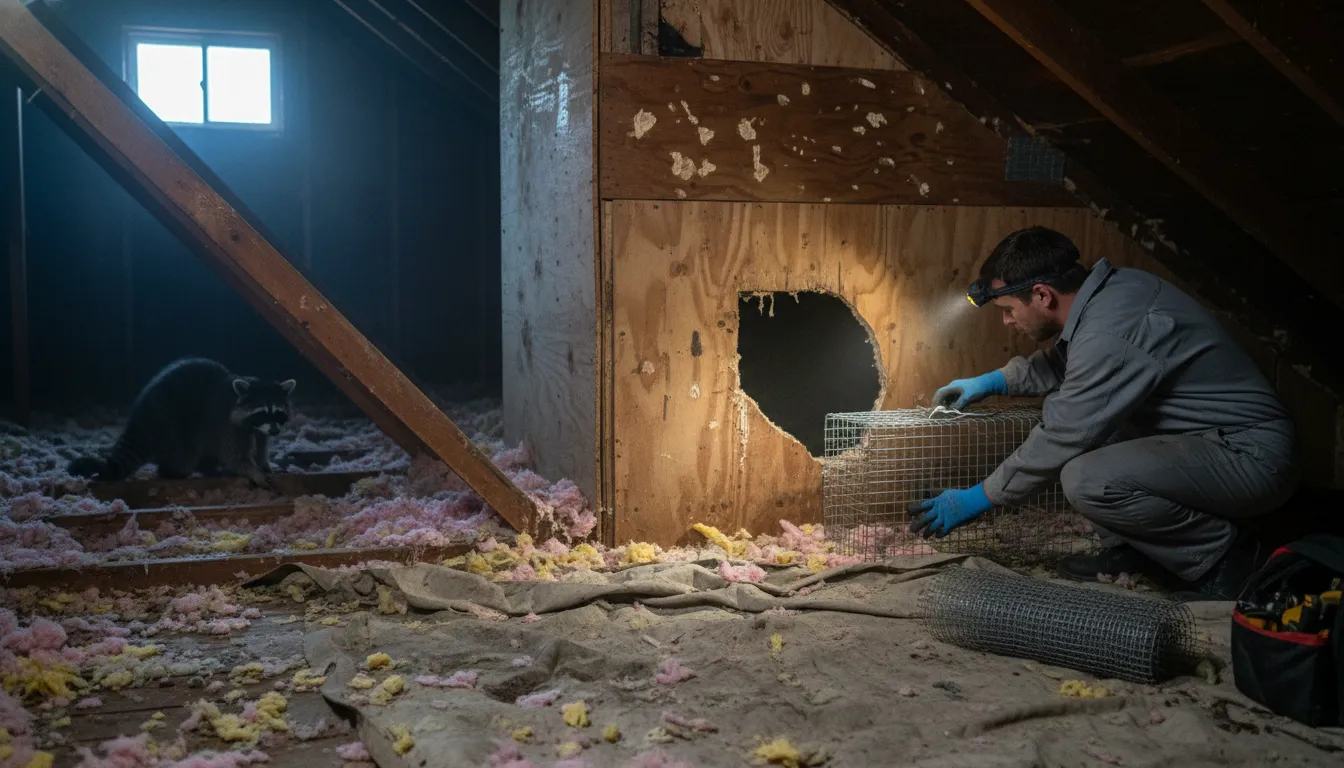
Find the Best Wildlife Removal Companies for Your Business
No obligation • Fast responses • Nationwide coverage

Why you can trust Pest Crews
Pest Crews is a leading U.S. resource for finding and evaluating residential and commercial pest control services. Our team researches providers, reviews treatment approaches, and organizes unbiased information to help you make informed decisions. Companies cannot pay to change our editorial content or influence how they appear.
Search providers near you
Top Wildlife Removal Companies in New Orleans, Louisiana Ranked
Living in New Orleans means sharing space with a vibrant ecosystem, but when wildlife like raccoons, rats, or opossums move into your attic or under your house, they become a nuisance and a potential hazard. Professional wildlife removal is the safe, legal, and effective process of humanely evicting these animals and securing your property against future intrusions. This guide will help you understand the common problem species in the area, what you can do on your own, and when it's essential to call in a licensed expert to protect your home and family.
LaJaunie's Pest Control
4344 Earhart Blvd Ste B, New Orleans, LA 70125
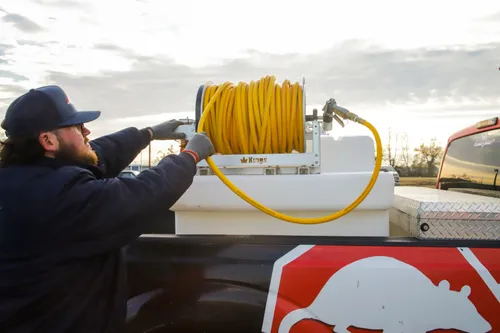
LaJaunie's Pest Control is a family-owned pest control company serving New Orleans, LA, and surrounding areas. They provide a wide range of services including bed bug treatment, termite inspection, wildlife removal, and commercial pest control. Their capabilities include environmentally-friendly pest control solutions and a pest-free guarantee to protect homes and businesses. Founded in 2008, LaJaunie's Pest Control has over 18 years of experience serving Louisiana homeowners. They also offer same-day service and priority scheduling for current customers.
Romex Pest Control
542 Johnny F. Smith Blvd Ste 202, Slidell, LA 70460
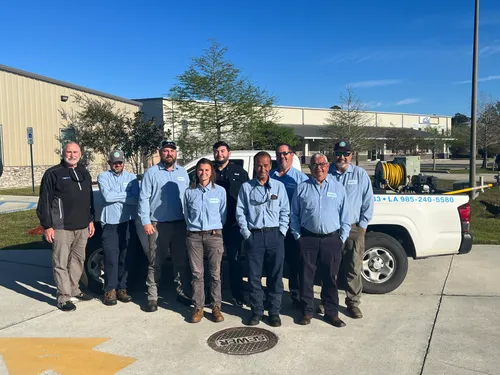
Romex Pest Control is a locally owned and operated pest management company serving New Orleans, LA. They provide eco-friendly, child-safe, and pet-friendly pest control solutions tailored to the unique pest challenges of Coastal Louisiana. Their services cover a wide range of pests including termites, rodents, mosquitoes, ants, cockroaches, and bed bugs, with specialized treatments and real estate inspections available. Romex Pest Control emphasizes safe methods to protect homes and businesses from common and seasonal pests while minimizing environmental impact.
Redd Pest Solutions
9215 US 49, Gulfport, MS 39503
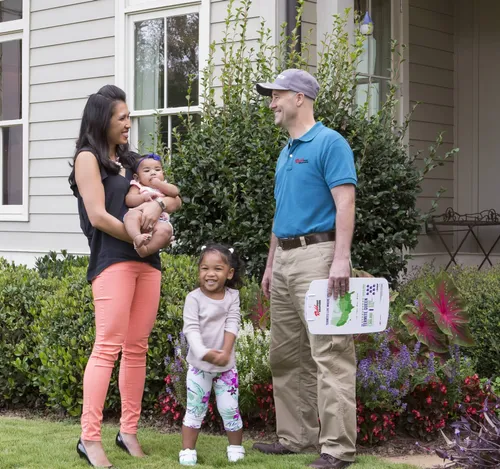
Redd Pest Solutions is a family-owned pest control company serving New Orleans, LA, and surrounding areas. With over 70 years of experience, they offer a wide range of services including bed bug treatment, termite inspections, rodent control, mosquito control, and wildlife removal. The company employs certified entomologists and provides same-day services along with 24-hour assistance. Their expertise includes comprehensive pest management backed by a long history of serving Mississippi, Louisiana, and Alabama.
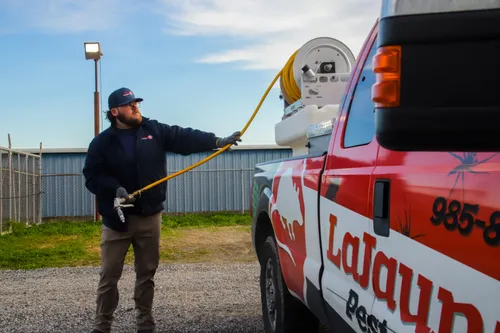
LaJaunie's Pest Control
60378 N Military Rd, Slidell, LA 70461
LaJaunie's Pest Control is a family-owned business serving New Orleans, LA, and surrounding areas with pest control and termite inspection services. They offer treatments for a wide range of pests including bed bugs, rodents, mosquitoes, and wildlife, focusing on targeted, environmentally-friendly solutions tailored to local conditions. Founded in 2008, LaJaunie's Pest Control provides thorough termite inspections and ongoing pest management plans backed by a pest-free guarantee. They also offer same-day service and prioritize customer scheduling to address pest issues promptly.
DA Exterminating Co Inc
4440 Wabash St, Metairie, LA 70001
DA Exterminating Co Inc is a pest control company based in New Orleans, LA, offering a wide range of services including cockroach, ant, rodent, termite, mosquito, bee and wasp removal, as well as wildlife control. They provide both residential and commercial pest management solutions, with expertise in termite inspections and the Sentricon baiting system. With over 30 years of experience serving the New Orleans area, DA Exterminating is known for thorough inspections, preventative care, and effective pest control treatments.
Common Nuisance Wildlife in New Orleans
The unique urban-wetland environment of New Orleans attracts a specific set of wildlife that can conflict with homeowners. Knowing what you're dealing with is the first step.
Mammals in Attics and Crawlspaces
- Raccoons: These intelligent, dexterous animals are frequent attic invaders, especially in search of shelter for raising young. They can cause significant damage to insulation, ductwork, and roofing.
- Rats: Particularly common in historic neighborhoods with older infrastructure, rats pose serious health risks and can chew through wires and pipes.
- Opossums: Often found under decks, sheds, or crawlspaces, these marsupials are generally less destructive but can create messes and carry parasites.
- Squirrels & Bats: Squirrels can gnaw on structural wood and electrical lines, while bats, though beneficial for insect control, can create guano issues in attics if they establish a colony.
Invasive and Special Concern Species
- Nutria: These large, semi-aquatic rodents are prevalent near canals and marshes and are known for their destructive burrowing, which can undermine levees, foundations, and landscaping. 1
- Alligators: While not a typical home invader, alligators can appear in drainage canals, ponds, and even swimming pools, especially during warmer months. They are strictly regulated and should only be handled by authorities.
- Birds: Pigeons are a major nuisance in commercial areas and the French Quarter, where their droppings can damage buildings and create unsanitary conditions. 2
What You Can Do: DIY Prevention and Exclusion
Before an animal moves in, there are several effective, humane steps you can take to make your property less attractive. The core principles of do-it-yourself wildlife control are habitat modification, exclusion, and using deterrents. 3
Habitat Modification: This involves removing the food, water, and shelter that attract animals.
- Secure trash cans with tight-fitting, locking lids.
- Pick up fallen fruit from trees and avoid leaving pet food outdoors.
- Clear away dense brush, wood piles, and debris from your home's foundation.
Exclusion (Sealing Entry Points): This is the most permanent solution. Carefully inspect your home's exterior for gaps, holes, or loose vents. Use sturdy materials like hardware cloth, steel wool, or sheet metal to seal any openings larger than a quarter-inch. Pay special attention to roof lines, soffits, and areas where utilities enter the home.
Frightening Devices & Repellents: Motion-activated sprinklers, lights, or ultrasonic devices can sometimes discourage animals from settling in. Visual or scent-based repellents may offer temporary relief for certain species.
A Critical Warning: It is important to never attempt to trap, handle, or relocate a wild animal yourself. Many species in Louisiana are protected by law, and improper handling can be dangerous due to the risk of bites, scratches, and disease transmission. If you see a sick, injured, or obviously distressed animal, do not approach it.
When to Call for Professional Wildlife Control
There are clear situations where DIY methods are insufficient or unsafe. Understanding the roles of different agencies and professionals is crucial for a swift and legal resolution.
Contact the Louisiana Department of Wildlife and Fisheries (LDWF): You should directly contact LDWF for specific, regulated situations. Call their 24-hour hotline at 800-442-2511 or 504-284-2023 for:
- Sick, injured, or orphaned wildlife.
- Alligators, bears, deer, or migratory birds (including nests).
- Questions about protected species.
Hire a Licensed Nuisance Wildlife Control Operator (NWCO): For general nuisance animals like raccoons in the attic, rats in the walls, or opossums under the porch, a licensed NWCO is your go-to professional. The LDWF permits these specialists to handle the legal removal of most common nuisance species. They have the expertise, tools, and legal authority to:
- Inspect your property to identify the species and all entry points.
- Humanely Remove the animals using approved methods.
- Exclude & Repair the entry points and often fix associated damage to prevent re-entry.
A Note on Local Animal Control: The City of New Orleans Animal Control typically does not handle wildlife nuisance issues. They will generally refer you to the LDWF or recommend contacting a private NWCO. 4
Find the perfect wildlife removal companies for your needs
Get personalized recommendations and expert advice
Understanding Louisiana Regulations and Professional Services
Wildlife management in Louisiana is governed by state laws designed to protect both animals and residents. The Nuisance Wildlife Control and Removal program overseen by LDWF ensures that removal is conducted ethically and legally.
The Role of the NWCO: Licensed Nuisance Wildlife Control Operators are trained in species identification, humane capture techniques, state regulations, and proper exclusion methods. Hiring an NWCO ensures the job is done correctly and in compliance with laws like Act 175 (2020), which has specific provisions for dealing with nuisance animals on private property. 5 6
What to Expect from Professional Animal Removal Services: A professional service typically follows a multi-step process:
- Detailed Inspection: The technician will perform a thorough assessment of your property, inside and out, to locate animals, entry points, and damage.
- Customized Removal Plan: They will present a plan for humane removal, which may involve live trapping, one-way exclusion doors, or other specialized techniques.
- Exclusion and Repair: After the animals are removed, the service will seal all identified entry points with durable materials. Many companies also offer repair services for damaged insulation, ductwork, or siding.
- Clean-up and Sanitation: For areas contaminated by droppings or urine (like attics with rodent or bat infestations), professional decontamination is often recommended for health reasons.
Cost Considerations for Wildlife Removal
The cost for professional wildlife control in New Orleans varies based on the species, the extent of the infestation, the size of your property, and the necessary repairs. Most NWCOs structure their fees to cover the comprehensive service. 7 8
You can generally expect costs to encompass:
- The Initial Service Fee: This covers the inspection, assessment, and the primary removal effort.
- Removal/Exclusion Labor: Charges for the labor involved in setting traps, installing exclusion devices, and monitoring the situation.
- Materials and Repair Work: The cost of sealing materials (hardware cloth, sealants, vent covers) and any repairs to damaged wood, roofing, or insulation.
- Additional Services: Fees for sanitization, deodorization, or attic restoration are often separate.
While prices will differ between providers, investing in a complete job from a licensed professional is more cost-effective in the long run than repeated DIY attempts or incomplete exclusion that allows animals to return. 9 10
Frequently asked questions
Sources
Footnotes
-
The 10 worst animal invaders in Louisiana: Fire ants, nutria, tiger ... - https://www.nola.com/news/environment/the-10-worst-animal-invaders-in-louisiana-fire-ants-nutria-tiger-mosquitos-and-more/article_d72d5710-7c70-11eb-a6d4-0f29a2c9aad1.html ↩
-
Humane Wildlife Control in New Orleans - https://humanewildlifecontrolsolutions.com/locations/new-orleans-la/ ↩
-
Wildlife Control Methods | NWCTP - https://wildlifecontroltraining.com/training/wildlife-control-methods/ ↩
-
Animal Control FAQs - Humane Law & Rescue - https://www.louisianaspca.org/humane-law/questions/ ↩
-
Nuisance Wildlife Control and Removal - https://www.wlf.louisiana.gov/page/nuisance-wildlife-control-and-removal ↩
-
New La. law allows nighttime hunting of nuisance animals on private ... - https://www.theadvocate.com/new-la-law-allows-nighttime-hunting-of-nuisance-animals-on-private-property/article_9de18c72-d371-11ea-b74c-bf83596ee5c3.html ↩
-
Nuisance Wildlife Control Operators - NWCO - http://www.aaanimalcontrol.com/Professional-Trapper/wildlifecontrol.htm ↩
-
Topics - Nuisance Wildlife Removal - City of New Orleans - https://nola.gov/next/mosquito/topic/nuisance-wildlife-removal/ ↩
-
Wildlife Removal & Pest Control in New Orleans - https://www.crittercontrol.com/office-finder/louisiana/new-orleans/ ↩