Find the Best Wildlife Removal Companies for Your Business
No obligation • Fast responses • Nationwide coverage

Why you can trust Pest Crews
Pest Crews is a leading U.S. resource for finding and evaluating residential and commercial pest control services. Our team researches providers, reviews treatment approaches, and organizes unbiased information to help you make informed decisions. Companies cannot pay to change our editorial content or influence how they appear.
Search providers near you
Top Wildlife Removal Companies in Maple Grove, Minnesota Ranked
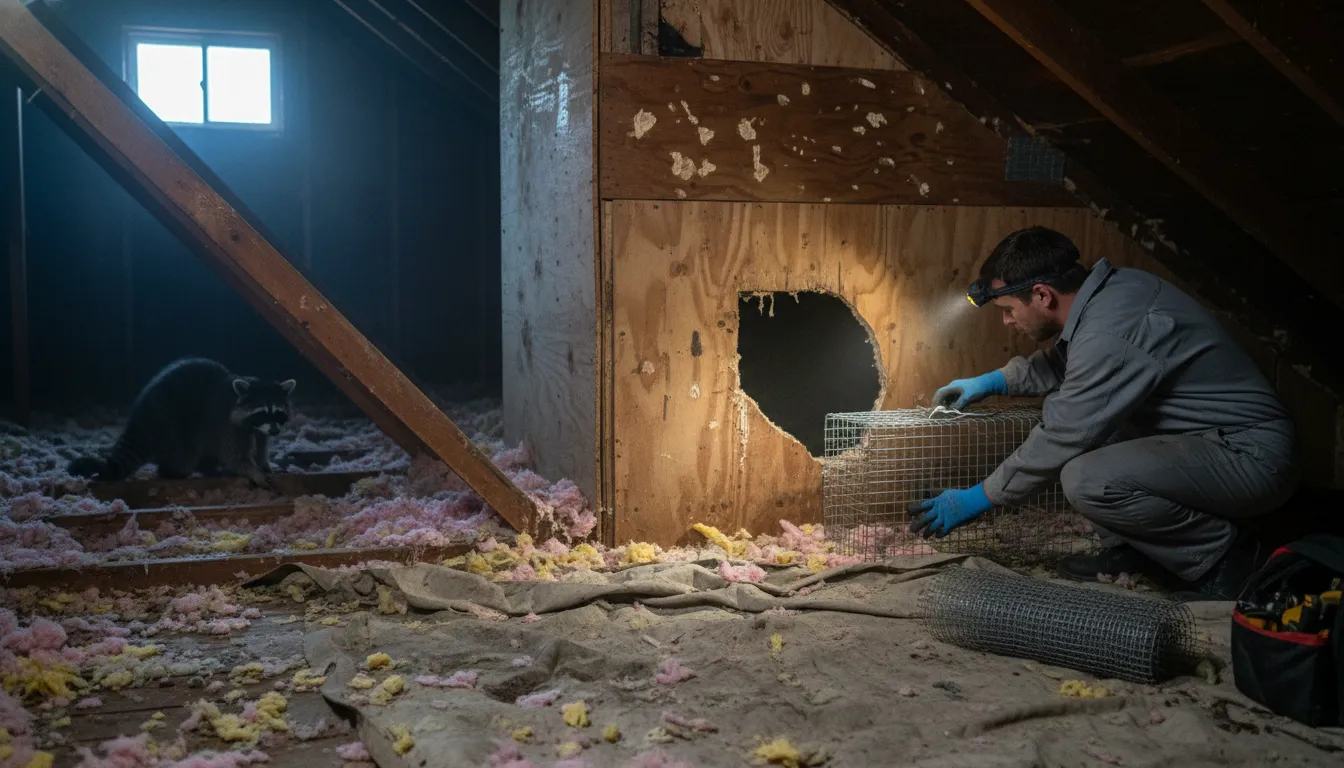
Discovering an uninvited animal in your attic, walls, or yard can be unsettling and damaging. Wildlife removal is the specialized process of safely and humanely evicting nuisance animals from your property and implementing measures to prevent their return. This service is crucial for protecting your home's structural integrity, preventing health hazards from droppings, and ensuring the safety of your family and pets. For Maple Grove residents, this guide will help you understand local wildlife issues, your options for resolution, and how to connect with experienced professionals who can provide a permanent solution.
Rove Pest Control
7800 3rd St N # 1000, Oakdale, MN 55128
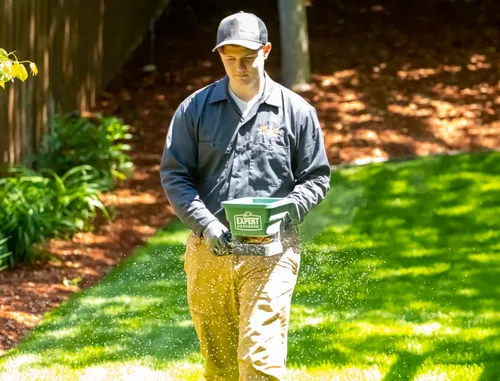
Rove Pest Control provides pest management services in St Paul, MN, and nearby communities including Oakdale and Woodbury. The company offers a range of pest control solutions such as bed bug extermination, rodent exclusion, wildlife removal, and general pest control for ants, cockroaches, and spiders. Rove Pest Control specializes in both residential and commercial pest control, tailoring treatments to local needs and providing seasonal prevention advice. The company recently partnered with Greenix Pest Control, which has over a decade of industry experience, enhancing their combined expertise and service reach across the Midwest.

Valor Pest Solutions
1406 Thomas Ave W, St Paul, MN 55104
Valor Pest Solutions is a pest control company based in Minneapolis, MN, specializing in customized pest management tailored to the region's extreme seasonal changes. They offer services for a variety of pests including ants, mice, wasps, spiders, mosquitoes, bed bugs, and rodents. Their approach begins with a thorough inspection followed by a tailored treatment plan that considers local conditions and seasonal pest activity. One notable capability is their comprehensive pest control process, which includes interior and exterior treatments, lawn care, and prevention measures such as de-webbing and nesting area elimination. Valor Pest Solutions understands the unique pest challenges in Minnesota and adapts their services accordingly.

Valor Pest Solutions
530 N 3rd St Unit C, Minneapolis, MN 55401
Valor Pest Solutions is a pest control company serving Minneapolis, MN, with over 30 years of local experience. They provide customized pest control services tailored to seasonal pest challenges common in Minnesota homes. Their expertise covers a wide range of pests including ants, mice, wasps, mosquitoes, bed bugs, and rodents. Valor Pest Solutions offers thorough interior and exterior treatments, including home perimeter and full yard services, with a focus on eco-friendly and pet-safe products. They specialize in rodent control by identifying nests and eliminating infestations effectively. Their knowledge of local pests and seasonal patterns supports targeted pest management throughout the year.
Abra Kadabra
1101 Pierce St NE, Minneapolis, MN 55413
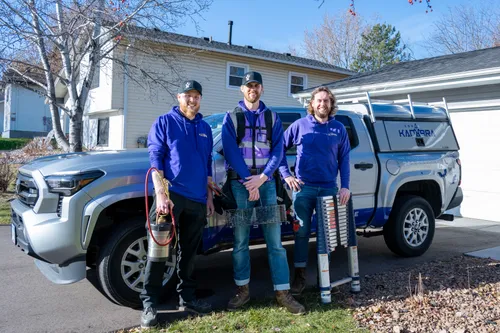
Abra Kadabra is a pest and wildlife control company serving Minneapolis, MN. They provide services for residential and commercial properties, including ant, rodent, mosquito, bee and wasp removal, bird and pigeon control, and wildlife removal. The company is licensed in Minnesota and employs NWCOA-certified technicians who use environmentally conscious methods. Abra Kadabra offers inspection, removal, and prevention services, such as rodent-proofing and animal-proofing homes to prevent future infestations. Their team stays current with industry knowledge and provides various service plans tailored to customer needs.
Capital City Pest Solutions
1749 Sheridan Ave W, St Paul, MN 55116
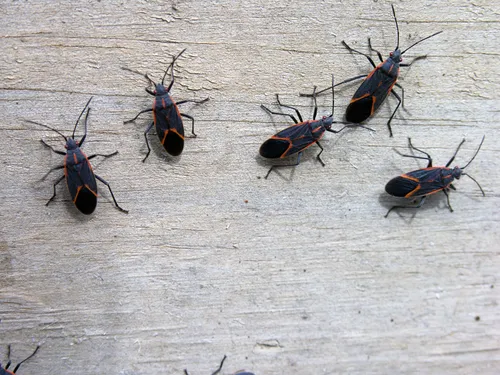
Capital City Pest Solutions is a pest control company based in Minneapolis, MN. They provide a range of extermination and pest management services including bed bug treatment, cockroach and ant control, rodent removal, termite inspections, mosquito control, bee and wasp removal, bird and pigeon control, and wildlife removal. Their services cover both residential and commercial properties, offering comprehensive pest solutions to address various infestations.
Common Nuisance Wildlife in Maple Grove
Maple Grove's blend of suburban neighborhoods and natural spaces makes it attractive to a variety of wildlife seeking food and shelter. Knowing which animals are most likely to cause problems is the first step in addressing an infestation.
Mammals: The most frequent culprits include raccoons, squirrels (both gray and flying squirrels), bats, mice, rats, opossums, skunks, and occasionally foxes or coyotes. Raccoons and squirrels are notorious for tearing into attic vents or soffits to create dens, especially in spring. Bats can enter through gaps as small as a half-inch and form colonies in attics, posing significant biohazard risks from accumulated guano.
Birds: While beautiful in nature, birds like pigeons, starlings, and sparrows can become pests when they nest in building cavities, vents, or under eaves. Their nests block ventilation systems, and their droppings are corrosive and can harbor diseases 1.
Understanding Minnesota Wildlife Regulations
Before taking action, it's important to know the legal framework. The Minnesota Department of Natural Resources (DNR) has specific regulations that balance property protection with wildlife conservation.
In Minnesota, a landowner or occupant may take (trap and remove or destroy) certain animals that are causing damage to property without a license. This generally applies to species like squirrels, raccoons, opossums, skunks, and foxes that are on your property and causing immediate harm. However, you must report the taking of a protected species (like bats) to a Conservation Officer within 24 hours. The rules for relocation are strict; if you choose to relocate a trapped animal, it must be released on property you own or have permission to use, typically at least 10-15 miles away to prevent its return.
These laws highlight why professional services are often recommended. Licensed wildlife removal operators understand these complex regulations, ensure humane practices, and handle protected species legally and appropriately.
DIY Wildlife Control: Prevention and Exclusion
For minor issues or as a preventive measure, homeowners can take several effective do-it-yourself steps. The goal is to make your property less inviting and inaccessible.
- Exclusion is Key: The most permanent solution is to physically seal animals out. Inspect your home's exterior for holes, gaps in siding, loose roof vents, and openings where utility lines enter. Use durable materials like hardware cloth (1/4-inch mesh), metal flashing, or steel wool to seal these entry points. Remember, a determined raccoon can pry open weak materials, and a mouse can fit through a hole the size of a dime.
- Habitat Modification: Remove the attractions. Secure garbage cans with tight-fitting lids or bungee cords. Avoid leaving pet food outdoors overnight. Pick up fallen fruit from trees. Trim tree branches back at least 6-8 feet from your roofline to limit access for squirrels and raccoons 2.
- Trapping Considerations: If you choose to trap, use live traps appropriate for the target animal. Check traps frequently, at least twice daily. Be prepared to humanely euthanize or legally relocate the captured animal, as simply releasing it nearby is often illegal and ineffective 3.
Find the perfect wildlife removal companies for your needs
Get personalized recommendations and expert advice
When to Call a Professional Wildlife Removal Service
While DIY methods work for prevention, certain situations demand professional expertise for a safe, effective, and lasting resolution.
- Complex Infestations: If animals are already inside your atics, walls, or crawl spaces, removal becomes more difficult. Professionals can locate all entry points, safely remove adults and babies, and handle nesting materials.
- Health and Safety Risks: Bats and rodents pose serious health risks through parasites and diseases like histoplasmosis (from bat guano) or hantavirus. Their droppings require specialized cleanup and decontamination. Aggressive animals or large infestations also present a direct physical danger.
- Legal and Humane Handling: As noted, laws protect certain species. Professionals ensure compliance with Minnesota DNR regulations and use the most humane methods available.
- City Animal Control Limitations: It's important to know that Maple Grove Animal Control primarily handles domestic pets (stray dogs and cats) and reports of dangerously aggressive wildlife. They typically do not provide nuisance wildlife removal services for private homes and will direct residents to contact licensed private wildlife control operators 4.
What Professional Wildlife Removal Entails
A comprehensive professional service goes far beyond simply trapping an animal. It's a multi-step process designed for a permanent solution.
- Inspection and Assessment: A technician will perform a thorough inspection to identify the pest species, locate all entry points, and assess the extent of the damage and contamination.
- Humane Removal: Using methods like one-way exclusion doors, direct trapping, or hand-removal of young, the animals are evicted. Exclusion devices allow animals to leave but not re-enter, which is ideal for maternal species to ensure babies aren't left behind to die in walls.
- Cleanup and Decontamination: This critical step involves removing contaminated insulation, nesting materials, and droppings. The area is then sanitized and treated to eliminate odors and parasites that attract new pests 5.
- Exclusion and Repair: All identified entry points are permanently sealed with professional-grade materials. This is the most important step to prevent future problems.
- Restoration: Some companies offer repair services for damaged siding, vents, soffits, and insulation, restoring your home to its pre-infestation condition.
Understanding Wildlife Removal Costs in Maple Grove
The cost for wildlife control services varies based on the animal, the infestation's scope, and the required repairs. Here's a general overview of what you might expect 6 7 8 9:
- Squirrel or Raccoon Removal: Typically ranges from $250 to $450+. This often covers the removal of the animals and minor exclusion work to seal the primary entry hole.
- Bat or Bird Exclusion: Due to the complexity of sealing every potential gap and the necessary cleanup of hazardous droppings, costs usually range from $500 to $1,000 or more.
- Full Attic Restoration Service: For a severe infestation requiring animal removal, complete decontamination, removal of soiled insulation, and major repairs, costs can start at $1,000 and increase significantly based on the attic's size and damage level.
Most reputable companies offer free inspections and detailed quotes, so you understand the required work and associated costs before committing.
Your Action Plan for a Wildlife Problem
If you suspect or know you have a wildlife issue, follow these steps:
- Identify: Try to safely identify the animal and the primary entry point. Listen for activity times (nocturnal for raccoons, daytime scratching for squirrels).
- Research Regulations: Briefly review the Minnesota DNR guidelines for taking nuisance wildlife to understand your legal options and obligations 10.
- Secure Property Temporarily: If safe to do so, you can attempt temporary sealing (except during baby season, typically spring and summer) to prevent more animals from entering.
- Contact Professionals: For a guaranteed, safe, and legal solution, contact a licensed and insured wildlife removal service in Maple Grove. They can provide the expertise needed to resolve the problem completely.
Frequently asked questions
Sources
Footnotes
-
Maple Grove Wildlife Animal Control - Wildlife Animal Control - http://www.wildlifeanimalcontrol.com/Maple-Grove.html ↩
-
General wildlife control techniques | Minnesota DNR - https://www.dnr.state.mn.us/livingwith_wildlife/general.html ↩
-
Sec. 97B.655 MN Statutes - https://www.revisor.mn.gov/statutes/2010/cite/97B.655 ↩
-
Maple Grove Wildlife Removal, Pest Animal Control MN - http://www.wildlife-removal.com/city/MN-Maple-Grove.htm ↩
-
Wildlife Management Services in Minneapolis, MN - https://www.wmsmn.com/ ↩
-
Maple Grove Wildlife Control / Minnesota Animal Removal - http://www.aaanimalcontrol.com/professional-trapper/city/MN-Maple-Grove.htm ↩
-
Wildlife Animal Removal - https://www.wmsmn.com/residential/animal-removal.html ↩
-
Pest Control Services In Maple Grove MN - Wildlife Removal - https://abrakadabraenvironmental.com/maple-grove/ ↩
-
How Much Does Wildlife Removal Cost? [2026 Data] - Angie's List - https://www.angi.com/articles/what-cost-animal-removal.htm ↩
-
Wildlife Control | Minnesota DNR - https://www.dnr.state.mn.us/livingwith_wildlife/taking.html ↩