Find the Best Wildlife Removal Companies for Your Business
No obligation • Fast responses • Nationwide coverage

Why you can trust Pest Crews
Pest Crews is a leading U.S. resource for finding and evaluating residential and commercial pest control services. Our team researches providers, reviews treatment approaches, and organizes unbiased information to help you make informed decisions. Companies cannot pay to change our editorial content or influence how they appear.
Search providers near you
Top Wildlife Removal Companies in Blue Springs, Missouri Ranked
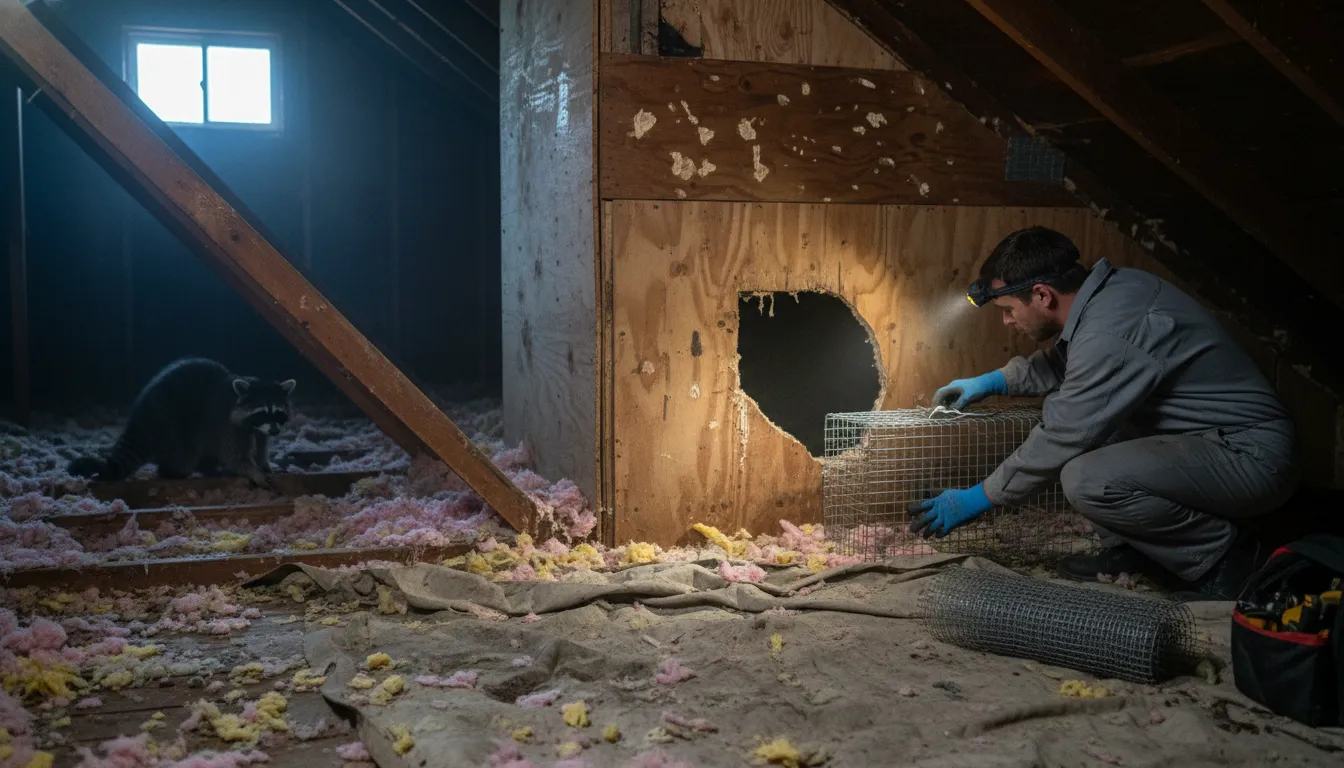
When wildlife like raccoons, squirrels, or bats decide your attic is their new home, it can quickly escalate from a minor nuisance to a major problem. Wildlife removal is the specialized service of safely and legally evicting these uninvited guests, protecting your property from damage and your family from potential health risks. For Blue Springs residents, navigating this process involves understanding Missouri's specific regulations and knowing when a DIY approach is sufficient versus when to call in a professional. This guide will help you identify common local pests, outline your options for animal control, and connect you with the resources needed to resolve your wildlife conflict effectively.
Absolute Pest Control
Kansas City, MO
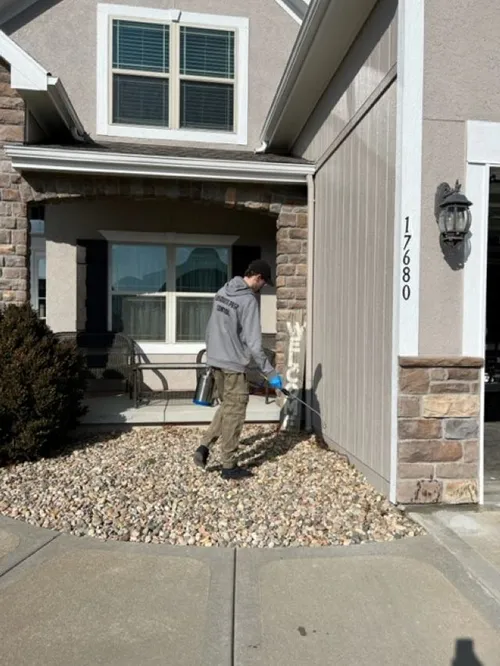
Absolute Pest Control is a veteran-owned, family-operated pest control company based in Kansas City, MO. They provide comprehensive residential and commercial pest management services, including bed bug elimination, termite control, cockroach extermination, and bat removal. Their approach focuses on thorough inspections and customized treatment plans that address the root of pest problems using EPA-approved products. Absolute Pest Control emphasizes long-term solutions and safety for families and pets, applying responsible methods with attention to detail and transparency.
Titan Pest and Wildlife Solutions KC
7211 NW 83 St STE 150D, Kansas City, MO 64152
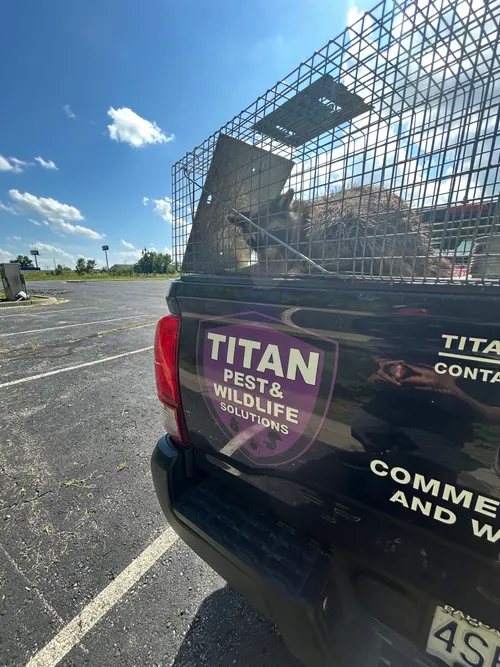
Titan Pest and Wildlife Solutions KC is a pest control and wildlife removal company based in Kansas City, MO. They offer services for both residential and commercial clients, including pest inspections to help identify issues before treatment. Their expertise covers a range of pest and wildlife management solutions tailored to local needs.
ecoPRO Wildlife Solutions
10675 Widmer Rd, Lenexa, KS 66215
ecoPRO Wildlife Solutions provides licensed wildlife removal services in Kansas City, MO. They handle a variety of nuisance animals including rodents, birds, raccoons, bats, and more. Their approach includes inspection, removal, sanitization, and exclusion to restore properties to a safe and critter-free state with minimal disruption. The company emphasizes quick response and tailored solutions to meet specific wildlife issues.
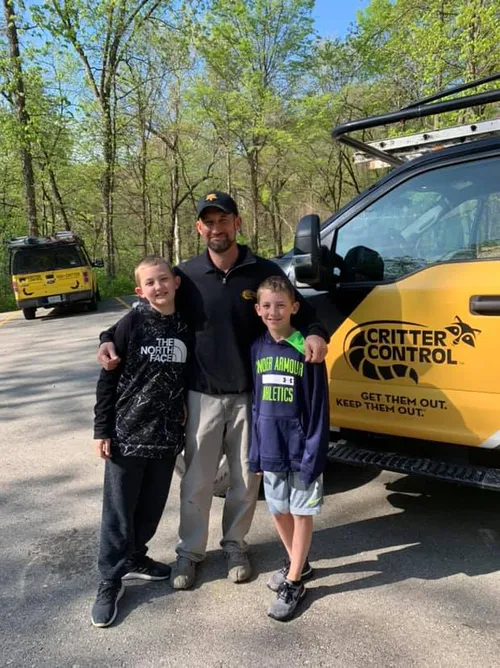
Critter Control of Kansas City, MO
5508 N Lucerne Ave, Kansas City, MO 64151
Critter Control of Kansas City, MO provides wildlife and pest control services in Kansas City, MO. They specialize in trapping and removing animals such as squirrels, mice, raccoons, and birds, and offer home protection solutions including chimney caps, vent covers, and sealing of entry points. The company addresses common wildlife issues in areas like attics, vents, porches, and gardens to prevent damage and intrusion. Their services cover a wide range of local communities around Kansas City, ensuring comprehensive wildlife management.
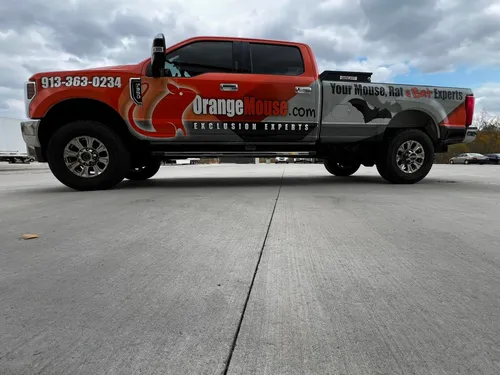
Orange Mouse
6731 Martindale Rd, Shawnee, KS 66218
Orange Mouse is a pest control company based in Kansas City, MO, specializing in rodent and bat control. They focus on mice, rats, and bats, providing both residential and commercial pest control services throughout Kansas City and surrounding areas. Their approach emphasizes safety and sustainability, offering services such as full sealing with a multi-year warranty. The company is fully licensed and insured, with a commitment to transparent communication and same-day service availability.
Common Nuisance Wildlife in Blue Springs
Blue Springs' mix of suburban neighborhoods and natural areas makes it attractive to a variety of wildlife. Knowing which species are most likely to cause issues is the first step in addressing a problem.
Mammals: Raccoons are notorious for tipping over garbage cans and seeking shelter in chimneys or attics. Squirrels, both gray and fox, can chew through siding, soffits, and electrical wiring to access your home's interior. Other frequent visitors include opossums, skunks, moles, and bats, which often roost in quiet, dark spaces like attics.
Birds: Canada geese can become a significant nuisance on properties near ponds, lakes, or large grassy areas, leaving behind droppings and becoming aggressive during nesting season. Other birds, like starlings or sparrows, may nest in vents or eaves, causing blockages and noise.
Reptiles: Several species of snakes are native to the area. While most are harmless, their presence can be alarming and may indicate an underlying rodent problem that is attracting them as a food source 1.
Understanding Missouri Wildlife Regulations
Before taking any action, it's crucial to be aware of the rules set by the Missouri Department of Conservation (MDC). These regulations are designed to protect both wildlife and property owners.
General Trapping Rules: Missouri law allows property owners to trap nuisance wildlife on their own property year-round. However, there are specific guidelines regarding trap types, checking frequency, and the humane disposal of animals. The MDC provides clear instructions that must be followed.
Protected and Regulated Species: Special restrictions apply to many animals. All migratory birds, including raptors and geese, are protected under federal law, and their nests cannot be disturbed without permits. Species like deer, bear, and mountain lion have very specific management rules. If you are dealing with property damage from wildlife, you are required to report it to the MDC within 24 hours 2.
When in Doubt, Ask: The MDC is an excellent first point of contact for species-specific guidance and clarification on regulations. They can also lend traps in some situations and advise on the best course of action.
Do-It-Yourself (DIY) Wildlife Control Strategies
For minor issues, a proactive homeowner in Blue Springs can often manage the situation effectively. The cornerstone of DIY wildlife management is making your property less attractive to pests.
- Remove Attractants: This is the most critical step. Secure garbage cans with tight-fitting lids, bring in pet food overnight, and clean up fallen fruit or bird seed.
- Exclusion: Carefully inspect your home's exterior for potential entry points. Seal any holes, cracks, or gaps in the roof, siding, or foundation. Pay special attention to areas where utility lines enter the home and vents on the roof or soffits.
- Habitat Modification: Trim tree branches that overhang your roof to limit access for squirrels and raccoons. Use fencing to protect gardens. Non-toxic repellents or scare tactics like motion-activated lights or sprinklers can deter some animals temporarily 3.
- Safe Trapping: If you choose to trap, select an appropriate live trap for the target animal. Always place traps in shaded areas and check them frequently, as required by law. You are responsible for the humane disposal of the captured animal per MDC instructions.
Find the perfect wildlife removal companies for your needs
Get personalized recommendations and expert advice
When to Call a Professional Wildlife Removal Service
While DIY methods work for prevention and minor issues, certain situations demand expert intervention. Licensed nuisance wildlife control operators have the tools, knowledge, and legal permissions to handle complex problems safely.
Call a professional if:
- You have an active infestation of bats in your attic. Bats are protected in Missouri, and their removal requires special exclusion techniques that must be done at specific times of the year to avoid trapping flightless young inside.
- The animal is inaccessible, large, or potentially dangerous (e.g., a raccoon that is acting strangely).
- You are uncomfortable with trapping and handling wildlife yourself.
- The problem is extensive, such as a family of raccoons that has caused significant damage to your insulation and ductwork.
- You need permanent exclusion work. Professionals don't just remove the animal; they identify and seal all potential entry points to prevent re-entry, which is a specialized skill.
For issues strictly involving domestic animals like stray dogs or cats, you should contact Blue Springs Animal Control. For all native wildlife concerns, you will need to reach out to the MDC or a private licensed operator 4.
What to Expect: The Professional Removal Process
Hiring a professional brings a systematic approach to resolving your wildlife issue. A reputable service will typically follow these steps:
- Inspection and Assessment: The technician will perform a thorough inspection of your property to identify the pest species, locate entry points, and assess the extent of the damage and contamination. This service can cost between $100 and $300+.
- Humane Removal and Trapping: Using species-appropriate methods, the operator will remove the animals. This may involve live trapping, one-way exclusion doors, or other techniques. Removal costs are often priced per animal or per visit, ranging from $150 to $400 or more 5.
- Exclusion and Repair: After the animals are gone, the technician will seal all entry points with durable materials like steel mesh, hardware cloth, or specialized vent covers. This is the most important step for a permanent solution and can cost between $300 and $1,000+, depending on the size of the home and number of entry points 6 7.
- Cleanup and Sanitization: Wildlife leaves behind droppings, urine, nesting materials, and parasites. Professional cleanup involves removing contaminated insulation, disinfecting the area, and applying enzyme treatments to neutralize odors. This is an additional, highly recommended service for health and safety.
Cost Considerations for Wildlife Management
The cost of addressing a wildlife issue in Blue Springs varies dramatically based on the species, severity, and methods used.
- DIY Costs: These are relatively low, covering materials for exclusion (caulk, steel wool, hardware cloth) and the potential purchase or rental of traps. Your primary investment is time and effort.
- Professional Service Costs: As noted in the process above, professional services are an investment. A simple removal job may start in the hundreds of dollars, while a full-service solution for a bat colony or extensive raccoon damage-including removal, exclusion, insulation replacement, and sanitization-can easily reach several thousand dollars. Always get a detailed, written estimate before work begins.
The key to effective and legal wildlife management in Blue Springs is to start with information. Consult the Missouri Department of Conservation's extensive online resources for guidance, and for situations beyond your comfort or skill level, seek out a licensed and insured wildlife control operator who understands local laws and ecosystems 8 9.
Frequently asked questions
Sources
Footnotes
-
Wildlife Control Blue Springs - https://www.localguykc.com/specialty-services/wildlife-control ↩
-
Nuisance Wildlife Control Operator Report | Missouri Department of ... - https://mdc.mo.gov/wildlife/nuisance-problem-species/nuisance-report ↩
-
Wildlife damage management - MU Extension - https://extension.missouri.edu/programs/nuisance-wildlife/wildlife-damage-management ↩
-
Nuisance & Problem Species | Missouri Department of Conservation - https://mdc.mo.gov/wildlife/nuisance-problem-species ↩
-
Damage Control | Missouri Department of Conservation - https://mdc.mo.gov/magazines/conservationist/2006-02/damage-control ↩
-
Wildlife Removal Blue Springs - https://kansascity.aaacwildliferemoval.com/service-area/blue-springs/ ↩
-
Solving Wildlife Damage Problems in Missouri - MU Extension - https://extension.missouri.edu/publications/g9425 ↩
-
Wildlife Control Guidelines | Missouri Department of Conservation - https://mdc.mo.gov/wildlife/nuisance-problem-species/wildlife-control-guidelines ↩
-
Blue Springs Wildlife Control / Missouri Animal Removal - http://www.aaanimalcontrol.com/professional-trapper/city/MO-Blue-Springs.htm ↩