Find the Best Wildlife Removal Companies for Your Business
No obligation • Fast responses • Nationwide coverage

Why you can trust Pest Crews
Pest Crews is a leading U.S. resource for finding and evaluating residential and commercial pest control services. Our team researches providers, reviews treatment approaches, and organizes unbiased information to help you make informed decisions. Companies cannot pay to change our editorial content or influence how they appear.
Search providers near you
Top Wildlife Removal Companies in Lees Summit, Missouri Ranked
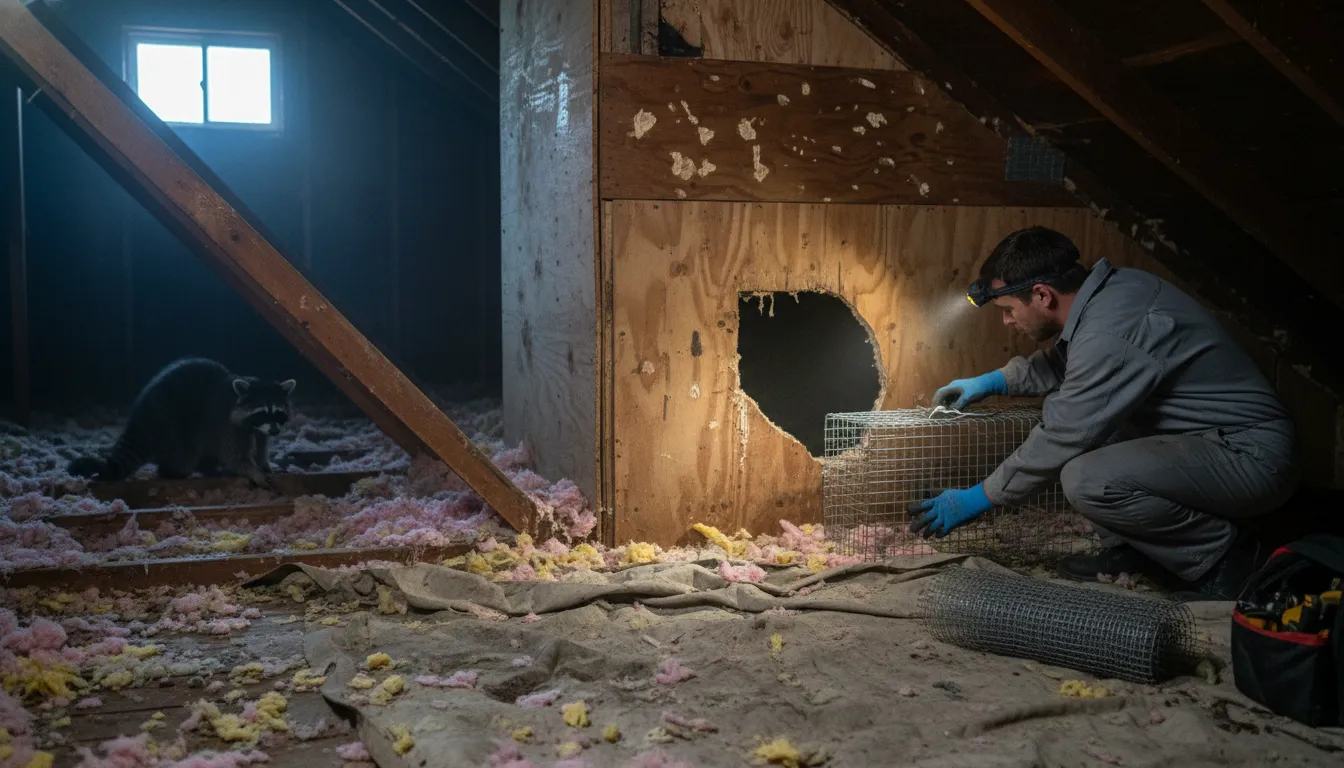
When raccoons rummage through your trash or squirrels take up residence in your attic, it's more than a nuisance-it's a problem that can damage your property and pose health risks. Wildlife removal is the specialized service of safely and humanely evicting unwanted animals from homes and businesses, followed by sealing entry points to prevent their return. For residents of Lees Summit, understanding local resources, regulations, and when to call a professional is key to resolving these conflicts effectively. This guide provides the information you need to address common wildlife issues, from DIY prevention to finding qualified local experts for humane animal control.
Midway Pest Management
8101 College Blvd # 100, Overland Park, KS 66210
Midway Pest Management is a pest control and wildlife removal company based near Kansas City, MO, serving the surrounding areas including Olathe and Overland Park. They specialize in controlling rodents, squirrels, insects, and other common pests. The company emphasizes safe and thorough pest management practices to protect homes, families, and pets. Midway Pest Management is led by owner Luis Gonzalez, who offers a satisfaction guarantee on their services.
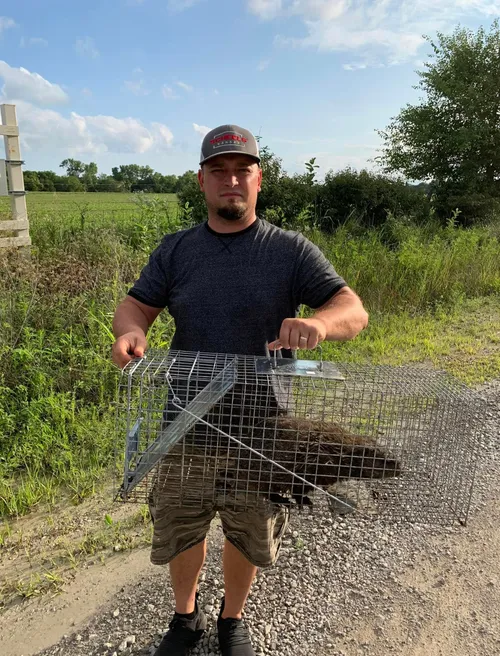
All Seasons Wildlife Removal
Kansas City, MO
All Seasons Wildlife Removal is a wildlife removal company based in Kansas City, MO, specializing in the humane removal and prevention of nuisance animals. Their services cover a range of wildlife including bats, skunks, groundhogs, raccoons, squirrels, and moles. They focus on inspecting homes, removing animals from unwanted spaces, and preventing future intrusions. A notable capability is their expertise in bat exclusion and bat proofing, addressing common entry points such as roofs, siding gaps, and chimneys.
Moxie Pest Control
1251 NW Pamela Blvd a, Grain Valley, MO 64029
Moxie Pest Control is a family-owned and operated pest control company serving Kansas City, MO. Since 2006, they have provided targeted, eco-friendly treatments for a variety of pests including bed bugs, cockroaches, ants, rodents, termites, mosquitoes, bees, wasps, and wildlife. Their state-licensed technicians customize treatments to address specific pest problems with fast and effective removal methods. With over 18 years of experience, Moxie Pest Control focuses on safe, environmentally conscious solutions tailored to local pest challenges.

Smithereen Pest Management Services
915 Charlotte St, Kansas City, MO 64106
Smithereen Pest Management Services provides integrated pest control solutions for both commercial and residential customers in Kansas City, MO. They handle a variety of pests including bed bugs, rodents, termites, mosquitoes, and wildlife, offering thorough inspections and tailored management plans. Smithereen is known for its certified green pest control practices, aiming to minimize risks to people and the environment. Established in 1888, the company brings over a century of experience to pest management in the Midwest.
Blue Beetle Pest Control
6301 Main St, Kansas City, MO 64113
Blue Beetle Pest Control is a pest control company based in Kansas City, MO, offering services including ant, rodent, mosquito control, and wildlife removal. They provide thorough inspections and treatments to manage and prevent pest issues, with technicians who educate customers on maintaining pest-free environments. The company is known for its knowledgeable staff and detailed service approach, including identifying pest entry points and advising on landscaping adjustments to deter pests.
Common Nuisance Wildlife in Lees Summit
The suburban and wooded areas of Lees Summit provide ideal habitat for a variety of wildlife species that can sometimes come into conflict with homeowners. Knowing which animals are most likely to cause problems is the first step in managing them.
- Raccoons: Intelligent and dexterous, raccoons are notorious for tipping over trash cans, raiding pet food, and tearing into attic vents or soffits to create dens. They can carry diseases like rabies and roundworm.
- Squirrels: Both gray and fox squirrels are common. They often enter attics through small gaps near rooflines, where they nest, chew on wires (a fire hazard), and store food.
- Bats: Small brown bats may colonize in attics or wall voids. While beneficial for insect control, their droppings (guano) can pose a respiratory health risk and create odor problems. Special care is required due to their protected status during certain times of the year.
- Rodents: This includes house mice, rats, and voles. Mice can squeeze through openings the size of a dime, while rats are larger and can cause significant structural damage by gnawing.
- Opossums & Skunks: These animals often seek shelter under decks, porches, or sheds. While generally less destructive to structures, they can dig up lawns and, in the case of skunks, create a potent odor issue.
- Moles & Voles: These subterranean pests tunnel through lawns and gardens, damaging root systems and creating unsightly ridges of dirt.
- Birds: Canada geese can be problematic on lawns and ponds, while smaller birds like sparrows or starlings may nest in vents or chimneys, causing blockages.
What to Do: DIY Prevention and Control
For minor issues, homeowners can take several effective steps to make their property less attractive to wildlife and address simple problems. The core principles are removing food, water, and shelter.
Remove Food Sources: Securing attractants is crucial. Use trash cans with tight-fitting, locking lids. Avoid leaving pet food outdoors overnight. Clean up fallen fruit from trees and bird seed from under feeders 1.
Eliminate Shelter and Entry Points: Animals seek safe places to nest. Keep your yard tidy by removing brush piles, stacking firewood away from the house, and keeping grass trimmed. Conduct a thorough inspection of your home's exterior. Seal any cracks or holes in the foundation, and cover attic vents, chimney tops, and other openings with sturdy, rust-proof hardware cloth (¼-inch mesh for rodents).
Trapping (Proceed with Caution): Missouri state regulations allow property owners to trap most damage-causing wildlife on their own property without a permit. However, this comes with significant responsibilities:
- You must use appropriate, humane traps.
- You are legally responsible for the humane dispatch or release of the animal.
- Missouri law prohibits the relocation of many wildlife species due to disease concerns; releasing an animal on another person's property, public land, or across a county line is often illegal.
- Trapping without addressing the reason the animal entered (like an open vent) will only lead to a new animal taking its place.
For these reasons, trapping is often best left to professionals who understand the legal and ethical complexities.
Find the perfect wildlife removal companies for your needs
Get personalized recommendations and expert advice
When to Call a Professional Wildlife Removal Service
While DIY methods work for prevention, certain situations require the expertise of a licensed Wildlife Control Operator (WCO).
- Wildlife Inside Living Spaces: If an animal is actively inside your home, especially in walls or ceilings, professional removal is safest. Mothers with young can be aggressive, and attempting removal yourself can lead to animals dying in inaccessible spaces, creating odor and insect issues.
- Signs of Infestation: Hearing persistent scratching or scurrying noises in the attic or walls, finding nests made of insulation, or noticing a strong ammonia smell (indicative of rodent or bat urine) are signs of an established problem.
- Public Health Concerns: If you encounter a wild animal that is acting disoriented, aggressive, or appears sick (potential rabies risk), do not approach it. Contact professionals immediately. Similarly, large accumulations of bat guano or rodent droppings require specialized cleanup and decontamination.
- Need for Permanent Exclusion: The most critical part of wildlife removal is not just taking the animal out, but keeping others from getting in. Professionals identify all potential entry points and seal them with durable materials, providing a long-term solution 2.
- Deceased Animal Removal: The City of Lee's Summit Animal Control can assist with the removal of deceased animals from public property or right-of-ways. For animals inside a home or structure, a private wildlife removal service is typically needed 3.
What Professional Services Include
A comprehensive professional wildlife control service involves much more than simple trapping. A reputable provider will follow a multi-step process:
- Inspection and Assessment: The technician will perform a thorough interior and exterior inspection to identify the pest species, locate all entry points, and assess the extent of the damage and contamination.
- Humane Removal and Trapping: Using species-appropriate techniques and traps, the animals are removed from the property in accordance with Missouri Department of Conservation (MDC) guidelines.
- Exclusion and Repair: This is the cornerstone of permanent control. All identified entry points are sealed with professional-grade materials like steel flashing, hardware cloth, and specialized vent covers to prevent re-entry.
- Cleanup and Decontamination: For areas soiled by droppings, urine, or nesting materials, professionals will safely remove contaminated insulation, disinfect the area, and apply enzymatic treatments to eliminate odors. This step is vital for attics after bat or rodent infestations 4.
- Prevention Advice: A good technician will provide recommendations for ongoing habitat modification to make your property less inviting to future wildlife visitors.
Understanding Costs and How to Choose a Provider
The cost for wildlife removal and exclusion in Lees Summit varies widely based on the species, the size of the infestation, the complexity of the exclusion work needed, and whether decontamination is required. Simple rodent control jobs may start in the lower range, while complex raccoon or bat removal projects that involve major attic cleanup and extensive repairs can cost significantly more 5 6.
When searching for a provider, look for:
- Licensing and Insurance: Ensure the company is properly licensed to work in Missouri and carries liability insurance.
- Experience and References: Choose a company with specific experience handling your type of wildlife problem and ask for local references.
- Humane Methods: Inquire about their removal and handling practices to ensure they align with humane standards.
- Warranty: A reputable company will stand behind their exclusion work with a warranty period.
Local Resources and Regulations
- City of Lee's Summit Animal Control: This is your first call for questions about local ordinances, to report an injured or sick animal on public property, or to request removal of a deceased animal from a public area. They operate by appointment and can provide guidance on dealing with nuisance wildlife 7 8.
- Missouri Department of Conservation (MDC): The MDC website is an excellent resource for state-level regulations on trapping, a list of nuisance animal species, and detailed guidelines for solving wildlife damage problems 9 10.
- University of Missouri Extension: Publishes detailed guides, such as "Solving Wildlife Damage Problems in Missouri," which offers science-based prevention and control strategies 11 12.
Frequently asked questions
Sources
Footnotes
-
Wildlife Removal & Prevention | Critter Control of Kansas City Metro - https://www.crittercontrolofkansascity.com/ ↩
-
Lees Summit Wildlife Control / Missouri Animal Removal - http://www.aaanimalcontrol.com/professional-trapper/city/MO-Lees-Summit.htm ↩
-
Animal Control Frequently Asked Questions - https://cityofls.net/animal-control/frequently-asked-questions ↩
-
Wildlife Removal Lee's Summit - https://kansascity.aaacwildliferemoval.com/service-area/lees-summit/ ↩
-
Professional Wildlife Removal Company Servicing Lees Summit, MO - http://www.wildlifeanimalcontrol.com/Lees-Summit.html ↩
-
Prices for Lees Summit Wildlife Pest Control Animal Trapping - http://www.aaanimalcontrol.com/professional-trapper/prices/MO-Lees-Summit-prices.htm ↩
-
Animal Control - https://cityofls.net/animal-control ↩
-
Animal Control Regulations - https://cityofls.net/animal-control/regulations ↩
-
Wildlife Control Guidelines | Missouri Department of Conservation - https://mdc.mo.gov/wildlife/nuisance-problem-species/wildlife-control-guidelines ↩
-
Nuisance & Problem Species | Missouri Department of Conservation - https://mdc.mo.gov/wildlife/nuisance-problem-species ↩
-
Solving Wildlife Damage Problems in Missouri - MU Extension - https://extension.missouri.edu/publications/g9425 ↩
-
Solving Wildlife Damage Problems in Missouri - MU Extension - https://extension.missouri.edu/media/wysiwyg/Extensiondata/Pub/pdf/agguides/wildlife/g09425b.pdf ↩