Find the Best Wildlife Removal Companies for Your Business
No obligation • Fast responses • Nationwide coverage

Why you can trust Pest Crews
Pest Crews is a leading U.S. resource for finding and evaluating residential and commercial pest control services. Our team researches providers, reviews treatment approaches, and organizes unbiased information to help you make informed decisions. Companies cannot pay to change our editorial content or influence how they appear.
Search providers near you
Top Wildlife Removal Companies in Gulfport, Mississippi Ranked
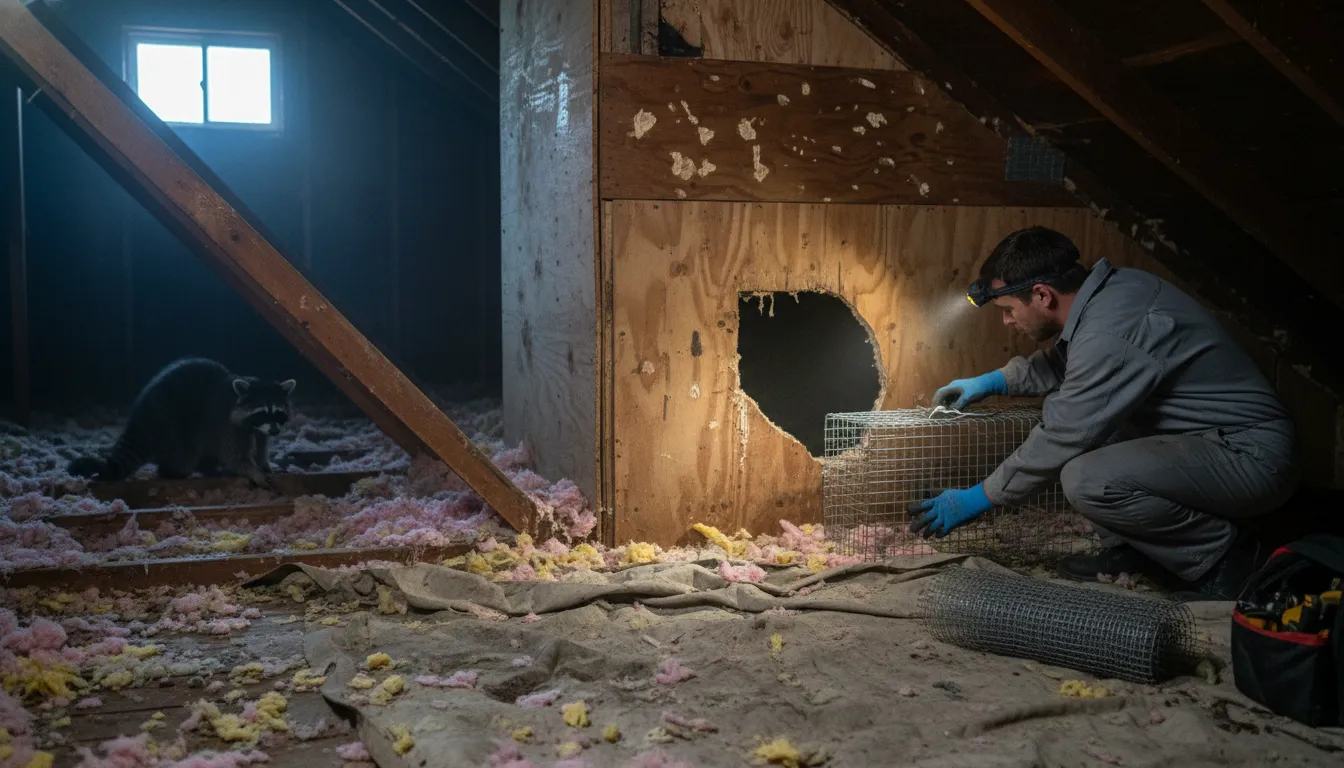
Finding an uninvited animal in your attic, under your deck, or rummaging through your trash can be a startling and stressful experience. Wildlife removal is the professional service dedicated to safely and humanely resolving conflicts with wild animals that have become a nuisance or a danger on your property. In Gulfport, with its proximity to coastal habitats and wooded areas, encounters with raccoons, squirrels, armadillos, and other creatures are common. This guide will help you understand your options, from effective do-it-yourself strategies to knowing when to call a licensed professional, so you can reclaim your home and peace of mind.
Redd Pest Solutions
9215 US 49, Gulfport, MS 39503
Redd Pest Solutions is a family-owned pest control company serving New Orleans, LA, and surrounding areas. With over 70 years of experience, they offer a wide range of services including bed bug treatment, termite inspections, rodent control, mosquito control, and wildlife removal. The company employs certified entomologists and provides same-day services along with 24-hour assistance. Their expertise includes comprehensive pest management backed by a long history of serving Mississippi, Louisiana, and Alabama.
Stark Exterminators
9337 W Oaklawn Rd Ste A, Biloxi, MS 39532
Stark Exterminators provides pest control services in New Orleans, LA, addressing a wide range of pest issues including ants, termites, mosquitoes, rodents, stinging insects, and wildlife. They focus on managing local pest threats such as subterranean termites, fire ants, and rodents that can cause damage and health risks. Their expertise includes termite inspections and removal of stinging insects like wasps and hornets. Stark Exterminators serves the New Orleans area with pest control solutions tailored to the specific challenges of the region.
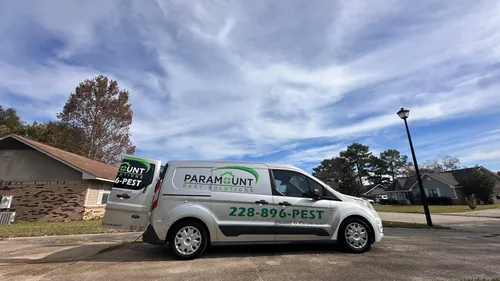
Paramount Pest Solutions
3451 Washington Ave B, Gulfport, MS 39507
Paramount Pest Solutions is a local pest control company serving New Orleans, LA, specializing in termite inspections, treatments, and comprehensive pest management for homes and businesses. With over 50 years of combined experience, the team offers tailored solutions for pests including termites, ants, roaches, rodents, mosquitoes, bees, and wildlife. They provide detailed inspections, targeted treatments like liquid barrier systems and baiting, and ongoing protection plans to maintain pest-free properties. Founded by Gulf Coast natives, Paramount Pest Solutions brings deep local knowledge and a commitment to personalized service.
Havard Pest Control
New Orleans, LA
Havard Pest Control is a pest management company serving New Orleans, LA, and surrounding areas in Mississippi, Louisiana, and Alabama. They offer residential and commercial pest control services, including bed bug treatment, termite inspections and treatments, wildlife removal, and moisture and fungus control. With over 75 years of experience since 1947, Havard Pest Control uses industry-leading techniques to provide safe and effective solutions that protect homes and businesses from pests and related damage.
Alliance Pest Control
2603 22nd Ave, Gulfport, MS 39501
Alliance Pest Control provides comprehensive pest control services in New Orleans, LA, specializing in treatments for bed bugs, rodents, termites, mosquitoes, bees, wasps, and wildlife removal. They offer both residential and commercial pest solutions, including termite and wood-destroying insect (WDI) inspections to help protect properties from hidden damage. Established in 2011 with over 30 years of combined experience, Alliance Pest Control uses safe yet effective products tailored to each client's needs and budget. They also provide same-day service for urgent pest issues.
Common Nuisance Wildlife in Gulfport
The Gulf Coast environment supports a diverse array of wildlife, and some species are particularly adept at finding their way into suburban and urban settings. Knowing what you're dealing with is the first step toward a solution.
- Raccoons: Intelligent and dexterous, raccoons are notorious for tipping over trash cans, raiding pet food, and nesting in attics or chimneys. They can cause significant damage and may carry diseases like rabies and raccoon roundworm.
- Squirrels: Both gray and fox squirrels are common. They often enter homes through small gaps in rooflines or vents to nest in attics, where they can chew on electrical wiring, creating a serious fire hazard.
- Opossums: These marsupials are generally less destructive but may take up residence under porches, sheds, or decks. They are often attracted to easily accessible food sources like fallen fruit or pet food left outside.
- Armadillos: Unique to the region, armadillos are burrowing animals that can dig extensive networks of holes in yards and gardens while searching for insects, damaging landscaping and potentially undermining foundations.
- Bats: Small colonies may roost in attics or behind shutters. While beneficial for insect control, their guano can pose health risks and they are protected by specific regulations, making their removal a job for specialists.
- Rodents: Rats and mice are year-round pests that can infiltrate homes through incredibly small openings, contaminating food and spreading disease.
- Birds: Pigeons, starlings, and woodpeckers can become nuisances, nesting in vents or on ledges, where their droppings can damage property and pose health concerns.
Your First Line of Defense: DIY Prevention & Control
Before an animal moves in, or in response to a minor issue, there are several effective strategies homeowners can employ. The core principle of wildlife control is making your property less attractive and accessible.
Habitat Modification
This is the most fundamental and long-term solution. By removing the elements that attract wildlife, you can prevent problems before they start.
- Secure Food Sources: Use locking lids on trash cans, bring pet food indoors overnight, and regularly clean up fallen fruit or bird seed from the ground.
- Remove Water: Fix leaky faucets and ensure downspouts drain properly to eliminate standing water.
- Reduce Shelter: Keep yards tidy by clearing brush piles, sealing off crawlspace openings, and storing firewood away from the house.
Exclusion Techniques
Exclusion involves physically blocking animals from entering structures. It is a permanent solution but requires careful inspection to find all potential entry points.
- Seal Entry Points: Use durable materials like 1/4-inch hardware cloth, steel flashing, or copper mesh to seal holes in rooflines, around vents, and at foundation gaps. Expandable foam alone is often chewed through by rodents.
- Install Barriers: Chimney caps, vent covers, and gutter guards can prevent access to common entryways.
Repellents and Frightening Devices
These methods aim to make an area uncomfortable for wildlife. Their effectiveness can be temporary and varies by species.
- Motion-Activated Devices: Sprinklers, lights, or ultrasonic noisemakers can startle animals away from gardens or decks.
- Odor/Taste Repellents: Commercial or homemade sprays may deter animals from specific plants or areas, but they typically need frequent reapplication, especially after rain 1 2.
Trapping: A Tool Requiring Caution
Live trapping can be part of a control strategy but comes with important legal and ethical considerations in Mississippi.
- Regulations: For most nuisance species on private land, landowners (or their authorized agents) can trap year-round. However, a valid Mississippi hunting license is generally required for residents to trap. There are also strict rules about the humane treatment and legal disposal or relocation of captured animals. Relocation is often restricted due to disease concerns and is illegal on public land without a permit.
- Best Practice: Due to these complexities, trapping is often best left to licensed professionals who understand the laws and can ensure the animal is handled appropriately.
Find the perfect wildlife removal companies for your needs
Get personalized recommendations and expert advice
When to Call a Professional Wildlife Control Operator
While DIY methods work for prevention and minor issues, certain situations necessitate professional intervention. Licensed Nuisance Wildlife Control Operators (NWCOs) have the expertise, tools, and legal authority to handle complex or hazardous problems safely.
Call a professional if:
- An animal is inside your living spaces (walls, attic, chimney).
- You suspect a bat colony is roosting in your home (specialized exclusion is required).
- The animal is large, potentially aggressive, or could be a rabies vector species (like a raccoon or skunk).
- You have repeatedly tried DIY methods without success.
- You are not comfortable or familiar with state trapping regulations.
- Significant damage has occurred and repairs/exclusion are needed 3.
It's important to note that Gulfport Animal Control and Harrison County authorities typically handle domestic animals like stray dogs and cats, not nuisance wildlife. For wild animals, you will need to contact a private NWCO 4.
Understanding the Professional Wildlife Removal Process
A reputable wildlife removal service will follow a comprehensive process to solve your problem, not just remove a single animal.
- Inspection: The technician will perform a thorough inspection of your property to identify the species, locate all entry points, and assess the extent of the damage or infestation.
- Removal: Using approved and humane methods, the operator will remove the offending animals. This may involve live trapping, one-way exclusion doors, or other techniques suited to the specific situation.
- Exclusion & Repair: This is the critical step that prevents future problems. All identified entry points will be sealed with professional-grade materials. The technician may also recommend installing chimney caps or vent screens.
- Cleanup & Sanitation: For areas contaminated by droppings or urine (especially from rodents or bats), professional cleaning and disinfection may be offered to eliminate health hazards and odors.
- Follow-up: Some companies offer a warranty period to ensure the exclusion is effective and animals do not return 5 6.
What to Expect: Costs of Wildlife Removal in Gulfport
The cost for professional wildlife control varies based on the animal, the complexity of the access, and the extent of repairs needed. Here is a general range based on industry standards:
- Inspection and Basic Removal: An initial service call for inspection and the removal of common animals like squirrels or raccoons often ranges from $150 to $500.
- Exclusion and Repairs: The crucial work of sealing entry points and making minor repairs can range from $200 to $1,000 or more, depending on the number of access points and materials required.
- Specialized Services: Bat removal and exclusion is a specialized service due to legal protections and the need for specific exclusion techniques, often costing between $500 and $2,000+.
- Complex Infestations: Severe rodent infestations or situations involving multiple animals or hard-to-access areas will be on the higher end of the scale 7 8 9.
Always request a detailed, written estimate before work begins. A trustworthy operator will clearly explain what the service includes, any guarantees offered, and the payment terms.
Legal Framework for Wildlife Control in Mississippi
Mississippi's wildlife is managed by the Department of Wildlife, Fisheries, and Parks (MDWFP). Their regulations provide a framework for dealing with nuisance animals:
- Landowner Rights: On private land, the landowner, or an agent with the landowner's written permission, may hunt or trap most nuisance fur-bearing animals year-round without caliber restrictions.
- Licensing Requirement: While the landowner themselves may not always need a license, residents acting as an agent typically require a valid Mississippi hunting license. It is the individual's responsibility to know and follow all regulations 10.
- Public Land: Different rules apply on public property. You must contact the managing agency (e.g., MDWFP, US Forest Service) for guidance before taking any action against wildlife 11.
- Protected Species: Some species, including all migratory birds, their nests, and eggs, are protected by federal law. Bats are also protected in many contexts. A professional NWCO will be permitted to handle these situations in compliance with the law 12.
Frequently asked questions
Sources
Footnotes
-
Wildlife Control Methods | NWCTP - https://wildlifecontroltraining.com/training/wildlife-control-methods/ ↩
-
Solving Wildlife Damage Problems in Missouri - https://extension.missouri.edu/publications/g9425 ↩
-
Nuisance Wildlife Control Operators - NWCO - http://www.aaanimalcontrol.com/Professional-Trapper/wildlifecontrol.htm ↩
-
Request a Nuisance Animal Removal Permit from the Illinois Department of Natural Resources - https://wild.wildlifeillinois.org/narp ↩
-
Expert Wildlife Exclusion Services - Keep Animals Out of Your Home - https://inman-murphy.com/wildlife-control/exclusion/ ↩
-
Services We Provide - http://www.highcalibernwco.com/services.html ↩
-
Gulfport Wildlife Removal, Pest Animal Control MS - http://www.wildlife-removal.com/city/MS-Gulfport.htm ↩
-
Wildlife Exclusion Services - https://www.michiganwildlifesolutions.com/additional-wildlife-services/wildlife-exclusions/ ↩
-
FAQ - https://virginiaprofessionalwildliferemovalservices.com/faq.html ↩
-
Nuisance Wildlife - MDWFP - https://www.mdwfp.com/wildlife-hunting/nuisance-wildlife ↩
-
Nuisance Species Regulations - Wildlife & Hunting - MDWFP - https://www.mdwfp.com/wildlife-hunting/general-hunting-rules-regulations/nuisance-species-regulations ↩
-
- My ASP.NET Application - https://xnet2.mdwfp.com/NWOPublic/Account/Login