Find the Best Wildlife Removal Companies for Your Business
No obligation • Fast responses • Nationwide coverage

Why you can trust Pest Crews
Pest Crews is a leading U.S. resource for finding and evaluating residential and commercial pest control services. Our team researches providers, reviews treatment approaches, and organizes unbiased information to help you make informed decisions. Companies cannot pay to change our editorial content or influence how they appear.
Search providers near you
Best Wildlife Removal Companies in Nebraska Ranked
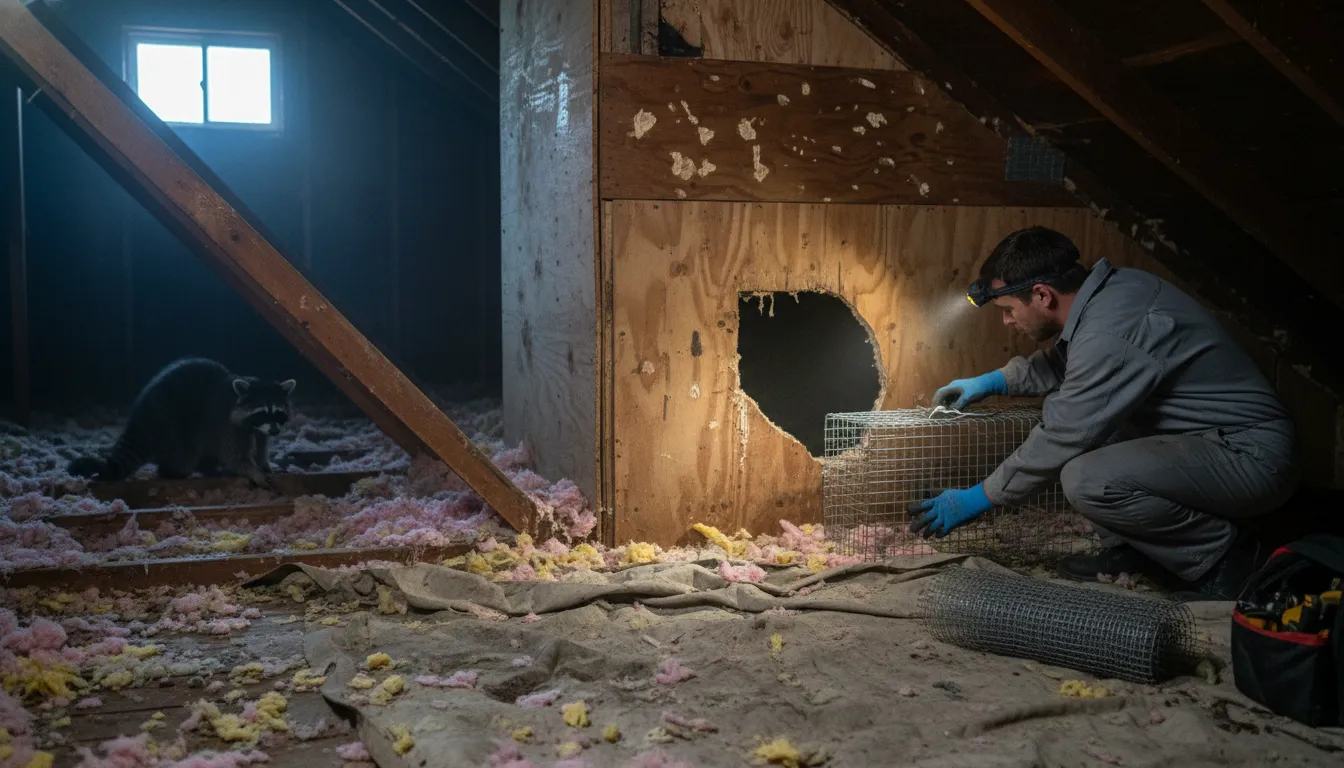
Nebraska's diverse landscapes, from prairies to river valleys, bring homeowners and businesses into close contact with a variety of wild animals. When wildlife like raccoons, skunks, or bats move into attics, chimneys, or under decks, they can cause significant property damage and pose health risks. Professional wildlife control services are essential for safely and legally resolving these conflicts. This guide provides a clear overview of Nebraska's regulations, common nuisance species, and practical steps for finding qualified local professionals to handle your specific situation.
Pal Pest Bat Control
5426 Hillsdale Dr, Lincoln, NE 68504
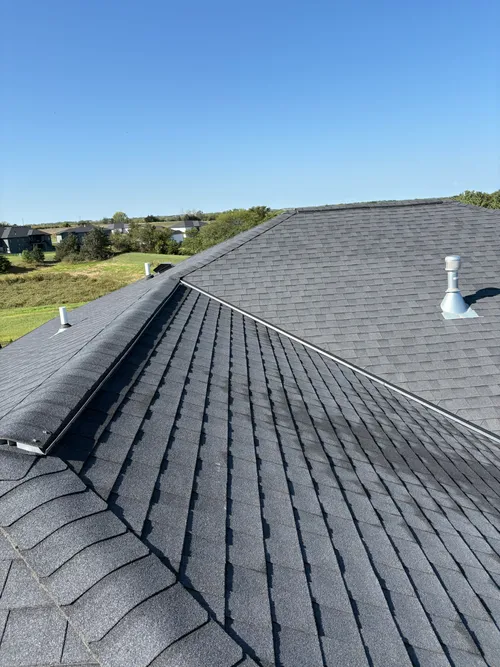
Pal Pest Bat Control is a family-owned business based in Lincoln, NE, specializing in humane bat control and exclusion for residential homes. With over 30 years of experience, they focus on safe removal and prevention of bats, rodents, wasps, and bees using legal and effective methods. Their services include bat exclusion with one-way devices, rodent control, wasp and bee removal, and certified installation of RIDGE-GUARD®, a ridge vent exclusion system that prevents pest entry while maintaining ventilation. Pal Pest serves homeowners in Lincoln, Nebraska, providing solutions that address health risks and structural damage caused by pests.
Bats to Rats LLC - Wildlife Control and Prevention
5900 N 58th St # 4, Lincoln, NE 68507
Bats to Rats LLC - Wildlife Control and Prevention is a locally owned pest and wildlife control company based in Lincoln, NE. They provide services across Nebraska, specializing in humane removal and prevention of bats, rodents, and other nuisance wildlife in residential and commercial properties including schools, apartments, and churches. Their offerings include thorough inspections, consultations, exclusion damage repair, and light construction and repair work such as gutter and dryer vent cleanouts and chimney cover installation. With 15 years of experience, the company is licensed, permitted, and insured, focusing on detailed inspections and effective solutions to wildlife and pest issues.

Quality Pest Control-Omaha
6225 N 89th Cir, Omaha, NE 68134
Quality Pest Control-Omaha is a family-owned pest control company serving Omaha, NE, and surrounding areas for over 30 years. They provide comprehensive pest management solutions for both residential and commercial properties, addressing common pests such as mosquitoes, rodents, ants, termites, bed bugs, and wildlife. Their approach includes thorough inspections, customized treatment plans, and environmentally conscious methods tailored to the unique pest challenges of Omaha's climate. The company also offers ongoing maintenance and prevention strategies to help protect homes and businesses year-round.
Presto-X Pest Control
5601 S 59th St, Lincoln, NE 68516
Presto-X Pest Control serves Lincoln, NE, offering pest management tailored to the area's seasonal pest activity. They handle a variety of pests including rodents, bed bugs, cockroaches, termites, and stored product insects, applying targeted treatments and preventive measures. Their technicians focus on sealing entry points, monitoring, and removing affected goods to control infestations effectively.
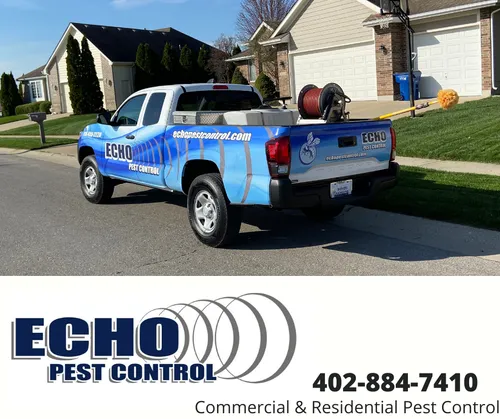
Echo Pest Control Omaha/Lincoln metro areas
7010 N 97th Cir STE A, Omaha, NE 68122
Echo Pest Control Omaha/Lincoln metro areas is a family-owned pest control company serving Omaha, NE, and nearby locations. With over 15 years of experience, they offer targeted and eco-friendly treatments for a variety of pests including cockroaches, ants, rodents, termites, mosquitoes, bees, wasps, and wildlife. Their state-licensed technicians provide customized pest control solutions designed to address specific pest problems efficiently and safely. Echo Pest Control is known for its commitment to environmentally responsible methods and has served the Omaha community since 2011.
Understanding Nebraska's Wildlife Regulations
Navigating the legal landscape is the first step in any wildlife removal process. In Nebraska, wildlife is managed by the Nebraska Game & Parks Commission (NGPC). The rules differ significantly based on whether the animal is a protected game species or a common nuisance animal. Acting outside these regulations can result in fines, so understanding the basics is crucial.
The state distinguishes between two main categories:
- Protected Game Species: This includes animals like deer, elk, turkey, black bear, mountain lion, and bobcat. All federally listed endangered or threatened species, such as the Whooping Crane or Piping Plover, also fall under strict protection 1. For these animals, a landowner typically cannot remove them without specific authorization from the NGPC.
- Common Nuisance Species: For many animals causing routine problems, landowners have more flexibility. This group includes coyotes, foxes, raccoons, opossums, skunks, badgers, rodents (like squirrels), and certain birds like crows, starlings, and blackbirds. In many cases, a permit is not required for a property owner to address an immediate threat.
Landowner Rights and Required Permits
Nebraska law provides specific exemptions and pathways for property owners dealing with damaging wildlife.
- Landowner Exemption: Private landowners, their family, or tenants can destroy predators-specifically coyotes, bobcats, or foxes-that are in the act of damaging livestock or property without needing a permit. This is a key right for agricultural and rural properties.
- Damage Control Permits: If you are experiencing severe or persistent damage from game animals like deer or turkey, and hunting is not a sufficient solution, the NGPC can issue a Damage Control Permit. This permit authorizes the removal of a specified number of animals.
- Professional Operator Permits: Anyone who performs wildlife removal services for profit in Nebraska must hold a valid Wildlife Damage Control Permit from the NGPC 2 3. Always verify that a service provider has this current permit; it's a mark of a legitimate and knowledgeable operator.
- Relocation Rules: A critical and often misunderstood regulation in Nebraska is the restriction on relocating wildlife. It is generally illegal to relocate an animal more than 100 yards from its capture site. The options are typically release on the same property (if safe and appropriate) or humane euthanasia. This rule helps prevent the spread of disease and avoids simply transferring a problem to another location.
Common Nuisance Wildlife in Nebraska
Knowing what you're dealing with helps in communicating with professionals and understanding potential risks.
- Raccoons: These intelligent animals are frequent attic invaders, seeking shelter for denning. They can tear up insulation, ductwork, and soffits, and pose a rabies risk.
- Skunks: Known for their defensive spray, skunks often burrow under porches, sheds, and decks. Removal requires careful techniques to avoid a lingering odor problem.
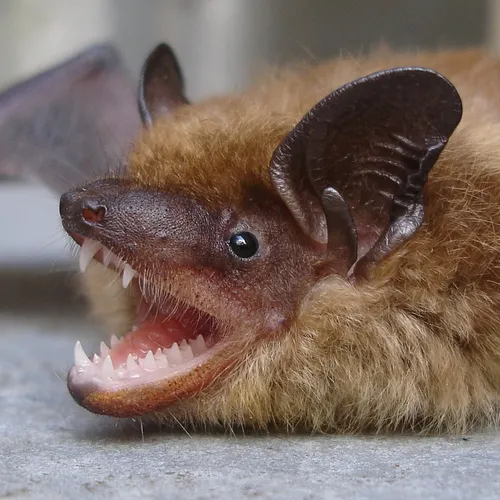
- Bats: Several bat species are common in Nebraska. A colony in an attic poses significant health risks due to histoplasmosis from accumulated guano. Bats are also protected in some contexts, so their removal must be handled with care and often outside of maternity seasons.
- Squirrels (Tree & Ground): Squirrels chew on wood, wires, and insulation to keep their teeth sharp, creating fire hazards and structural damage. They readily enter through small gaps in roof lines.
- Opossums: While generally less destructive, opossums may take up residence under structures and can get into trash. They are North America's only marsupial and eat many pests, but are still a nuisance when they settle in.
- Coyotes: Primarily an outdoor threat, coyotes can prey on small pets and livestock. They are adaptable and increasingly seen in suburban areas.
- Snakes: Most snakes in Nebraska are harmless and beneficial, but occasionally venomous species like the prairie rattlesnake may come too close to homes, especially in western parts of the state.
The Wildlife Removal Process: What to Expect
A professional service will typically follow a structured approach to ensure a complete and lasting solution.
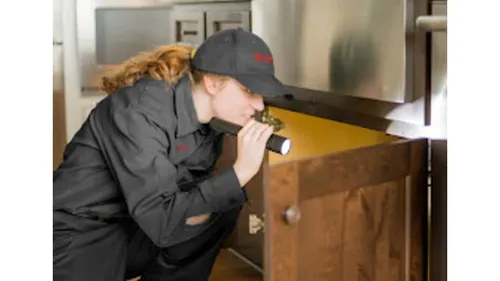
- Inspection and Assessment: A technician will perform a thorough inspection of your property to identify the animal species, entry points, damage, and signs of young. This critical step informs the entire removal plan.
- Humane Removal: Using species-specific techniques such as one-way exclusion doors, live traps, or direct capture, the animals are removed in compliance with state laws.
- Exclusion and Repair: Simply removing the animals is not enough. The service must seal all potential entry points with durable materials like steel mesh, hardware cloth, or chimney caps to prevent re-entry. This is the most important part of a permanent solution.
- Cleanup and Sanitation: Areas contaminated by urine, feces, or nesting materials need professional cleaning and disinfection to eliminate odors and health hazards like parasites and bacteria.
- Restoration: Repairing damaged insulation, ductwork, electrical wiring, or wood structures may be part of the service or a recommended next step with a contractor.
Find the perfect wildlife removal companies for your needs
Get personalized recommendations and expert advice
Cost Considerations for Wildlife Control
The cost of animal removal in Nebraska varies based on the species, location of the problem, extent of damage, and time required. Here is a general overview of what you might expect 4:
- Initial Inspection and Assessment: Many companies charge for this diagnostic visit, typically ranging from $100 to $300.
- Removal Services:
- Removing animals from an accessible area like a crawlspace or garage may start around a few hundred dollars.
- Attic or chimney removal for animals like raccoons or squirrels is more involved, often costing between $500 and $1,500.
- Dead animal removal from within walls or vents can cost $100 to $250 or more, depending on accessibility.
- Exclusion and Repair: Installing permanent seals, vents, and barriers is usually quoted separately and can add several hundred to over a thousand dollars, depending on the linear footage and materials needed.
- Decontamination/Cleanup: Sanitizing an attic space may cost $300 to $700 or more, based on the square footage and contamination level.
It's also worth noting that some Nebraska counties have the authority to levy a small tax (e.g., 20 cents per head of livestock) to fund predator control programs, initiated by landowner petition 5 6.
Local Ordinances and Additional Considerations
Always check your city or county ordinances, as they can be more restrictive than state law. For example, the City of Lincoln has specific codes regarding the keeping of wild animals and nuisance regulations that residents must follow 7. What is permissible on rural land may be prohibited within city limits.
For situations involving injured or orphaned native wildlife (not established nuisance animals in a structure), you can contact a licensed wildlife rehabilitator. The Nebraska Wildlife Rehabilitators Association can be a resource for finding help for truly wild animals in distress 8.
When dealing with any wildlife conflict, your first point of contact for regulatory questions should be your local Nebraska Game & Parks District Office 9. They can provide the most current and situation-specific guidance.
Frequently asked questions
Sources
Footnotes
-
0000000000000441.doc - Nebraska.gov - https://www.nebraska.gov/nesos/rules-and-regs/regtrack/proposals/0000000000000441.doc ↩
-
Nuisance Wildlife Control Operators' Regulations, DRAFT - https://digitalcommons.unl.edu/cgi/viewcontent.cgi?article=1043&context=icwdmother ↩
-
Captive Wildlife Permits - Nebraska Game & Parks Commission - https://outdoornebraska.gov/permits/other-permits/captive-wildlife-permits/ ↩
-
How Much Does Animal & Wildlife Removal Cost? (2026) - https://homeguide.com/costs/animal-and-wildlife-removal-costs ↩
-
- 1 - Revised December, 2017 ANIMAL DAMAGE CONTROL ... - https://nda.nebraska.gov/sites/default/files/regulations/admin/AnimalDamageControlStatutes.pdf
-
23-358 - https://nebraskalegislature.gov/laws/statutes.php?statute=23-358 ↩
-
Lincoln Municipal Code - Title 6 ANIMALS - enCodePlus - https://online.encodeplus.com/regs/lincoln-ne/doc-viewer.aspx?secid=7885 ↩
-
Overview : Wildlife Conflict Issues - https://nebraskawildliferehab.org/wildlife-help/wildlife-conflict-issues/overview.html ↩
-
Depredation - Nebraska Game & Parks Commission - https://outdoornebraska.gov/hunt/hunting-programs/landowner-hunting-programs/depredation/ ↩