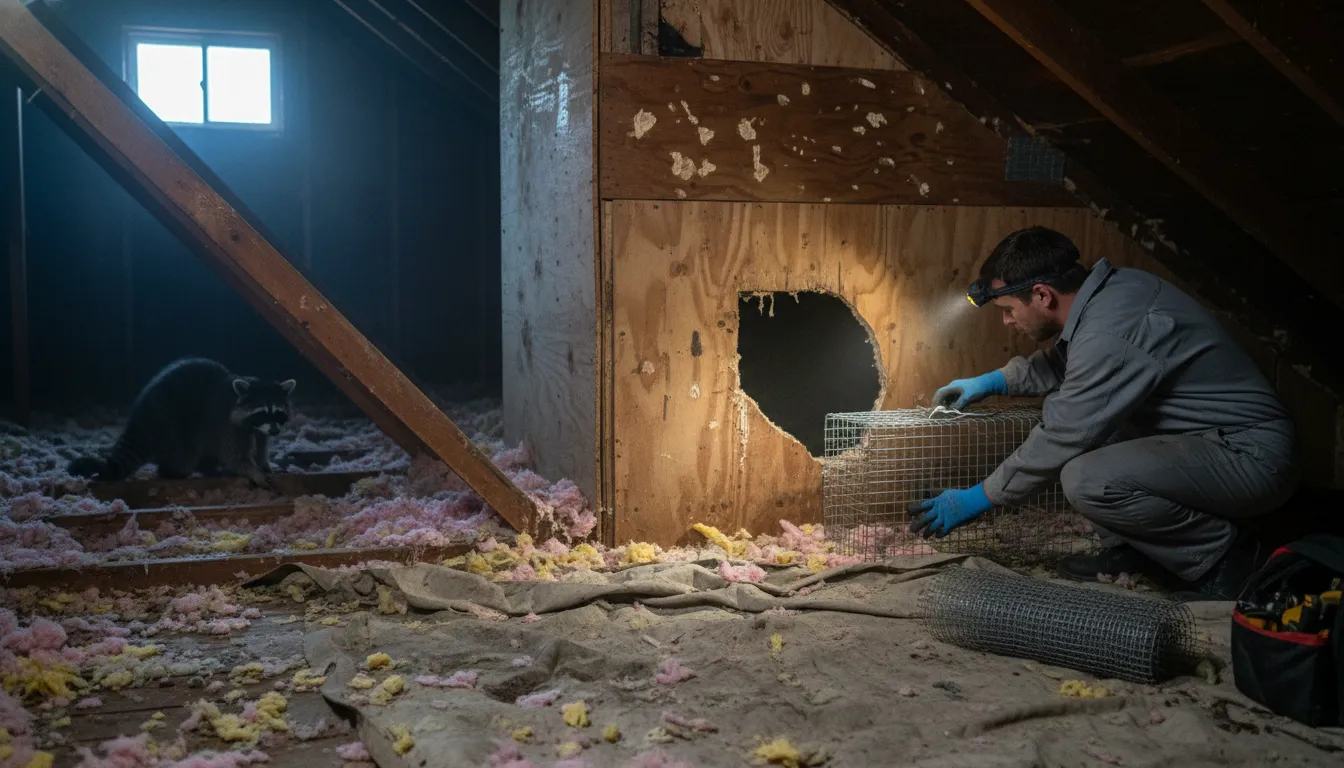
Find the Best Wildlife Removal Companies for Your Business
No obligation • Fast responses • Nationwide coverage

Why you can trust Pest Crews
Pest Crews is a leading U.S. resource for finding and evaluating residential and commercial pest control services. Our team researches providers, reviews treatment approaches, and organizes unbiased information to help you make informed decisions. Companies cannot pay to change our editorial content or influence how they appear.
Search providers near you
Top Wildlife Removal Companies in Omaha, Nebraska Ranked
When raccoons rummage through your trash, squirrels nest in your attic, or bats roost in your eaves, it's more than a nuisance-it's a potential threat to your property and health. Wildlife removal is the professional service dedicated to safely and legally resolving conflicts with wild animals that have encroached on human spaces. In Omaha, where urban development meets natural habitats, encounters with wildlife are common. This guide is designed to help you understand your options, from preventive steps you can take to when it's essential to call in a licensed nuisance wildlife control operator. You can use the information here to identify local experts who specialize in humane trapping, exclusion, and cleanup for the specific animals causing problems in your home or business.

Quality Pest Control-Omaha
6225 N 89th Cir, Omaha, NE 68134
Quality Pest Control-Omaha is a family-owned pest control company serving Omaha, NE, and surrounding areas for over 30 years. They provide comprehensive pest management solutions for both residential and commercial properties, addressing common pests such as mosquitoes, rodents, ants, termites, bed bugs, and wildlife. Their approach includes thorough inspections, customized treatment plans, and environmentally conscious methods tailored to the unique pest challenges of Omaha's climate. The company also offers ongoing maintenance and prevention strategies to help protect homes and businesses year-round.
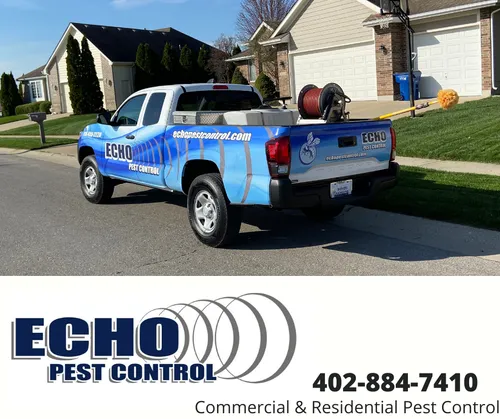
Echo Pest Control Omaha/Lincoln metro areas
7010 N 97th Cir STE A, Omaha, NE 68122
Echo Pest Control Omaha/Lincoln metro areas is a family-owned pest control company serving Omaha, NE, and nearby locations. With over 15 years of experience, they offer targeted and eco-friendly treatments for a variety of pests including cockroaches, ants, rodents, termites, mosquitoes, bees, wasps, and wildlife. Their state-licensed technicians provide customized pest control solutions designed to address specific pest problems efficiently and safely. Echo Pest Control is known for its commitment to environmentally responsible methods and has served the Omaha community since 2011.
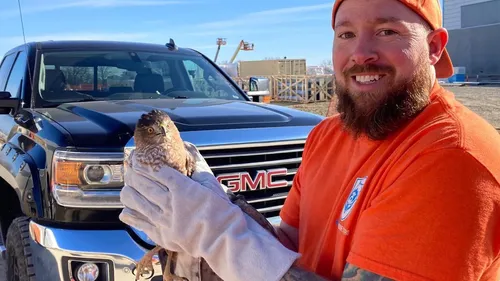
Genuine Pest Control
6506 91st Plaza, Omaha, NE 68122
Genuine Pest Control is a pest control and wildlife removal company serving Omaha, NE. They specialize in humane removal of pests such as raccoons, bats, birds, rodents, and more. Their services include sealing entry points, installing pest barriers, and repairing damage caused by wildlife. Founded in 2014, the company has grown to serve Omaha and surrounding areas with a focus on effective and humane pest management.
Orkin
4507 S 134th St, Omaha, NE 68137
Orkin provides residential and commercial pest control services in Omaha, NE. With over 120 years of experience, they handle a wide range of pests including bed bugs, termites, rodents, ants, mosquitoes, and wildlife. Orkin offers specialized termite inspections and treatments using methods like dry foam void filler, liquid barriers, and Sentricon® bait to protect properties from structural damage. Their pest control experts are available 24/7 for urgent needs and follow seasonal plans to address pest activity throughout the year in Omaha.
Borland Wildlife Solutions
Omaha, NE
Borland Wildlife Solutions is a wildlife removal company serving Omaha, NE, as well as Papillion and Lincoln. They specialize in removing nuisance wildlife, including bats and birds, from homes and businesses. Their services include wildlife inspections using drone technology to access hard-to-see areas, humane removal, attic decontamination, and installation of bat and bird deterrents to prevent wildlife from returning. With over six years of experience, Borland Wildlife Solutions follows up with clients to ensure issues are resolved effectively.
Common Nuisance Wildlife in Omaha
Omaha's blend of river valleys, parks, and residential areas creates ideal habitats for a variety of wildlife. While many species are a natural part of the ecosystem, they can become pests when they seek food and shelter in our homes and yards. The most frequent culprits for animal control calls in the area include:
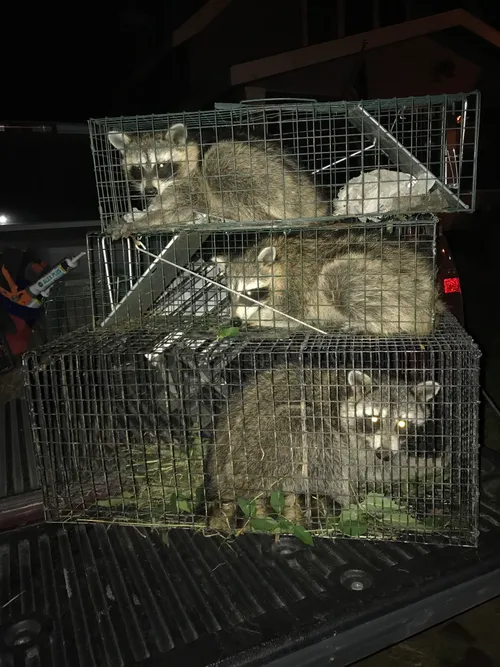
- Raccoons: Intelligent and dexterous, they are notorious for tipping over garbage cans, tearing up roofs to access attics, and creating dens in chimneys or crawl spaces.
- Skunks: Known for their potent defensive spray, skunks often burrow under decks, sheds, and porches. They are primarily nocturnal and can pose a rabies risk.
- Squirrels: Both gray and fox squirrels are common. They chew on wood, electrical wiring (a significant fire hazard), and siding to enter attics, where they nest and store food.
- Bats: Small brown bats and other species may roost in attics, soffits, or wall voids. Bat removal is particularly sensitive due to the risk of diseases like rabies and histoplasmosis from accumulated guano (droppings), often requiring specialized exclusion techniques.
- Rodents: This includes house mice, Norway rats, and voles that can infiltrate basements, garages, and wall cavities, contaminating food and gnawing on structures.
- Other Mammals: Residents may also encounter opossums, coyotes, foxes, and the occasional badger.
- Nuisance Birds: Species like pigeons, starlings, or woodpeckers can damage property with their nesting habits and droppings.
Understanding which animal you're dealing with is the first step toward an effective solution, as removal methods and regulations vary by species.
Nebraska Laws and Regulations You Must Know
Attempting DIY wildlife control without knowing the law can lead to fines or inadvertently causing harm. Nebraska has specific regulations governing human-wildlife conflicts.
- The 100-Yard Relocation Rule: This is one of the most critical laws for Omaha residents. In Nebraska, it is generally illegal to trap and relocate most wildlife more than 100 yards from the capture site without a permit. The purpose of this law is to prevent the spread of disease and avoid transferring problems to another property. An animal released in an unfamiliar territory often faces starvation, predation, or conflict with other animals of its species. This means "catch and release" in a faraway park is not a legal or humane option.
- Legal Outcomes for Trapped Animals: Given the 100-yard rule, a legally trapped animal typically has two outcomes: 1) It is released on the same property (if suitable and the problem can be otherwise resolved), or 2) It is humanely euthanized. This is why prevention and exclusion are emphasized over trapping 1.
- Protected Species & Permits: Some species, like bats, may have additional protections. Landowners experiencing severe agricultural damage from deer or turkeys can apply for a special depredation permit, but this is for specific, significant situations. For most residential issues, you must hire a licensed Nuisance Wildlife Control Operator (NWCO) who understands and complies with all state and federal regulations.
DIY Prevention and Deterrence Strategies
Before an animal moves in, there are several effective steps you can take to make your property less inviting. Proactive wildlife prevention is the safest and most cost-effective approach.
- Exclusion (Sealing Entry Points): This is the cornerstone of long-term control. Conduct seasonal inspections of your home's exterior. Look for gaps in roof soffits, loose vent covers, holes in siding, and cracks in the foundation. Use high-quality materials like hardware cloth, steel wool (for rodents), and metal flashing to seal any openings. Remember, a gap as small as a quarter can admit mice, and a hole the size of a baseball can admit rats.
- Sanitation and Habitat Modification: Remove the food and water sources that attract wildlife.
- Secure garbage cans with tight-fitting, locking lids or bungee cords.
- Do not leave pet food outdoors overnight.
- Pick up fallen fruit from trees and clear away bird seed from under feeders.
- Trim tree branches back at least 6-8 feet from your roofline to limit access for squirrels and raccoons.
- Deterrents: While not always permanent, deterrents can discourage wildlife.
- Motion-activated devices: Sprinklers, lights, or ultrasonic noisemakers can startle animals and condition them to avoid your yard 2.
- Repellents: Commercial or homemade repellents (like ammonia-soaked rags near a den entrance) may offer temporary relief for some species, but their effectiveness varies, and you should check local regulations before use 3.
- For Skunks: If a skunk is in your open yard, the best approach is often to calmly open a gate and allow it to leave on its own. They typically only spray when threatened or cornered. Gently encouraging it toward an exit with a large blanket held between you and the animal is a suggested method, but herding an animal out of a structure should be followed by professional exclusion to prevent its return 4.
Find the perfect wildlife removal companies for your needs
Get personalized recommendations and expert advice
When to Call a Professional Wildlife Removal Service
While DIY methods are great for prevention, certain situations demand professional expertise. Licensed nuisance wildlife control operators have the training, equipment, and legal authority to handle complex or dangerous infestations safely.
- Health and Safety Risks: If an animal is acting aggressively, appears disoriented or sick (potential rabies), or has bitten a person or pet, do not approach it. Contact professionals immediately. This is especially critical for bats found in living areas, as their bites can be hard to detect 5.
- Animals Inside the Home: When wildlife is actively living in an attic, wall void, chimney, or crawl space, professional removal is advised. They can safely trap and remove the animals, then implement critical exclusion repairs to prevent re-entry.
- Significant Property Damage: Evidence of extensive chewing on wires, structural beams, or insulation, or the presence of large quantities of droppings (like from bats or raccoons) requires professional remediation. Cleanup of hazardous waste like guano is a specialized service 6.
- Ineffective DIY Efforts: If you've tried deterrents and sealing but the animals keep returning, a professional can perform a thorough inspection to find hidden entry points and identify all factors contributing to the problem.
- To Ensure Legal Compliance: Professionals ensure all trapping and handling is done in accordance with Nebraska's strict wildlife laws, protecting you from potential liability 7.
Omaha Animal Control is an important resource, but its primary focus is on public safety and stray domestic animals. For dedicated wildlife removal from private property, they will often refer you to a list of licensed NWCOs 8.
Understanding Wildlife Removal Costs in Omaha
The cost for professional animal control services varies widely based on the complexity of the job. National averages place wildlife removal between $191 and $612, with an average cost around $401 9. In Omaha, your final price will depend on several key factors:
- Type of Animal: Removal costs are species-specific.
- Rodents (Mice/Rats): Often less expensive, involving trapping and exclusion.
- Squirrels: Typically a mid-range cost, as they often require multiple traps and attic work.
- Raccoons & Skunks: Can be more costly due to their size, strength, and the potential for damage and disease.
- Bats: Usually the most expensive due to the need for specialized exclusion devices (one-way doors), potential maternity colony delays, and critical biohazard cleanup of guano 10.
- Extent of Infestation: A single animal is easier and cheaper to remove than an entire family group or colony.
- Location and Accessibility: An animal in an easy-to-reach crawl space is less costly to remove than one trapped in a hard-to-access wall void or high attic.
- Repairs and Cleanup: The service price often includes basic exclusion sealing. However, major repairs (replacing chewed wiring, torn ductwork, soiled insulation, or damaged drywall) and advanced decontamination/deodorization are additional services that significantly impact the total cost 11.
It's always wise to get detailed, written estimates from a few licensed companies that include inspection, removal, exclusion, and any necessary repairs or cleanup.
Creating Your Action Plan for Wildlife Issues
When you discover unwanted wildlife, a calm, step-by-step approach will lead to the best outcome.
- Identify and Assess: Safely observe from a distance. What is the animal? Where is it entering? What damage or signs (droppings, tracks, sounds) can you detect? Do not attempt to handle or corner the animal.
- Implement Immediate Prevention: If safe to do so, take preliminary steps like bringing in pet food, securing trash, and closing obvious access points (like a pet door or open garage). Do not permanently seal an entry if you suspect animals are still inside, as this can trap them and cause greater damage.
- Contact Professionals: Reach out to 2-3 licensed and insured Omaha wildlife removal companies for inspections and quotes. Ask about their methods, guarantees, and how they comply with Nebraska's relocation laws.
- Review and Decide: Choose a provider who offers a comprehensive plan that includes humane removal, permanent exclusion, and cleanup. Ensure the contract clearly outlines all costs and services.
- Follow Through: Once the animals are removed and excluded, maintain your property with the preventive habits outlined above to discourage future visitors.
Frequently asked questions
Sources
Footnotes
-
Trapping & Relocating Wildlife - https://nebraskawildliferehab.org/wildlife-help/wildlife-conflict-issues/solutions-to-trapping-relocating-wildlife.html ↩
-
Omaha Wildlife Animal Control - Removal Company - http://www.wildlifeanimalcontrol.com/Omaha.html ↩
-
Depredation - Nebraska Game & Parks Commission - https://outdoornebraska.gov/hunt/hunting-programs/landowner-hunting-programs/depredation/ ↩
-
Wildlife Removal Omaha - http://www.omahawildliferemoval.com/ ↩
-
Overview : Wildlife Conflict Issues - https://nebraskawildliferehab.org/wildlife-help/wildlife-conflict-issues/overview.html ↩
-
Omaha Dead Animal Removal | Critter Control - http://www.800critter.com/omaha_deadanimalremoval.html ↩
-
Wildlife Damage Management | NWCTP - https://wildlifecontroltraining.com/training/principles-of-wildlife-control/ ↩
-
23-358 - https://nebraskalegislature.gov/laws/statutes.php?statute=23-358 ↩
-
How Much Does Wildlife Removal Cost? [2026 Data] - Angie's List - https://www.angi.com/articles/what-cost-animal-removal.htm ↩
-
Omaha Wildlife Removal Service | Critter Control of Omaha - https://www.crittercontrol.com/office-finder/nebraska/omaha/ ↩
-
Prices for Omaha Wildlife Pest Control Animal Trapping - http://www.aaanimalcontrol.com/professional-trapper/prices/NE-Omaha-prices.htm ↩