Find the Best Wildlife Removal Companies for Your Business
No obligation • Fast responses • Nationwide coverage

Why you can trust Pest Crews
Pest Crews is a leading U.S. resource for finding and evaluating residential and commercial pest control services. Our team researches providers, reviews treatment approaches, and organizes unbiased information to help you make informed decisions. Companies cannot pay to change our editorial content or influence how they appear.
Search providers near you
Top Wildlife Removal Companies in East Orange, New Jersey Ranked
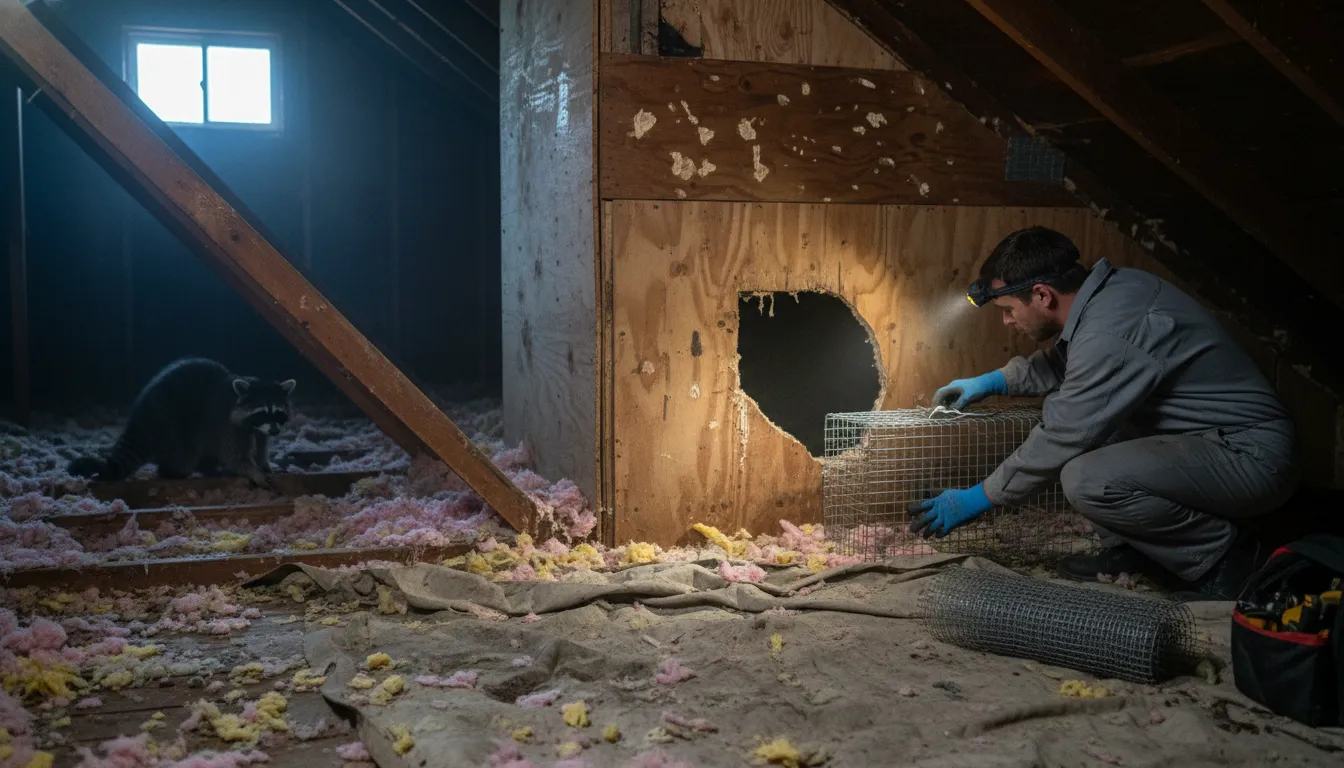
Discovering an uninvited animal in your attic, under your deck, or rummaging through your trash can be a startling and stressful experience for any homeowner. Wildlife removal is the specialized service of safely and humanely evicting nuisance animals from residential and commercial properties, followed by securing the structure to prevent future entries. This process is critical not only for protecting your property from damage but also for safeguarding your family's health, as many wild animals can carry diseases. This guide will help you understand the common wildlife issues in East Orange, what you can do yourself, when to call a professional, and how to navigate local regulations to find the right help for your situation.
Universal Pest Control
118 Locust St, Roselle, NJ 07203
Universal Pest Control is a family owned and operated pest control company serving Newark, NJ, and the surrounding Union County area. They offer a wide range of pest management services including cockroach, ant, termite, bee and wasp removal, as well as wildlife control. Their licensed and trained technicians use up-to-date methods to address pest infestations safely and effectively. With years of experience, Universal Pest Control provides free consultations and estimates to help customers find tailored solutions for their pest issues.
Recon Pest Control Inc
79 Escanaba Ave, Staten Island, NY 10308
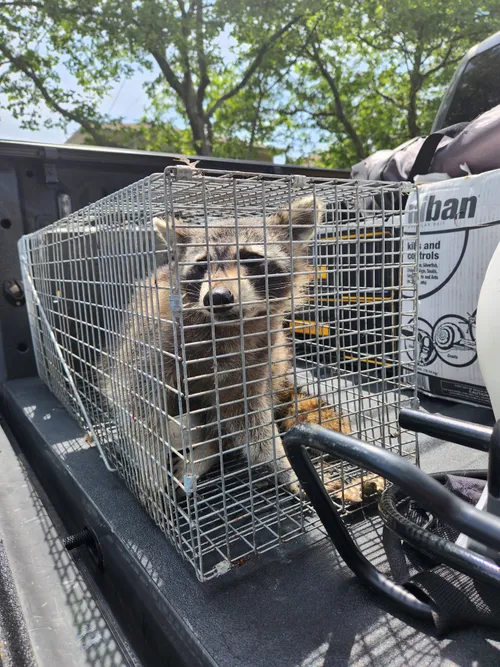
Recon Pest Control Inc is a family-owned pest control company based in Staten Island, serving New York, NY, and nearby New Jersey. They offer a wide range of pest management services including bed bug extermination, termite control, rodent removal, mosquito reduction, bee and wasp removal, and wildlife relocation. The company also provides specialized solutions like the SolaTrim Pest Abatement Barrier to protect solar panels from pigeons and rodents. Recon Pest Control partners with Dad and Daughters Home Inspection, LLC to offer comprehensive home inspections and related services.
GoSafe Pest Control LLC
264-07 Langston Ave unit B, Glen Oaks, NY 11004
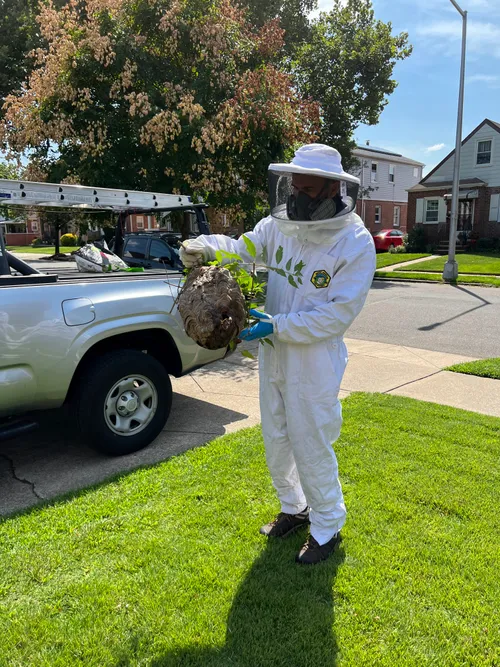
GoSafe Pest Control LLC is a locally owned pest control company serving New York, NY. They provide a range of pest management services including bed bug treatment, cockroach and ant control, rodent control, termite inspections, mosquito control, bee and wasp removal, bird and pigeon control, and wildlife removal. The company offers eco-friendly solutions tailored to client schedules, with options for weekly to seasonal visits.
800-Raccoon Pest & Wildlife Control
32-07 Astoria Blvd N, Astoria, NY 11102
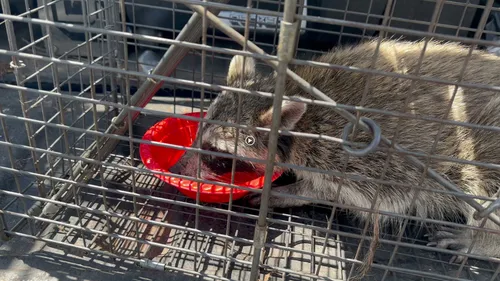
800-Raccoon Pest & Wildlife Control is a family-owned pest control company serving New York, NY, with over 45 years of experience. They offer comprehensive pest management services including rodent control, termite inspections, mosquito control, and humane wildlife removal for both residential and commercial properties. Their approach covers all aspects of pest prevention and treatment to protect homes and businesses effectively. The company emphasizes a thorough, multi-step process to ensure complete pest protection and peace of mind for their clients.
Uma Pest Control
200 W Milton Ave, Rahway, NJ 07065
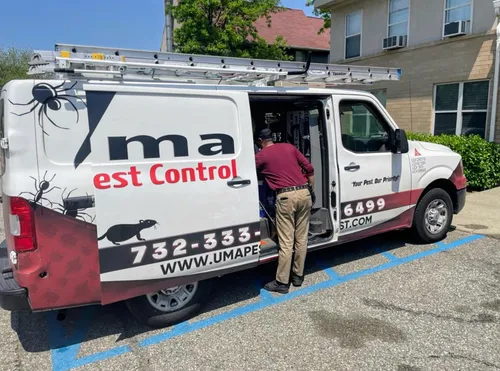
Uma Pest Control offers a range of pest management services in New York, NY, including bed bug treatment, termite inspections, mosquito control, rodent removal, and bird control. They provide commercial, residential, and industrial pest control using green botanical products when preferred. Uma Pest Control is known for its one-day bed bug treatment that combines freeze, heat, and steam methods in a single visit, avoiding multiple follow-ups common with other providers. Their services also cover insect repellents, exclusion work, and wildlife removal for animals like bats and raccoons. The company operates from Rahway, NJ, and has been maintaining pest control services for several years.
Common Nuisance Wildlife in East Orange
The urban and suburban landscape of East Orange provides ample food and shelter for a variety of adaptable wildlife species. Knowing which animals are most likely to cause problems is the first step in addressing an issue.
- Raccoons: Intelligent and dexterous, raccoons are notorious for tipping over trash cans, tearing up roofs to access attics, and creating dens in chimneys or crawl spaces. They are a primary carrier of rabies in New Jersey.
- Squirrels: Both gray and flying squirrels commonly enter homes through small gaps near rooflines. Once inside, they can chew on electrical wiring (a significant fire hazard), insulation, and wooden beams, causing extensive damage 1.
- Rodents (Rats & Mice): While often considered general pests, rats and mice are wildlife that can invade structures year-round. They contaminate food, chew through materials, and pose serious health risks through their droppings.
- Skunks & Opossums: These animals often take up residence under porches, sheds, or decks. Skunks pose a obvious olfactory threat, while both can dig up lawns in search of insects and grubs.
- Bats: A colony of bats in an attic can lead to large accumulations of guano (droppings), which can harbor histoplasmosis spores. Bats are also protected by specific regulations, making their removal a job for experts 2.
- Groundhogs (Woodchucks): Their extensive burrowing can undermine foundations, sidewalks, and retaining walls, leading to costly structural damage.
What Homeowners Can Do: Prevention & DIY Steps
Before an animal moves in, or in the early stages of a problem, there are several effective actions you can take. Nuisance wildlife control often starts with making your property less attractive.
Remove Food and Shelter Attractants
The most effective long-term solution is to eliminate what draws animals to your yard.
- Secure Trash & Compost: Use animal-proof trash cans with locking lids or secure bins in a garage or shed. Keep compost piles fully covered.
- Manage Pet Food & Bird Feeders: Never leave pet food outdoors overnight. Use squirrel-proof bird feeders and clean up spilled seed regularly, as it attracts rodents and other wildlife 3.
- Clear Yard Debris: Remove piles of wood, leaf litter, and overgrown brush where animals can hide or nest.
Seal Potential Entry Points
A critical step in animal exclusion is a thorough inspection of your home's exterior.
- Conduct a visual inspection of your roof line, soffits, vents, and foundation. Look for gaps, loose boards, or holes.
- Seal small cracks and holes with high-quality caulk or expanding foam. For larger gaps, use hardware cloth, metal flashing, or plywood.
- Install chimney caps and vent covers designed to keep animals out while allowing proper airflow.
Document the Activity
If you suspect wildlife is present, start documenting. Note the times of day you hear noises (scratching, scurrying), take photos of any damage or droppings (from a safe distance), and try to identify the animal. This information is invaluable for a professional if you need to call one 4.
When to Call a Professional Wildlife Removal Service
While DIY efforts are excellent for prevention, there are many situations where hiring a licensed wildlife control operator is not just advisable but necessary for safety and effectiveness.
- The Animal is Inside Your Living Space: If a raccoon, squirrel, or bat is in your kitchen, basement, or bedroom, do not attempt to corner or chase it. This can lead to bites, scratches, and a panicked animal causing more damage.
- You Suspect a Mother with Young: Removing a mother animal while leaving her babies behind creates an inhumane situation and leads to odors and insects as the young perish. Professionals have the expertise to locate and remove entire litters humanely.
- Risk of Disease: Animals like raccoons, bats, and rodents can transmit diseases such as rabies, leptospirosis, and hantavirus. Their droppings and urine also pose health risks. Professionals have the training and personal protective equipment (PPE) to handle biohazardous cleanup safely 5.
- The Job is Physically Dangerous: If the animal's entry point is high on a roof, in a confined crawl space, or near electrical lines, the risk of personal injury is high.
- DIY Methods Have Failed: If you've sealed entries but the animal is still getting in, or if trapping has been unsuccessful, a professional can identify secondary entry points and use more advanced techniques.
Find the perfect wildlife removal companies for your needs
Get personalized recommendations and expert advice
Understanding Local Regulations and Professional Services
Wildlife removal in New Jersey is governed by state fish and wildlife regulations, which professionals understand intimately.
- Property Owners' Rights: New Jersey law allows property owners to use lawful means to control damage caused by common nuisance species like squirrels, raccoons, and skunks 6. However, the "lawful means" are specific.
- Relocation Rules: The state has a strict policy on relocation. It is often illegal to simply trap an animal and release it in a park or forest. This can spread disease and simply transfer the problem to another community. Professionals follow approved protocols, and in some cases, euthanasia may be the only legal and humane option for certain species 7.
- Protected Species: Some animals, like certain bats, have additional protections. A licensed professional will know how to comply with these regulations.
- Local Ordinances: East Orange has ordinances that prohibit feeding rodents or making food sources accessible to them, highlighting the city's focus on prevention 8.
What a Professional Service Provides
A full-service animal removal company does much more than just trap an animal. Their process typically includes:
- Inspection: A thorough assessment to identify the species, entry points, and extent of the infestation.
- Humane Removal: Using appropriate, legal methods to remove the animal(s).
- Exclusion: The most important step-permanently sealing all entry points with durable materials to prevent re-entry.
- Cleanup & Sanitation: Decontaminating the affected area by removing droppings, nesting materials, and applying antimicrobial agents to eliminate odors and health hazards.
- Repair: Fixing the damage caused by the wildlife, such as chewed wires, torn insulation, or damaged siding.
Cost Considerations for Wildlife Removal
The cost for wildlife extraction in East Orange varies widely based on the animal, the location of the problem, and the extent of the work required. It's important to get detailed estimates from a few licensed companies.
- Simple Removal: For a single animal trapped in a humane cage on your property, costs may start around $100+.
- Standard Removal & Exclusion: For removing an animal family from an attic and performing basic exclusion repairs, homeowners can expect to pay in the range of $300 to $500.
- Complex Infestations: Jobs involving multiple animals, extensive damage repair, or significant biohazard cleanup (like bat guano removal) can cost $500 to $1,500 or more 9.
Always ask what is included in the quote. A lower price that only covers trapping may leave you with an unsealed entry point and a recurring problem.
Finding Licensed Help in East Orange
If you need professional assistance, search for terms like "licensed nuisance wildlife control operator East Orange NJ" or "NJ wildlife removal company." Verify that the company is fully licensed and insured. You can also contact the East Orange Department of Health or local animal control for guidance; while they may not perform trapping for nuisance wildlife, they can often provide referrals to certified professionals 10 11.