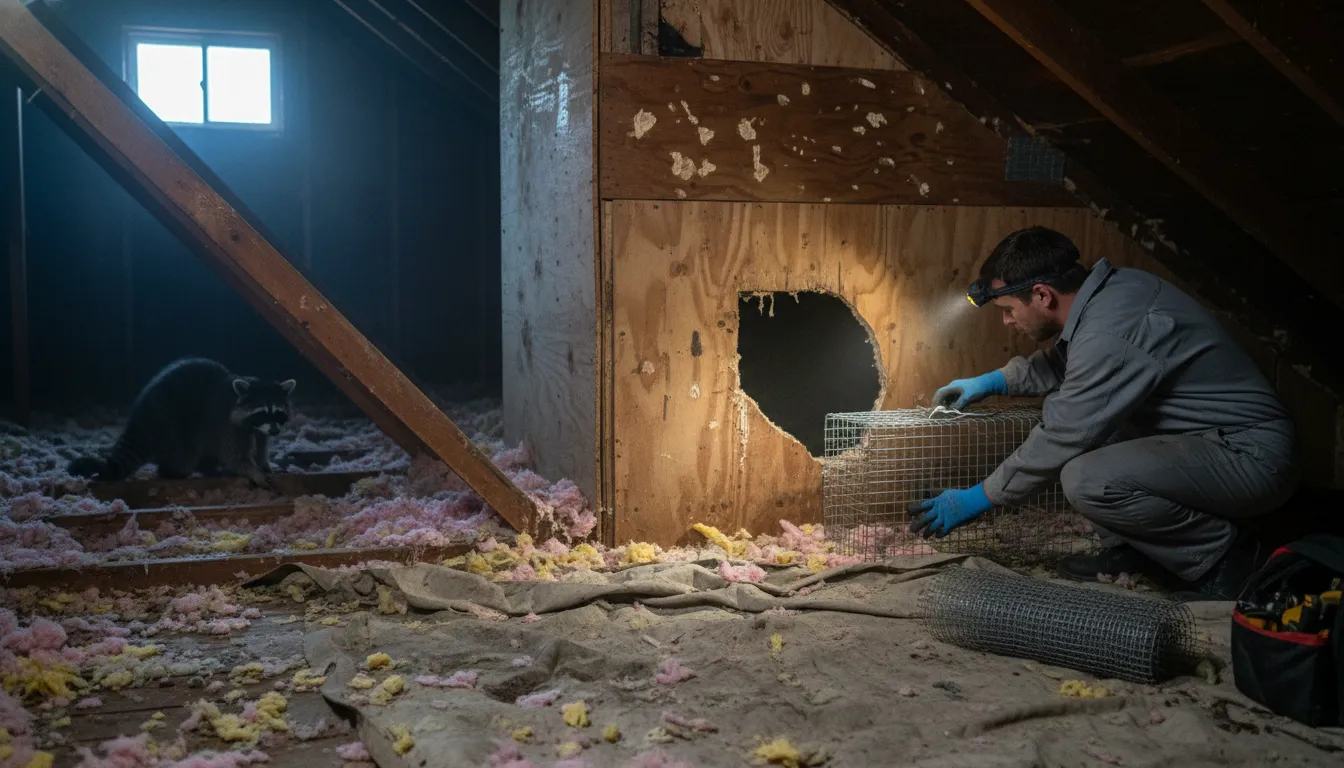
Find the Best Wildlife Removal Companies for Your Business
No obligation • Fast responses • Nationwide coverage

Why you can trust Pest Crews
Pest Crews is a leading U.S. resource for finding and evaluating residential and commercial pest control services. Our team researches providers, reviews treatment approaches, and organizes unbiased information to help you make informed decisions. Companies cannot pay to change our editorial content or influence how they appear.
Search providers near you
Top Wildlife Removal Companies in Jersey City, New Jersey Ranked
Finding an uninvited animal in your home or business can be unsettling. Wildlife removal is the professional service of safely and humanely evicting nuisance animals like raccoons, squirrels, and skunks from your property, followed by measures to prevent their return. In Jersey City, these situations are governed by specific state and local regulations, making it important to understand your options and when to call a licensed expert. This guide will help you identify common local wildlife issues, learn effective prevention strategies, and navigate the process of finding qualified animal control professionals in the area.
Universal Pest Control
118 Locust St, Roselle, NJ 07203
Universal Pest Control is a family owned and operated pest control company serving Newark, NJ, and the surrounding Union County area. They offer a wide range of pest management services including cockroach, ant, termite, bee and wasp removal, as well as wildlife control. Their licensed and trained technicians use up-to-date methods to address pest infestations safely and effectively. With years of experience, Universal Pest Control provides free consultations and estimates to help customers find tailored solutions for their pest issues.
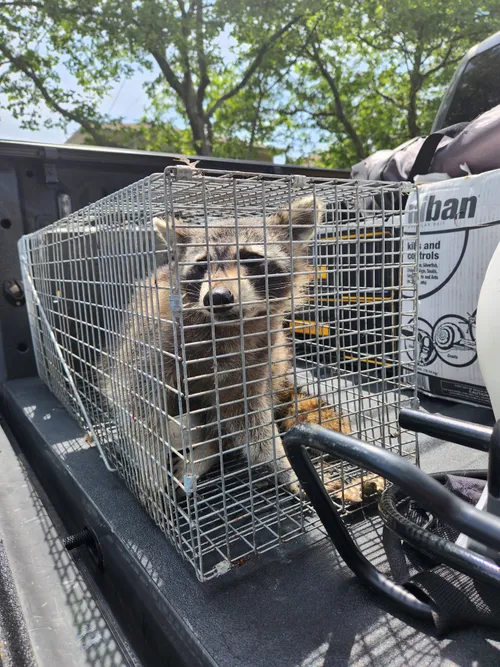
Recon Pest Control Inc
79 Escanaba Ave, Staten Island, NY 10308
Recon Pest Control Inc is a family-owned pest control company based in Staten Island, serving New York, NY, and nearby New Jersey. They offer a wide range of pest management services including bed bug extermination, termite control, rodent removal, mosquito reduction, bee and wasp removal, and wildlife relocation. The company also provides specialized solutions like the SolaTrim Pest Abatement Barrier to protect solar panels from pigeons and rodents. Recon Pest Control partners with Dad and Daughters Home Inspection, LLC to offer comprehensive home inspections and related services.
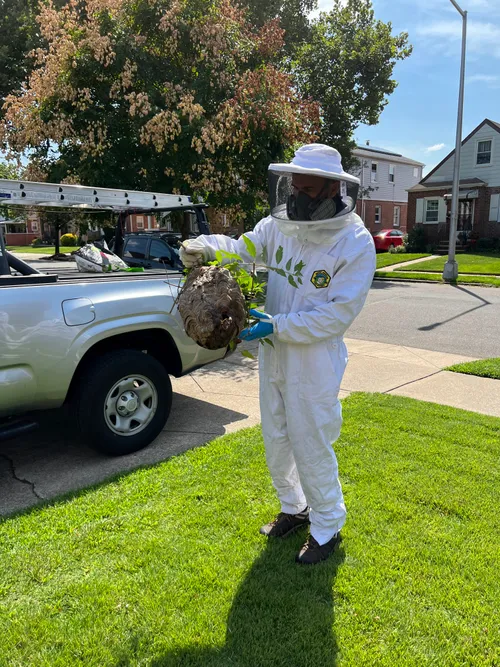
GoSafe Pest Control LLC
264-07 Langston Ave unit B, Glen Oaks, NY 11004
GoSafe Pest Control LLC is a locally owned pest control company serving New York, NY. They provide a range of pest management services including bed bug treatment, cockroach and ant control, rodent control, termite inspections, mosquito control, bee and wasp removal, bird and pigeon control, and wildlife removal. The company offers eco-friendly solutions tailored to client schedules, with options for weekly to seasonal visits.
800-Raccoon Pest & Wildlife Control
32-07 Astoria Blvd N, Astoria, NY 11102
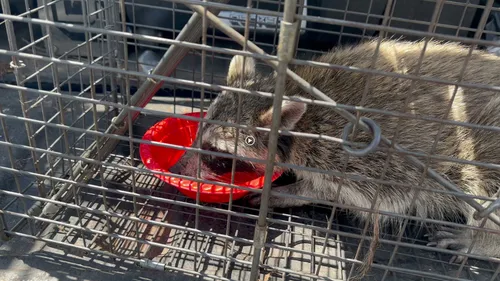
800-Raccoon Pest & Wildlife Control is a family-owned pest control company serving New York, NY, with over 45 years of experience. They offer comprehensive pest management services including rodent control, termite inspections, mosquito control, and humane wildlife removal for both residential and commercial properties. Their approach covers all aspects of pest prevention and treatment to protect homes and businesses effectively. The company emphasizes a thorough, multi-step process to ensure complete pest protection and peace of mind for their clients.
Uma Pest Control
200 W Milton Ave, Rahway, NJ 07065
Uma Pest Control offers a range of pest management services in New York, NY, including bed bug treatment, termite inspections, mosquito control, rodent removal, and bird control. They provide commercial, residential, and industrial pest control using green botanical products when preferred. Uma Pest Control is known for its one-day bed bug treatment that combines freeze, heat, and steam methods in a single visit, avoiding multiple follow-ups common with other providers. Their services also cover insect repellents, exclusion work, and wildlife removal for animals like bats and raccoons. The company operates from Rahway, NJ, and has been maintaining pest control services for several years.
Common Nuisance Wildlife in Jersey City
The urban and suburban landscapes of Jersey City provide ample habitat for a variety of adaptable wildlife species. Knowing which animals are most likely to cause problems is the first step in addressing an issue.
Mammals:
- Raccoons: Intelligent and dexterous, raccoons are notorious for tipping over trash cans and can tear through roof vents or soffits to access attics, where they create dens.
- Squirrels: Both gray and flying squirrels are common attic pests. Their constant gnawing can damage electrical wiring, insulation, and structural wood, creating a fire hazard.
- Opossums: These marsupials often seek shelter under decks, sheds, or in crawl spaces. While they eat many pests like ticks, they can become a nuisance and may hiss or bare teeth when threatened.
- Skunks: Known for their potent defense mechanism, skunks dig for grubs in lawns and may den under porches or foundations, leading to unpleasant encounters with pets.
- Coyotes & Foxes: These predators have adapted well to urban edges. They may prey on small pets and can be attracted by unsecured garbage or pet food left outdoors.
- Woodchucks (Groundhogs): These large rodents are powerful diggers, creating extensive burrow systems that can undermine foundations, sidewalks, and retaining walls.
Birds:
- Pigeons, Starlings, and Sparrows: These birds often nest in building eaves, vents, and other structural cavities. Their droppings are acidic and can damage property, while nests can block ventilation systems 1. It's important to note that many birds fall under federal protection, and their management has different rules than mammals.
Understanding Local Regulations and Jurisdiction
One of the most critical aspects of dealing with wildlife in New Jersey is knowing who to contact. Jurisdiction is split between local and state authorities, and misunderstanding this can delay a solution.
Jersey City Animal Control primarily handles domestic animal issues and public health threats related to wildlife. You should contact them immediately for:
- An animal that appears sick, injured, or disoriented.
- An animal acting aggressively (a potential rabies threat).
- A deceased animal on public property 2.
For general nuisance wildlife issues-such as an animal in your attic, under your deck, or repeatedly digging in your yard-local Animal Control often defers to the New Jersey Department of Environmental Protection (NJDEP) or recommends contacting a licensed Wildlife Control Operator (WCO) directly 3. This is because the NJDEP sets the guidelines for the handling, relocation, and control of wildlife species 4.
Effective Do-It-Yourself Prevention Strategies
Many wildlife conflicts can be prevented with proactive property maintenance. The goal is to make your home less attractive and accessible to foraging animals.
Habitat Modification:
- Secure Trash and Compost: Use trash cans with tight-fitting, locking lids. Store them in a garage or shed until pickup day. Secure compost bins to prevent access.
- Remove Food Sources: Clean up fallen fruit from trees, bring pet food indoors overnight, and use feeders designed to be squirrel-proof if you feed birds.
- Eliminate Shelter: Keep woodpiles elevated and away from your home's exterior. Seal off crawl space entries and clear dense brush from property edges.
Exclusion Techniques:
- Seal Entry Points: Conduct a thorough inspection of your roofline, foundation, and siding. Seal any gaps, cracks, or holes with sturdy materials like hardware cloth, sheet metal, or concrete. Pay special attention to areas where pipes and utilities enter the home 5.
- Chimney and Vent Protection: Install a professionally-fitted chimney cap. Cover attic, soffit, and dryer vents with animal-proof screening 6.
- Fencing: For animals like woodchucks, installing a buried fence (L-footer) can help protect gardens and prevent burrowing under structures.
Find the perfect wildlife removal companies for your needs
Get personalized recommendations and expert advice
When and How to Hire a Professional Wildlife Removal Service
While DIY methods work for prevention, active infestations often require professional intervention. Licensed Wildlife Control Operators (WCOs) have the expertise, equipment, and legal knowledge to resolve issues safely and in compliance with New Jersey law.
You should consider calling a professional for:
- Animals Inside the Living Structure: This includes sounds in walls or attics, which often indicate a nesting site.
- Complex Removal: Situations involving mothers with young, which require careful handling due to strict state relocation policies.
- Dangerous or Inaccessible Animals: Such as a raccoon in a chimney or a snake in a basement.
- Persistent Problems: When DIY exclusion has failed and animals keep returning.
- Damage Repair and Exclusion: To not only remove the animal but also permanently seal the entry points they used.
The Professional Process: A reputable service will typically follow a multi-step process:
- Inspection and Consultation: The technician will identify the species, locate entry points, and assess the extent of the infestation.
- Humane Removal: Using live traps or one-way exclusion doors, the animals are evicted. It is crucial that this is done in a way that doesn't separate young from adults, as per NJDEP policy.
- Clean-up and Sanitation: Removing nesting materials, droppings, and urine is vital to eliminate odors and health hazards.
- Exclusion and Repair: Sealing all potential entry points with durable materials to prevent re-entry.
- Relocation or Disposition: The professional will follow NJDEP guidelines, which often discourage long-distance relocation due to low survival rates and may, in some cases, necessitate euthanasia for certain species, a decision governed by state policy.
Understanding Costs and Property Owners' Rights
The cost for wildlife control in Jersey City varies based on the species, severity of the infestation, and the services required. A basic consultation or inspection is often the first step. For a medium-sized job, such as removing squirrels from an attic or setting multiple traps for ground animals, costs can start around $300 or more 7 8. More complex jobs, like full attic restorations, bat colony exclusions, or dealing with larger animals like raccoons, will be higher.
As a property owner in New Jersey, you have the right to protect your property from damage caused by common nuisance wildlife. You may use lawful means, such as exclusion and habitat modification, to address problems 9. However, the state has complex rules regarding the relocation of wildlife. For example, dependent young must be relocated with their parents, and relocating adult animals is heavily regulated and often not recommended, as it can spread disease and typically results in poor outcomes for the animal 10 11. For certain protected birds, federal permits may be required for any removal activity 9. This legal complexity is a key reason why hiring a knowledgeable professional is often the most effective and compliant path forward.
Frequently asked questions
Sources
Footnotes
-
Jersey City NJ Wildlife Information - AAAnimal Control - http://www.aaanimalcontrol.com/professional-trapper/wildlife/NJ-Jersey-City-Wildlife.htm ↩
-
Division of Animal Care & Control - City of Jersey City - https://www.jerseycitynj.gov/cityhall/health/divisionofanimalcarecontrol ↩
-
Municipal Animal Control in NJ-Best Practices - http://www.njcacoa.org/Municipal_Animal_Control_in_NJ_Best_Practices.html ↩
-
Veterinary Public Health | Animal Control - NJ.gov - https://www.nj.gov/health/vph/animal-control ↩
-
Effective Wildlife Removal in New Jersey - Amco Pest Control - https://amcopest.com/news-and-updates/effective-wildlife-removal-in-new-jersey ↩
-
I have nuisance wildlife in my home/yard. What should I do? - https://www.ewingnj.org/documents/files/file/Health/Animal%20Control/Nuisance%20wildlife.pdf ↩
-
Prices for Jersey City Wildlife Pest Control Animal Trapping - http://www.aaanimalcontrol.com/Professional-Trapper/prices/NJ-Jersey-City-prices.htm ↩
-
The Cost of Wildlife Removal: What You Need to Know - https://coastalwildlifeservices.com/cost-of-wildlife-removal/ ↩
-
NJ Wildlife Relocation Policy - NJ.gov - https://www.nj.gov/dep/fgw/pdf/relocation_policy.pdf ↩ ↩2
-
Wildlife Relocation Policy - https://dep.nj.gov/wp-content/uploads/njfw/wildlife-relocation-policy.pdf ↩
-
NJ Wildlife Relocation Policy - https://www.nj.gov/dep/fgw/pdf/relocation_policy.pdf ↩