Find the Best Wildlife Removal Companies for Your Business
No obligation • Fast responses • Nationwide coverage

Why you can trust Pest Crews
Pest Crews is a leading U.S. resource for finding and evaluating residential and commercial pest control services. Our team researches providers, reviews treatment approaches, and organizes unbiased information to help you make informed decisions. Companies cannot pay to change our editorial content or influence how they appear.
Search providers near you
Top Wildlife Removal Companies in Hackensack, New Jersey Ranked
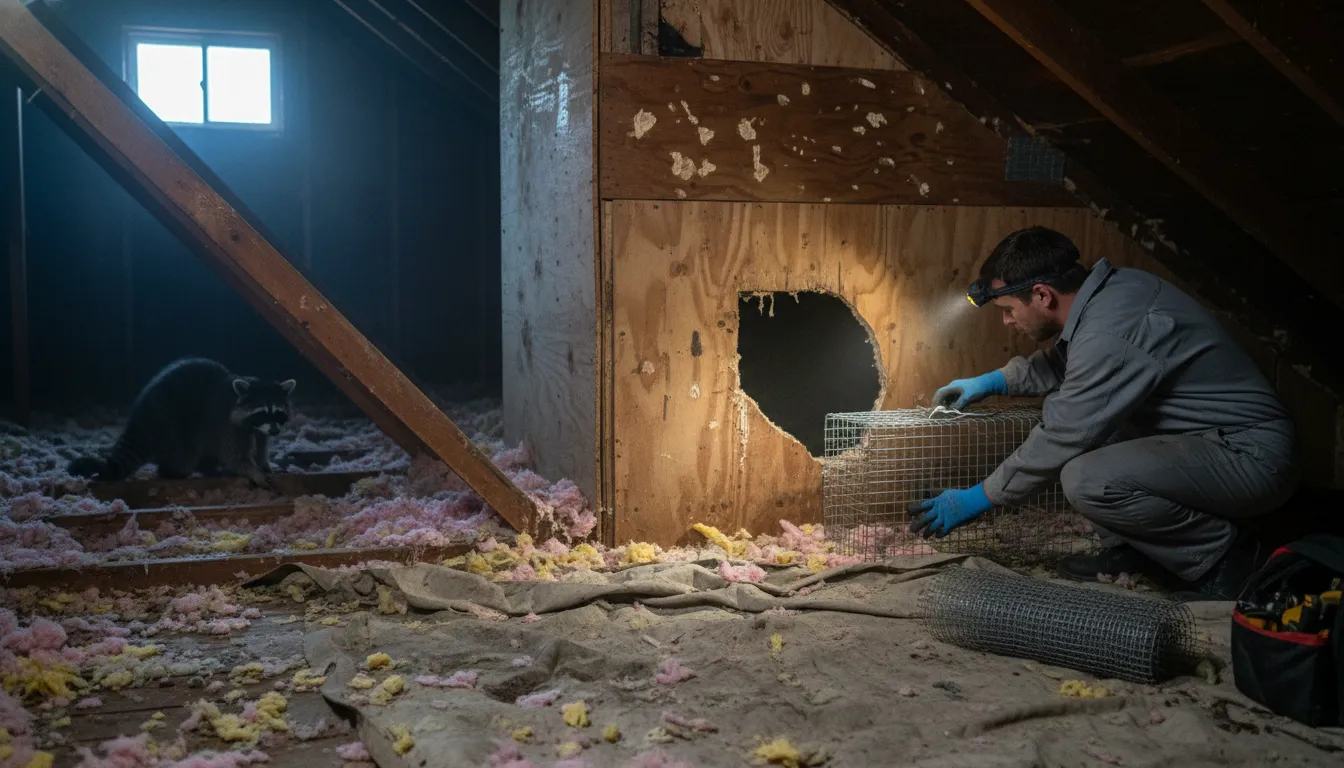
Discovering an uninvited animal in your attic, under your deck, or rummaging through your trash can be a startling experience. Wildlife removal is the professional service dedicated to safely and humanely resolving conflicts with nuisance animals, ensuring both your property's integrity and the animal's welfare. In Hackensack, where urban and natural environments meet, understanding how to manage these encounters is crucial. This guide explains the common wildlife issues, what you can do yourself, and when it's essential to call in a licensed expert to handle the situation.
Universal Pest Control
118 Locust St, Roselle, NJ 07203
Universal Pest Control is a family owned and operated pest control company serving Newark, NJ, and the surrounding Union County area. They offer a wide range of pest management services including cockroach, ant, termite, bee and wasp removal, as well as wildlife control. Their licensed and trained technicians use up-to-date methods to address pest infestations safely and effectively. With years of experience, Universal Pest Control provides free consultations and estimates to help customers find tailored solutions for their pest issues.
Recon Pest Control Inc
79 Escanaba Ave, Staten Island, NY 10308
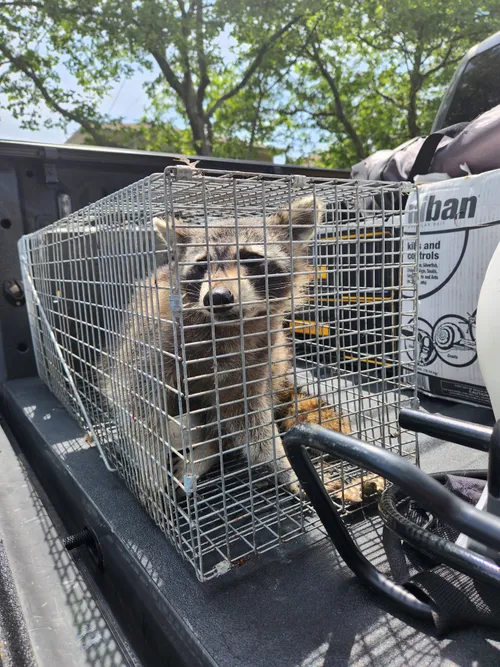
Recon Pest Control Inc is a family-owned pest control company based in Staten Island, serving New York, NY, and nearby New Jersey. They offer a wide range of pest management services including bed bug extermination, termite control, rodent removal, mosquito reduction, bee and wasp removal, and wildlife relocation. The company also provides specialized solutions like the SolaTrim Pest Abatement Barrier to protect solar panels from pigeons and rodents. Recon Pest Control partners with Dad and Daughters Home Inspection, LLC to offer comprehensive home inspections and related services.
GoSafe Pest Control LLC
264-07 Langston Ave unit B, Glen Oaks, NY 11004
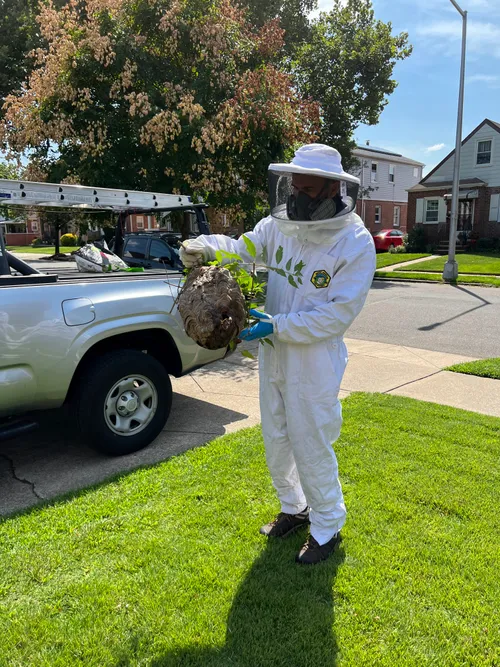
GoSafe Pest Control LLC is a locally owned pest control company serving New York, NY. They provide a range of pest management services including bed bug treatment, cockroach and ant control, rodent control, termite inspections, mosquito control, bee and wasp removal, bird and pigeon control, and wildlife removal. The company offers eco-friendly solutions tailored to client schedules, with options for weekly to seasonal visits.
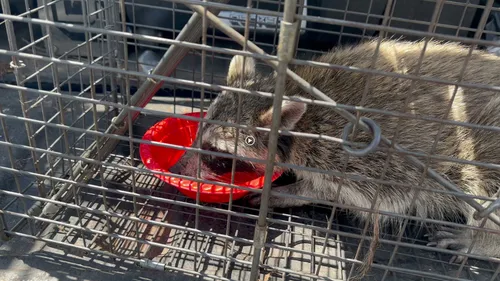
800-Raccoon Pest & Wildlife Control
32-07 Astoria Blvd N, Astoria, NY 11102
800-Raccoon Pest & Wildlife Control is a family-owned pest control company serving New York, NY, with over 45 years of experience. They offer comprehensive pest management services including rodent control, termite inspections, mosquito control, and humane wildlife removal for both residential and commercial properties. Their approach covers all aspects of pest prevention and treatment to protect homes and businesses effectively. The company emphasizes a thorough, multi-step process to ensure complete pest protection and peace of mind for their clients.
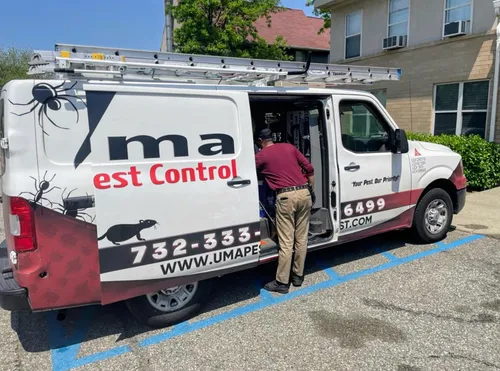
Uma Pest Control
200 W Milton Ave, Rahway, NJ 07065
Uma Pest Control offers a range of pest management services in New York, NY, including bed bug treatment, termite inspections, mosquito control, rodent removal, and bird control. They provide commercial, residential, and industrial pest control using green botanical products when preferred. Uma Pest Control is known for its one-day bed bug treatment that combines freeze, heat, and steam methods in a single visit, avoiding multiple follow-ups common with other providers. Their services also cover insect repellents, exclusion work, and wildlife removal for animals like bats and raccoons. The company operates from Rahway, NJ, and has been maintaining pest control services for several years.
Common Nuisance Wildlife in Hackensack
The Hackensack area is home to a variety of mammals and birds that can sometimes become a problem for homeowners. Knowing which species you're dealing with is the first step toward an effective solution.
Frequently Encountered Mammals:
- Raccoons: Intelligent and dexterous, they are notorious for tipping over trash cans and seeking shelter in attics or chimneys.
- Squirrels: Both gray and flying squirrels can chew through siding, soffits, and electrical wiring to nest in attics, posing a fire hazard.
- Skunks & Opossums: Often found under porches, decks, or sheds, skunks are known for their defensive spray, while opossums are scavengers that may raid pet food left outdoors.
- Groundhogs (Woodchucks): These burrowing rodents can undermine foundations, sheds, and decks with their extensive tunnel systems.
- Foxes & Coyotes: While often seen at a distance, they can prey on small pets and create dens in secluded areas of properties 1.
- Rats & Mice: Common year-round, these rodents seek food and shelter indoors, contaminating surfaces and chewing on structures.
- Bats: Small colonies may roost in attics or wall voids; their removal is highly regulated due to their protected status and requires specialized exclusion techniques.
Problem Birds: Various bird species, including pigeons, starlings, and sparrows, can create nuisances by nesting in vents, gutters, or on roof ledges, leading to clogged drains and unsanitary droppings.
What Hackensack Homeowners Can Do: DIY Prevention
Before an animal moves in, proactive measures are your best defense. Effective animal control often starts with making your property less attractive to wildlife.
- Remove Food Sources: Secure trash cans with locking lids or bungee cords. Clean up fallen fruit or nuts from trees, and avoid leaving pet food outdoors overnight. Manage compost piles carefully, as they can attract scavengers 2.
- Seal Entry Points: Conduct a thorough inspection of your home's exterior. Look for gaps in the foundation, loose siding, holes in roof eaves, and spaces around utility lines. Seal small gaps with high-quality caulk or expanding foam, and repair any damaged screens on vents 3.
- Modify Habitat: Keep tree branches trimmed back at least 6-8 feet from your roofline to prevent access. Remove piles of wood, debris, or dense brush near your home where animals can hide or den. Consider installing chimney caps and vent screens as preventative barriers.
When to Call for Professional Animal Removal
While prevention is key, some situations require immediate professional intervention. Licensed Nuisance Wildlife Control Operators (NWCOs) have the training, equipment, and legal authority to handle these scenarios safely and in compliance with New Jersey state regulations.
You should contact a professional wildlife removal service if:
- An animal is actively living inside your home, such as in the attic, walls, or chimney.
- You hear persistent scratching, scurrying, or vocal noises coming from concealed spaces.
- You discover signs of nesting, like shredded insulation, or see frequent animal activity around a potential entry point.
- You are dealing with a species that can be dangerous, such as a mother raccoon with young or a bat colony.
- DIY exclusion attempts have failed, and the animal has returned.
Find the perfect wildlife removal companies for your needs
Get personalized recommendations and expert advice
Understanding New Jersey Wildlife Regulations
It is illegal for homeowners to trap and relocate most wildlife in New Jersey without the proper permits 4. The New Jersey Division of Fish & Wildlife has strict guidelines to ensure humane treatment and prevent the spread of disease. For instance, relocating an adult animal without its dependent young is considered inhumane and is often prohibited. Professional NWCOs understand these complex regulations. They are authorized to use live traps and perform exclusions, and they know the approved relocation areas, ensuring the entire process is legal and ethical.
When to Contact Animal Control or State Authorities
Not every wildlife issue is handled by a private removal service. Certain situations fall under the jurisdiction of public agencies.
- Contact Hackensack Animal Control (via the Police or Health Department): If you encounter an animal that is visibly sick, injured, or displaying signs of rabies-such as aggression, disorientation, or paralysis. Animal control handles potentially rabid animals and domestic animal issues 5.
- Contact the NJ Division of Fish & Game: For guidance on state regulations, questions about protected species, or complex situations involving larger wildlife like coyotes or bears. They provide the framework that all wildlife control professionals must follow 6.
The Professional Wildlife Removal Process
A reputable wildlife control service will follow a systematic approach to ensure a long-term solution, not just a temporary fix.
- Inspection: A thorough assessment of your property to identify the animal species, entry points, and the extent of the infestation or damage.
- Humane Removal: Using species-appropriate techniques, which may include one-way exclusion doors or live trapping, to remove the animal(s) from the structure.
- Exclusion & Repair: This is the most critical step. After removal, all entry points are permanently sealed with durable materials like steel mesh, hardware cloth, or metal flashing to prevent re-entry.
- Cleanup & Sanitation: Decontaminating affected areas by removing droppings, urine, and nesting materials. This may include applying antimicrobial treatments to mitigate health risks.
- Relocation: Transporting the animal to a suitable, approved habitat in accordance with NJ state law 7.
Cost of Wildlife Control Services in Hackensack
The price for professional animal removal varies significantly based on the species, the complexity of the job, and the extent of repairs needed. It's typically an investment in permanently securing your home.
- Squirrels, Rats, or Mice: Removal and exclusion can range from $200 to over $800, depending on the number of entry points and the difficulty of accessing nests 8.
- Raccoons, Opossums, or Skunks: Trapping and exclusion for these larger animals often falls between $300 and $1,000+, especially if babies are present, requiring careful reunion and removal 9.
- Bats or Birds: Specialized exclusion work for bats or bird proofing is more involved, frequently costing $500 to $2,000 or more due to the meticulous sealing required and regulatory compliance 10.
- Groundhogs, Foxes, or Coyotes: Trapping and exclusion for burrowing or denning animals can range from $400 to $1,200+, depending on the location and size of the den 11.
Always request a detailed, written estimate that breaks down inspection, removal, exclusion, and repair costs before work begins.
Choosing a Wildlife Removal Provider
Selecting the right professional is crucial. Look for a company that is fully licensed and insured specifically for nuisance wildlife control in New Jersey. They should offer clear explanations of their methods, provide guarantees on their exclusion work, and prioritize humane, permanent solutions over simple trapping. A trustworthy provider will also be knowledgeable about local Hackensack wildlife patterns and state regulations, ensuring your problem is resolved responsibly.
Frequently asked questions
Sources
Footnotes
-
List Of Nuisance Animals And Their Wildlife Management | NJ Pest ... - https://4njpest.com/list-of-nuisance-animals-and-their-wildlife-management/ ↩
-
Effective Wildlife Removal in New Jersey - Amco Pest Control - https://amcopest.com/news-and-updates/effective-wildlife-removal-in-new-jersey ↩
-
I have nuisance wildlife in my home/yard. What should I do? - https://www.ewingnj.org/documents/files/file/Health/Animal%20Control/Nuisance%20wildlife.pdf ↩
-
N.J. Admin. Code § 7:25-5.22 - Wild animals; possession, killing - https://www.law.cornell.edu/regulations/new-jersey/N-J-A-C-7-25-5-22 ↩
-
Veterinary Public Health | Animal Control - NJ.gov - https://www.nj.gov/health/vph/animal-control ↩
-
NJ Wildlife Relocation Policy - NJ.gov - https://www.nj.gov/dep/fgw/pdf/relocation_policy.pdf ↩
-
New Jersey Chapter of NWCOA - https://njnwcoa.com/members/NJ_Nuisance_Wildlife_Regulations.pdf ↩
-
Need Wildlife Help? New Jersey Nuisance Wildlife Animals - https://4njpest.com/help-new-jersey-nuisance-wildlife-animals/ ↩
-
Hackensack Wildlife Animal Control - Wildlife Animal Control - http://www.wildlifeanimalcontrol.com/Hackensack.html ↩
-
Hackensack Wildlife Removal, Pest Animal Control NJ - http://www.wildlife-removal.com/city/NJ-Hackensack.htm ↩
-
Hackensack Wildlife Control / New Jersey Animal Removal - http://www.aaanimalcontrol.com/professional-trapper/city/NJ-Hackensack.htm ↩