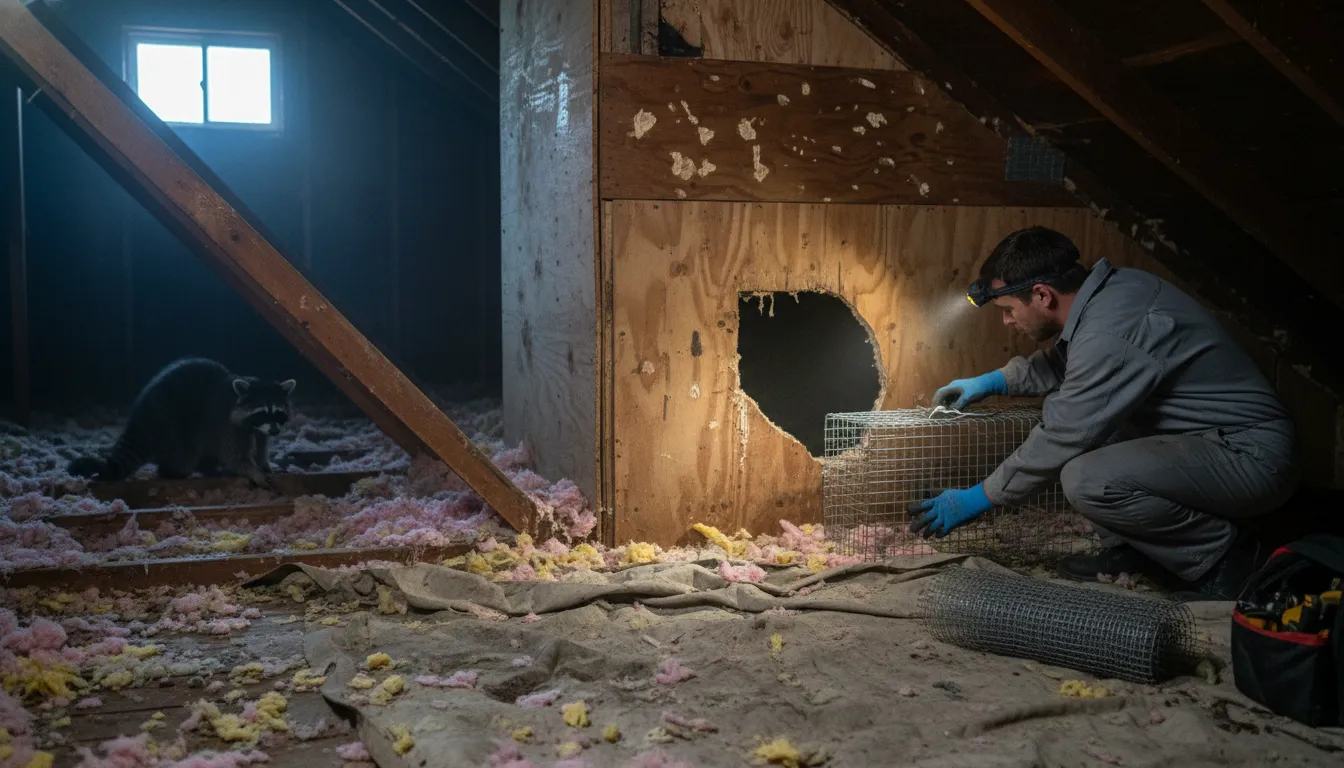
Find the Best Wildlife Removal Companies for Your Business
No obligation • Fast responses • Nationwide coverage

Why you can trust Pest Crews
Pest Crews is a leading U.S. resource for finding and evaluating residential and commercial pest control services. Our team researches providers, reviews treatment approaches, and organizes unbiased information to help you make informed decisions. Companies cannot pay to change our editorial content or influence how they appear.
Search providers near you
Top Wildlife Removal Companies in Hamilton, New Jersey Ranked
Discovering wildlife in your home or on your property can be unsettling. Whether it's scratching in the attic, a burrow under the deck, or a family of raccoons in the chimney, these uninvited guests can cause damage and pose health risks. Wildlife removal is the specialized service of safely and humanely evicting nuisance animals and securing your property against future entry. This guide explains the common wildlife issues in Hamilton, outlines your options for animal control, and provides a resource to connect with local, licensed professionals who can resolve your specific situation.
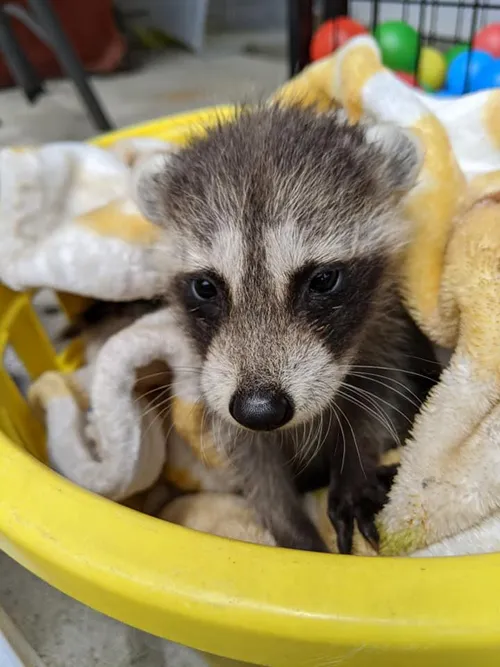
UFO Nuisance Wildlife Control, LLC
307 Hawkin Rd, Southampton Township, NJ 08088
UFO Nuisance Wildlife Control, LLC is a wildlife removal company serving Philadelphia, PA. They focus on humane capture and relocation methods to protect both animals and people. Their services include tailored inspections and exclusion work that adapt to seasonal changes in animal behavior to keep homes secure year-round. Owned by Jesse Miller and Joshua Chambers, the company combines experience in home repairs, animal handling, and volunteer work at local sanctuaries. Their team is available throughout the year to assist with wildlife management and removal needs.
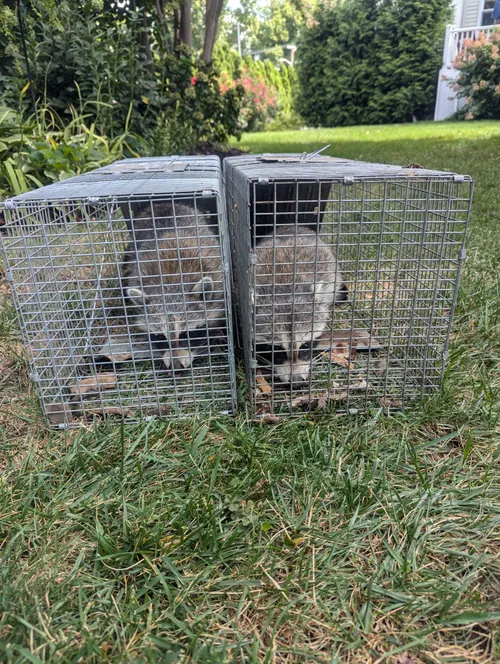
ProTrappers LLC
18 Warren Way, Burlington, NJ 08016
ProTrappers LLC is a wildlife removal and bird pigeon control company serving Philadelphia, PA. They specialize in removing nuisance animals from homes and businesses, including birds in vents and animals living under sheds or decks. Their process includes inspecting properties to identify problem animals and entry points, removing the animals, and sealing entry points to prevent future invasions. ProTrappers LLC focuses on making homes safe by addressing issues such as potential fire hazards from chewed wires and health risks from parasites. They have helped numerous families secure their homes from wildlife intrusions.
Environmina Pest Control LLC
606 Clinton Ave, Middlesex, NJ 08846
Environmina Pest Control LLC provides a wide range of pest control services in New York, NY, and across New Jersey. Their offerings include treatment for bed bugs, ants, cockroaches, rodents, mosquitoes, bees, wasps, and wildlife removal for both residential and commercial properties. The company is known for its rodent control services, which include exclusion and sealing of entry points. Environmina uses eco-friendly methods and offers customized pest management plans. They provide 24/7 emergency pest control services to address urgent needs promptly.
Bed Bug Exterminator Philly
Philadelphia, PA
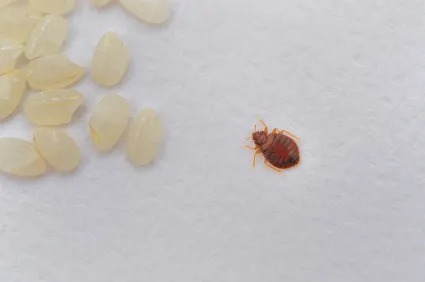
Bed Bug Exterminator Philly provides pest control services in Philadelphia, PA, specializing in bed bug treatment along with comprehensive solutions for ants, cockroaches, rodents, termites, mosquitoes, bees, wasps, and wildlife removal. They use eco-friendly methods including heat, cryonite, and steam treatments to effectively eliminate pests while minimizing environmental impact. The company has many years of experience and offers pest control for both residential and commercial properties. They also provide free quotes and references to support their service transparency.
Fowler Pest Solutions
274 Slocum St, Philadelphia, PA 19119
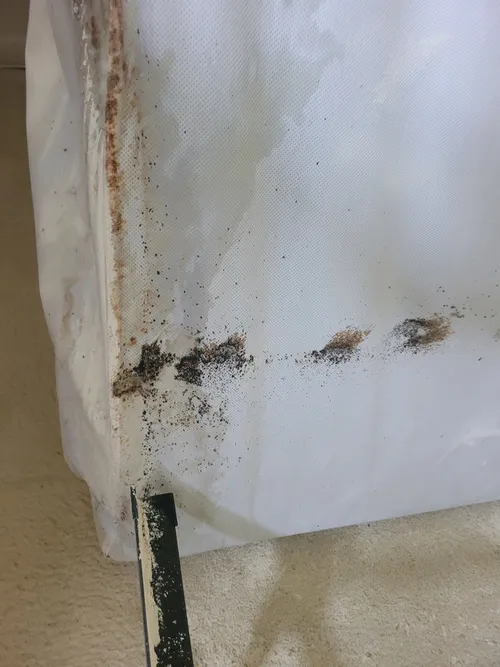
Fowler Pest Solutions is a family-owned pest control company based in Philadelphia, PA. They provide comprehensive pest and wildlife management services including ant control, bed bug treatment, bee and wasp removal, roach control, rodent control, and termite inspections. Serving Philadelphia and its surrounding communities, Fowler Pest Solutions focuses on safe and effective solutions tailored to local pest challenges. Their approach emphasizes lasting prevention and clear communication to protect homes and businesses from common pests and wildlife.
Common Nuisance Wildlife in Hamilton
Hamilton's mix of suburban neighborhoods, parks, and proximity to natural areas creates an ideal habitat for many species that can become problematic for homeowners. Knowing which animals you might encounter is the first step in addressing a wildlife issue.
- Raccoons: Intelligent and dexterous, raccoons are notorious for tipping over garbage cans, tearing into soffits to access attics, and creating dens in chimneys or under sheds. They can carry rabies and roundworm, making their removal a priority.
- Squirrels: Both gray and flying squirrels commonly enter attics and wall voids, especially in colder months. Their constant gnawing can damage electrical wiring, insulation, and structural wood, creating a fire hazard.
- Skunks & Opossums: These animals often seek shelter under porches, decks, or in crawl spaces. While opossums are generally less destructive, skunks can spray and both may dig up lawns in search of grubs.
- Bats: Small colonies of bats can roost in attics or behind shutters. While beneficial for insect control, their guano (droppings) can pose serious respiratory health risks and stain structures. Special care is required due to protected species laws.
- Burrowing Animals: Woodchucks (groundhogs) and foxes can dig extensive burrow systems under sheds, foundations, and in yards, potentially undermining structural stability and creating tripping hazards.
- Birds: Birds like starlings, sparrows, and pigeons often nest in vents, chimneys, and gutters. Their nests can block ventilation and lead to moisture problems, while their droppings are corrosive and unsanitary 1.
Your First Steps: Prevention and Assessment
Before an animal becomes a problem, or immediately after you suspect one, there are proactive measures you can take. Effective wildlife management often starts with making your property less attractive.
- Remove Food Sources: Secure garbage cans with tight-fitting lids or bungee cords. Avoid leaving pet food outdoors overnight. Clean up fallen fruit from trees and use squirrel-proof bird feeders.
- Seal Entry Points: Conduct a thorough inspection of your home's exterior. Look for gaps in the foundation, loose roof vents, damaged soffits, and openings around utility lines. Seal small holes with caulk or foam, and cover larger gaps like chimney tops and vent openings with sturdy, animal-proof screening.
- Modify Habitat: Trim tree branches that overhang your roof to limit access for squirrels and raccoons. Keep woodpiles and dense brush away from the house to reduce shelter for snakes and small mammals.
If you already hear noises or see signs of an animal inside, try to identify the species and likely entry point without disturbing them. Do not attempt to handle any wild animal.
When to Call for Professional Animal Control
While DIY exclusion is a valuable preventative tool, active wildlife trapping and removal is best left to experts. New Jersey has specific regulations governing the handling of native wildlife, and improper methods can be illegal, inhumane, or dangerous. Here's when to make the call:
- An animal is inside your living space: This includes attics, walls, basements, or garages. Professionals have the tools and knowledge to locate and remove the animal safely.
- You suspect a mother with young: Many species have babies in spring and summer. Ethical removal requires finding and reuniting the young, which professionals are trained to do.
- The animal appears sick or injured: Animals that are disoriented, aggressive, or acting strangely may be rabid. Never approach them.
- DIY methods have failed: If the animal keeps returning or you cannot locate the entry point, a professional inspection is needed.
- There is significant damage or contamination: Professionals not only remove animals but also provide cleanup, decontamination, and repair services to restore your home.
Find the perfect wildlife removal companies for your needs
Get personalized recommendations and expert advice
Understanding New Jersey Wildlife Laws
It's crucial to know that New Jersey law regulates nuisance wildlife control. Property owners are permitted to use lawful means to control damage from specific animals like raccoons, squirrels, skunks, and woodchucks 2. However, the law prohibits the use of poisons or chemicals to kill free-ranging wildlife and restricts the use of certain traps without permits 2.
A key regulation involves relocation. Simply trapping and moving an animal "far away" is often illegal and ineffective. The New Jersey Division of Fish & Wildlife has guidelines that professionals follow, which may include releasing the animal on the same property or in a designated manner that considers the animal's survival and the ecological impact 3. Licensed wildlife removal specialists understand these complex regulations and ensure compliance.
Who to Contact in Hamilton, NJ
Knowing which agency or service to call can save time and ensure the situation is handled correctly.
- For Emergencies & Public Safety: Contact Hamilton Township Animal Control at 609-585-3550 or 609-585-3555. They respond to situations involving animals attacking people or pets, animals displaying signs of rabies (aggressive, disoriented, frothing), or injured domestic animals. They typically do not handle general nuisance wildlife inside homes 4 5.
- For Guidance & Information: The New Jersey Department of Environmental Protection (NJDEP) Division of Fish & Wildlife provides resources and guidance on dealing with nuisance wildlife. Local animal control officers often refer residents to the NJDEP for specific issues 6.
- For Professional Removal & Exclusion: For active infestations in your home-like squirrels in the attic, a raccoon in the chimney, or bats in the eaves-a licensed pest control or wildlife removal company is the appropriate resource. They perform trapping, exclusion repairs, decontamination, and preventative sealing 7 8.
What to Expect from Professional Wildlife Services
A reputable professional will start with a thorough inspection to identify the animal species, entry points, and extent of the problem. The solution is typically a multi-step process:
- Humane Removal/Eviction: Using one-way doors, live traps, or other specialized techniques to remove the animals without harm.
- Exclusion: Sealing all potential entry points with durable materials like steel mesh, hardware cloth, or professional-grade sealants to prevent re-entry. This is the most critical step for a permanent solution 9.
- Cleanup & Restoration: Removing contaminated insulation, droppings, and nesting materials. Applying enzymatic cleaners and disinfectants to eliminate odors and health hazards. In some cases, insulation replacement is necessary.
- Follow-up: A good service will offer a warranty on their exclusion work and schedule a follow-up visit to ensure the problem is fully resolved.
Costs for wildlife pest control in Hamilton vary based on the animal, the location of the infestation, and the extent of damage. For example, a medium-sized job like removing squirrels from an attic and performing basic exclusion may start around $299 and increase from there. More complex jobs involving multiple animals, significant repairs, or decontamination will be higher 10 11. Always request a detailed, written estimate before work begins.
Frequently asked questions
Sources
Footnotes
-
List Of Nuisance Animals And Their Wildlife Management - https://4njpest.com/list-of-nuisance-animals-and-their-wildlife-management/ ↩
-
N.J. Admin. Code § 7:25-5.22 - Wild animals; possession, killing - https://www.law.cornell.edu/regulations/new-jersey/N-J-A-C-7-25-5-22 ↩ ↩2
-
NJ Wildlife Relocation Policy - NJ.gov - https://www.nj.gov/dep/fgw/pdf/relocation_policy.pdf ↩
-
FAQs • Animal Concerns / Issues - https://www.hamiltonnj.com/faq.aspx?TID=23 ↩
-
TOWNSHIP OF HAMILTON - https://www.hamiltonnj.com/DocumentCenter/View/3852/Animal-Control-Call-Out-Procedure-12-12-23-PDF ↩
-
Veterinary Public Health | Animal Control - NJ.gov - https://www.nj.gov/health/vph/animal-control ↩
-
Wildlife Control and Removal Hamilton, NJ 08690 - https://anchorpestcontrol.net/wildlife-control-exterminator-hamilton-nj-08690 ↩
-
Municipal Animal Control in NJ-Best Practices - http://www.njcacoa.org/Municipal_Animal_Control_in_NJ_Best_Practices.html ↩
-
Effective Wildlife Removal in New Jersey - Amco Pest Control - https://amcopest.com/news-and-updates/effective-wildlife-removal-in-new-jersey ↩
-
Hamilton Township Wildlife Animal Control - Nuisance Removal - http://www.wildlifeanimalcontrol.com/Hamilton-Township.html ↩
-
Prices for Hamilton Township Wildlife Pest Control Animal Trapping - http://www.aaanimalcontrol.com/Professional-TRAPPER/prices/NJ-Hamilton-Township-prices.htm ↩