Find the Best Wildlife Removal Companies for Your Business
No obligation • Fast responses • Nationwide coverage

Why you can trust Pest Crews
Pest Crews is a leading U.S. resource for finding and evaluating residential and commercial pest control services. Our team researches providers, reviews treatment approaches, and organizes unbiased information to help you make informed decisions. Companies cannot pay to change our editorial content or influence how they appear.
Search providers near you
Top Wildlife Removal Companies in Howell, New Jersey Ranked
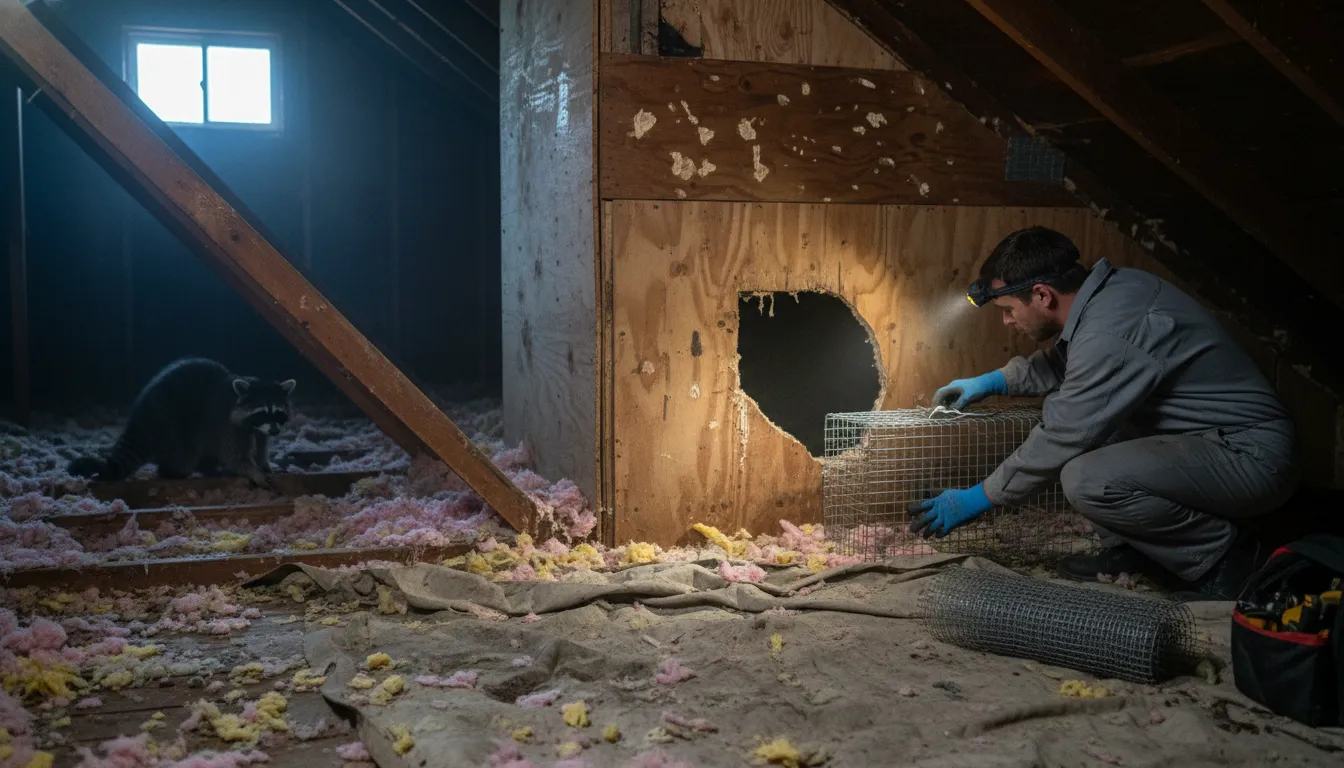
Discovering an uninvited animal in your attic, under your deck, or rummaging through your trash can be a stressful experience for any Howell homeowner. Wildlife removal is the specialized service of safely and legally addressing conflicts with nuisance animals that have entered human spaces. This process matters not only for protecting your property from damage but also for ensuring the humane and safe handling of wild creatures, which can carry diseases and pose risks if improperly managed. This guide will help you understand the common wildlife issues in Howell, your options for resolution, and how to connect with local professionals equipped to handle everything from a single trapped squirrel to a full-scale attic remediation.
Recon Pest Control Inc
79 Escanaba Ave, Staten Island, NY 10308
Recon Pest Control Inc is a family-owned pest control company based in Staten Island, serving New York, NY, and nearby New Jersey. They offer a wide range of pest management services including bed bug extermination, termite control, rodent removal, mosquito reduction, bee and wasp removal, and wildlife relocation. The company also provides specialized solutions like the SolaTrim Pest Abatement Barrier to protect solar panels from pigeons and rodents. Recon Pest Control partners with Dad and Daughters Home Inspection, LLC to offer comprehensive home inspections and related services.
Divine Pest Specialist
Newark, NJ
Divine Pest Specialist is a family-owned pest control company serving Newark, NJ. Established in 2018 with 20 years of experience, they provide residential and commercial pest management using Integrated Pest Management (IPM) techniques. Their services cover a wide range of pests including termites, bed bugs, roaches, mosquitoes, rodents, ants, bees, wasps, hornets, and wildlife removal. The company focuses on tailored, non-chemical solutions that consider economic, social, and environmental factors to achieve long-term pest control results. Divine Pest Specialist is fully insured, licensed, and a member of national and state pest management associations.
Common Nuisance Wildlife in Howell
Howell's mix of suburban neighborhoods, wooded areas, and open spaces creates an ideal habitat for many species that can become problematic for residents. Understanding which animals are most likely to cause issues is the first step in addressing a wildlife conflict.
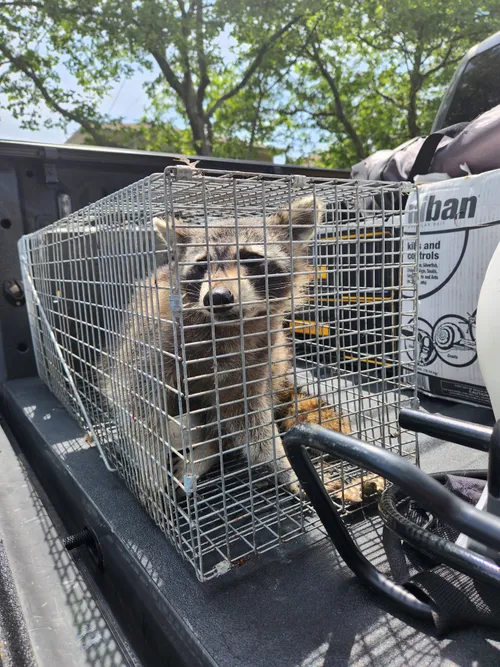
The most frequently encountered nuisance mammals in the area include squirrels, raccoons, skunks, and groundhogs (woodchucks). Squirrels often seek shelter in attics, where they can chew on wires and insulation. Raccoons are clever, dexterous animals known for tipping over trash cans and gaining access to attic spaces. Skunks may take up residence under decks, sheds, or porches, presenting a potent odor problem. Groundhogs can burrow extensive tunnel systems in lawns and under structures, causing significant landscaping and foundation damage 1.
Other animals commonly reported include opossums, which are often attracted to pet food left outdoors, as well as foxes and coyotes 2. Birds, such as starlings or sparrows, can nest in vents or attics, while bats may also roost in structures, requiring special consideration due to their protected status and potential health concerns.
Understanding Your Responsibilities and Rights
In New Jersey, property owners have specific rights and responsibilities when it comes to managing wildlife damage. State law allows you to control damage from certain animals, including squirrels, raccoons, opossums, and skunks, using lawful means. This means you are permitted to address problems these animals cause on your property.
However, "lawful means" is a key phrase. It encompasses methods that are humane, safe, and in compliance with state regulations. For instance, the New Jersey Division of Fish and Wildlife has guidelines that often require searching for and relocating young animals along with adults if trapping is necessary. In cases where relocation is impractical or could create a problem elsewhere, euthanasia may be considered by a professional. Navigating these regulations is a primary reason many homeowners choose to hire a licensed expert.
It's also critical to understand the roles of different agencies. Your local municipal Animal Control Officer (ACO) typically focuses on domestic animals-handling stray, sick, injured, or aggressive dogs and cats. For wildlife that appears rabid, severely injured, or is a direct immediate threat, contacting your local police or health department to reach the ACO is appropriate 3 4. However, for general nuisance wildlife like a raccoon in the chimney or squirrels in the attic, you will need to contact a private wildlife control operator.
Effective Do-It-Yourself Prevention Strategies
The most effective and cost-efficient approach to wildlife control is prevention. By making your property less attractive and accessible, you can avoid conflicts before they begin. This process, often called habitat modification, is something every homeowner can undertake.
Key DIY Prevention Steps Include:
- Secure Food Sources: Use locking lids on trash cans, remove fallen fruit and nuts from yards, and never leave pet food or water bowls outside overnight.
- Perform Exclusion Work: Seal potential entry points before animals find them. This involves inspecting your home's exterior for gaps, cracks, and openings. Pay close attention to roof vents, soffits, chimney caps, and areas where utility lines enter. Use durable materials like hardware cloth, steel wool, caulk, or foam sealant to block these access points 5.
- Reduce Shelter Opportunities: Keep yards tidy by removing wood piles, dense brush, and other clutter that can provide cover for animals. Consider installing barriers like lattice skirting around decks and sheds to prevent animals from burrowing underneath 6.
While these steps are highly effective, it's important to know when to stop DIY efforts. Never attempt to handle or trap a wild animal directly, especially if you suspect it could be sick. Wildlife can carry diseases such as rabies, leptospirosis, and histoplasmosis (from accumulated droppings) 7. If an animal is already inside your home, DIY removal can often lead to animals dying in inaccessible spaces or simply finding another entry point.
Find the perfect wildlife removal companies for your needs
Get personalized recommendations and expert advice
When and How to Hire a Professional Wildlife Control Operator
When prevention fails or you discover an active infestation, hiring a professional wildlife removal service is the safest and most reliable solution. A licensed Wildlife Control Operator (WCO) in New Jersey has the training, equipment, and legal knowledge to resolve the situation effectively.
A comprehensive professional service typically includes:
- Inspection and Assessment: The technician will identify the species involved, locate all entry points, and assess the extent of the infestation and damage.
- Humane Removal: Using appropriate, legal methods, the professional will remove the animals. This may involve live trapping, one-way exclusion doors, or other techniques, always with consideration for state relocation policies 8.
- Exclusion and Repair: This is the most critical step to prevent recurrence. The professional will permanently seal all identified entry points with durable materials.
- Cleanup and Sanitation: Animal nests, droppings, and urine can soil insulation and pose health risks. Professionals offer cleanup, decontamination, and odor removal services to restore the affected area.
- Restoration: In cases of severe damage, such as destroyed attic insulation or chewed electrical wires, repair and restoration services may be offered or recommended.
What to Expect: Costs and Selecting a Service in Howell
The cost of wildlife removal in Howell varies significantly based on the animal, the scope of the problem, and the services required. A basic inspection is often the first step. Removal of a single animal, like a trapped groundhog, may start in the range of a few hundred dollars 9 10.
For a full-scale infestation, such as a family of raccoons in an attic, costs can rise substantially. This is because the service includes not only removing multiple animals but also a thorough cleanup of contaminated insulation, deodorizing, and performing exclusion work on all vulnerable points. These complex jobs can range from several hundred to well over a thousand dollars 11 12 13. Investing in exclusion and prevention as part of the service, while adding to the upfront cost, saves money and stress by preventing future invasions.
To find help in Howell, search for terms like "Howell NJ wildlife removal" or "nuisance wildlife control Howell Township". Look for companies that are licensed and insured, provide clear explanations of their methods, and emphasize humane removal and permanent exclusion. Checking reviews and asking for references can also help you select a reputable provider.
Frequently asked questions
Sources
Footnotes
-
List Of Nuisance Animals And Their Wildlife Management - https://4njpest.com/list-of-nuisance-animals-and-their-wildlife-management/ ↩
-
N.J. Admin. Code § 7:25-5.22 - Wild animals; possession, killing - https://www.law.cornell.edu/regulations/new-jersey/N-J-A-C-7-25-5-22 ↩
-
Veterinary Public Health | Animal Control - NJ.gov - https://www.nj.gov/health/vph/animal-control ↩
-
Municipal Animal Control in NJ-Best Practices - http://www.njcacoa.org/Municipal_Animal_Control_in_NJ_Best_Practices.html ↩
-
Effective Wildlife Removal in New Jersey - Amco Pest Control - https://amcopest.com/news-and-updates/effective-wildlife-removal-in-new-jersey ↩
-
I have nuisance wildlife in my home/yard. What should I do? - https://www.ewingnj.org/documents/files/file/Health/Animal%20Control/Nuisance%20wildlife.pdf ↩
-
New Jersey Chapter of NWCOA - https://njnwcoa.com/members/NJ_Nuisance_Wildlife_Regulations.pdf ↩
-
NJ Wildlife Relocation Policy - NJ.gov - https://www.nj.gov/dep/fgw/pdf/relocation_policy.pdf ↩
-
Nuisance Wildlife Control Services - https://4njpest.com/nuisance-wildlife-control/ ↩
-
New Jersey Wildlife Control & Animal Removal Business - https://pro-animal-control.com/new-jersey-wildlife-removal/ ↩
-
Howell Township Wildlife Removal, Pest Animal Control NJ - http://www.wildlife-removal.com/city/NJ-Howell-Township.htm ↩
-
Howell Township Wildlife Animal Control - http://www.wildlifeanimalcontrol.com/Howell-Township.html ↩
-
Need Wildlife Help? New Jersey Nuisance Wildlife Animals - https://4njpest.com/help-new-jersey-nuisance-wildlife-animals/ ↩