Find the Best Wildlife Removal Companies for Your Business
No obligation • Fast responses • Nationwide coverage

Why you can trust Pest Crews
Pest Crews is a leading U.S. resource for finding and evaluating residential and commercial pest control services. Our team researches providers, reviews treatment approaches, and organizes unbiased information to help you make informed decisions. Companies cannot pay to change our editorial content or influence how they appear.
Search providers near you
Top Wildlife Removal Companies in Linden, New Jersey Ranked
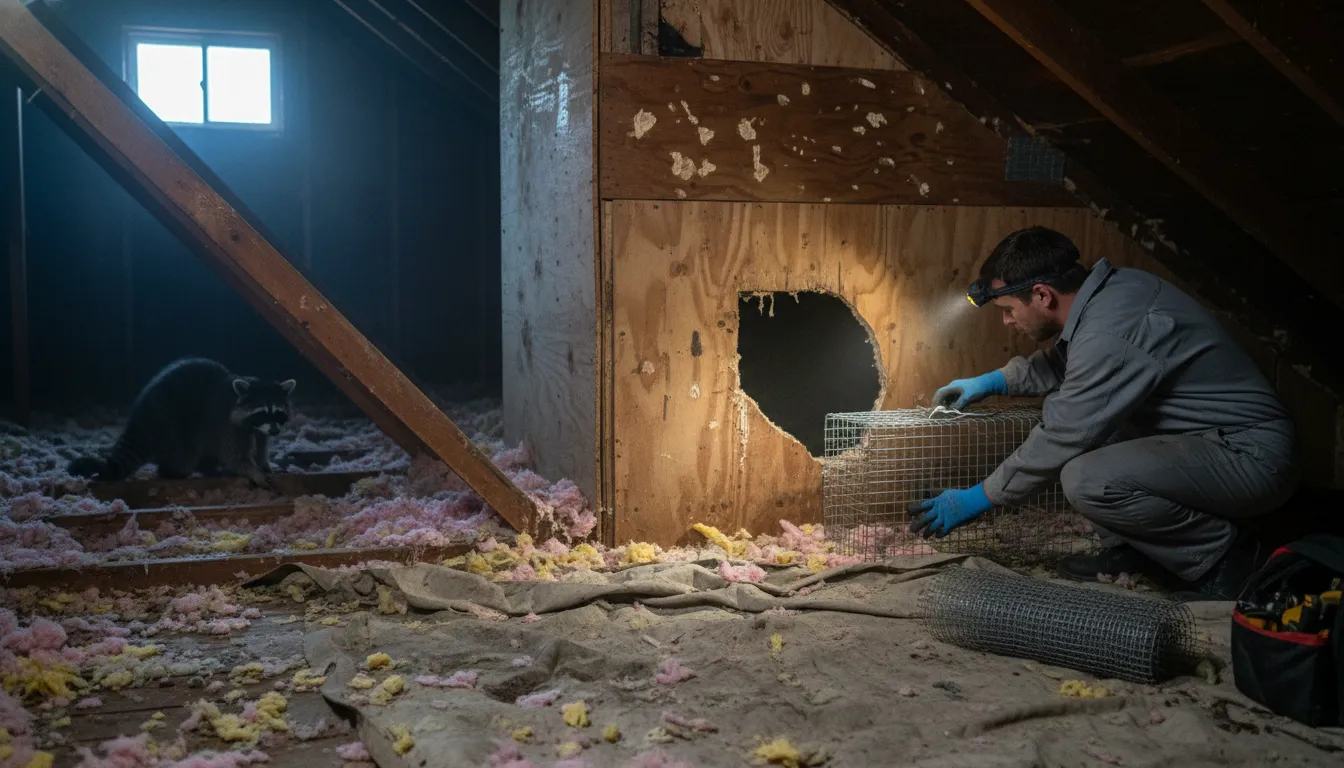
Discovering an uninvited animal in your attic, walls, or yard can be unsettling and potentially damaging. Wildlife removal is the professional service dedicated to safely and humanely resolving conflicts with nuisance animals, protecting both your property and the health of your family. In Linden, specific local regulations and common species make it essential to understand your options. This guide will help you navigate the process, from identifying a problem to finding qualified local experts who can provide a lasting solution.
Universal Pest Control
118 Locust St, Roselle, NJ 07203
Universal Pest Control is a family owned and operated pest control company serving Newark, NJ, and the surrounding Union County area. They offer a wide range of pest management services including cockroach, ant, termite, bee and wasp removal, as well as wildlife control. Their licensed and trained technicians use up-to-date methods to address pest infestations safely and effectively. With years of experience, Universal Pest Control provides free consultations and estimates to help customers find tailored solutions for their pest issues.
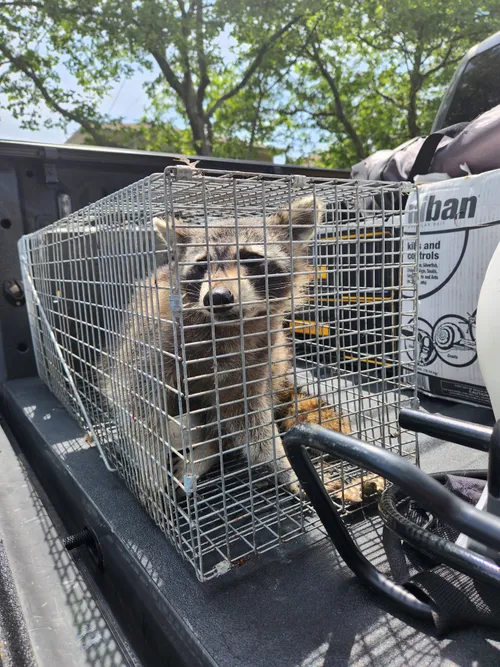
Recon Pest Control Inc
79 Escanaba Ave, Staten Island, NY 10308
Recon Pest Control Inc is a family-owned pest control company based in Staten Island, serving New York, NY, and nearby New Jersey. They offer a wide range of pest management services including bed bug extermination, termite control, rodent removal, mosquito reduction, bee and wasp removal, and wildlife relocation. The company also provides specialized solutions like the SolaTrim Pest Abatement Barrier to protect solar panels from pigeons and rodents. Recon Pest Control partners with Dad and Daughters Home Inspection, LLC to offer comprehensive home inspections and related services.
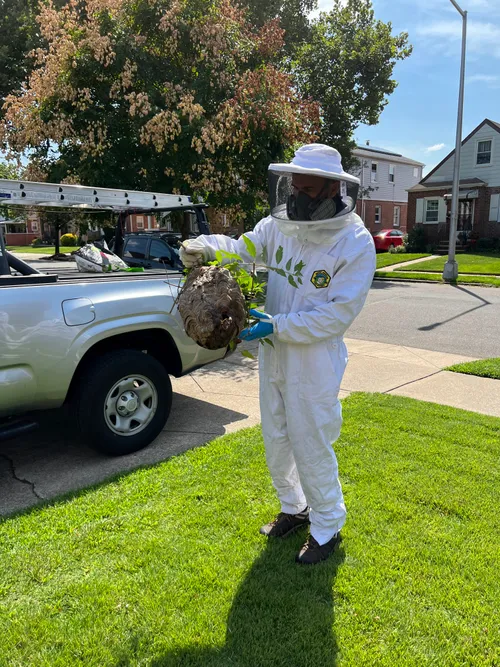
GoSafe Pest Control LLC
264-07 Langston Ave unit B, Glen Oaks, NY 11004
GoSafe Pest Control LLC is a locally owned pest control company serving New York, NY. They provide a range of pest management services including bed bug treatment, cockroach and ant control, rodent control, termite inspections, mosquito control, bee and wasp removal, bird and pigeon control, and wildlife removal. The company offers eco-friendly solutions tailored to client schedules, with options for weekly to seasonal visits.
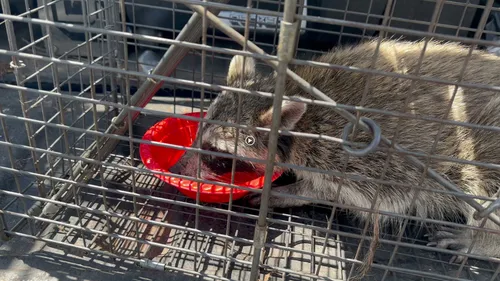
800-Raccoon Pest & Wildlife Control
32-07 Astoria Blvd N, Astoria, NY 11102
800-Raccoon Pest & Wildlife Control is a family-owned pest control company serving New York, NY, with over 45 years of experience. They offer comprehensive pest management services including rodent control, termite inspections, mosquito control, and humane wildlife removal for both residential and commercial properties. Their approach covers all aspects of pest prevention and treatment to protect homes and businesses effectively. The company emphasizes a thorough, multi-step process to ensure complete pest protection and peace of mind for their clients.
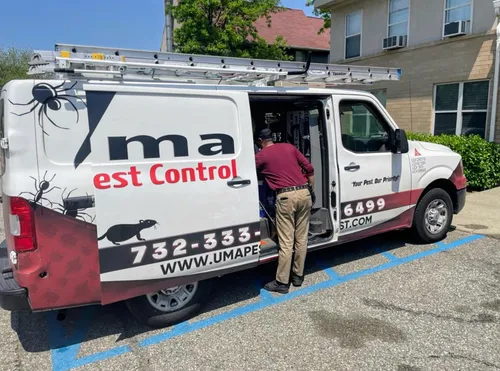
Uma Pest Control
200 W Milton Ave, Rahway, NJ 07065
Uma Pest Control offers a range of pest management services in New York, NY, including bed bug treatment, termite inspections, mosquito control, rodent removal, and bird control. They provide commercial, residential, and industrial pest control using green botanical products when preferred. Uma Pest Control is known for its one-day bed bug treatment that combines freeze, heat, and steam methods in a single visit, avoiding multiple follow-ups common with other providers. Their services also cover insect repellents, exclusion work, and wildlife removal for animals like bats and raccoons. The company operates from Rahway, NJ, and has been maintaining pest control services for several years.
Common Nuisance Wildlife in Linden
Linden's mix of residential neighborhoods and proximity to green spaces makes it a habitat for several adaptable species. Knowing which animal you're dealing with is the first step toward an effective resolution.
- Raccoons: These intelligent, dexterous animals are frequent culprits for attic invasions, torn roof vents, and raided garbage cans. They can cause significant structural damage and pose a health risk.
- Squirrels: Both gray and red squirrels commonly enter attics and eaves to nest. Their constant gnawing can damage electrical wiring, insulation, and wooden structures, creating a fire hazard.
- Opossums & Skunks: Often found under decks, sheds, or porches, these animals seek sheltered den sites. Skunks are notorious for their defensive spray, while opossums, though generally less destructive, can rummage through trash.
- Bats: Small openings in soffits or chimneys can allow bats to enter attics, where their accumulated droppings (guano) can pose serious respiratory health risks and corrode building materials.
- Ground Burrowers: Woodchucks (groundhogs), chipmunks, and foxes can dig extensive burrow systems under sheds, sidewalks, and foundations, leading to potential structural issues and unsightly lawn damage1 2.
- Nuisance Birds: Species like Canada geese, pigeons, and starlings can create problems with droppings, noise, and nesting in gutters or vents, which can lead to water damage and clogged systems.
What Linden Residents Can and Cannot Do
New Jersey has specific laws and local ordinances governing human-wildlife interactions. Understanding these rules is crucial before taking any action.
What is Allowed: Property owners are permitted to use lawful means to control damage caused by wildlife on their property. This primarily refers to exclusion (sealing animals out) and deterrence (making your property less attractive). You are generally within your rights to secure garbage with wildlife-proof lids, install chimney caps, and seal exterior holes with appropriate materials like steel mesh (hardware cloth) once you are certain no animals are inside.
What is Prohibited or Risky: The City of Linden explicitly prohibits the feeding of wildlife, with the exception of songbirds at proper feeders3. Feeding raccoons, squirrels, or other mammals not only attracts more but also creates public health nuisances. Critically, DIY removal and handling is strongly discouraged and often illegal for many species. It is dangerous to attempt to trap or handle wild animals due to risks of bites, scratches, and exposure to diseases like rabies, leptospirosis, and histoplasmosis (from bat droppings) 4. Relocating trapped animals is also heavily regulated in New Jersey and often not a legal or humane solution, as relocated animals rarely survive and can spread disease.
When to Call Authorities: For immediate threats involving sick, injured, or aggressively behaving animals-especially those showing signs of rabies such as disorientation, paralysis, or unprovoked aggression-you should contact Linden Animal Control through the local police or health department5 6. They handle strays and urgent public safety concerns. For ongoing nuisance issues inside a home, they will typically refer you to a licensed professional or state resources.
The Professional Wildlife Removal Process
Licensed Nuisance Wildlife Control Operators (NWCOs) follow a comprehensive, multi-step process to ensure animals are removed responsibly and problems don't recur.
- Inspection and Assessment: A professional will conduct a thorough inspection of your property's interior and exterior to identify the species, locate all entry points, and assess the extent of damage and contamination.
- Humane Removal and Trapping: Using species-specific strategies, the operator will remove animals. This may involve live trapping, one-way exclusion doors, or hands-on extraction, all in compliance with New Jersey state regulations.
- Exclusion and Repair: This is the most critical step for a permanent solution. All identified entry points are sealed with durable materials like steel flashing, hardware cloth, and professional-grade sealants to prevent re-entry.
- Clean-up and Decontamination: Especially important after raccoon or bat infestations, this involves sanitizing affected areas, removing contaminated insulation, and treating waste to eliminate health hazards and odors.
- Restoration: The final step may involve repairing chewed wires, damaged ductwork, or wood, and replacing insulation to restore your home's safety, efficiency, and integrity.
Find the perfect wildlife removal companies for your needs
Get personalized recommendations and expert advice
Understanding Costs for Wildlife Control
The cost for professional wildlife removal in Linden is not a flat fee; it varies based on the complexity of the job. Homeowners should expect a pricing structure that reflects the scope of work required7 8.
- Initial Inspection: Many companies offer a free or low-cost inspection to diagnose the problem.
- Removal Services: Fees for trapping and removal can be charged per animal or as a flat rate for the service.
- Exclusion Work: The cost of materials (high-grade steel mesh, chimney caps, vent covers) and labor to seal the home is a significant part of the total. The number and size of entry points directly impact this.
- Decontamination and Restoration: Attic clean-out, sanitization, and insulation replacement are specialized services that add to the cost but are vital for health and safety.
- Emergency or After-Hours Service: Services required outside of normal business hours typically command a premium.
When comparing estimates, ensure they detail all these components. The lowest price may only cover removal, leaving you vulnerable to a repeat infestation if exclusion and repairs are not included.
Finding the Right Professional in Linden
Choosing a qualified provider is essential for effective, legal, and humane wildlife control.
- Verify Licensing and Insurance: Ensure the company is licensed as a Nuisance Wildlife Control Operator (NWCO) in New Jersey. They must also carry liability and worker's compensation insurance for your protection.
- Check for Local Experience: A company familiar with Linden's common wildlife issues and local building styles will be more efficient at identifying potential entry points.
- Ask About Methods and Guarantees: Inquire about their removal techniques and, most importantly, their exclusion process. A reputable company should offer a warranty on their exclusion work.
- Utilize State Resources: The New Jersey Department of Environmental Protection (NJDEP) Division of Fish & Wildlife provides guidance and can be a resource for understanding regulations9.
Proactive Prevention Tips
The best wildlife removal is the one you never need. Making your property less inviting is a key long-term strategy.
- Seal Entry Points: Conduct seasonal checks of your roofline, siding, and foundation. Seal any gaps larger than a quarter-inch, and install chimney caps and vent covers made of sturdy metal10.
- Eliminate Food Sources: Use secure, locking lids on trash and compost bins. Clean up fallen fruit and birdseed from the ground, and consider bringing pet food indoors at night11.
- Modify the Habitat: Trim tree branches that overhang or touch your roof. Keep woodpiles and dense brush away from the house's foundation.
- Use Deterrents: Motion-activated lights or sprinklers can discourage animals from frequenting specific areas like gardens or under decks12.
Frequently asked questions
Sources
Footnotes
-
Animal Control Information from New Jersey Animal Control - http://www.newjersey-animalcontrol.com/frequently-asked-animal-control-questions/ ↩
-
List Of Nuisance Animals And Their Wildlife Management - https://4njpest.com/list-of-nuisance-animals-and-their-wildlife-management/ ↩
-
City of Linden, NJ Animal Control - eCode360 - https://ecode360.com/34731460 ↩
-
Wildlife Protection Laws and Removal - NY NJ Wild Life ... - https://nynjwildliferemoval.com/wildlife-protection-laws-and-removal/ ↩
-
Veterinary Public Health | Animal Control - NJ.gov - https://www.nj.gov/health/vph/animal-control ↩
-
Animal Control - City of Linden - https://linden-nj.gov/directory/animal-control/ ↩
-
New Jersey Wildlife Control & Animal Removal Business - https://pro-animal-control.com/new-jersey-wildlife-removal/ ↩
-
Nuisance Wildlife Control Services - https://4njpest.com/nuisance-wildlife-control/ ↩
-
Need Wildlife Help? New Jersey Nuisance Wildlife Animals - https://4njpest.com/help-new-jersey-nuisance-wildlife-animals/ ↩
-
Effective Wildlife Removal in New Jersey - Amco Pest Control - https://amcopest.com/news-and-updates/effective-wildlife-removal-in-new-jersey ↩
-
NJ Wildlife Relocation Policy - NJ.gov - https://www.nj.gov/dep/fgw/pdf/relocation_policy.pdf ↩
-
I have nuisance wildlife in my home/yard. What should I do? - https://www.ewingnj.org/documents/files/file/Health/Animal%20Control/Nuisance%20wildlife.pdf ↩