Find the Best Wildlife Removal Companies for Your Business
No obligation • Fast responses • Nationwide coverage
Why you can trust Pest Crews
Pest Crews is a leading U.S. resource for finding and evaluating residential and commercial pest control services. Our team researches providers, reviews treatment approaches, and organizes unbiased information to help you make informed decisions. Companies cannot pay to change our editorial content or influence how they appear.
Search providers near you
Top Wildlife Removal Companies in North Brunswick, New Jersey Ranked
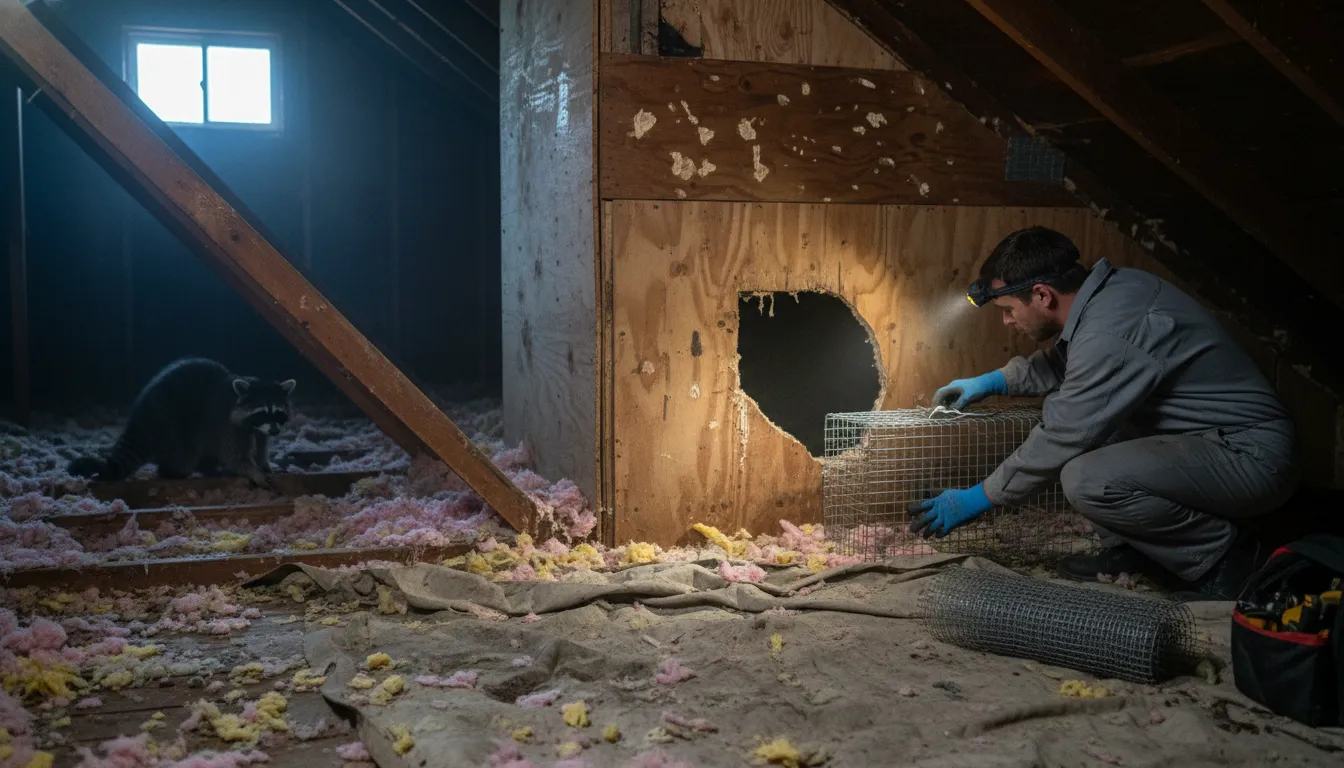
Living in North Brunswick means sharing our beautiful township with a diverse array of wildlife. While seeing a fox trot through a backyard or hearing birds in the trees is part of the local charm, problems arise when animals like squirrels, raccoons, or bats decide to move into your attic, chimney, or under your deck. Wildlife removal is the specialized process of safely and legally addressing these unwanted animal guests. It focuses on humane exclusion and habitat modification to solve the immediate problem and prevent future ones. This guide will help you understand the common nuisance species in our area, the legal guidelines for dealing with them, and how to connect with licensed professionals who can protect your home and family.
Universal Pest Control
118 Locust St, Roselle, NJ 07203
Universal Pest Control is a family owned and operated pest control company serving Newark, NJ, and the surrounding Union County area. They offer a wide range of pest management services including cockroach, ant, termite, bee and wasp removal, as well as wildlife control. Their licensed and trained technicians use up-to-date methods to address pest infestations safely and effectively. With years of experience, Universal Pest Control provides free consultations and estimates to help customers find tailored solutions for their pest issues.
Recon Pest Control Inc
79 Escanaba Ave, Staten Island, NY 10308
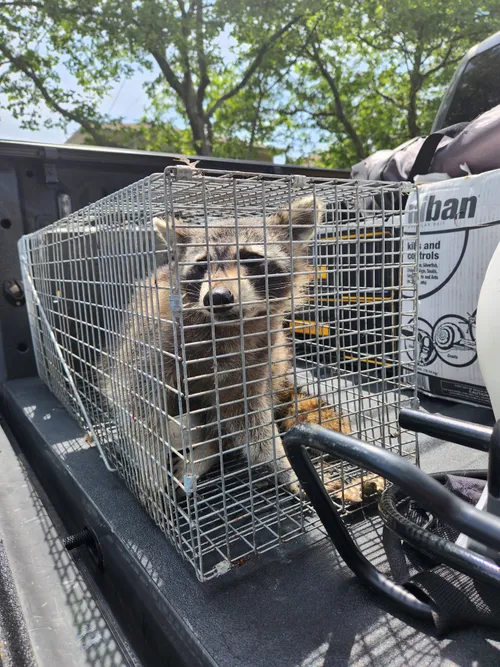
Recon Pest Control Inc is a family-owned pest control company based in Staten Island, serving New York, NY, and nearby New Jersey. They offer a wide range of pest management services including bed bug extermination, termite control, rodent removal, mosquito reduction, bee and wasp removal, and wildlife relocation. The company also provides specialized solutions like the SolaTrim Pest Abatement Barrier to protect solar panels from pigeons and rodents. Recon Pest Control partners with Dad and Daughters Home Inspection, LLC to offer comprehensive home inspections and related services.
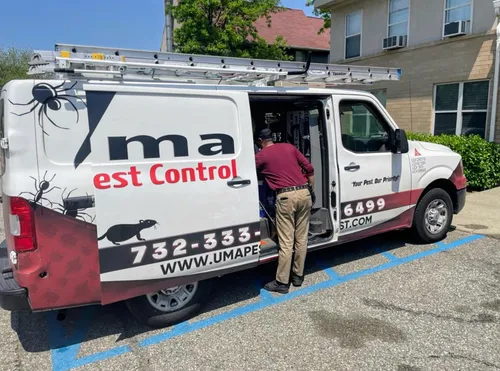
Uma Pest Control
200 W Milton Ave, Rahway, NJ 07065
Uma Pest Control offers a range of pest management services in New York, NY, including bed bug treatment, termite inspections, mosquito control, rodent removal, and bird control. They provide commercial, residential, and industrial pest control using green botanical products when preferred. Uma Pest Control is known for its one-day bed bug treatment that combines freeze, heat, and steam methods in a single visit, avoiding multiple follow-ups common with other providers. Their services also cover insect repellents, exclusion work, and wildlife removal for animals like bats and raccoons. The company operates from Rahway, NJ, and has been maintaining pest control services for several years.
All Platinum Termite & Pest Control
266 Wild Ave, Staten Island, NY 10314
All Platinum Termite & Pest Control is a family-owned and operated pest control company serving New York, NY, and the surrounding New Jersey area. They provide a wide range of pest management services including bed bug treatment, termite inspections, rodent and wildlife removal, mosquito control, and bird and bee removal for both residential and commercial clients. The company uses low-toxic, organic, and environmentally friendly products in compliance with state and federal regulations. With over 25 years of experience, All Platinum Termite & Pest Control is fully licensed and insured, offering 24/7 availability including same-day service.
Superb Pest Control
20 Commerce Dr, Cranford, NJ 07016
Superb Pest Control provides comprehensive pest control and extermination services in Newark, NJ, and surrounding areas including Woodbridge, Cranford, Clark, Westfield, Scotch Plains, and Springfield. They specialize in managing a wide range of pests such as bed bugs, rodents, cockroaches, ants, mosquitoes, bees, wasps, birds, and wildlife. Their approach includes Integrated Pest Management (IPM) to inspect, identify, and treat infestations in an environmentally responsible way. The company also offers a specialized six-month plan for controlling lanternfly infestations without harming vegetation or wildlife. Superb Pest Control serves both residential and commercial clients, including homes, restaurants, schools, hospitals, and manufacturing facilities.
Common Nuisance Wildlife in North Brunswick
Our suburban environment, with its mix of wooded areas, parks, and residential neighborhoods, provides ideal habitat for several mammal species that can become problematic for homeowners. Knowing which animal you're dealing with is the first step toward an effective solution.
- Squirrels: These agile rodents are frequent culprits for attic and chimney infestations. They can chew through siding, roof vents, and electrical wiring, creating fire hazards and significant damage. They are also attracted to bird feeders and accessible pet food.
- Raccoons: Highly intelligent and dexterous, raccoons are notorious for tipping over garbage cans and tearing into soffits to access warm, dry attics for denning. They can carry diseases transmissible to humans and pets.
- Bats: While ecologically important, a colony of bats in an attic poses serious health risks due to the potential for histoplasmosis from accumulated guano (droppings). Their entry points are often very small gaps in roof lines or vents.
- Opossums & Skunks: These animals often seek shelter under porches, decks, and sheds. While generally less destructive to structures, they can dig up lawns in search of grubs and create potent odor issues, especially if a skunk feels threatened.
- Other Species: Residents may also encounter issues with foxes, woodchucks (groundhogs), and occasionally birds nesting in vents or cavities.
The primary concerns with these infestations go beyond simple annoyance. They include property damage from chewing and nesting, health risks from parasites and diseases, and the constant noise and stress of having active wildlife in your living spaces.
Legal Guidelines: What You Can and Cannot Do
New Jersey has specific regulations governing wildlife control designed to protect both animals and residents. Understanding these rules is crucial to avoid fines and handle situations ethically and effectively.
What is Allowed (Focus on Prevention & Exclusion): As a property owner, you are encouraged to use lawful means to prevent damage. This primarily involves habitat modification and exclusion. You can:
- Seal potential entry points with appropriate materials (e.g., hardware cloth, steel wool, chimney caps).
- Secure trash cans with locking lids or bungee cords.
- Remove outdoor food sources like pet food, fallen fruit, and unsecured compost.
- Trim tree branches that overhang or touch your roof to limit animal access.
What is Restricted or Not Recommended: The New Jersey Department of Environmental Protection (NJDEP) strongly discourages the trap-and-relocate approach for several reasons: it is often illegal without a permit, it is ineffective (as it simply moves the problem), and it can spread disease or doom the relocated animal.
- Do Not Relocate: It is generally illegal for residents to trap and relocate wildlife themselves in NJ. Relocation is not a long-term solution and is reserved for licensed professionals under specific circumstances.
- Do Not Feed Wildlife: Intentionally or unintentionally feeding stray or wild animals is a primary cause of nuisance problems. It causes animals to lose their natural fear of humans and associate homes with food 1.
- Avoid Direct Contact: Never attempt to handle sick, injured, or aggressive animals. This is dangerous and should be left to trained experts.
Find the perfect wildlife removal companies for your needs
Get personalized recommendations and expert advice
When and Who to Call for Professional Help
While some prevention can be DIY, many situations require the expertise of a licensed professional. Knowing which agency or service to contact will save you time and ensure the problem is handled correctly.
Contact North Brunswick Animal Control: You should reach out to the township's Animal Control officers for situations involving immediate public safety or stray domestic animals 2 3. This includes:
- An animal that is visibly sick, injured, or acting abnormally (e.g., rabies suspicion).
- Aggressive wildlife that is threatening people or pets.
- Stray dogs or cats.
Contact a Licensed Wildlife Control Operator (WCO): For most wildlife conflicts inside or damaging a structure, a licensed Wildlife Control Operator or animal removal specialist is your best resource. Call a WCO for:
- An active infestation in an attic, wall, or chimney.
- Bat colony removal (which has very specific protocols).
- Complex exclusion work where you need to identify and seal all entry points.
- Any situation where you are unsure of the species, legalities, or safe removal methods.
Professional WCOs have the training, equipment, and legal authorizations to resolve conflicts humanely and permanently.
Professional Wildlife Control Methods and What to Expect
Licensed Wildlife Control Operators use an integrated approach that prioritizes a permanent solution over a temporary fix. Their goal is to remove the animal and ensure it cannot return.
Core Methods:
- Inspection & Assessment: A thorough inspection to identify the species, entry points, and extent of the problem.
- Exclusion: The cornerstone of modern wildlife control. This involves installing one-way doors or devices that allow animals to leave but not re-enter, followed by permanently sealing all access points with durable materials 4.
- Trapping: When exclusion isn't feasible, professionals may use live traps. It's important to note that due to NJ regulations, trapped animals are often euthanized humanely rather than relocated, as relocation is largely prohibited for reasons of animal welfare and disease control.
- Habitat Modification & Cleanup: Professionals will advise on and sometimes assist with removing attractants. For severe infestations, they also offer attic restoration and cleanup services to remove contaminated insulation and decontaminate the area 5.
Understanding Costs: The cost for wildlife management services varies widely based on the animal, the infestation's severity, and the work required (e.g., exclusion, repairs, cleanup). Most reputable companies offer free or low-cost inspections and will provide a detailed, written estimate. It's always wise to get multiple quotes. Some may offer phone estimates for standard situations, but an in-person inspection is usually necessary for an accurate assessment 6 7.
Proactive Prevention: Keeping Wildlife Wild
The most effective and cost-efficient strategy is to make your property less attractive to wildlife in the first place. Consistent prevention is key.
- Seal Your Home: Conduct seasonal checks of your home's exterior. Look for gaps in siding, loose roof vents, damaged soffits, and openings where utility lines enter. Use sturdy materials to seal any hole larger than a quarter-inch.
- Manage Food Sources: Use animal-proof trash containers, feed pets indoors, and clean barbecue grills after use. Consider bringing bird feeders in at night or using squirrel-proof models.
- Modify Habitat: Keep woodpiles and brush piles away from your home's foundation. Install chimney caps and vent covers. Ensure crawlspace doors are secure.
By taking these steps, you protect your investment and encourage wildlife to remain in their natural habitats, where they belong. Remember, when a problem exceeds simple prevention, knowing the law and relying on licensed professionals ensures a safe, legal, and lasting resolution for both you and the animal 8 9 10.
Frequently asked questions
Sources
Footnotes
-
I have nuisance wildlife in my home/yard. What should I do? - https://www.ewingnj.org/documents/files/file/Health/Animal%20Control/Nuisance%20wildlife.pdf ↩
-
Wildlife Information - Township of North Brunswick - https://northbrunswicknj.gov/resource_library/wildlife-information/ ↩
-
Animal Control - Township of North Brunswick - https://northbrunswicknj.gov/departments/animal-control/ ↩
-
List Of Nuisance Animals And Their Wildlife Management - https://4njpest.com/list-of-nuisance-animals-and-their-wildlife-management/ ↩
-
Nuisance Wildlife Removal & Control Specialists | NJ Pest - https://4njpest.com/nuisance-wildlife-removal-control-specialists/ ↩
-
New Brunswick Wildlife Removal, Pest Animal Control NJ - http://www.wildlife-removal.com/city/NJ-New-Brunswick.htm ↩
-
Nuisance Wildlife Control Services - https://4njpest.com/nuisance-wildlife-control/ ↩
-
Need Wildlife Help? New Jersey Nuisance Wildlife Animals | NJ Pest Control - https://4njpest.com/help-new-jersey-nuisance-wildlife-animals/ ↩
-
NJ Wildlife Relocation Policy - NJ.gov - https://www.nj.gov/dep/fgw/pdf/relocation_policy.pdf ↩
-
Remove Or "Take" Nuisance Animals Legally - NYSDEC - https://dec.ny.gov/nature/animals-fish-plants/nuisance-wildlife-species/remove-take-legally ↩