Find the Best Wildlife Removal Companies for Your Business
No obligation • Fast responses • Nationwide coverage

Why you can trust Pest Crews
Pest Crews is a leading U.S. resource for finding and evaluating residential and commercial pest control services. Our team researches providers, reviews treatment approaches, and organizes unbiased information to help you make informed decisions. Companies cannot pay to change our editorial content or influence how they appear.
Search providers near you
Top Wildlife Removal Companies in Parsippany-Troy Hills, New Jersey Ranked
Finding an uninvited animal in your attic, under your deck, or burrowing in your yard can be unsettling. Wildlife removal is the professional service dedicated to safely and humanely resolving conflicts with nuisance animals, protecting both your property and the creatures involved. In Parsippany-Troy Hills, dealing with raccoons, squirrels, and other local fauna involves specific legal and safety protocols. This guide explains the common wildlife issues in the area, outlines effective prevention strategies, details when and how to call for professional animal control, and provides a framework for understanding the process and associated costs, helping you make an informed decision to restore peace to your home.
Universal Pest Control
118 Locust St, Roselle, NJ 07203
Universal Pest Control is a family owned and operated pest control company serving Newark, NJ, and the surrounding Union County area. They offer a wide range of pest management services including cockroach, ant, termite, bee and wasp removal, as well as wildlife control. Their licensed and trained technicians use up-to-date methods to address pest infestations safely and effectively. With years of experience, Universal Pest Control provides free consultations and estimates to help customers find tailored solutions for their pest issues.
Recon Pest Control Inc
79 Escanaba Ave, Staten Island, NY 10308
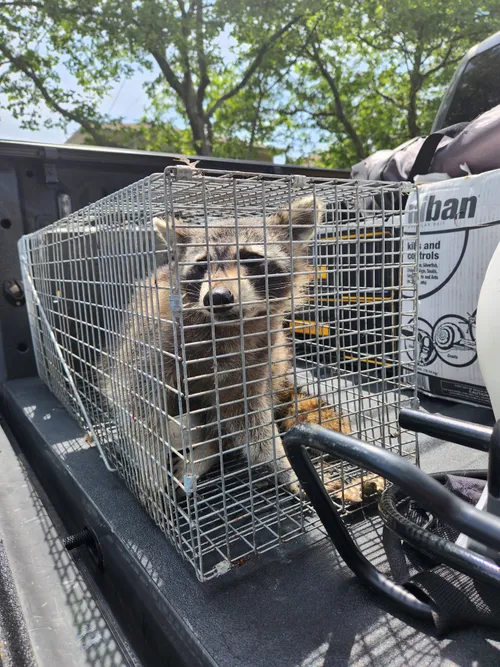
Recon Pest Control Inc is a family-owned pest control company based in Staten Island, serving New York, NY, and nearby New Jersey. They offer a wide range of pest management services including bed bug extermination, termite control, rodent removal, mosquito reduction, bee and wasp removal, and wildlife relocation. The company also provides specialized solutions like the SolaTrim Pest Abatement Barrier to protect solar panels from pigeons and rodents. Recon Pest Control partners with Dad and Daughters Home Inspection, LLC to offer comprehensive home inspections and related services.
800-Raccoon Pest & Wildlife Control
32-07 Astoria Blvd N, Astoria, NY 11102
800-Raccoon Pest & Wildlife Control is a family-owned pest control company serving New York, NY, with over 45 years of experience. They offer comprehensive pest management services including rodent control, termite inspections, mosquito control, and humane wildlife removal for both residential and commercial properties. Their approach covers all aspects of pest prevention and treatment to protect homes and businesses effectively. The company emphasizes a thorough, multi-step process to ensure complete pest protection and peace of mind for their clients.
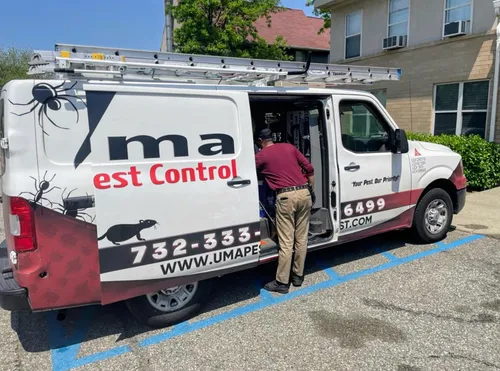
Uma Pest Control
200 W Milton Ave, Rahway, NJ 07065
Uma Pest Control offers a range of pest management services in New York, NY, including bed bug treatment, termite inspections, mosquito control, rodent removal, and bird control. They provide commercial, residential, and industrial pest control using green botanical products when preferred. Uma Pest Control is known for its one-day bed bug treatment that combines freeze, heat, and steam methods in a single visit, avoiding multiple follow-ups common with other providers. Their services also cover insect repellents, exclusion work, and wildlife removal for animals like bats and raccoons. The company operates from Rahway, NJ, and has been maintaining pest control services for several years.
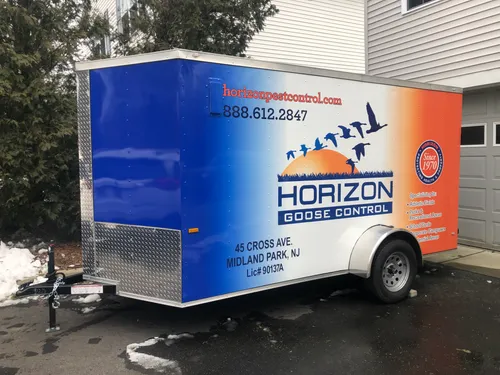
Horizon Pest Control
45 Cross Ave, Midland Park, NJ 07432
Horizon Pest Control is a family-owned pest control company serving New York, NY, and New Jersey. Established in 1970, they provide residential and commercial pest management services including bed bug treatment, ant control, rodent removal, termite inspections, mosquito control, and wildlife removal. Their licensed technicians use advanced, EPA-approved products to ensure safe and effective pest control. Horizon Pest Control offers comprehensive protection plans covering over 40 common pests and guarantees follow-up service if pests return. They serve multiple counties in New Jersey and New York, including Bronx, Manhattan, Brooklyn, and Queens.
Common Nuisance Wildlife in Parsippany-Troy Hills
The suburban landscape of Parsippany-Troy Hills, with its mix of wooded areas and residential neighborhoods, provides ideal habitat for a variety of wildlife species. While these animals are a natural part of the local ecosystem, they can become a significant nuisance when they seek food and shelter in our homes and yards.
The most frequent offenders include raccoons, squirrels, skunks, and opossums. These animals are adept at finding entry points into attics, crawl spaces, and areas under decks, and they are notorious for raiding unsecured trash cans. Woodchucks (also known as groundhogs) are another common concern, known for their extensive burrowing which can damage yards, gardens, and even undermine structures like sheds and porches.
Other wildlife that may require professional intervention include bats and birds that nest in attic vents or wall cavities, and larger predators like coyotes and foxes, which can pose a threat to small pets and require expert handling to ensure public safety. Understanding which animal you're dealing with is the first step toward an effective and legal resolution.
First Steps: Prevention and DIY Deterrence
Before a situation escalates to needing professional trapping, there are several proactive measures homeowners can take. The goal of wildlife management is often exclusion and habitat modification-making your property less attractive and accessible to animals in the first place.
- Seal Entry Points: Conduct a thorough inspection of your home's exterior. Look for gaps around pipes, vents, eaves, and foundations. Use durable materials like hardware cloth, steel mesh, or high-quality caulk to seal these openings.
- Remove Attractants: This is one of the most effective steps. Secure garbage cans with tight-fitting lids, avoid leaving pet food outdoors overnight, clean up fallen fruit from trees, and consider managing bird feeder use, as spilled seed attracts rodents and other wildlife1.
- Modify Habitat: Trim back dense shrubbery and tree branches that touch or overhang your house. This removes "bridges" that animals like squirrels and raccoons use to access your roof.
- Use Scare Tactics: Temporary solutions like motion-activated lights, sprinklers, or ultrasonic noise devices can sometimes deter animals. However, these are often short-term fixes as wildlife tends to become accustomed to them2.
These methods form the foundation of humane wildlife control and are practices that any professional service will recommend and likely implement as part of a long-term solution.
Find the perfect wildlife removal companies for your needs
Get personalized recommendations and expert advice
When and Who to Call for Professional Help
Knowing when to handle a situation yourself and when to call a professional is crucial for your safety and for the legal, humane treatment of the animal. In New Jersey, wildlife removal is governed by specific regulations from the Department of Environmental Protection (DEP).
Contact Municipal Animal Control if: You encounter a sick, injured, or visibly disoriented animal, or an animal that is posing an immediate public safety threat (e.g., a raccoon acting aggressively during the day, which can be a sign of rabies). The Parsippany-Troy Hills Animal Control department handles these public safety issues3 4.
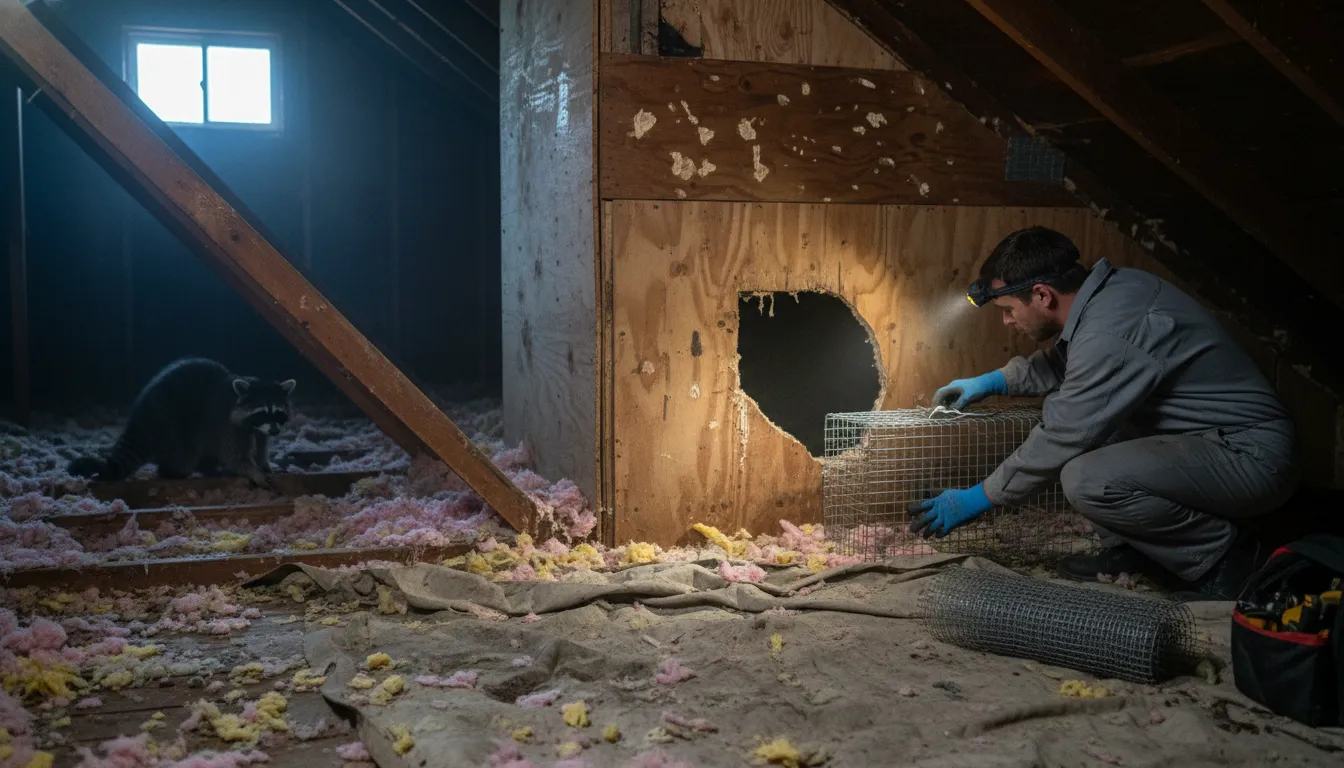
Hire a Licensed Nuisance Wildlife Control Operator (NWCO) for: The vast majority of residential wildlife conflicts. Licensed NWCOs are experts in the legal, humane trapping, removal, and exclusion of nuisance wildlife. They handle situations like animals living in attics, repeated garden raids, or burrowing under structures. A key part of their expertise is following NJDEP policies, such as ensuring young animals are relocated with their mothers when possible. They also provide essential services like attic restoration and decontamination after animals have been removed, cleaning up hazardous droppings and replacing contaminated insulation.
Critical "What Not to Do" Guidelines
Attempting to handle a wildlife problem incorrectly can be dangerous, illegal, and often makes the situation worse. Keep these critical rules in mind:
- Do NOT Use Poison: Poisoning wildlife is strongly discouraged and often illegal for many species. It is an inhumane and ineffective long-term solution. Poisoned animals often die in inaccessible areas inside walls or attics, leading to severe odor problems. It also poses risks of secondary poisoning to pets, children, and non-target wildlife 5.
- Do NOT Handle Animals Directly: Wild animals can carry diseases transmissible to humans and pets, including rabies, leptospirosis, and hantavirus. Even a small scratch or bite requires immediate medical attention. Always keep your distance 6.
- Understand Relocation Rules: It is illegal in New Jersey to trap and relocate wildlife to another area without a permit. The NJDEP has strict policies to prevent the spread of disease and ecological disruption. Professional NWCOs are licensed to perform relocation in accordance with these laws7 8 9.
Understanding the Process and Cost of Wildlife Removal
A professional wildlife removal service typically follows a multi-step process, and understanding this can help clarify cost estimates. Every job is unique, but most follow a similar framework.
The process usually begins with a thorough inspection and consultation to identify all active entry points, the species involved, and the extent of the infestation or damage. Following this, the professional will develop a plan that includes humane trapping and removal (if immediate occupants are present), followed by the crucial step of exclusion-permanently sealing all identified entry points with professional-grade materials. Finally, many jobs require clean-up and restoration, such as decontaminating an attic space soiled by raccoon droppings.
Costs in Parsippany-Troy Hills vary significantly based on the animal, the location of the problem, and the scope of work required. Here is a general breakdown:
- Inspections/Consultations: Often are the first step and may be offered at a low cost or sometimes free.
- Simple Removals & Sealing: For a basic job like removing squirrels from a chimney and installing a cap, costs might range from $300 to $700+.
- Medium-Complexity Jobs: For live trapping and removal of animals from an attic or under a deck, coupled with exclusion work, prices typically fall between $500 and $1,000+, as they may require multiple visits 10.
- Full Exclusion & Major Decontamination: Comprehensive jobs that involve excluding multiple entry points, performing attic clean-out, and replacing insulation due to heavy contamination can range from $1,000 to $3,000 or more, depending on the square footage and level of damage11 12.
Investing in a professional, humane service that focuses on permanent exclusion is almost always more cost-effective than repeated temporary fixes or attempting a risky DIY removal.
Frequently asked questions
Sources
Footnotes
-
Effective Wildlife Removal in New Jersey - Amco Pest Control - https://amcopest.com/news-and-updates/effective-wildlife-removal-in-new-jersey ↩
-
I have nuisance wildlife in my home/yard. What should I do? - https://www.ewingnj.org/documents/files/file/Health/Animal%20Control/Nuisance%20wildlife.pdf ↩
-
Municipal Animal Control in NJ-Best Practices - http://www.njcacoa.org/Municipal_Animal_Control_in_NJ_Best_Practices.html ↩
-
Animal Control & Shelter - Parsippany.net - https://www.parsippany.net/Departments/animal-control-shelter ↩
-
Nuisance Wildlife Removal & Control Specialists | NJ Pest - https://4njpest.com/nuisance-wildlife-removal-control-specialists/ ↩
-
Parsippany-Troy Hills Township Wildlife Control, Animal ... - http://www.wildliferemovalmorriscounty.com/ParsippanyTroyHillsTownship.html ↩
-
NJ Wildlife Relocation Policy - NJ.gov - https://www.nj.gov/dep/fgw/pdf/relocation_policy.pdf ↩
-
Need Wildlife Help? New Jersey Nuisance Wildlife Animals - https://4njpest.com/help-new-jersey-nuisance-wildlife-animals/ ↩
-
Parsippany-Troy Hills Wildlife Animal Control - Pest Removal ... - http://www.wildlifeanimalcontrol.com/Parsippany-Troy-Hills.html ↩
-
Prices for Parsippany-Troy Hills Wildlife Pest Control Animal Trapping - http://www.aaanimalcontrol.com/professional-trapper/prices/NJ-Parsippany-Troy-Hills-prices.htm ↩
-
Parsippany-Troy Hills Wildlife Control / New Jersey Animal ... - http://www.aaanimalcontrol.com/professional-trapper/city/NJ-Parsippany-Troy-Hills.htm ↩
-
Nuisance Wildlife Control Services - https://4njpest.com/nuisance-wildlife-control/ ↩