Find the Best Wildlife Removal Companies for Your Business
No obligation • Fast responses • Nationwide coverage

Why you can trust Pest Crews
Pest Crews is a leading U.S. resource for finding and evaluating residential and commercial pest control services. Our team researches providers, reviews treatment approaches, and organizes unbiased information to help you make informed decisions. Companies cannot pay to change our editorial content or influence how they appear.
Search providers near you
Top Wildlife Removal Companies in Piscataway, New Jersey Ranked
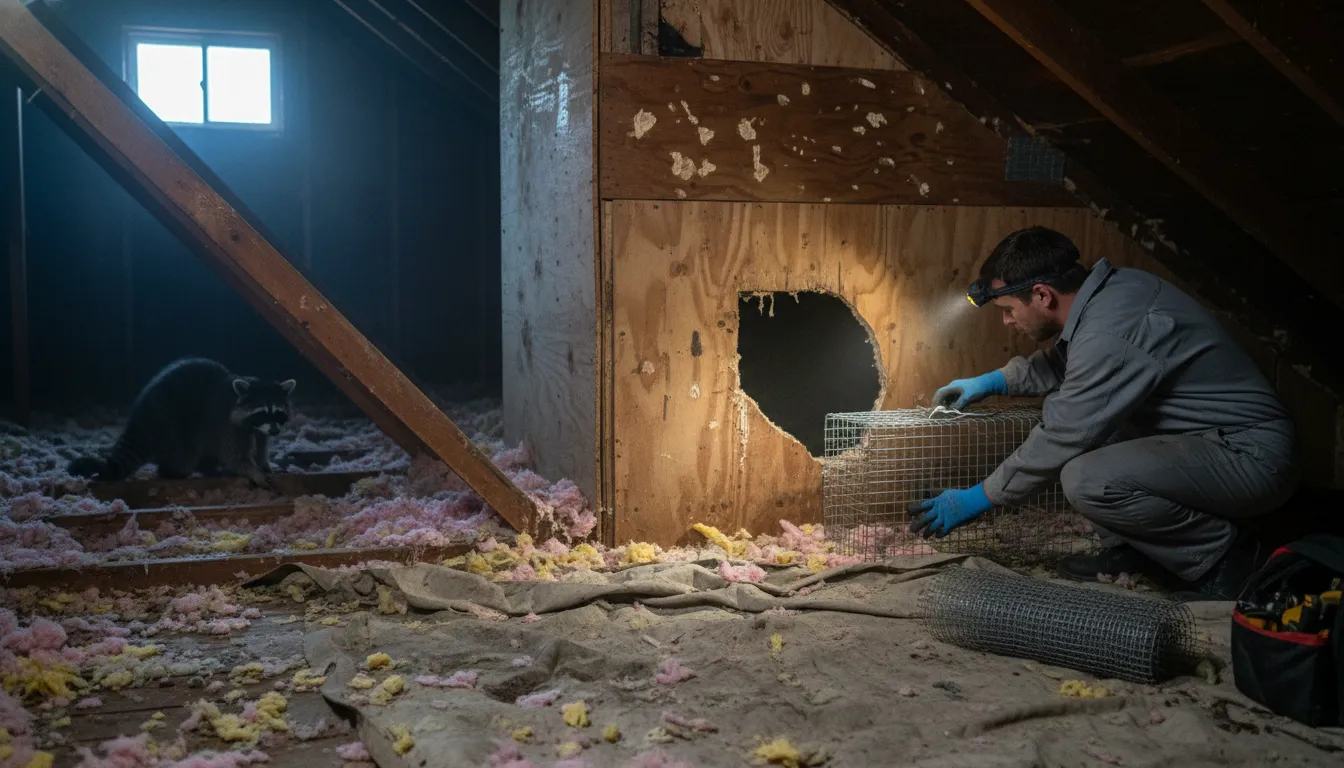
Finding an uninvited animal in your attic, under your deck, or burrowing in your yard can be unsettling and potentially damaging. Wildlife removal is the professional service of safely and legally addressing conflicts with wild animals that have become a nuisance or hazard on your property. This process is crucial for protecting your home's structure, ensuring your family's safety, and resolving issues in compliance with New Jersey's strict wildlife regulations. This guide will help you understand the common wildlife issues in Piscataway, when to call for help, and how to find qualified local professionals to manage the situation effectively.
Universal Pest Control
118 Locust St, Roselle, NJ 07203
Universal Pest Control is a family owned and operated pest control company serving Newark, NJ, and the surrounding Union County area. They offer a wide range of pest management services including cockroach, ant, termite, bee and wasp removal, as well as wildlife control. Their licensed and trained technicians use up-to-date methods to address pest infestations safely and effectively. With years of experience, Universal Pest Control provides free consultations and estimates to help customers find tailored solutions for their pest issues.
Recon Pest Control Inc
79 Escanaba Ave, Staten Island, NY 10308
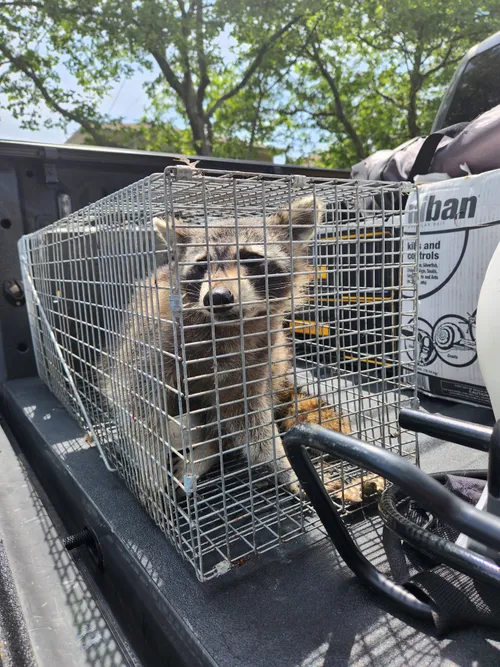
Recon Pest Control Inc is a family-owned pest control company based in Staten Island, serving New York, NY, and nearby New Jersey. They offer a wide range of pest management services including bed bug extermination, termite control, rodent removal, mosquito reduction, bee and wasp removal, and wildlife relocation. The company also provides specialized solutions like the SolaTrim Pest Abatement Barrier to protect solar panels from pigeons and rodents. Recon Pest Control partners with Dad and Daughters Home Inspection, LLC to offer comprehensive home inspections and related services.
Uma Pest Control
200 W Milton Ave, Rahway, NJ 07065
Uma Pest Control offers a range of pest management services in New York, NY, including bed bug treatment, termite inspections, mosquito control, rodent removal, and bird control. They provide commercial, residential, and industrial pest control using green botanical products when preferred. Uma Pest Control is known for its one-day bed bug treatment that combines freeze, heat, and steam methods in a single visit, avoiding multiple follow-ups common with other providers. Their services also cover insect repellents, exclusion work, and wildlife removal for animals like bats and raccoons. The company operates from Rahway, NJ, and has been maintaining pest control services for several years.
All Platinum Termite & Pest Control
266 Wild Ave, Staten Island, NY 10314
All Platinum Termite & Pest Control is a family-owned and operated pest control company serving New York, NY, and the surrounding New Jersey area. They provide a wide range of pest management services including bed bug treatment, termite inspections, rodent and wildlife removal, mosquito control, and bird and bee removal for both residential and commercial clients. The company uses low-toxic, organic, and environmentally friendly products in compliance with state and federal regulations. With over 25 years of experience, All Platinum Termite & Pest Control is fully licensed and insured, offering 24/7 availability including same-day service.
Superb Pest Control
20 Commerce Dr, Cranford, NJ 07016
Superb Pest Control provides comprehensive pest control and extermination services in Newark, NJ, and surrounding areas including Woodbridge, Cranford, Clark, Westfield, Scotch Plains, and Springfield. They specialize in managing a wide range of pests such as bed bugs, rodents, cockroaches, ants, mosquitoes, bees, wasps, birds, and wildlife. Their approach includes Integrated Pest Management (IPM) to inspect, identify, and treat infestations in an environmentally responsible way. The company also offers a specialized six-month plan for controlling lanternfly infestations without harming vegetation or wildlife. Superb Pest Control serves both residential and commercial clients, including homes, restaurants, schools, hospitals, and manufacturing facilities.
Common Nuisance Wildlife in Piscataway
The mix of suburban neighborhoods, wooded areas, and waterways in Piscataway provides ideal habitat for many species. When these animals seek food, water, or shelter, they often find it in our homes and yards. Knowing which animals are most likely to cause problems is the first step in identification and control.
- Squirrels: These agile climbers frequently enter attics and soffits to nest, where they can chew on wires, insulation, and wood, creating fire hazards and structural damage.
- Raccoons: Intelligent and dexterous, raccoons are notorious for tipping over trash cans and tearing through garbage bags. They seek shelter in chimneys, attics, and crawl spaces, and can carry diseases like rabies.
- Skunks: Known for their potent defensive spray, skunks often dig for grubs in lawns and take up residence under sheds, decks, and porches. Encounters with pets can lead to a very smelly situation.
- Opossums: North America's only marsupial, opossums are often found rummaging through garbage. While they eat many pests like ticks, they can become a nuisance in garages or under structures.
- Groundhogs (Woodchucks): These large rodents are powerful diggers. Their extensive burrow systems can undermine foundations, sidewalks, and sheds, posing a serious risk to property integrity.
- Bats: Small colonies of bats may roost in attics or behind shutters. While beneficial for insect control, their droppings (guano) can pose health risks and create odors. Special care must be taken due to their protected status.
- Foxes: While generally wary of humans, red and gray foxes may prey on small pets or chickens. They den under decks or sheds and can be attracted by readily available food sources 1.
Why Wildlife Becomes a Problem
Animals don't move into human spaces out of malice; they are simply following their instincts to survive. The primary attractants in Piscataway are consistent with suburban environments everywhere:
- Food Sources: Unsecured trash and recycling bins, pet food left outdoors, compost piles, bird feeders, and fallen fruit from trees are powerful magnets for wildlife.
- Water: Leaky faucets, birdbaths, clogged gutters, and kiddie pools provide the hydration animals need.
- Shelter: Your home offers perfect protection from predators and the elements. Small openings in roof vents, loose siding, gaps in foundations, and uncapped chimneys are like open invitations to squirrels, raccoons, and bats 2.
Understanding these attractants is key to both preventing problems and solving existing ones. Effective animal control starts with making your property less inviting.
What You Can (and Cannot) Do Yourself
New Jersey has specific laws governing wildlife, and it's important to know the line between legal prevention and prohibited removal.
Allowed DIY Prevention:
- Secure Garbage: Use animal-proof bins with locking lids and store them in a garage or shed until pickup day.
- Remove Food Sources: Feed pets indoors, clean up fallen fruit and nuts, and use bird feeders designed to be squirrel-resistant or remove them if they are attracting larger animals 3.
- Manage Habitat: Keep woodpiles away from the house, trim tree branches that overhang the roof, and clear dense brush from property edges.
- Seal Entry Points: Conduct seasonal inspections of your home's exterior. Seal cracks in the foundation, repair torn window screens, and install chimney caps and vent covers before animals get in.
Prohibited DIY Removal:
- Do Not Trap or Relocate: It is generally illegal for homeowners to trap and relocate wildlife in New Jersey. Relocation can spread disease and simply move the problem to another area, often dooming the animal to starvation.
- Do Not Handle Wildlife: Never attempt to capture, handle, or corner a wild animal, especially if it appears sick, injured, or aggressive. This is dangerous and increases the risk of bites or disease exposure.
- Note on Feeding: The Township of Piscataway specifically prohibits the feeding of wildlife on township property, a rule that highlights the importance of not encouraging animals 4.
Find the perfect wildlife removal companies for your needs
Get personalized recommendations and expert advice
When and Who to Call for Help
Not every wildlife sighting requires immediate action, but knowing which agency or professional to contact is critical for a swift and legal resolution.
Call Piscataway Animal Control (or Police) for:
- An animal that is visibly sick (staggering, disoriented, overly aggressive).
- An animal that has bitten or attacked a person or pet.
- A truly dangerous situation requiring immediate intervention for public safety. Municipal animal control officers typically handle domestic animals and true emergencies involving wildlife; they are not generally responsible for routine nuisance wildlife capture 5.
Call a Licensed Wildlife Control Operator (WCO) for:
- An animal living inside your home (e.g., squirrels in the attic, raccoons in the chimney).
- Persistent nuisance animals in your yard (e.g., a groundhog under your shed, skunks under the deck).
- The need for professional trapping, exclusion, and repair services. Wildlife Control Operators are licensed by the state and understand the complex regulations for humane trapping, handling, and disposition of nuisance species. They provide the full spectrum of wildlife management services.
Contact a Licensed Wildlife Rehabilitator for:
- An orphaned baby animal (ensure the mother is truly absent for an extended period).
- An obviously injured animal (e.g., a bird with a broken wing, a hit-by-car animal). Rehabilitators are licensed to care for and treat injured wildlife with the goal of release. They are a valuable resource for specific compassionate situations 6.
Professional Wildlife Control Methods
When you hire a professional for animal removal in Piscataway, they will employ a series of integrated strategies designed for a long-term solution, not just a quick catch.
- Inspection & Assessment: The professional will identify the species, locate entry points, and assess the extent of the problem and any damage.
- Humane Trapping (if necessary): Using species-specific traps, the operator will capture the animal in compliance with NJ law. It's important to note that relocation is often not permitted; other legal dispositions are followed 7.
- Exclusion: This is the most critical and permanent step. The professional will seal all potential entry points with durable materials like steel mesh, hardware cloth, or specialized vent covers to prevent re-entry 8.
- Clean-up & Sanitation: If animals have been living in an attic or crawl space, droppings and contaminated insulation need to be removed and the area sanitized to eliminate odors and health risks.
- Repair & Restoration: The final step involves repairing damage caused by the wildlife, such as chewed wires, torn insulation, or damaged siding, to restore your home's integrity.
Understanding the Cost of Wildlife Removal
The cost for professional nuisance wildlife control in Piscataway is not a flat fee and can vary significantly based on several factors 9 10. A basic service call for inspection and removal might start in the range of $100 to $200 or more. However, the total project cost is influenced by:
- The type of animal: Removing bats, which requires special considerations, may cost more than removing a groundhog.
- The location and accessibility: An animal in a hard-to-reach part of the attic is more labor-intensive than one in a crawl space.
- The number of animals: A single squirrel is different from an entire colony of bats or a family of raccoons.
- The extent of damage and needed repairs: The crucial work of exclusion (sealing the home) and repairing damage (like replacing insulation) constitutes a significant portion of the final cost and is essential for a permanent solution. This can raise the total investment into the hundreds or even thousands of dollars.
Always seek detailed, written estimates from licensed professionals that clearly break down inspection, removal, exclusion, and repair costs.
Prevention: The Best Long-Term Strategy
Ultimately, the most effective and cost-efficient approach to wildlife conflict is prevention. By proactively making your property less attractive, you avoid the stress and expense of removal altogether. Commit to regular home maintenance, be diligent about securing food sources, and don't ignore small holes or gaps. If you hear noises in your walls or see signs of digging, act quickly by contacting a professional. Early intervention is always simpler and less costly than dealing with an established infestation and the resulting damage 11.
Frequently asked questions
Sources
Footnotes
-
List Of Nuisance Animals And Their Wildlife Management - https://4njpest.com/list-of-nuisance-animals-and-their-wildlife-management/ ↩
-
Critter Control in New Jersey - Wildlife Removal & Animal Control - https://www.crittercontrol.com/office-finder/new-jersey/ ↩
-
I have nuisance wildlife in my home/yard. What should I do? - https://www.ewingnj.org/documents/files/file/Health/Animal%20Control/Nuisance%20wildlife.pdf ↩
-
Feeding of Wildlife - Township of Piscataway, NJ - eCode360 - https://ecode360.com/34880722 ↩
-
Municipal Animal Control in NJ-Best Practices - http://www.njcacoa.org/Municipal_Animal_Control_in_NJ_Best_Practices.html ↩
-
Wildlife Relocation Policy - https://dep.nj.gov/wp-content/uploads/njfw/wildlife-relocation-policy.pdf ↩
-
NJ Wildlife Relocation Policy - NJ.gov - https://www.nj.gov/dep/fgw/pdf/relocation_policy.pdf ↩
-
Effective Wildlife Removal in New Jersey - Amco Pest Control - https://amcopest.com/news-and-updates/effective-wildlife-removal-in-new-jersey ↩
-
Need Wildlife Help? New Jersey Nuisance Wildlife Animals | NJ Pest Control - https://4njpest.com/help-new-jersey-nuisance-wildlife-animals/ ↩
-
Nuisance Wildlife Control Services - https://4njpest.com/nuisance-wildlife-control/ ↩
-
Nuisance Wildlife Removal & Control Specialists | NJ Pest - https://4njpest.com/nuisance-wildlife-removal-control-specialists/ ↩