Find the Best Wildlife Removal Companies for Your Business
No obligation • Fast responses • Nationwide coverage

Why you can trust Pest Crews
Pest Crews is a leading U.S. resource for finding and evaluating residential and commercial pest control services. Our team researches providers, reviews treatment approaches, and organizes unbiased information to help you make informed decisions. Companies cannot pay to change our editorial content or influence how they appear.
Search providers near you
Top Wildlife Removal Companies in Plainfield, New Jersey Ranked
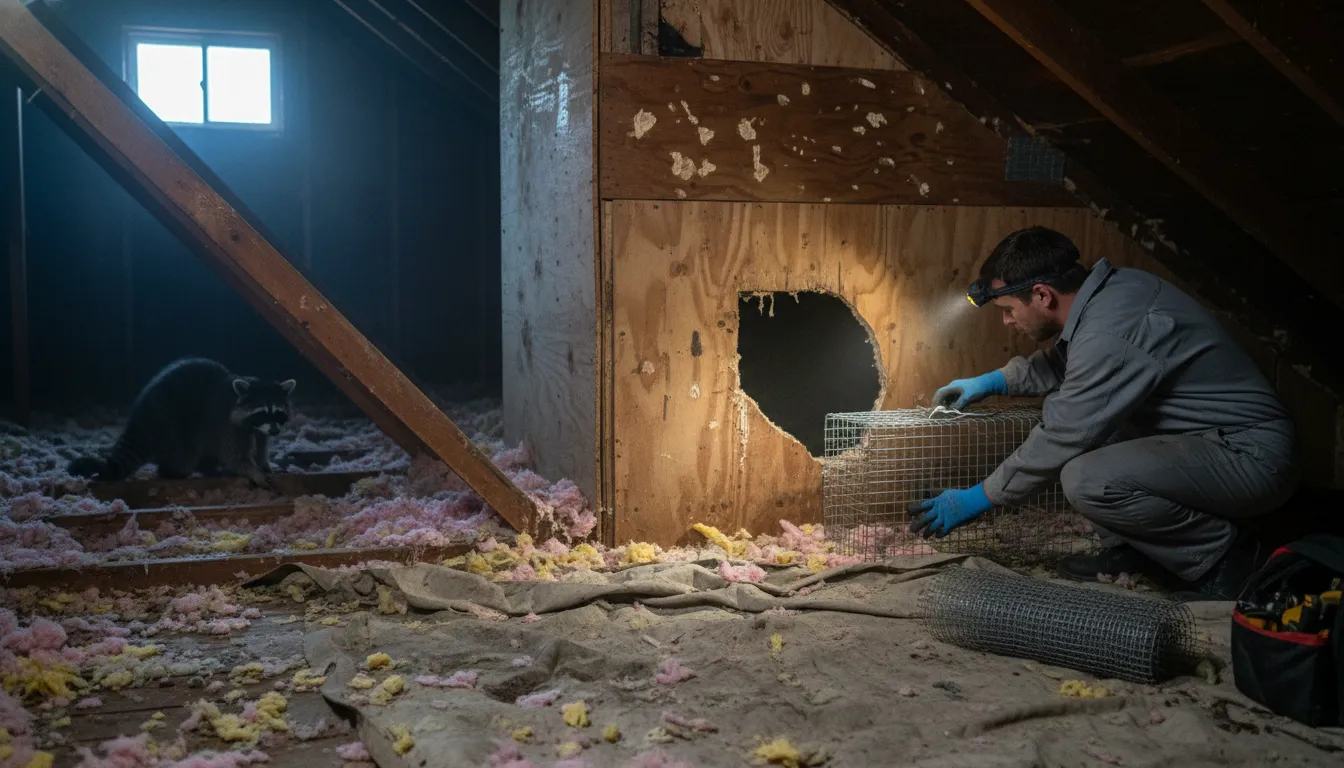
Living in Plainfield means sharing our beautiful community with a variety of native wildlife. While this can be a joy, it becomes a problem when animals like raccoons, squirrels, or bats decide your attic, chimney, or crawl space is their new home. Professional wildlife removal is the safe, legal, and humane process of evicting these unwanted guests and securing your property against future invasions. This resource is designed to help you understand your options, from preventative steps you can take to when it's essential to call in a licensed expert, ensuring your home is protected and local wildlife is handled responsibly.
Universal Pest Control
118 Locust St, Roselle, NJ 07203
Universal Pest Control is a family owned and operated pest control company serving Newark, NJ, and the surrounding Union County area. They offer a wide range of pest management services including cockroach, ant, termite, bee and wasp removal, as well as wildlife control. Their licensed and trained technicians use up-to-date methods to address pest infestations safely and effectively. With years of experience, Universal Pest Control provides free consultations and estimates to help customers find tailored solutions for their pest issues.
Recon Pest Control Inc
79 Escanaba Ave, Staten Island, NY 10308
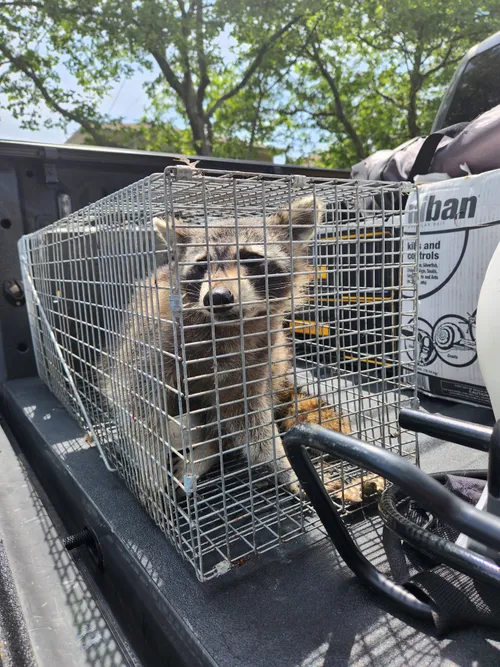
Recon Pest Control Inc is a family-owned pest control company based in Staten Island, serving New York, NY, and nearby New Jersey. They offer a wide range of pest management services including bed bug extermination, termite control, rodent removal, mosquito reduction, bee and wasp removal, and wildlife relocation. The company also provides specialized solutions like the SolaTrim Pest Abatement Barrier to protect solar panels from pigeons and rodents. Recon Pest Control partners with Dad and Daughters Home Inspection, LLC to offer comprehensive home inspections and related services.
800-Raccoon Pest & Wildlife Control
32-07 Astoria Blvd N, Astoria, NY 11102
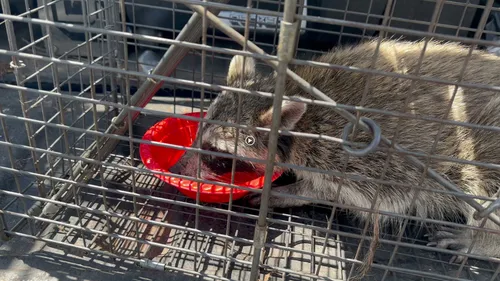
800-Raccoon Pest & Wildlife Control is a family-owned pest control company serving New York, NY, with over 45 years of experience. They offer comprehensive pest management services including rodent control, termite inspections, mosquito control, and humane wildlife removal for both residential and commercial properties. Their approach covers all aspects of pest prevention and treatment to protect homes and businesses effectively. The company emphasizes a thorough, multi-step process to ensure complete pest protection and peace of mind for their clients.
Uma Pest Control
200 W Milton Ave, Rahway, NJ 07065
Uma Pest Control offers a range of pest management services in New York, NY, including bed bug treatment, termite inspections, mosquito control, rodent removal, and bird control. They provide commercial, residential, and industrial pest control using green botanical products when preferred. Uma Pest Control is known for its one-day bed bug treatment that combines freeze, heat, and steam methods in a single visit, avoiding multiple follow-ups common with other providers. Their services also cover insect repellents, exclusion work, and wildlife removal for animals like bats and raccoons. The company operates from Rahway, NJ, and has been maintaining pest control services for several years.
Horizon Pest Control
45 Cross Ave, Midland Park, NJ 07432
Horizon Pest Control is a family-owned pest control company serving New York, NY, and New Jersey. Established in 1970, they provide residential and commercial pest management services including bed bug treatment, ant control, rodent removal, termite inspections, mosquito control, and wildlife removal. Their licensed technicians use advanced, EPA-approved products to ensure safe and effective pest control. Horizon Pest Control offers comprehensive protection plans covering over 40 common pests and guarantees follow-up service if pests return. They serve multiple counties in New Jersey and New York, including Bronx, Manhattan, Brooklyn, and Queens.
Understanding Nuisance Wildlife in Plainfield
The term "nuisance wildlife" refers to animals that cause property damage, pose health risks, or create unsafe conditions. In our area, common problem species include mammals like raccoons, opossums, squirrels (both gray and fox), skunks, and bats. You might also encounter coyotes, foxes, and birds such as pigeons, woodpeckers, and sparrows causing issues 1. It's important to remember that in Illinois, nearly all native wildlife is protected by law. This means you cannot legally trap, harm, or relocate most animals without specific authorization from the state.
The Illinois Department of Natural Resources (IDNR) is the governing body for all wildlife regulations. They require permits for the removal of most species, a process typically handled by licensed Nuisance Wildlife Control Operators (NWCOs). Attempting a DIY removal without understanding these laws can result in fines, harm to protected species, or unnecessary risk to your family and pets.
What You Can Do: Prevention and Exclusion
The most effective and least costly approach to wildlife control is to make your property less attractive to animals in the first place. This proactive strategy, often called exclusion or habitat modification, is something every homeowner can implement.
Secure Food Sources: Wildlife is primarily driven by the search for food and shelter. Secure your trash cans with tight-fitting lids or bungee cords. Clean grills after use, pick up fallen fruit from trees, and consider bringing pet food indoors overnight. Using squirrel-proof bird feeders or avoiding feeding birds altogether during peak nuisance seasons can significantly reduce rodent and squirrel activity around your home.
Seal Entry Points: Your home's exterior should be thoroughly inspected for potential entry points. Look for loose siding, gaps in soffits or fascia boards, broken vent covers, and openings where utility lines enter. Small holes can be sealed with high-quality caulk, while larger gaps should be covered with ¼-inch hardware cloth or welded wire mesh, secured firmly at all edges. To prevent digging animals like skunks or raccoons from accessing spaces under decks or sheds, bury fencing at least 12 inches deep and bend it outward to form an "L" shape.
Manage Your Landscape: Trim tree branches back at least 6-10 feet from your roofline to eliminate highways for squirrels and raccoons. Keep woodpiles elevated and away from the house, and clear dense brush where animals might hide or den 2.
When Professional Wildlife Control is Necessary
There are clear situations where DIY methods are insufficient, illegal, or unsafe. This is when hiring a licensed wildlife removal professional becomes essential.
Legal Compliance: As mentioned, state law mandates permits for trapping and removing most wildlife. Licensed NWCOs possess the required Class A permits and understand the complex regulations, such as which species can be live-trapped, the legal trapping seasons, and approved relocation distances (often over 40 miles) 3. They ensure the entire process is compliant, protecting you from liability.
Health and Safety Risks: Certain scenarios pose direct risks. If a bat is found in a living area like a bedroom, and there is any possibility of contact with sleeping individuals or pets, it is a potential rabies exposure incident. In this case, you should contact your local Animal Control or a professional immediately to safely capture the bat for testing 4. Similarly, any animal that appears sick, injured, or is behaving aggressively should not be approached; call a professional or Animal Control.
Established Infestations: Dealing with a single animal is one thing; managing a colony of bats in an attic or a family of raccoons in a chimney is another. Professionals have the tools, techniques, and protective gear to humanely remove entire groups, perform necessary clean-up of hazardous waste (like bat guano), and implement permanent exclusion solutions to prevent re-entry 5.
Find the perfect wildlife removal companies for your needs
Get personalized recommendations and expert advice
Local Regulations and the Permit Process
Navigating Illinois wildlife law is a critical part of the removal process. The Nuisance Animal Removal Permit (NARP) is a key tool. Landowners can apply for this permit directly from the IDNR for certain species, allowing them or someone they designate to remove the animal 6. However, the process has specific requirements regarding species, methods, and reporting.
It is illegal in Illinois to use poisons (rodenticides for mice and rats are a notable exception with strict rules), deadfalls, or certain traps like bird spikes or nets without authorization 7 8. The IDNR strictly prohibits the relocation of rabies-vector species (like raccoons, skunks, and foxes) to prevent the spread of disease 9. This is why the state's official guidance for persistent problems is to contact the IDNR or hire a licensed NWCO 10 11. For residents unsure of the rules, a call to the IDNR or Plainfield's non-emergency police line (which can connect you to Animal Control services) is always a recommended first step 12 13.
Understanding Wildlife Removal Costs in Plainfield
The cost for animal removal services varies greatly depending on the species, the extent of the infestation, the location of the animal within the structure, and the necessary repairs. It's important to view this as an investment in permanently solving the problem, not just a one-time trapping service.
For a common issue like squirrel removal in the Plainfield area, homeowners can expect an average cost ranging from $350 to $500, though complex jobs can range from approximately $124 on the very low end to $874 or more for extensive work 14. Bird removal costs are even more variable, from a few hundred dollars for dispersing nuisance birds to several thousand dollars for removing large colonies, installing exclusion netting, and conducting biohazard clean-up.
When obtaining estimates, ensure the professional provides a detailed plan that includes: inspection, humane removal, sealing of all entry points (the critical "exclusion" work), and any clean-up or sanitization. A reputable operator will also offer a warranty on their exclusion work.
Choosing a Qualified Wildlife Removal Service
Selecting the right professional is crucial. Always verify that the company is licensed by the State of Illinois as a Nuisance Wildlife Control Operator. They should carry proper insurance, including liability and worker's compensation. Ask about their methods: do they prioritize humane, live removal where legally allowed? Do they provide detailed exclusion services, or do they just trap and leave? Finally, check for local reviews and ask for references to gauge their reputation for effectiveness and customer service in the Plainfield community.
Frequently asked questions
Sources
Footnotes
-
Wildlife - Village of River Forest - https://www.vrf.us/guides/guide/13 ↩
-
Welcome to Living with Wildlife in Illinois How to Prevent Problems ... - https://www.chicago.gov/content/dam/city/depts/cacc/PDFiles/Welcome_to_Living_with_Wildlife_in_Illinois.pdf ↩
-
ADMINISTRATIVE CODE - Illinois General Assembly - https://www.ilga.gov/agencies/JCAR/EntirePart?titlepart=01700525 ↩
-
Controlling Nuisance Mammals in Illinois - Deerfield, IL - https://deerfield.il.us/DocumentCenter/View/518 ↩
-
Illinois Wildlife Control & Animal Removal Services - Critter Control - https://www.crittercontrol.com/office-finder/illinois/sw-illinois/ ↩
-
Request a Nuisance Animal Removal Permit - WILD - https://wild.wildlifeillinois.org/narp ↩
-
JUNE 29, 2020 17 ILL. ADM. CODE CH. I, SEC. 525 TITLE 17 - https://dnr.illinois.gov/content/dam/soi/en/web/dnr/adrules/documents/17-525.pdf ↩
-
How to Solve a Problem with Wildlife at Your Home: - Village of ... - https://www.villageofwinfield.com/DocumentCenter/View/8107/How-to-Solve-a-Problem-with-Wildlife-at-Your-Home?bidId= ↩
-
Wildlife - Village of River Forest - https://www.vrf.us/guides/guide/13 ↩
-
Remove Nuisance Wildlife - https://wildlifeillinois.org/remove-nuisance-wildlife/ ↩
-
FAQs • What should I do if a wild animal is on my property? - https://mcleancountyil.gov/FAQ.aspx?QID=116 ↩
-
Animal Control | Northbrook, IL - https://www.northbrook.il.us/821/Animal-Control ↩
-
management - https://deer.wildlifeillinois.org/management/control-damage/ ↩
-
Squirrel Removal in Plainfield, IL - Costs 12 / 2025 - Homeyou - https://www.homeyou.com/il/squirrel-removal-plainfield-costs ↩