Find the Best Wildlife Removal Companies for Your Business
No obligation • Fast responses • Nationwide coverage
Why you can trust Pest Crews
Pest Crews is a leading U.S. resource for finding and evaluating residential and commercial pest control services. Our team researches providers, reviews treatment approaches, and organizes unbiased information to help you make informed decisions. Companies cannot pay to change our editorial content or influence how they appear.
Search providers near you
Top Wildlife Removal Companies in Vineland, New Jersey Ranked
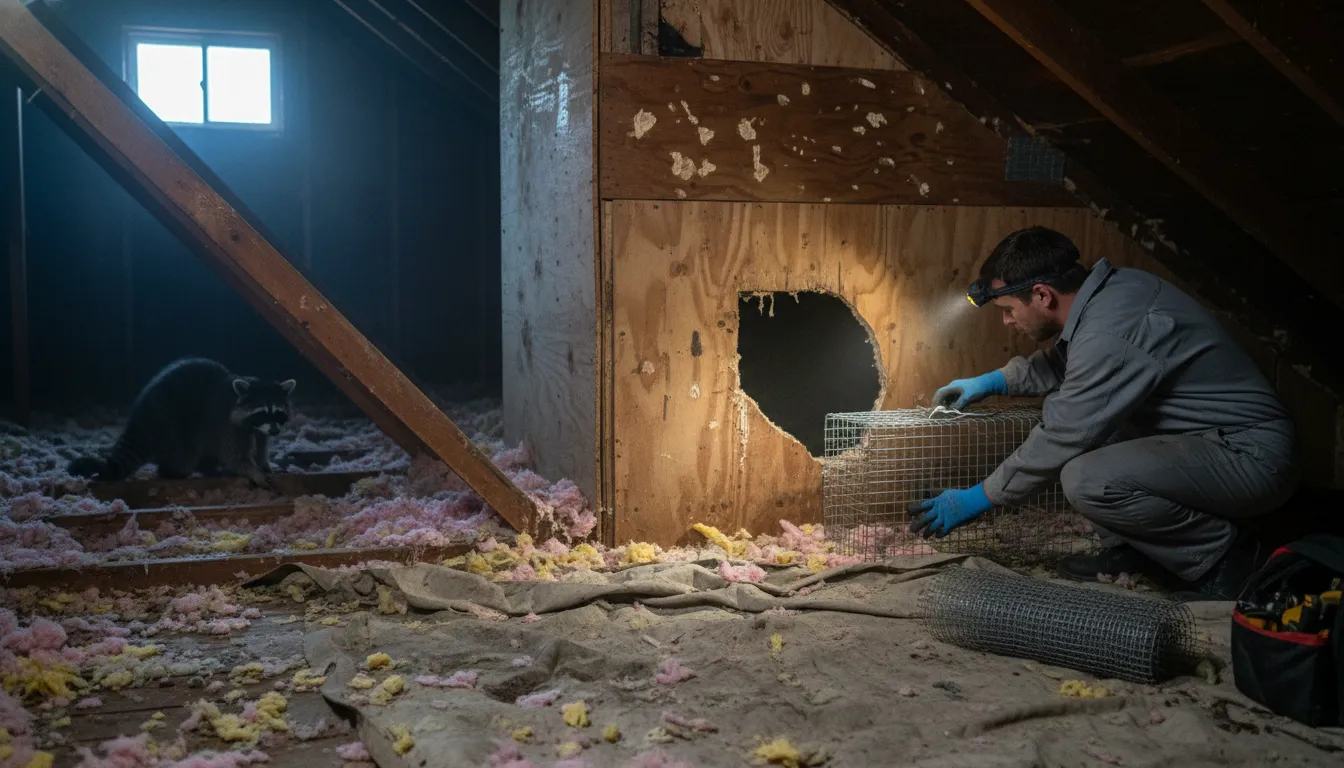
Discovering an uninvited animal in your attic, under your deck, or burrowing in your yard can be unsettling and damaging. Wildlife removal is the professional service dedicated to safely and humanely resolving conflicts with nuisance animals, protecting both your property and the animals involved. For Vineland residents, this means dealing with common local intruders like squirrels, raccoons, and groundhogs. This guide explains why professional animal control matters, outlines the specific challenges in our area, and helps you understand your options for finding qualified local experts to restore peace to your home.
Guardian Preventative Termite & Pest Control
111 Palmwood Ave, Cherry Hill Township, NJ 08003
Guardian Preventative Termite & Pest Control is a locally owned pest management company serving Philadelphia, PA, and Southern New Jersey. They offer a range of pest control services including termite inspections, ant control, wildlife removal, and general pest management for both residential and commercial properties. Guardian also provides structural damage repair related to termite and wood-destroying insect damage, along with additional services such as gutter cleaning and power washing. Their integrated pest management approach uses mechanical control measures to address pest problems effectively.
Catch a Critter
809 May Ave, Deptford, NJ 08096
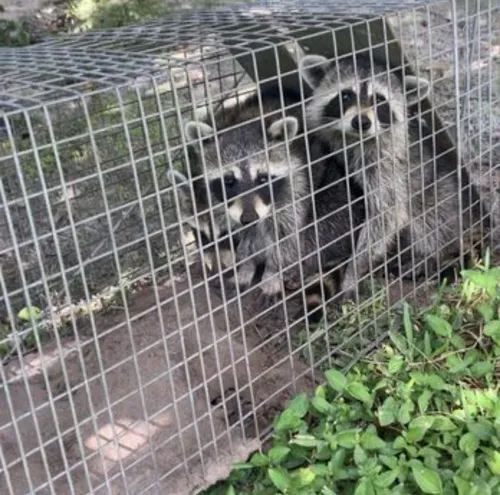
Catch a Critter is a wildlife removal and pest control company serving Philadelphia, PA. They specialize in humane removal and exclusion of various critters including squirrels, raccoons, bats, groundhogs, skunks, snakes, and birds. The team is experienced in setting traps, sealing entry points, and installing protective fencing to prevent future infestations. Known for thorough communication and careful handling of animals, Catch a Critter addresses both residential and yard wildlife issues. The company is recognized for its detailed approach to critter control and repair work following animal damage.
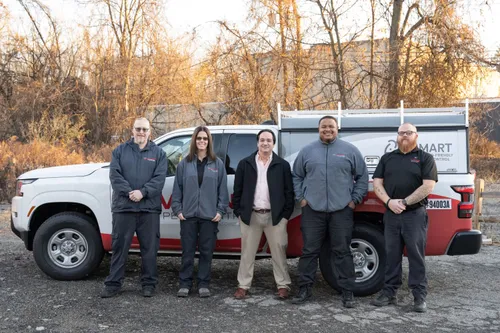
Viking Pest Control
270 Pinedge Dr, West Berlin, NJ 08091
Viking Pest Control serves Philadelphia, PA, and nearby areas with a wide range of pest management services. The company specializes in controlling common pests such as rodents, cockroaches, ants, termites, mosquitoes, bees, wasps, and pest birds. They offer tailored pest control solutions for both residential and commercial properties, including rodent extermination and tick treatment. With over 40 years of experience in the West Berlin and Camden County region, Viking Pest Control applies local expertise to address pest issues effectively.
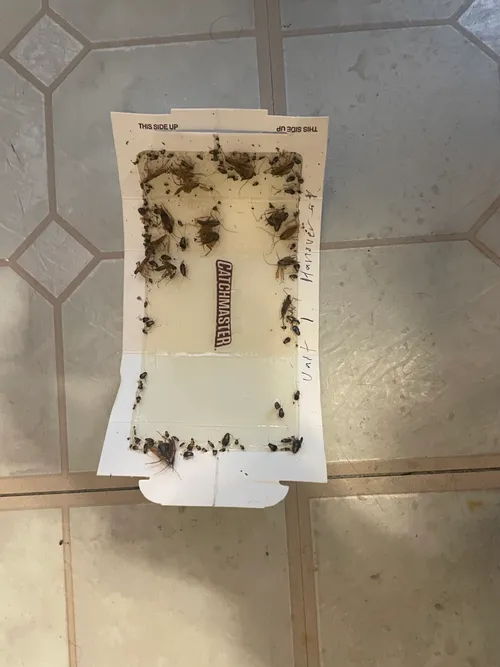
Flea Flicker Pest Control
Philadelphia, PA
Flea Flicker Pest Control is a family-owned and operated pest control company serving Philadelphia, PA, and the surrounding Burlington County area. With over seven years of experience, they offer a wide range of services including bed bug treatment, termite inspections, rodent control, mosquito management, and wildlife removal for both residential and commercial properties. They use professional-grade chemicals and can provide environmentally safe products upon request. Licensed in both New Jersey and Pennsylvania, Flea Flicker Pest Control is known for thorough inspections and effective pest elimination. Emergency services and free estimates are available.

Terminix
102 Browning Ln Bldg B, Cherry Hill Township, NJ 08003
Terminix is a pest control company serving Philadelphia, PA, and nearby areas with a range of services including bed bug treatment, cockroach and ant control, rodent removal, termite inspections, and wildlife management. Their Cherry Hill branch offers tailored pest control plans that protect homes from common pests and provide ongoing protection through regular treatments. Terminix specializes in termite control with continuous protection systems and guarantees addressing termite damage. The company leverages local knowledge and a nationwide network to address seasonal pest challenges effectively.
Common Nuisance Wildlife in Vineland
The diverse habitats around Vineland attract a variety of wildlife, some of which can become problematic when they seek food and shelter in our homes and yards. Knowing which animals you're likely to encounter is the first step in addressing the issue.
- Squirrels: These agile climbers often enter attics and chimneys, especially in spring and fall, to build nests. They can chew on wiring, insulation, and structural wood, creating fire hazards and costly damage 1.
- Raccoons: Intelligent and dexterous, raccoons are notorious for rummaging through garbage and gaining access to attics, chimneys, and crawl spaces. They pose a significant health risk as primary carriers of rabies in New Jersey, making professional handling essential.
- Groundhogs (Woodchucks): Their extensive burrowing can undermine foundations, decks, and sheds, and create tripping hazards in lawns. A single groundhog burrow can be extensive, causing significant structural and landscaping damage.
- Other Frequent Visitors: Homeowners may also encounter opossums, skunks, foxes, and occasionally coyotes. Bats and birds like starlings or pigeons can also become nuisances by roosting in vents or eaves.
Why Professional Wildlife Control is Essential
Attempting to handle a wildlife problem on your own can be ineffective, dangerous, and even illegal for certain protected species. Professional Nuisance Wildlife Control Operators (NWCOs) are trained and licensed to manage these situations correctly.
Safety and Health Risks: Direct contact with wildlife, particularly raccoons, bats, and skunks, carries risks of disease transmission, including rabies, histoplasmosis (from bat guano), and leptospirosis. Professionals have the protective gear and protocols to mitigate these risks.
Humane and Legal Compliance: New Jersey has regulations governing the trapping and relocation of wildlife. Professionals understand these laws, including the state's policy on the relocation of certain species, ensuring methods are both humane and legal. They avoid inhumane practices and know when to contact the NJ Department of Environmental Protection for guidance on endangered species.
Solving the Root Cause: Simply trapping and removing an animal is often a temporary fix if the entry point remains. A key part of professional wildlife exclusion is identifying and sealing all potential access points and providing repairs to damage, preventing future invasions.
Avoiding Common Mistakes: Well-intentioned homeowners often make errors that prolong the problem. Using poison for rodents, for example, can lead to animals dying in inaccessible wall voids, creating severe odor issues. Attempting to trap a mother animal without her young can lead to orphaned babies causing further problems inside the structure 2.
What to Do: Steps for Vineland Homeowners
When you suspect a wildlife issue, a systematic approach will lead to the best outcome.
1. Initial Assessment and Prevention: Before calling for help, you can safely observe from a distance. Note the type of animal, its entry and exit points, and the time of day it's active. Simultaneously, implement immediate preventive measures:
- Secure Food Sources: Use animal-proof trash cans with locking lids, clean up fallen fruit from trees, and keep compost bins securely covered.
- Seal Entry Points: Conduct a visual inspection of your home's exterior. Look for gaps in the foundation, loose siding, damaged roof vents, or openings where utility lines enter. Use sturdy materials like hardware cloth or steel wool for temporary blocks until permanent repairs can be made.
2. Contact the Right Professional: For active infestations or animals inside the living structure, it's time to call for help.
- Nuisance Wildlife Control Operator (NWCO): This is your primary contact for trapping, removal, exclusion repairs, and cleanup services. These licensed private specialists handle everything from squirrel removal in the attic to groundhog trapping in the yard.
- Understanding Local Animal Control: Vineland's municipal animal control officers primarily focus on domestic animals like stray dogs and cats. For wildlife issues, they typically refer residents to private NWCO services 3. It's helpful to know this so you can contact the appropriate service directly.
- New Jersey Department of Environmental Protection (NJDEP): Contact state wildlife officials for questions about endangered species, migratory birds, or general guidance on wildlife conflicts 4.
Find the perfect wildlife removal companies for your needs
Get personalized recommendations and expert advice
The Professional Wildlife Removal Process
A reputable wildlife control service in Vineland will follow a comprehensive process to ensure a lasting solution.
- Inspection and Assessment: The technician will perform a thorough inspection of your property, inside and out, to identify the animal species, locate all entry points, and assess the extent of damage and contamination.
- Humane Trapping and Removal: Using species-appropriate, humane traps, the professional will capture the animal(s). The timing is critical, especially when dealing with mothers and young to avoid orphaning. Removal follows all NJ state guidelines 5 6.
- Exclusion and Repair: This is the most crucial step for long-term prevention. The technician will seal all identified entry points with durable materials like steel flashing, hardware cloth, or specialized chimney caps. They may also repair damage caused by the animals, such as chewed siding or torn vent screens.
- Cleanup and Sanitation: Wildlife leaves behind droppings, urine, nesting materials, and food debris that can pose health risks and attract insects. Professionals offer biohazard cleanup and decontamination services, including attic insulation removal and replacement, and odor neutralization.
- Follow-up and Monitoring: A good service may schedule a follow-up visit to ensure the exclusion is holding and that no new animals have found a way in.
Understanding Costs for Wildlife Control
The cost for animal removal and exclusion in Vineland is not a flat fee; it varies significantly based on the job's complexity. Homeowners should expect pricing to reflect the full scope of services required 7.
- Service Factors: Costs are influenced by the type and number of animals, the location of the infestation (e.g., an attic vs. a crawl space), the extent of damage, and the materials needed for repairs and exclusion 8.
- Typical Cost Components: A final price often includes fees for the initial inspection, the trapping and removal service, labor and materials for exclusion work (sealing entry points), and any necessary cleanup or deodorizing 9 10 11.
- Getting an Estimate: Always request a detailed, written estimate that breaks down these components. A reputable provider will explain what each part of the service entails, ensuring you understand what you're paying for.
Proactive Property Management
Beyond addressing an active problem, long-term property management can make your home less attractive to wildlife.
- Habitat Modification: Keep your yard tidy. Remove wood piles, dense brush, and leaf litter close to the house where animals can hide. Trim tree branches that overhang or touch your roof to limit access for squirrels and raccoons.
- Structural Maintenance: Regularly inspect your home's exterior. Repair loose shingles or siding, ensure soffit and fascia boards are secure, and install chimney caps and vent covers designed to resist animal entry 12.
- Non-Lethal Deterrents: For certain situations, like deterring birds or bats, professionals may install exclusion devices like one-way doors or use repellents in specific, targeted ways. These are usually part of a broader exclusion strategy 13.