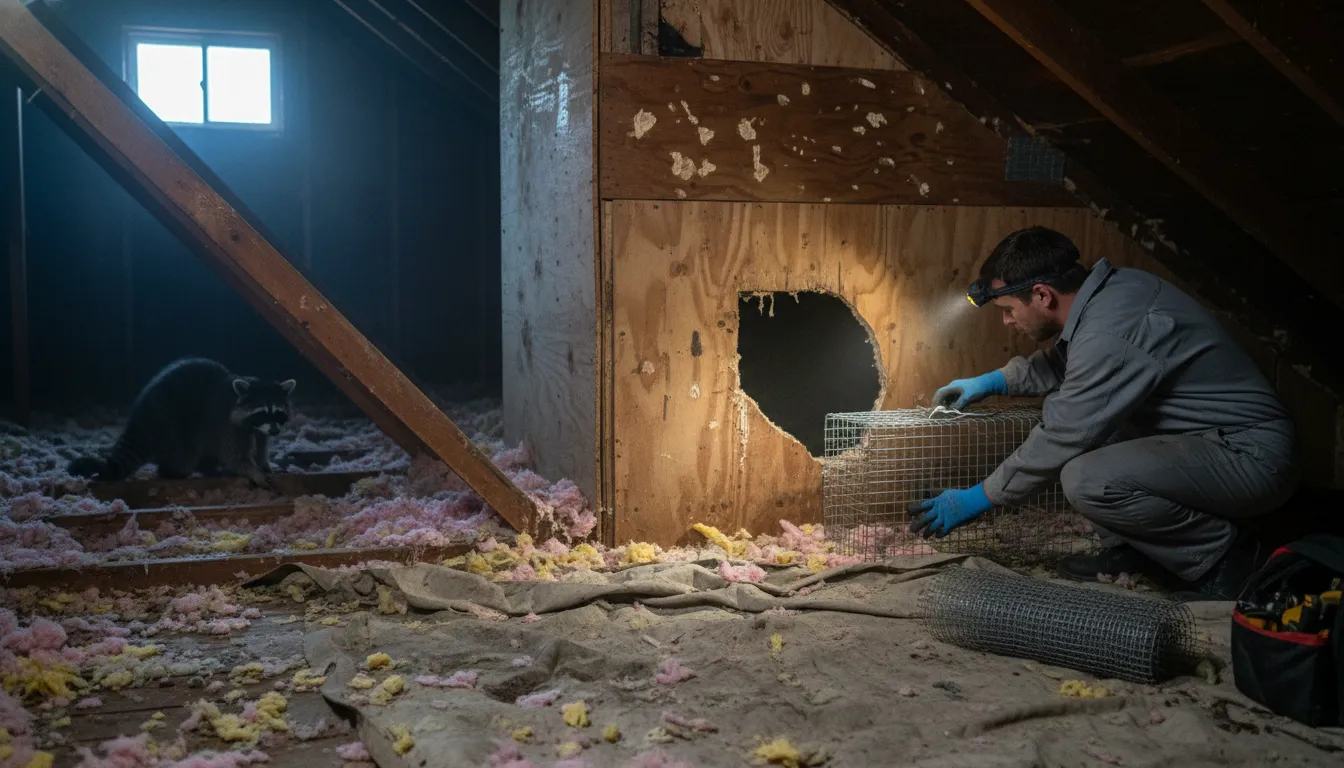
Find the Best Wildlife Removal Companies for Your Business
No obligation • Fast responses • Nationwide coverage

Why you can trust Pest Crews
Pest Crews is a leading U.S. resource for finding and evaluating residential and commercial pest control services. Our team researches providers, reviews treatment approaches, and organizes unbiased information to help you make informed decisions. Companies cannot pay to change our editorial content or influence how they appear.
Search providers near you
Top Wildlife Removal Companies in West New York, New Jersey Ranked
Discovering an uninvited animal in your attic or under your deck can be unsettling. Wildlife removal is the professional service dedicated to safely and legally resolving conflicts with nuisance animals on your property. It matters because improper handling can be dangerous, ineffective, or even illegal under New Jersey's specific regulations. This resource helps you understand your options, from do-it-yourself prevention to finding a licensed local expert for humane animal control and exclusion.
Universal Pest Control
118 Locust St, Roselle, NJ 07203
Universal Pest Control is a family owned and operated pest control company serving Newark, NJ, and the surrounding Union County area. They offer a wide range of pest management services including cockroach, ant, termite, bee and wasp removal, as well as wildlife control. Their licensed and trained technicians use up-to-date methods to address pest infestations safely and effectively. With years of experience, Universal Pest Control provides free consultations and estimates to help customers find tailored solutions for their pest issues.
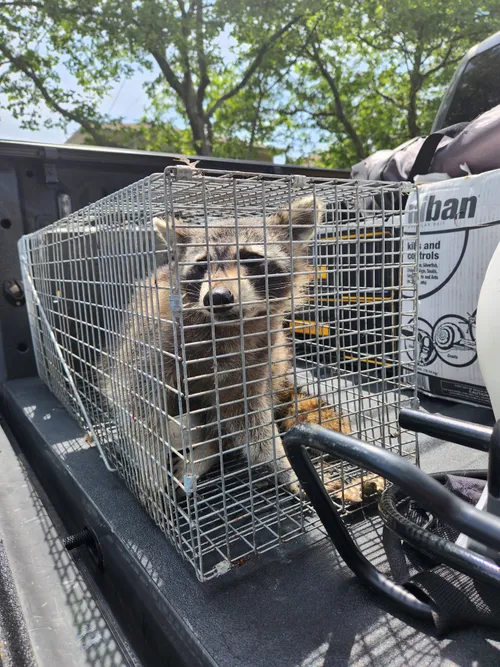
Recon Pest Control Inc
79 Escanaba Ave, Staten Island, NY 10308
Recon Pest Control Inc is a family-owned pest control company based in Staten Island, serving New York, NY, and nearby New Jersey. They offer a wide range of pest management services including bed bug extermination, termite control, rodent removal, mosquito reduction, bee and wasp removal, and wildlife relocation. The company also provides specialized solutions like the SolaTrim Pest Abatement Barrier to protect solar panels from pigeons and rodents. Recon Pest Control partners with Dad and Daughters Home Inspection, LLC to offer comprehensive home inspections and related services.
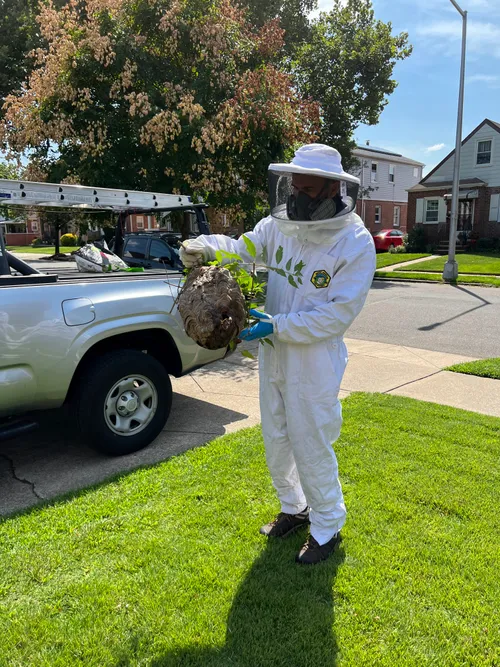
GoSafe Pest Control LLC
264-07 Langston Ave unit B, Glen Oaks, NY 11004
GoSafe Pest Control LLC is a locally owned pest control company serving New York, NY. They provide a range of pest management services including bed bug treatment, cockroach and ant control, rodent control, termite inspections, mosquito control, bee and wasp removal, bird and pigeon control, and wildlife removal. The company offers eco-friendly solutions tailored to client schedules, with options for weekly to seasonal visits.
800-Raccoon Pest & Wildlife Control
32-07 Astoria Blvd N, Astoria, NY 11102
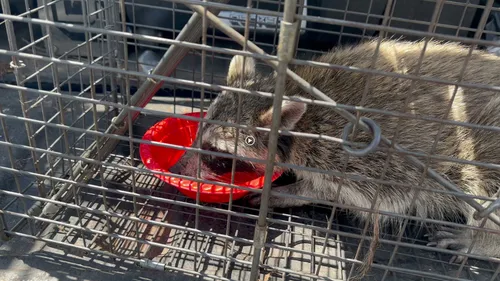
800-Raccoon Pest & Wildlife Control is a family-owned pest control company serving New York, NY, with over 45 years of experience. They offer comprehensive pest management services including rodent control, termite inspections, mosquito control, and humane wildlife removal for both residential and commercial properties. Their approach covers all aspects of pest prevention and treatment to protect homes and businesses effectively. The company emphasizes a thorough, multi-step process to ensure complete pest protection and peace of mind for their clients.
Uma Pest Control
200 W Milton Ave, Rahway, NJ 07065
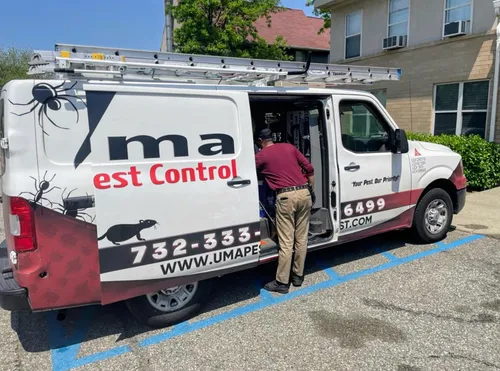
Uma Pest Control offers a range of pest management services in New York, NY, including bed bug treatment, termite inspections, mosquito control, rodent removal, and bird control. They provide commercial, residential, and industrial pest control using green botanical products when preferred. Uma Pest Control is known for its one-day bed bug treatment that combines freeze, heat, and steam methods in a single visit, avoiding multiple follow-ups common with other providers. Their services also cover insect repellents, exclusion work, and wildlife removal for animals like bats and raccoons. The company operates from Rahway, NJ, and has been maintaining pest control services for several years.
Common Nuisance Wildlife in West New York
The urban and suburban landscape of West New York provides ample habitat for several adaptable mammal and bird species. Knowing which animal you're dealing with is the first step toward an effective solution.
- Raccoons: These intelligent, dexterous animals are notorious for raiding trash cans and gaining access to attics or chimneys in search of denning sites. They can cause significant damage and pose a health risk.
- Squirrels: Often heard scurrying in walls or attics, squirrels chew on wood, wires, and insulation, creating fire hazards and structural damage. They frequently enter through gaps in rooflines or unscreened vents.
- Skunks & Opossums: Typically found under decks, sheds, or porches, these animals are attracted to accessible food sources like pet food or unsecured garbage. While generally less destructive, they can create odor problems and dig up lawns.
- Rats and Mice: These rodents are a year-round concern, seeking shelter and food inside structures. They contaminate areas with droppings and gnaw on various materials.
- Birds: Species like starlings, pigeons, and woodpeckers can nest in vents or on ledges, clogging systems with debris and creating noise. It's important to note that all native birds, their eggs, and nests are protected by federal law, and their removal often requires special permits.
What You Can Do: DIY Prevention and Deterrence
Before an animal moves in, or in mild cases, homeowners can take several effective steps to make their property less attractive to wildlife. The core principles are exclusion and attractant removal.
Remove Food, Water, and Shelter:
- Secure garbage in cans with tight-fitting, locking lids.
- Never leave pet food outdoors overnight.
- Manage compost piles carefully; use enclosed bins.
- Clean up fallen fruit from trees and birdseed from feeders.
- Trim tree branches that overhang your roof to limit access for squirrels and raccoons.
Seal Entry Points (Exclusion):
- Conduct a thorough inspection of your home's exterior. Look for gaps in siding, loose roof vents, uncapped chimneys, and openings where utility lines enter.
- Seal potential entry holes with sturdy materials like hardware cloth, steel wool, or metal flashing. Avoid using materials like wood or plastic, which animals can easily chew through.
- Install chimney caps and vent screens to block access to these common entryways.
Use Deterrents:
- For birds or bats, visual deterrents like reflective tape or predator decoys can sometimes be effective.
- Motion-activated lights or sprinklers may startle animals away from a specific area.
- Commercially available repellents may offer temporary relief for some species, but their effectiveness varies widely.
When to Call a Professional Wildlife Control Operator
While DIY methods are excellent for prevention, there are clear situations where professional intervention is necessary, safer, and more legally sound.
- The Animal is Inside Your Living Space: If a raccoon, squirrel, or bat is in your attic, walls, or basement, removal often requires specialized tools and techniques.
- DIY Methods Have Failed: If the animal persists despite your efforts, a professional can assess why and implement a more robust solution.
- Dealing with Protected Species: Bats and many birds are protected by law. A licensed Wildlife Control Operator (WCO) knows the regulations and can obtain the necessary permits for humane removal.
- Trapping and Relocation is Needed: In New Jersey, trapping and relocating wildlife is highly discouraged and often illegal without specific permits. Professionals focus on humane trapping followed by on-site release or, when legal and appropriate, euthanasia, not relocation to new areas.
- You Need Guaranteed Exclusion: A professional doesn't just remove the animal; they find and permanently seal all potential entry points to prevent future problems.
Find the perfect wildlife removal companies for your needs
Get personalized recommendations and expert advice
Understanding Costs for Wildlife Control Services
The cost for professional animal removal in West New York varies based on the species, the extent of the infestation, and the repairs needed. Most companies offer free or low-cost inspections to provide a detailed estimate. Here's a general breakdown of what you might expect 1 2 3:
- Initial Inspection & Assessment: Typically ranges from $100 to $300. This fee covers a thorough property inspection to identify entry points, assess the species involved, and develop a removal and exclusion plan.
- Trapping & Removal Services: Costs between $200 to $500+ per animal or visit. This is for the active trapping and removal of animals like raccoons or squirrels from an attic or wall void.
- Exclusion & Repair Work: This is a critical, lasting part of the solution. Sealing entry points, installing chimney caps, and repairing damage can range from $200 to over $1,000, depending on the scope.
- Complete Service Package: A full service-including inspection, humane removal, cleanup, decontamination (if needed), and permanent exclusion-often represents the best long-term value. These comprehensive solutions typically range from $500 to $1,500 or more.
Wildlife Removal vs. Animal Control: Who to Call
It's crucial to understand the different roles to avoid frustration when seeking help.
- Licensed Wildlife Control Operators (WCOs) are private, state-licensed professionals specifically trained to handle nuisance wildlife conflicts. They are your primary resource for removing animals from your home or property, performing exclusions, and providing damage repairs.
- Municipal Animal Control agencies typically do not handle nuisance wildlife 4. Their mandate usually focuses on domestic animals-handling lost pets, enforcing leash laws, and addressing dangerous dogs. You should contact your local police or animal control only for immediate public safety threats, such as an aggressive coyote in a schoolyard, or for visibly sick or severely injured wild animals that need rescue.
New Jersey Regulations for Nuisance Wildlife
New Jersey has specific rules governing how property owners can address wildlife conflicts. Key points include 5 6 7:
- Legal Control: Property owners can take action to control damage caused by common species like squirrels, raccoons, skunks, opossums, woodchucks, and coyotes.
- Relocation is Discouraged: The NJ Department of Environmental Protection strongly advises against relocating trapped wildlife. Relocated animals often struggle to survive, can spread disease, and simply transfer the problem to another community. The preferred method is on-site habitat modification (exclusion).
- Permits are Required: For certain species, especially bats and some birds, a special permit from the state or federal government is required before any removal can take place. A licensed WCO will manage this process.
Finding Qualified Help in West New York
When searching for assistance, look for a licensed Wildlife Control Operator (WCO) or a pest management company that specializes in nuisance wildlife control. Verify their licensing and ask about their methods, guarantees on exclusion work, and their approach to humane handling. Choosing a local expert familiar with West New York's specific animal populations and housing structures will ensure the most effective and compliant service 8.
Frequently asked questions
Sources
Footnotes
-
New Jersey Chapter of NWCOA - https://njnwcoa.com/members/NJ_Nuisance_Wildlife_Regulations.pdf ↩
-
Animal Control New York & New Jersey LLC - https://wildlifehelp.org/pro/animal-control-new-york-new-jersey-llc ↩
-
How Much Does Animal & Wildlife Removal Cost? (2025) - https://homeguide.com/costs/animal-and-wildlife-removal-costs ↩
-
Nuisance Wildlife | South Orange Village, NJ - https://www.southorange.org/530/Nuisance-Wildlife ↩
-
NJ Wildlife Relocation Policy - NJ.gov - https://www.nj.gov/dep/fgw/pdf/relocation_policy.pdf ↩
-
I have nuisance wildlife in my home/yard. What should I do? - https://www.ewingnj.org/documents/files/file/Health/Animal%20Control/Nuisance%20wildlife.pdf ↩
-
Nuisance Wildlife Control Operator - NYSDEC - https://dec.ny.gov/regulatory/permits-licenses/fish-wildlife-plant/special-licenses/nuisance-wildlife-control ↩
-
Nuisance Wildlife Control Services - https://4njpest.com/nuisance-wildlife-control/ ↩