Find the Best Wildlife Removal Companies for Your Business
No obligation • Fast responses • Nationwide coverage

Why you can trust Pest Crews
Pest Crews is a leading U.S. resource for finding and evaluating residential and commercial pest control services. Our team researches providers, reviews treatment approaches, and organizes unbiased information to help you make informed decisions. Companies cannot pay to change our editorial content or influence how they appear.
Search providers near you
Top Wildlife Removal Companies in Woodbridge, New Jersey Ranked
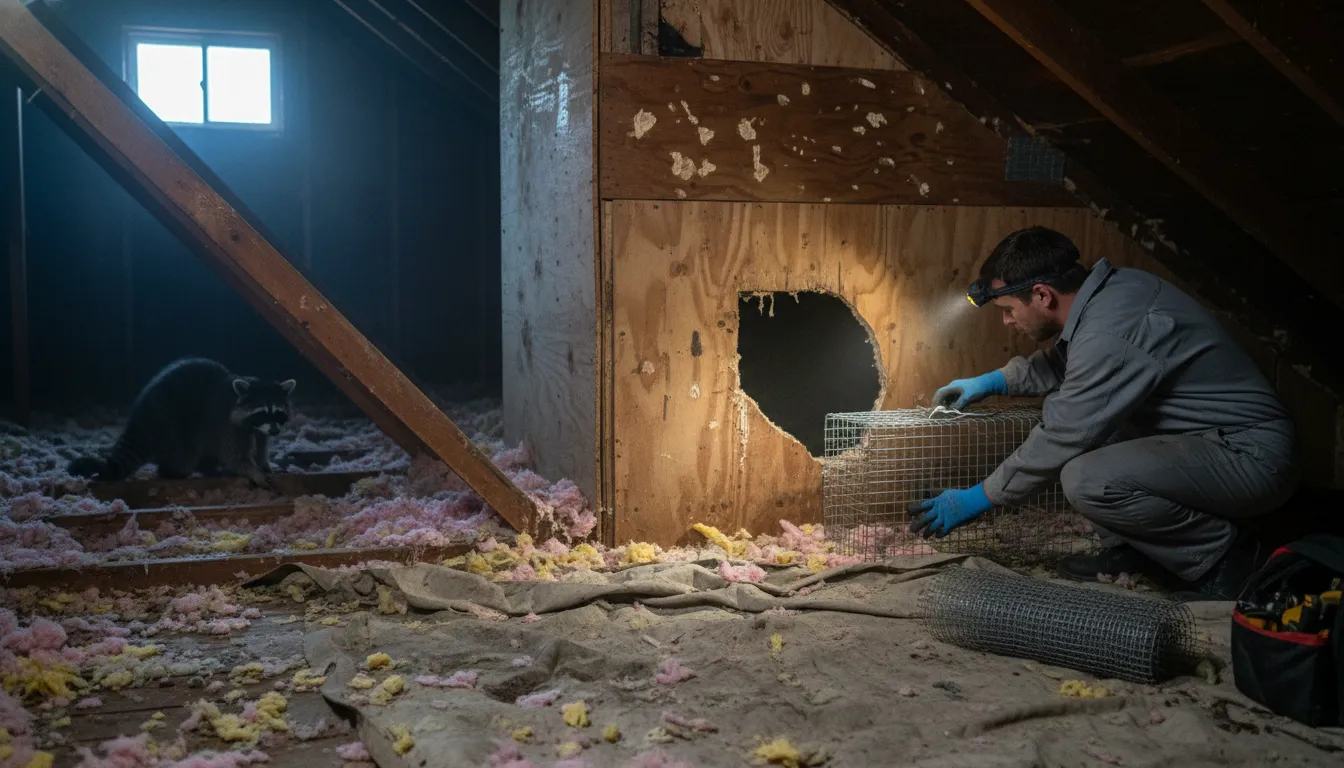
Discovering an uninvited animal in your home or yard can be unsettling. Wildlife removal is the professional service dedicated to safely and humanely resolving conflicts with nuisance animals, protecting your property and family from damage and health risks. This resource helps you understand the common wildlife issues in Woodbridge, the steps you can take, and how to find qualified local experts for effective animal control and exclusion.
Universal Pest Control
118 Locust St, Roselle, NJ 07203
Universal Pest Control is a family owned and operated pest control company serving Newark, NJ, and the surrounding Union County area. They offer a wide range of pest management services including cockroach, ant, termite, bee and wasp removal, as well as wildlife control. Their licensed and trained technicians use up-to-date methods to address pest infestations safely and effectively. With years of experience, Universal Pest Control provides free consultations and estimates to help customers find tailored solutions for their pest issues.
Recon Pest Control Inc
79 Escanaba Ave, Staten Island, NY 10308
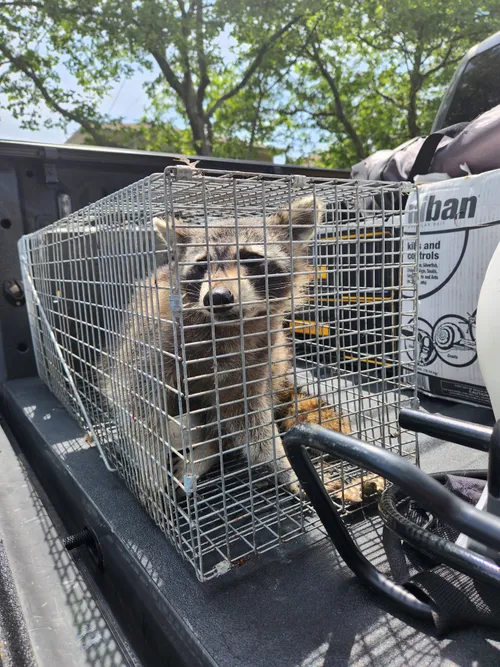
Recon Pest Control Inc is a family-owned pest control company based in Staten Island, serving New York, NY, and nearby New Jersey. They offer a wide range of pest management services including bed bug extermination, termite control, rodent removal, mosquito reduction, bee and wasp removal, and wildlife relocation. The company also provides specialized solutions like the SolaTrim Pest Abatement Barrier to protect solar panels from pigeons and rodents. Recon Pest Control partners with Dad and Daughters Home Inspection, LLC to offer comprehensive home inspections and related services.
800-Raccoon Pest & Wildlife Control
32-07 Astoria Blvd N, Astoria, NY 11102
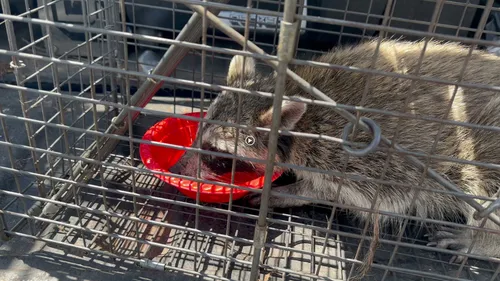
800-Raccoon Pest & Wildlife Control is a family-owned pest control company serving New York, NY, with over 45 years of experience. They offer comprehensive pest management services including rodent control, termite inspections, mosquito control, and humane wildlife removal for both residential and commercial properties. Their approach covers all aspects of pest prevention and treatment to protect homes and businesses effectively. The company emphasizes a thorough, multi-step process to ensure complete pest protection and peace of mind for their clients.
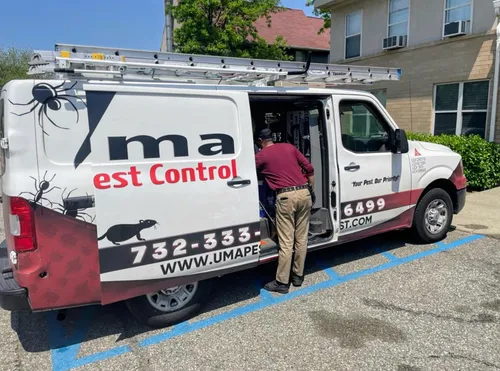
Uma Pest Control
200 W Milton Ave, Rahway, NJ 07065
Uma Pest Control offers a range of pest management services in New York, NY, including bed bug treatment, termite inspections, mosquito control, rodent removal, and bird control. They provide commercial, residential, and industrial pest control using green botanical products when preferred. Uma Pest Control is known for its one-day bed bug treatment that combines freeze, heat, and steam methods in a single visit, avoiding multiple follow-ups common with other providers. Their services also cover insect repellents, exclusion work, and wildlife removal for animals like bats and raccoons. The company operates from Rahway, NJ, and has been maintaining pest control services for several years.
Excel Pest Services
1020 Teaneck Rd, Teaneck, NJ 07666
Excel Pest Services is a pest control company based near New York, NY, specializing in comprehensive pest management for both residential and commercial clients in Bergen County. With over 30 years of experience, they address common local pests including ants, rodents, termites, bed bugs, mosquitoes, and wildlife. Their termite control includes thorough inspections and tailored treatments such as liquid barriers and bait stations. Rodent control involves detailed inspections, sealing entry points, and strategic trapping or baiting. Bed bug services feature thorough inspections and treatments targeting all life stages, with follow-up visits to ensure effectiveness. They use eco-friendly methods and integrated pest management strategies to provide long-term protection.
Common Nuisance Wildlife in Woodbridge
Woodbridge's mix of residential neighborhoods, parks, and proximity to natural areas makes it a haven for various wildlife species that can become problematic when they enter human spaces. Knowing which animals are most likely to cause issues is the first step in addressing a problem.
- Squirrels: These agile climbers are frequent invaders, often entering attics, soffits, and wall voids to nest. Their constant gnawing can damage electrical wiring, insulation, and structural wood.
- Raccoons: Intelligent and dexterous, raccoons are notorious for tipping over trash cans and tearing through roof vents or weak spots to access attics. They can create large messes and pose a risk of transmitting diseases like rabies.
- Skunks & Groundhogs: These animals are typically ground-level nuisances. Skunks may dig under decks or sheds to den, while groundhogs (also called woodchucks) can undermine foundations, sheds, and gardens with their extensive burrowing.
- Bats: A colony of bats in an attic or chimney is a serious concern. While beneficial for insect control, their droppings (guano) can create significant odor issues and health hazards, and they are a known rabies vector species.
- Birds: Birds like starlings, sparrows, or pigeons often nest in vents, chimneys, and eaves. Their nests can block ventilation systems, creating fire hazards, and their droppings can corrode building materials and spread parasites 1.
When to Call a Professional vs. Animal Control
It's crucial to know which agency or service to contact, as their roles are distinct. Confusing the two can lead to delays in resolving your situation.
Call Woodbridge Township Animal Control in specific, urgent scenarios. Their primary duty is public safety. You should contact them directly if an animal is:
- Aggressive, attacking, or showing clear signs of rabies (e.g., stumbling, drooling, extreme lethargy, or no fear of humans).
- Trapped inside the main living areas of your home (like a bedroom or kitchen). An exception is bats, which require a specific protocol due to rabies risks 2 3.
- Injured or orphaned on public property.
For all other nuisance wildlife situations, you need a licensed wildlife removal professional. This includes:
- An animal living in your attic, walls, chimney, or under a deck.
- Ongoing issues like repeated raccoon intrusions or a squirrel infestation.
- The need to seal entry points (exclusion) to prevent future problems.
- Removal of animals that may spread disease through their feces or urine, requiring safe cleanup and sanitization 4.
Effective Prevention: Steps You Can Take
Before wildlife becomes a problem, proactive property management is your best defense. These strategies focus on making your home less attractive and accessible to animals.
- Remove Attractants: Securely fasten trash can lids with bungee cords, clean up fallen fruit or nuts from trees, and keep compost bins covered. Pet food should never be left outdoors overnight.
- Modify Habitat: Trim tree branches back at least 6-8 feet from your roofline to eliminate highways for squirrels and raccoons. Remove piles of wood, debris, or thick brush near your home's foundation where animals can hide or den.
- Seal Entry Points (Exclusion): Conduct a thorough inspection of your home's exterior. Seal any gaps, cracks, or openings in the foundation, siding, and roof vents with sturdy materials like hardware cloth or steel flashing. Remember, a mouse can fit through a hole the size of a dime, and raccoons can exploit surprisingly small weak spots.
- Install Deterrents: Use chimney caps, vent covers, and mesh guards over potential entry points. These exclusion devices allow your home to breathe while keeping wildlife out.
Find the perfect wildlife removal companies for your needs
Get personalized recommendations and expert advice
Understanding the Wildlife Removal Process
Professional wildlife control is a multi-step process focused on humane removal and permanent exclusion, not just trapping.
- Inspection: A thorough professional will inspect your property inside and out to identify all active entry points, travel routes, and the species involved.
- Humane Removal: Professionals use a variety of species-specific techniques. This may involve live trapping, one-way exclusion doors that let animals out but not back in, or hands-on removal, all in compliance with New Jersey state regulations 5.
- Exclusion & Repair: This is the most critical step. Once animals are removed, all identified entry points are permanently sealed with durable materials to prevent re-entry. Without this, new animals will simply move into the now-vacant space.
- Cleanup & Sanitization: Professionals can safely remove contaminated insulation, droppings, and nesting materials. They then apply industrial-grade enzymatic cleaners and disinfectants to eliminate odors and disease pathogens, restoring the area to a safe condition.
New Jersey Regulations and Relocation Policies
New Jersey has specific laws governing wildlife management that both homeowners and professionals must follow. Property owners are legally permitted to control damage from nuisance species like squirrels, raccoons, and skunks 6 7. However, the state's Wildlife Relocation Policy imposes strict rules on trapped animals 6 7:
- Animals cannot be relocated to new areas far from their capture site without a permit, as this can spread disease and disrupt existing animal populations.
- Before relocating any adult animal, the trapper must make a diligent search for dependent young. If young are found, they must be relocated with the adult or delivered to a licensed wildlife rehabilitator.
- It is prohibited to feed or harbor wildlife in a way that creates a nuisance for neighbors 8.
These regulations underscore why professional expertise is valuable; they ensure the process is lawful, ethical, and effective.
What Determines the Cost of Wildlife Removal?
The cost for wildlife control services in Woodbridge is not a flat fee. It varies based on the complexity of the job. Key factors include:
- The Species: Removing a single opossum from a garage is typically less involved than evicting a colony of bats from an attic, which requires specialized equipment and safety protocols 9.
- The Extent of Infestation: A single animal versus a family group with young will impact the time and resources required.
- Services Needed: A simple dead animal removal is on the lower end of the cost spectrum. A comprehensive service package-including full inspection, humane removal, permanent exclusion repairs, and attic cleanup/sanitization-represents a more significant investment that solves the problem long-term 10 11 12.
- Access Difficulty: Work on high roofs, in tight crawl spaces, or involving complex repairs will influence the final price.
Frequently asked questions
Sources
Footnotes
-
List Of Nuisance Animals And Their Wildlife Management - https://4njpest.com/list-of-nuisance-animals-and-their-wildlife-management/ ↩
-
Animal Control Office | Woodbridge Township, NJ - https://www.twp.woodbridge.nj.us/495/Animal-Control-Office ↩
-
Veterinary Public Health | Animal Control - NJ.gov - https://www.nj.gov/health/vph/animal-control ↩
-
Municipal Animal Control in NJ-Best Practices - http://www.njcacoa.org/Municipal_Animal_Control_in_NJ_Best_Practices.html ↩
-
New Jersey Wildlife Control & Animal Removal Business - https://pro-animal-control.com/new-jersey-wildlife-removal/ ↩
-
NJ Wildlife Relocation Policy - NJ.gov - https://www.nj.gov/dep/fgw/pdf/relocation_policy.pdf ↩ ↩2
-
Wildlife Relocation Policy - https://dep.nj.gov/wp-content/uploads/njfw/wildlife-relocation-policy.pdf ↩ ↩2
-
NOTICE OF IMPORTANT PET RELATED REGULATIONS - https://www.twp.woodbridge.nj.us/DocumentCenter/View/633/Pet-Regulations-PDF ↩
-
Nuisance Wildlife Control Services - https://4njpest.com/nuisance-wildlife-control/ ↩
-
Need Wildlife Help? New Jersey Nuisance Wildlife Animals - https://4njpest.com/help-new-jersey-nuisance-wildlife-animals/ ↩
-
Prices for Woodbridge Township Wildlife Pest Control Animal Trapping - http://www.aaanimalcontrol.com/professional-trapper//prices/NJ-Woodbridge-Township-prices.htm ↩
-
I have nuisance wildlife in my home/yard. What should I do? - https://www.ewingnj.org/documents/files/file/Health/Animal%20Control/Nuisance%20wildlife.pdf ↩