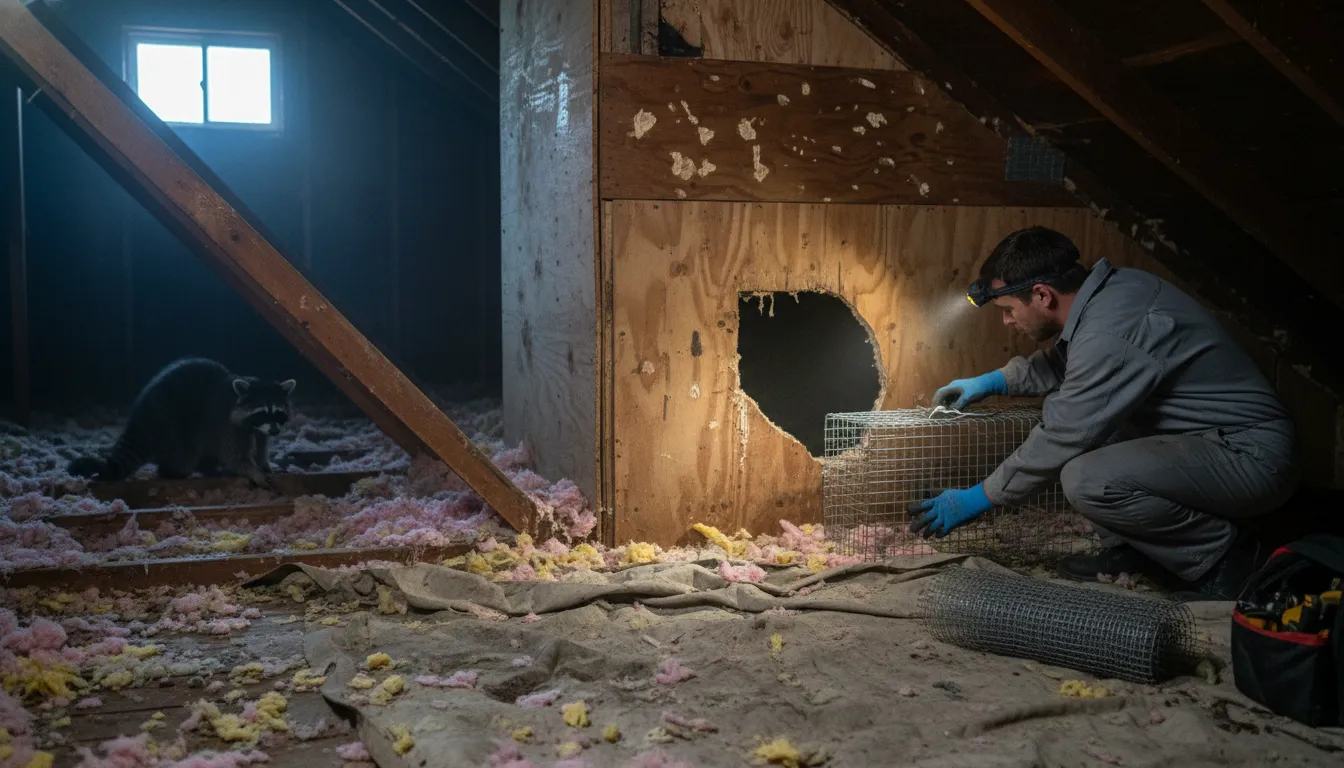
Find the Best Wildlife Removal Companies for Your Business
No obligation • Fast responses • Nationwide coverage

Why you can trust Pest Crews
Pest Crews is a leading U.S. resource for finding and evaluating residential and commercial pest control services. Our team researches providers, reviews treatment approaches, and organizes unbiased information to help you make informed decisions. Companies cannot pay to change our editorial content or influence how they appear.
Search providers near you
Top Wildlife Removal Companies in Las Vegas, Nevada Ranked
Living in the Las Vegas Valley means sharing space with a surprising variety of desert and urban-adapted wildlife. While many enjoy seeing these animals from a distance, conflicts arise when coyotes, raccoons, skunks, or squirrels decide your attic, garage, or yard is their new home. Professional wildlife removal and animal control services are essential for resolving these conflicts safely, humanely, and in compliance with strict Nevada laws. This guide explains the common nuisance species in Las Vegas, outlines the legal framework for wildlife control, and helps you understand how to find qualified local professionals to protect your property.
Pest Control Solutions, Inc.
1600 Raiders Way Ste 150, Henderson, NV 89052
Pest Control Solutions, Inc. provides pest control services in Henderson, NV, specializing in both residential and commercial pest management. They handle a variety of pests including bed bugs, cockroaches, ants, bees, wasps, pigeons, and wildlife. The company offers customized treatment plans and natural, green solutions to meet specific customer needs. They also provide after-hours services including evenings, weekends, and nights, with emergency response times promising solutions within two hours and treatment within 24 hours.
Pest Pros Las Vegas
5220 Desert Star Dr, Las Vegas, NV 89130
Pest Pros Las Vegas is a family-owned pest control company serving Henderson, NV, and surrounding areas including Las Vegas and North Las Vegas. With over 20 years of experience, they offer residential and commercial pest control services targeting a wide range of pests such as bed bugs, cockroaches, ants, rodents, mosquitoes, bees, wasps, pigeons, and wildlife. Their Triple Protection Initial Service applies a three-layer barrier treatment around properties to effectively control infestations from the first visit. All treatments are designed to be safe for children, pets, and the environment, using products approved by the Nevada Department of Agriculture. Pest Pros Las Vegas employs university-trained technicians and provides a warranty with every service.
Dispatch Pest Control
Henderson, NV
Dispatch Pest Control is a locally owned and operated pest management company serving Henderson, NV, and surrounding areas including Las Vegas and Boulder City. Since 2003, they have provided residential and commercial pest control services tailored to the unique challenges of Nevada's desert environment. Their offerings include treatments for bed bugs, cockroaches, ants, rodents, scorpions, spiders, mosquitoes, wasps, pigeons, and wildlife removal. They emphasize eco-friendly and pet-safe products combined with integrated pest management strategies to ensure effective and sustainable pest control. Dispatch Pest Control also offers same-day emergency services and customized prevention plans to maintain pest-free properties year-round.
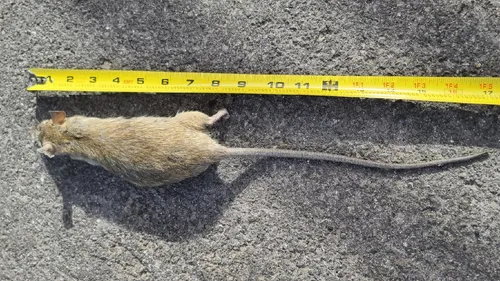
Desert Squad Pest & Wildlife – Pest Control and Wildlife Removal
2300 W Sahara Ave #800, Las Vegas, NV 89102
Desert Squad Pest & Wildlife - Pest Control and Wildlife Removal offers a wide range of pest and wildlife management services in Henderson, NV. They handle common pests such as cockroaches, ants, rodents, bees, wasps, and birds, as well as wildlife including coyotes, raccoons, skunks, and squirrels. Their services cover both residential and commercial properties with options for targeted pest treatments and protection packages. The company also provides specialized removal and relocation of bees and offers treatments for scorpions and other pests. One notable capability is their comprehensive wildlife removal service that addresses various small and large animals. Desert Squad Pest & Wildlife serves the Henderson area with a focus on effective pest and wildlife control solutions.
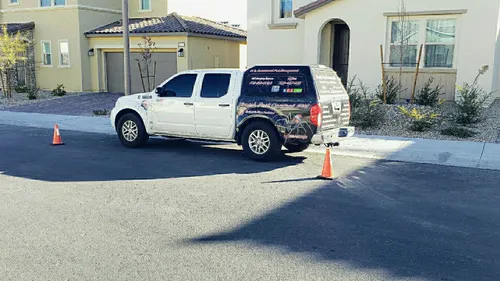
Vanish Pest Control IPM
8461 Farm Rd Suite 120-167, Las Vegas, NV 89131
Vanish Pest Control IPM provides comprehensive pest control services in North Las Vegas, NV, and surrounding areas including Las Vegas, Henderson, and Boulder City. They offer tailored solutions for residential and commercial properties to address infestations of bed bugs, cockroaches, ants, rodents, bees, wasps, birds, and wildlife. With over 25 years of experience, the company uses advanced detection techniques and environmentally conscious methods to manage pest problems effectively. Their services include pest inspections, customized treatment plans, and follow-up visits to ensure complete pest removal and prevention.
Common Nuisance Wildlife in Las Vegas
The urban oasis of Las Vegas attracts several species that can become problematic for homeowners and businesses. Understanding which animal you're dealing with is the first step toward an effective solution.
- Coyotes: These adaptable predators are common throughout the valley, especially near open desert areas and washes. While they generally avoid humans, they can pose a threat to small pets and may become bolder in search of food or water. The Nevada Department of Wildlife (NDOW) handles general coyote concerns, while local Animal Protection Services responds only to attacks on pets or reports of injured animals.
- Raccoons & Skunks: These nocturnal scavengers are frequent visitors to residential areas, drawn by unsecured trash, pet food, and accessible shelter. Raccoons are notorious for tearing into attics and soffits, while skunks can cause odor issues and dig up lawns in search of grubs.
- Squirrels: Both rock squirrels and ground squirrels are prevalent. They often burrow under foundations, patios, and sheds, which can undermine structural integrity. Tree squirrels may also invade attics.
- Bats: Several bat species inhabit the region. While beneficial for insect control, a colony roosting in an attic or wall void creates significant noise, odor from guano, and potential health risks.
- Rodents: Roof rats and house mice are common urban pests that seek shelter indoors, especially as temperatures soar. They contaminate food, chew wiring (a fire hazard), and can spread disease 1.
- Snakes: The desert surrounding Las Vegas is home to both non-venomous and venomous snakes, such as rattlesnakes. They may enter yards in search of prey (like rodents) or shelter 2.
Nevada's Wildlife Removal Laws: What You Must Know
Nevada has specific regulations governing wildlife control that differ from many other states. Attempting a DIY removal without understanding these laws can result in fines or unintended harm.
- No Relocation Allowed: It is illegal to trap and relocate most wild animals in Nevada. State law requires that trapped nuisance wildlife be euthanized. This policy is primarily in place to prevent the spread of diseases like rabies and distemper to new populations.
- Trapping Regulations: While you may use live traps for certain species, you must check specific regulations for the animal in question. It is always illegal to relocate the trapped animal yourself.
- Protected Species: Some species are protected by state or federal law. Harming or disturbing them, even if they are a nuisance, can carry severe penalties. A licensed professional will be able to identify species and apply the correct legal protocols.
- The Role of Animal Control: It's important to know that local Animal Protection Services in Las Vegas and Clark County typically do not handle general wildlife issues. Their mandate usually covers domestic pets-responding to injured animals, aggressive dog calls, or enforcing leash and licensing laws. For an injured or attacking coyote, they are the correct contact, but for a raccoon in the attic, you will need a different resource 3.
Who to Call for Wildlife Problems in Las Vegas
Knowing which agency or service to contact saves time and ensures the problem is handled correctly.
- For Immediate Danger or Injured Pets: Contact City of Las Vegas Animal Protection Services if a coyote or other animal is actively attacking a person or pet, or if you find an injured domestic animal.
- For Large Predators or Guidance: Contact the Nevada Department of Wildlife (NDOW) for concerns involving large predators like coyotes (non-attack situations), mountain lions, or bears. They can also provide guidance on species identification and legal options 4.
- For Trap Loans and Euthanasia: The USDA Wildlife Services program can, in some cases, loan traps to residents and provide euthanasia services for legally trapped animals. They can be reached at 1-866-487-3297 5.
- For Comprehensive Removal and Exclusion: Private, Licensed Wildlife Removal Companies are the primary solution for most nuisance wildlife situations, such as raccoons in the chimney, bats in the attic, or squirrels under the deck. These professionals handle the entire process: identification, humane trapping (where legal), removal, exclusion (sealing entry points), and cleanup 6.
Find the perfect wildlife removal companies for your needs
Get personalized recommendations and expert advice
The Professional Wildlife Control Process
A reputable wildlife control operator follows a systematic approach to ensure the problem is solved permanently and humanely.
- Inspection and Assessment: The technician will perform a thorough inspection of your property, inside and out, to identify the species, locate all entry points, and assess the extent of the damage or infestation.
- Humane Removal: Using methods appropriate to the species and Nevada law, the technician will remove the animals. This may involve one-way exclusion doors that allow animals to leave but not return, or live trapping followed by lawful euthanasia as mandated by the state.
- Exclusion and Repair: This is the most critical step for a long-term solution. The technician will seal all potential entry points with durable materials like steel mesh, hardware cloth, or specialized seals to prevent re-entry. This may also involve repairing damage caused by the animals 7.
- Cleanup and Sanitation: Wildlife waste (guano, urine) can pose health risks and cause odor and staining. Professionals will clean and disinfect affected areas and may recommend attic restoration or deodorization services.
- Prevention Advice: A good service will provide recommendations for habitat modification, such as securing trash cans, removing pet food, trimming tree branches away from the roof, and sealing other attractants to make your property less inviting.
Understanding Costs for Wildlife Control in Las Vegas
Pricing for animal removal services varies widely based on the species, the severity of the infestation, and the required repairs. Always obtain multiple detailed quotes from licensed and insured companies.
- Initial Inspection/Service Call: Typically ranges from $100 to $250+, often credited toward the total service cost if you proceed.
- Live Trapping & Removal (per animal): Can cost between $150 and $400+, depending on the animal and trap setup required.
- Exclusion/Sealing Entry Points: This is where costs can scale significantly, from $200 for a simple repair to $1,000 or more for complex sealing along rooflines, foundations, or vents.
- Complete Service for Common Species:
- Raccoon or Squirrel Removal (including trapping, removal, and basic exclusion): $300 to $800+
- Bat Exclusion (a major project involving sealing the entire perimeter of a structure): $500 to $2,000+
- Cleanup and Decontamination: Prices vary significantly based on the size of the affected area (e.g., an attic) and the level of contamination 8.
Effective Prevention Strategies
The best way to deal with wildlife is to prevent conflicts before they start. Implementing these strategies can save you significant hassle and expense.
- Secure Food Sources: Use locking lids on trash cans, do not leave pet food outdoors overnight, and clean barbecue grills after use.
- Eliminate Shelter: Seal off crawl spaces under decks and sheds with heavy-gauge wire mesh. Keep woodpiles and debris away from your home's foundation.
- Protect Your Home: Conduct seasonal inspections of your roof, soffits, vents, and foundation. Look for loose boards, holes, or gaps and seal them promptly. Install chimney caps and vent covers.
- Modify Landscaping: Trim tree branches back at least 6-8 feet from your roof. Reduce dense ground cover near the house that can shelter rodents and snakes.
Frequently asked questions
Sources
Footnotes
-
The Wildlife Control Industry - Humane Wildlife Removal Franchise - https://skedaddlefranchise.com/wildlife-control-industry/ ↩
-
Wildlife In and Around Las Vegas and the Grand Canyon - https://www.maverickhelicopter.com/resources-gc/wildlife-in-and-around-las-vegas-and-the-grand-canyon ↩
-
Effective, Humane Wildlife Removal and Safe Solutions for Coexistence - https://milliontrees.me/2024/08/07/effective-humane-wildlife-removal-and-safe-solutions-for-coexistence/ ↩
-
Animal Protection Services - City of Las Vegas - https://www.lasvegasnevada.gov/Government/Departments/Public-Safety/Animal-Protection-Services ↩
-
Dealing with Nuisance Wildlife | Extension - https://extension.unr.edu/publication.aspx?PubID=2998 ↩
-
WP - Nevada Department of Agriculture - https://agri.nv.gov/Wildlife/ ↩
-
Wildlife Control, Removal & Exclusion Services | Catseye - https://www.catseyepest.com/services/wildlife-control/ ↩
-
Nuisance Wildlife Control Laws in Nevada - https://wildliferemovaldirectory.com/nuisance-wildlife-control-laws-in-nevada/ ↩