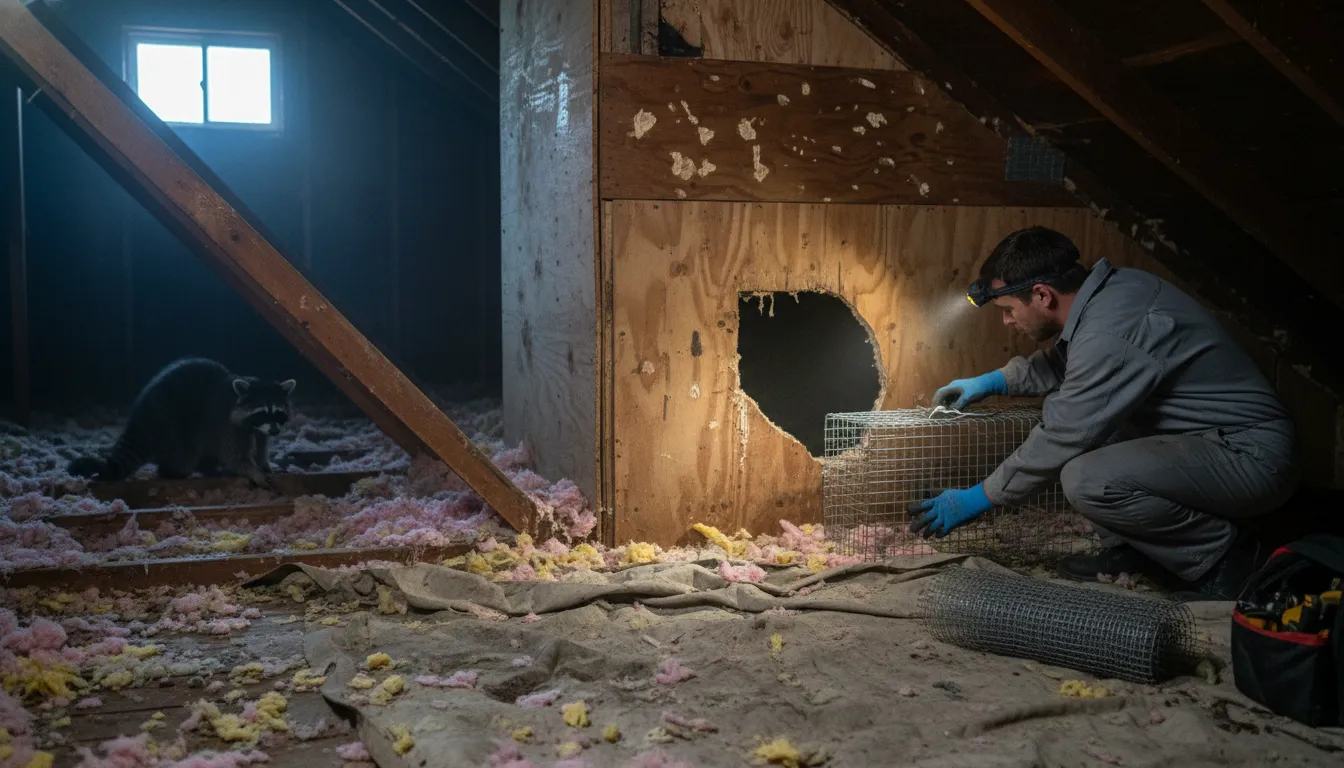
Find the Best Wildlife Removal Companies for Your Business
No obligation • Fast responses • Nationwide coverage

Why you can trust Pest Crews
Pest Crews is a leading U.S. resource for finding and evaluating residential and commercial pest control services. Our team researches providers, reviews treatment approaches, and organizes unbiased information to help you make informed decisions. Companies cannot pay to change our editorial content or influence how they appear.
Search providers near you
Best Wildlife Removal Companies in New York Ranked
When wildlife like raccoons, squirrels, or bats move into your attic, or when beavers flood your property, it's more than a nuisance-it can cause significant damage and pose health risks. In New York, addressing these situations is governed by a specific set of regulations designed to protect both people and animals. Navigating the legal landscape of protected and unprotected species, permits, and safe removal practices is essential. This guide explains the key rules and processes for effective and legal wildlife control in New York, helping you understand when to act on your own and when to call in a licensed professional.
Rochester Pest Pro
21 Goodway Dr Suite 134, Rochester, NY 14623
Rochester Pest Pro is a woman-owned pest control company based in Rochester, NY, serving Monroe County and nearby communities. Since 2017, they have offered pest control, wildlife removal, and commercial pest management services. Their approach focuses on humane exclusion by sealing entry points and addressing the root causes of infestations. They provide targeted solutions for ants, rodents, bees, wasps, and other common pests, along with cleanup and prevention advice to help protect homes and businesses.
Recon Pest Control Inc
79 Escanaba Ave, Staten Island, NY 10308
Recon Pest Control Inc is a family-owned pest control company based in Staten Island, serving New York, NY, and nearby New Jersey. They offer a wide range of pest management services including bed bug extermination, termite control, rodent removal, mosquito reduction, bee and wasp removal, and wildlife relocation. The company also provides specialized solutions like the SolaTrim Pest Abatement Barrier to protect solar panels from pigeons and rodents. Recon Pest Control partners with Dad and Daughters Home Inspection, LLC to offer comprehensive home inspections and related services.
GoSafe Pest Control LLC
264-07 Langston Ave unit B, Glen Oaks, NY 11004
GoSafe Pest Control LLC is a locally owned pest control company serving New York, NY. They provide a range of pest management services including bed bug treatment, cockroach and ant control, rodent control, termite inspections, mosquito control, bee and wasp removal, bird and pigeon control, and wildlife removal. The company offers eco-friendly solutions tailored to client schedules, with options for weekly to seasonal visits.
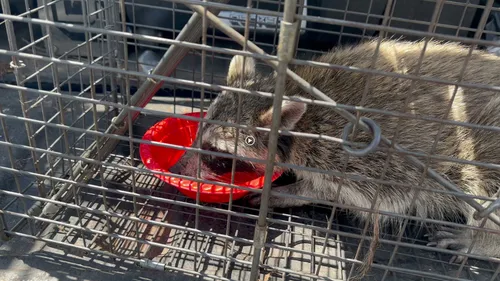
800-Raccoon Pest & Wildlife Control
32-07 Astoria Blvd N, Astoria, NY 11102
800-Raccoon Pest & Wildlife Control is a family-owned pest control company serving New York, NY, with over 45 years of experience. They offer comprehensive pest management services including rodent control, termite inspections, mosquito control, and humane wildlife removal for both residential and commercial properties. Their approach covers all aspects of pest prevention and treatment to protect homes and businesses effectively. The company emphasizes a thorough, multi-step process to ensure complete pest protection and peace of mind for their clients.
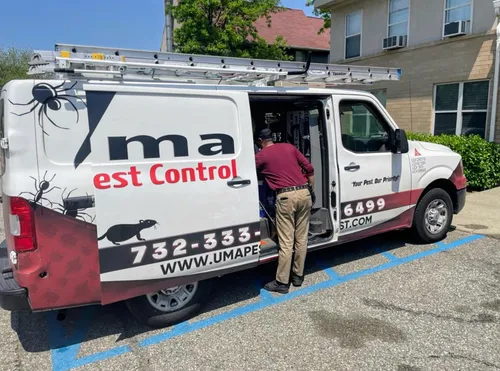
Uma Pest Control
200 W Milton Ave, Rahway, NJ 07065
Uma Pest Control offers a range of pest management services in New York, NY, including bed bug treatment, termite inspections, mosquito control, rodent removal, and bird control. They provide commercial, residential, and industrial pest control using green botanical products when preferred. Uma Pest Control is known for its one-day bed bug treatment that combines freeze, heat, and steam methods in a single visit, avoiding multiple follow-ups common with other providers. Their services also cover insect repellents, exclusion work, and wildlife removal for animals like bats and raccoons. The company operates from Rahway, NJ, and has been maintaining pest control services for several years.
Understanding New York's Wildlife Protection Laws
New York State is home to a diverse array of wildlife, and many species are protected by law. This means you cannot simply trap or remove them without proper authorization. The New York State Department of Environmental Conservation (NYSDEC) classifies animals into two main categories: protected and unprotected species.
The distinction is critical because it determines the legal steps you must follow. Protected species require permits for any form of "take," which includes trapping, relocating, or harming the animal. Unprotected species can often be managed by property owners without a state permit, though local ordinances and humane treatment standards still apply.
Protected vs. Unprotected Species
Knowing which animal you're dealing with is the first step. Here's a general breakdown, though you should always verify with the NYSDEC or a professional, as statuses can change.
Protected Species (Permits Typically Required)
- Mammals: Deer, black bear, beaver, mink, muskrat, fisher, marten, bobcat, and most bats (except the federally endangered Indiana bat).
- Birds: All migratory birds are federally protected. This includes hawks, owls, woodpeckers, songbirds, and wild turkeys. Canada geese and ducks also fall under this category.
- Reptiles & Amphibians: All native snakes and turtles are protected in New York.
Unprotected Species (Can Often Be Handled Without a DEC Permit)
- Mammals: Red squirrels, woodchucks (groundhogs), Norway rats, house mice, shrews, moles, voles, and chipmunks.
- Special Notes: The northern flying squirrel is protected, while the southern flying squirrel is not. Species like crows, blackbirds, and grackles may be controlled under specific rules related to crop damage or health hazards, but generally require permits 1 2.
When Do You Need a Permit?
The permit requirements depend on the species and your situation-whether you're a homeowner or a business.
For Homeowners
- Protected Species: You almost always need a permit from the NYSDEC to remove protected wildlife from your property. For instance, removing a nuisance beaver or dealing with a deer requires a special depredation permit.
- Bats or Birds: If bats are roosting in your home or birds like woodpeckers are causing damage, you typically need permits for exclusion (one-way doors) or nest removal, especially during breeding seasons.
- Federal Protections: For any migratory bird, you must comply with the U.S. Migratory Bird Treaty Act. This often means securing a federal permit from the U.S. Fish and Wildlife Service (USFWS) in addition to any state requirements.
For Businesses and Professionals
Anyone who provides wildlife removal services for a fee must be a licensed Nuisance Wildlife Control Operator (NWCO). This license is mandatory for handling any protected species. NWCOs must report detailed information about their clients, the species handled, methods used, and the final disposition of the animal to the NYSDEC.
The state issues specific permits for professionals:
- Permit A: Covers certain reptiles, amphibians, mute swans, and wild turkey.
- Permit B: Required for Canada geese, ducks, and other migratory birds, necessitating both DEC and federal USFWS permits 3.
- Endangered/Threatened Species License: Needed for any business activities involving species listed as endangered or threatened 4.
The Role of a Licensed Nuisance Wildlife Control Operator (NWCO)
Hiring a licensed NWCO is the most straightforward and legally sound approach for dealing with protected or problematic wildlife. These professionals have the training, experience, and permits to handle situations legally and humanely. They understand the complex regulations and can ensure the job is done correctly, from initial assessment to exclusion and prevention 5.
An NWCO doesn't just remove the animal; they identify and seal entry points to prevent future intrusions. They are also obligated to keep records and report their activities to the state, which helps in wildlife management and conservation efforts 6.
Find the perfect wildlife removal companies for your needs
Get personalized recommendations and expert advice
Estimated Costs for Wildlife Removal in New York
Costs can vary widely based on the species, the extent of the problem, your location, and the complexity of the work required. Always get a detailed, written estimate from any professional you contact. Here are some general price ranges based on common scenarios 7 8 9:
- Basic Removal (Unprotected Species): For animals like squirrels, rats, or raccoons, removal typically costs between $100 and $300. This often covers trapping and removal per animal or per primary entry point.
- Beaver Removal & Dam Work: Due to the permits required and the labor involved in dealing with dams and flooding, costs can range from $400 to over $1,000.
- Bat or Bird Exclusion: Safely excluding a colony of bats or nesting birds, including sealing entry points, can range from $200 to $800 or more, depending on the size of the structure and accessibility.
- Large Mammals (Deer, Bear): These situations are highly variable and permit-dependent. Removal can cost several hundred to over a thousand dollars.
Remember, the cheapest option isn't always the best. Ensure any professional you hire is properly licensed and insured.
Legal and Humane Removal Methods
Whether you handle a situation yourself or hire a pro, certain methods are endorsed and others are restricted.
- Exclusion: This is the preferred long-term solution. It involves installing one-way doors or barriers that allow animals to leave but not re-enter, followed by permanent sealing of entry points.
- Live Trapping: For unprotected species, live trapping may be an option. However, you must check local laws regarding relocation, as releasing animals in parks or other lands is often illegal and can spread disease.
- Lethal Control: This is heavily regulated. For unprotected species like rats, it may be permissible. For any protected species, lethal control requires explicit permits and is usually only granted after non-lethal methods have failed and significant property damage or health risks are documented 10.
Key Steps to Take When You Have a Wildlife Problem
- Identify the Species: Try to safely identify the animal. Look for droppings, tracks, or listen for noises. This will guide your next steps.
- Assess the Law: Check the NYSDEC website or contact their regional wildlife office to determine if the species is protected 11.
- Decide on a Course:
- If it's an unprotected species (like a woodchuck), you may choose to use deterrents or hire a general pest control service.
- If it's a protected species (like a raccoon family, bats, or a beaver), your best and safest option is to contact a licensed Nuisance Wildlife Control Operator (NWCO).
- Get Multiple Quotes: If hiring a professional, get estimates from 2-3 licensed NWCOs. Ask about their methods, guarantees, and what the price includes.
- Focus on Prevention: After removal, ensure all entry points are sealed with durable materials like steel mesh or hardware cloth to prevent a recurrence.
Frequently asked questions
Sources
Footnotes
-
Dealing with Wildlife and the New York Laws That Protect Them - https://ecommons.cornell.edu/bitstreams/7e128507-1b23-4102-ae9b-abe6dad7f2c2/download ↩
-
New York Wildlife Removal: Home - https://newyorkwildliferemoval.net/ ↩
-
Fish, Wildlife & Plant Permits - NYSDEC - https://dec.ny.gov/regulatory/permits-licenses/fish-wildlife-plant ↩
-
Endangered and Threatened Species Licensing and Permitting - https://nyc-business.nyc.gov/nycbusiness/description/endangered-and-threatened-species-licensing-and-permitting ↩
-
Wildlife Protection Laws and Removal - NY NJ Wild Life Removal - https://nynjwildliferemoval.com/wildlife-protection-laws-and-removal/ ↩
-
SECTION 11-0524 Nuisance wildlife control operators - https://www.nysenate.gov/legislation/laws/ENV/11-0524 ↩
-
Nuisance Wildlife Control Operator - NYSDEC - https://dec.ny.gov/regulatory/permits-licenses/fish-wildlife-plant/special-licenses/nuisance-wildlife-control ↩
-
Nuisance Wildlife in New York - Identification & Control - https://pestech.com/blog/new-york-pest-wildlife/ ↩
-
Nuisance Beaver - NYSDEC - https://dec.ny.gov/nature/animals-fish-plants/nuisance-wildlife-species/beaver ↩
-
Remove Or "Take" Nuisance Animals Legally - NYSDEC - https://dec.ny.gov/nature/animals-fish-plants/nuisance-wildlife-species/remove-take-legally ↩
-
Dealing With Wildlife and the Laws That Protect Them - https://blogs.cornell.edu/nysipm/2014/12/05/dealing-with-wildlife-and-the-laws-that-protect-them/ ↩