Find the Best Wildlife Removal Companies for Your Business
No obligation • Fast responses • Nationwide coverage

Why you can trust Pest Crews
Pest Crews is a leading U.S. resource for finding and evaluating residential and commercial pest control services. Our team researches providers, reviews treatment approaches, and organizes unbiased information to help you make informed decisions. Companies cannot pay to change our editorial content or influence how they appear.
Search providers near you
Top Wildlife Removal Companies in Yonkers, New York Ranked
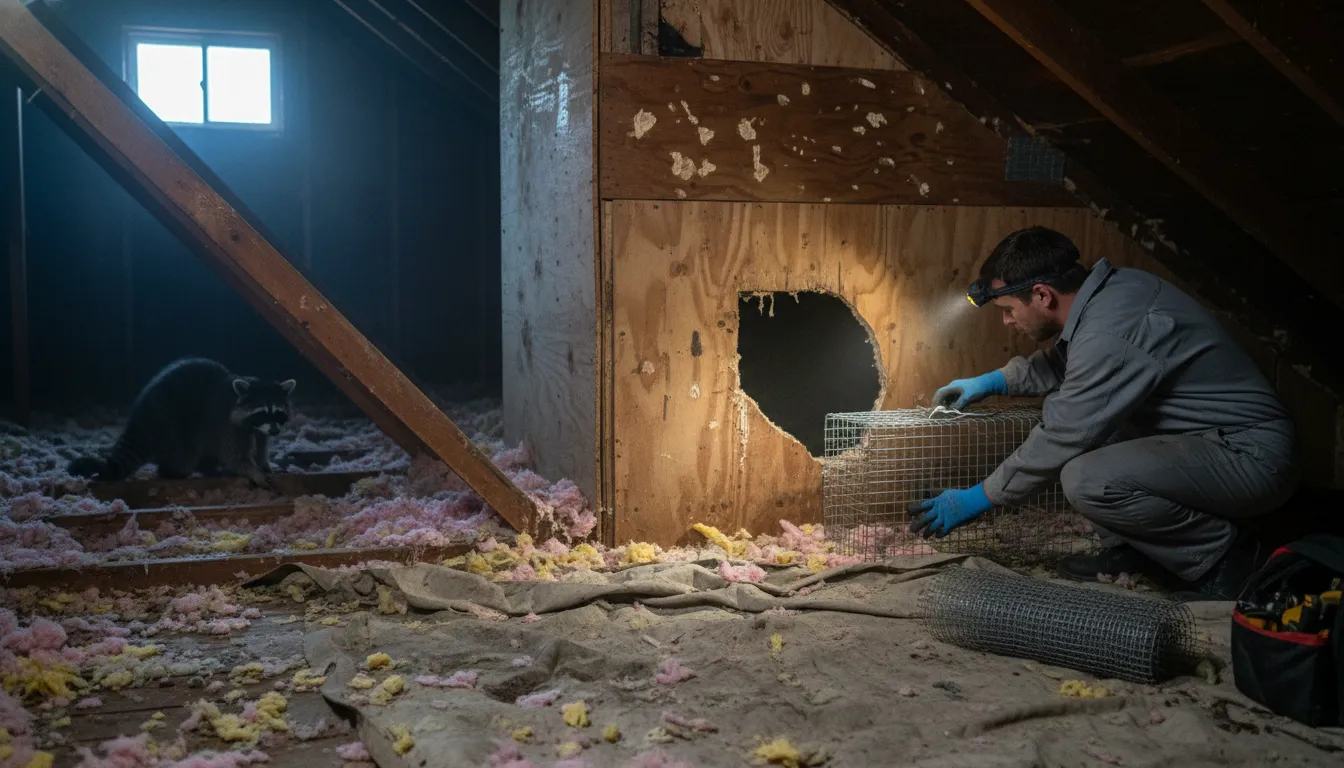
Finding an uninvited animal in your attic, chimney, or crawl space can be unsettling. Wildlife removal is the professional service of humanely and legally addressing conflicts with nuisance animals on your property. It matters because improper handling can be unsafe, illegal, or simply ineffective, leading to recurring problems. This guide will help you understand your options, from DIY steps to when you need a licensed professional, so you can find the right local help to resolve your wildlife issue.
Universal Pest Control
118 Locust St, Roselle, NJ 07203
Universal Pest Control is a family owned and operated pest control company serving Newark, NJ, and the surrounding Union County area. They offer a wide range of pest management services including cockroach, ant, termite, bee and wasp removal, as well as wildlife control. Their licensed and trained technicians use up-to-date methods to address pest infestations safely and effectively. With years of experience, Universal Pest Control provides free consultations and estimates to help customers find tailored solutions for their pest issues.
Recon Pest Control Inc
79 Escanaba Ave, Staten Island, NY 10308
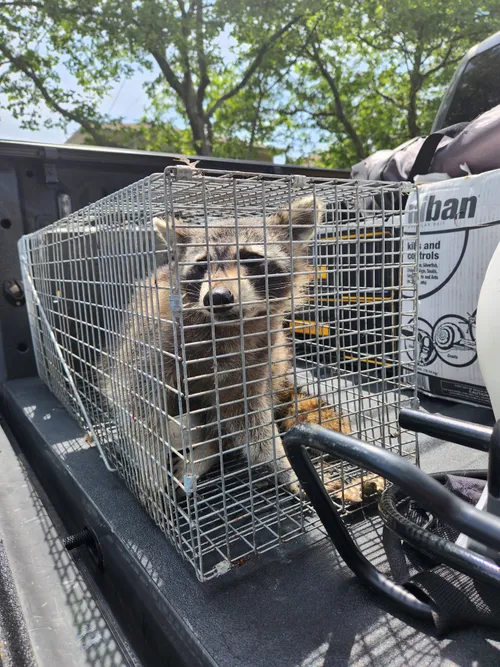
Recon Pest Control Inc is a family-owned pest control company based in Staten Island, serving New York, NY, and nearby New Jersey. They offer a wide range of pest management services including bed bug extermination, termite control, rodent removal, mosquito reduction, bee and wasp removal, and wildlife relocation. The company also provides specialized solutions like the SolaTrim Pest Abatement Barrier to protect solar panels from pigeons and rodents. Recon Pest Control partners with Dad and Daughters Home Inspection, LLC to offer comprehensive home inspections and related services.
GoSafe Pest Control LLC
264-07 Langston Ave unit B, Glen Oaks, NY 11004
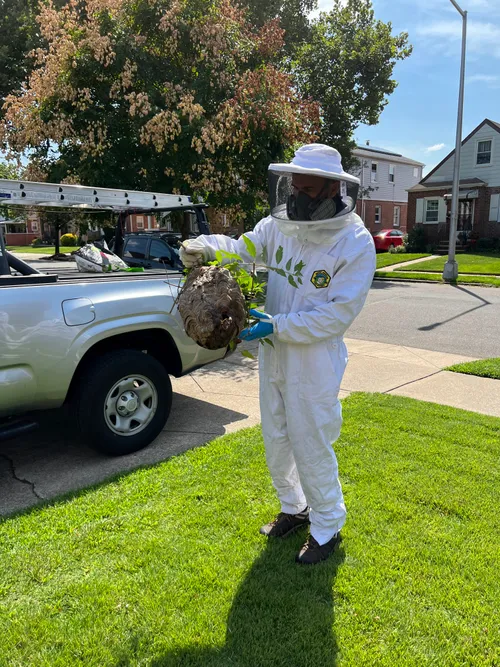
GoSafe Pest Control LLC is a locally owned pest control company serving New York, NY. They provide a range of pest management services including bed bug treatment, cockroach and ant control, rodent control, termite inspections, mosquito control, bee and wasp removal, bird and pigeon control, and wildlife removal. The company offers eco-friendly solutions tailored to client schedules, with options for weekly to seasonal visits.
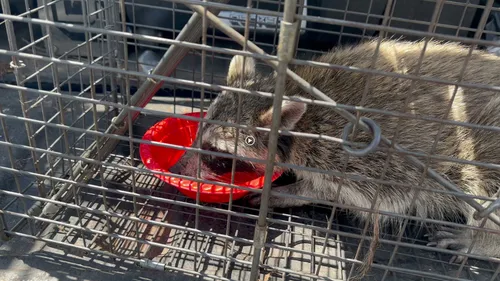
800-Raccoon Pest & Wildlife Control
32-07 Astoria Blvd N, Astoria, NY 11102
800-Raccoon Pest & Wildlife Control is a family-owned pest control company serving New York, NY, with over 45 years of experience. They offer comprehensive pest management services including rodent control, termite inspections, mosquito control, and humane wildlife removal for both residential and commercial properties. Their approach covers all aspects of pest prevention and treatment to protect homes and businesses effectively. The company emphasizes a thorough, multi-step process to ensure complete pest protection and peace of mind for their clients.
Optimum Pest Control
2444 Boston Post Rd Suite 1020, Larchmont, NY 10538
Optimum Pest Control is a pest control company serving Yonkers, NY, and the broader Westchester region. They offer services including cockroach, ant, rodent, termite, bird, and wildlife removal. The company provides personalized pest management plans and uses green, family- and pet-friendly treatments with integrated pest management techniques. A notable capability is their use of video monitoring to enhance rodent control programs. With over 20 years of experience, Optimum Pest Control combines advanced methods with environmental awareness to address pest issues effectively.
Common Nuisance Wildlife in Yonkers
Yonkers, with its mix of urban spaces, parks, and proximity to the Hudson River, is home to a variety of wildlife that can sometimes become a nuisance for homeowners. Knowing what you're dealing with is the first step. The most frequent offenders seeking shelter or food in Yonkers homes include:
- Mammals: Raccoons, squirrels (both gray and red), skunks, opossums, groundhogs (woodchucks), bats, mice, rats (Norway and roof rats), and chipmunks 1.
- Birds: Pigeons, starlings, and sparrows, which often nest in attics, soffits, and vents.
Each species presents unique challenges. Raccoons are strong and clever, often tearing into roof vents. Squirrels and rodents can chew wires, creating fire hazards. Bats, while beneficial for insect control, pose health risks if they roost indoors. Identifying the animal correctly is crucial for determining the legal and most effective removal strategy.
Understanding New York Wildlife Laws: What You Can and Cannot Do
New York State has specific regulations governing wildlife control to protect both animals and people. Navigating these laws is essential before taking any action.
Protected vs. Unprotected Species: The NYS Department of Environmental Conservation (NYSDEC) classifies animals differently. For many common nuisance species like woodchucks, chipmunks, red squirrels, house mice, Norway rats, and birds such as feral pigeons, starlings, and house sparrows, property owners have more leeway. These are often considered unprotected in the context of causing damage. You may remove them from your property using legal means, provided you follow all local ordinances (for example, discharging firearms is prohibited within Yonkers city limits).
The Critical Rule on Relocation: A key law that surprises many homeowners is that it is illegal to trap and relocate any wild animal off your property without a permit from the NYSDEC 2 3. If you trap a raccoon or squirrel on your land, you cannot drive it to a park or forest and release it. Legally, the animal must be euthanized humanely or released on the same property where it was captured. This law exists to prevent the spread of disease and to avoid simply transferring a problem to another community.
DIY Wildlife Control: Steps You Can Take
For minor issues or unprotected species, you may choose to handle the situation yourself. The focus of effective DIY animal control should always be on prevention and exclusion, not just trapping.
- Identification and Inspection: First, confirm what animal you have. Look for droppings, entry holes, gnaw marks, and listen for noises. Determine all possible entry points.
- Habitat Modification: Make your property less attractive. Secure trash cans with locking lids, remove pet food, clear brush piles, and trim tree branches away from the roof.
- Exclusion (The Most Important Step): This is the permanent solution. Once you are sure the animal is out, seal all entry points with durable materials like heavy-gauge hardware cloth, steel wool (for rodents), or metal flashing. Chimneys should be capped, and vents covered with professional-grade screens.
- Trapping: If you must trap, use appropriate, humane traps. Check them frequently, at least twice daily. Remember the relocation law: you must release the animal on your property or humanely euthanize it. For many, this ethical and legal dilemma is a primary reason to hire a professional.
Find the perfect wildlife removal companies for your needs
Get personalized recommendations and expert advice
When You Must Call a Professional Wildlife Control Operator
There are many situations where DIY methods are insufficient, unsafe, or illegal. This is when you need to contact a licensed Nuisance Wildlife Control Operator (NWCO).
- Immediate Danger: If a wild animal is acting aggressively, appears disoriented (a potential sign of rabies), or is posing an immediate threat to people or pets, call 911.
- Protected or Difficult Species: Animals like bats, which are protected in many contexts, or larger animals like raccoons in an attic, require specialized handling. Professionals have the tools and knowledge for safe removal.
- Infestations in Structures: Removing a family of squirrels or raccoons from an attic often involves finding and reuniting young, which requires expertise. Professionals also handle the crucial follow-up: exclusion repair, decontamination, and odor removal.
- Legal and Humane Relocation: Licensed NWCOs possess the permits required by the NYSDEC to legally and humanely relocate certain animals when appropriate, a service unavailable to the general public.
- Health Risks: Droppings (guano) from animals like bats or rodents can harbor dangerous pathogens. Professional cleanup involves specialized protective equipment and disinfectants.
Finding and Working with a Licensed NWCO in Yonkers
In New York, professionals who perform wildlife removal for a fee must be licensed by the NYSDEC as a Nuisance Wildlife Control Operator 4 5. Yonkers Animal Control typically handles domestic animal issues and emergencies; for healthy nuisance wildlife, they will refer you to these private, licensed operators 6.
When selecting a professional, ensure they are NYSDEC-licensed. A reputable operator will:
- Conduct a thorough inspection of your property.
- Clearly identify the species and extent of the problem.
- Provide a detailed plan for removal, exclusion, and cleanup.
- Offer a written estimate.
- Guarantee their exclusion work for a period of time.
Be wary of anyone who suggests poisoning as a first solution for mammals or who cannot explain the laws regarding relocation.
What to Expect: The Process and Cost of Professional Removal
A professional wildlife removal service follows a structured process:
- Inspection & Assessment: The technician identifies entry points, damage, and the species involved.
- Removal: This may involve live trapping, one-way exclusion doors, or hands-on extraction, depending on the animal and location.
- Exclusion: After removal, every entry point is sealed with permanent materials to prevent re-entry. This is the core of a lasting solution.
- Cleanup & Restoration: This can include disinfecting contaminated areas, removing soiled insulation, and repairing damage.
Costs in Yonkers vary based on the animal, location, and job complexity. As general estimates:
- Simple Trapping/Removal: For a single animal like a skunk or groundhog, costs can range from $200 to over $400.
- Attic or Wall Infestations: Removing squirrels or raccoons from an attic, including exclusion and basic cleanup, typically ranges from $500 to $1,000 or more.
- Bat Exclusion: Sealing a home to exclude a bat colony often starts around $500 and can increase with the complexity of the job 7.
- Rodent Control: Extensive rat or mouse removal involving baiting, trapping, and sealing entry points can cost between $200 and $500+ 8 9.
Always get multiple estimates and ensure the quoted price includes both removal and exclusion.
Reporting and Public Health Concerns
There are specific instances where you should report wildlife to authorities rather than a removal service:
- Sick or Dead Deer: Report these to the NYSDEC.
- Large Groups of Dead Birds: This should be reported to the NYSDEC as it can indicate disease.
- Bats Found Indoors: If you find a bat in a room with a sleeping person, a child, or a pet, contact the health department, as rabies testing may be advised 10 11.
Frequently asked questions
Sources
Footnotes
-
Nuisance Wildlife in New York - Identification & Control - https://pestech.com/blog/new-york-pest-wildlife/ ↩
-
New York State Laws and Regulations - https://nwco.net/training-modules/new-york-state-laws-and-regulations/ ↩
-
Remove Or "Take" Nuisance Animals Legally - NYSDEC - https://dec.ny.gov/nature/animals-fish-plants/nuisance-wildlife-species/remove-take-legally ↩
-
Nuisance Wildlife Control Operator - NYSDEC - https://dec.ny.gov/regulatory/permits-licenses/fish-wildlife-plant/special-licenses/nuisance-wildlife-control ↩
-
SECTION 11-0524 Nuisance wildlife control operators - https://www.nysenate.gov/legislation/laws/ENV/11-0524 ↩
-
Wild Animal · NYC311 - https://portal.311.nyc.gov/article/?kanumber=KA-01790 ↩
-
Yonkers Wildlife Removal, Pest Animal Control NY - http://www.wildlife-removal.com/city/NY-Yonkers.htm ↩
-
Wildlife Removal & Pest Control Services in Yonkers - https://www.qualitypropest.com/areas-we-serve/yonkers/ ↩
-
Prices for Yonkers Wildlife Pest Control Animal Trapping - http://www.aaanimalcontrol.com/professional-trapper/prices/NY-Yonkers-prices.htm ↩
-
Dealing With Wildlife and the Laws That Protect Them - Cornell blogs - https://blogs.cornell.edu/nysipm/2014/12/05/dealing-with-wildlife-and-the-laws-that-protect-them/ ↩
-
Reporting Dead Wildlife - NYSDEC - https://dec.ny.gov/nature/wildlife-health/reporting-dead-wildlife ↩