Find the Best Wildlife Removal Companies for Your Business
No obligation • Fast responses • Nationwide coverage

Why you can trust Pest Crews
Pest Crews is a leading U.S. resource for finding and evaluating residential and commercial pest control services. Our team researches providers, reviews treatment approaches, and organizes unbiased information to help you make informed decisions. Companies cannot pay to change our editorial content or influence how they appear.
Search providers near you
Top Wildlife Removal Companies in Lawton, Oklahoma Ranked
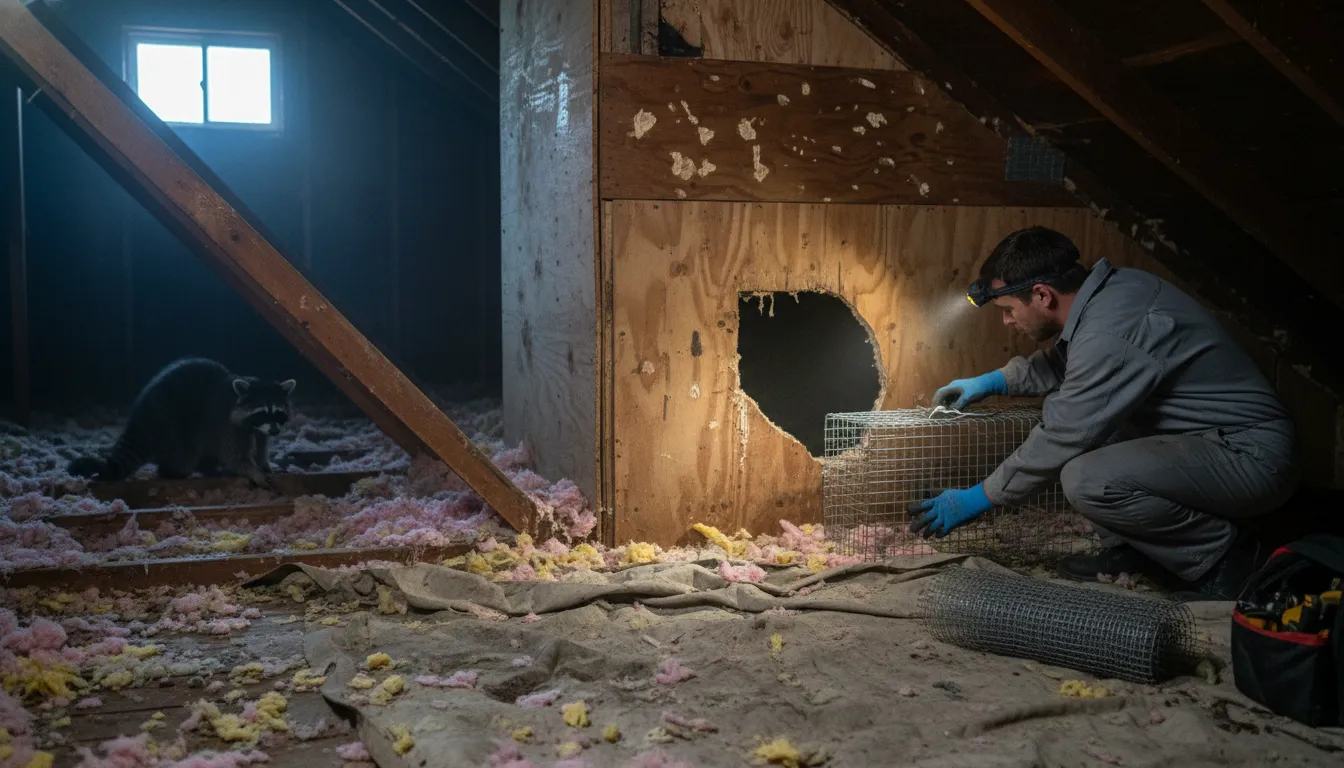
Discovering a raccoon in your attic or a family of squirrels in your walls can be unsettling. In Lawton, managing these uninvited guests requires a blend of practical know-how and an understanding of Oklahoma's specific wildlife regulations. This guide explains the common nuisance animals you might encounter, outlines your options for humane wildlife control, and details when it's essential to call a licensed professional. You'll find actionable information on prevention, legal considerations, and how to effectively address wildlife conflicts to protect your home and family.
Common Nuisance Wildlife in Lawton
Lawton's mix of urban spaces and natural habitats creates an environment where wildlife and people frequently cross paths. Understanding which animals are most likely to become a problem is the first step in effective management.
The most frequent culprits for home invasions and property damage in the area include raccoons, squirrels (both fox and gray), opossums, skunks, and bats. These animals are often attracted to attics, crawl spaces, and chimneys seeking shelter, especially during breeding seasons or extreme weather. For outdoor issues, residents may also contend with coyotes, armadillos, foxes, and various rodents like rats and mice. Near waterways, beaver, muskrats, and nutria can cause significant damage.
It's crucial to distinguish between unprotected and protected species. In Oklahoma, three bird species-house sparrows, European starlings, and feral pigeons-are not protected by federal law and can be managed more freely by property owners. However, all other native birds, their nests, and their young are protected and require special handling. Larger mammals like deer, bear, turkey, and mountain lion, as well as any endangered species, fall under the jurisdiction of the Oklahoma Department of Wildlife Conservation (ODWC) and cannot be handled without their involvement.
Your Options for Wildlife Control
When faced with a wildlife issue, you generally have three paths: prevention and exclusion, do-it-yourself (DIY) removal, or hiring a professional. The best choice depends on the species, the severity of the problem, and your comfort level.
Prevention and Exclusion: The First Line of Defense
The most effective and long-term solution is to make your property less attractive to wildlife. This involves:
- Sealing Entry Points: Conduct a thorough inspection of your home's exterior. Look for gaps in soffits, loose roof vents, cracks in foundations, and openings around utility lines. Use sturdy materials like hardware cloth, steel wool, or metal flashing to seal these potential entrances.
- Securing Food Sources: Keep trash in locked, animal-proof bins. Avoid leaving pet food outdoors overnight. If you have fruit trees, pick up fallen fruit regularly.
- Habitat Modification: Trim tree branches that overhang your roof to limit access for squirrels and raccoons. Keep woodpiles and dense brush away from your home's foundation to reduce shelter for rodents and snakes.
DIY Trapping and Removal
For common nuisance mammals like squirrels, opossums, raccoons, skunks, and armadillos, Oklahoma law generally permits non-commercial trapping and relocation by residents on their own property. If you choose this route, using humane live traps is common. However, a critical legal point is that it is generally illegal to relocate trapped wildlife off your property without specific permits 1. This means DIY efforts are often limited to on-site release or require you to contact a professional for proper relocation.
When Lethal Removal is Considered
In some situations, such as with an injured animal or a severe infestation, lethal control may be considered. Oklahoma residents must exercise extreme caution and adhere strictly to the law. Always check Lawton city ordinances regarding the discharge of firearms before considering this option 2. If legal and deemed necessary, methods must be humane, such as the use of a.22 caliber rifle for small to medium animals by a skilled individual, or commercially available CO2 chambers 2. The primary concern is public safety and adherence to local regulations.
Find the perfect wildlife removal companies for your needs
Get personalized recommendations and expert advice
When to Call a Professional Wildlife Removal Service
While some minor issues can be handled independently, several scenarios strongly indicate the need for a licensed Nuisance Wildlife Control Operator (NWCO).
- Protected or Dangerous Species: Any encounter with protected birds (beyond sparrows, starlings, or pigeons), deer, or potentially dangerous animals like coyotes or bats (which require special handling due to rabies concerns) warrants a professional call.
- Complex Infestations: A single squirrel is one thing; a colony of bats in your attic or evidence of extensive rodent activity within walls is another. Professionals have the tools and expertise for effective, large-scale removal.
- Failed DIY Efforts: If you've tried exclusion and trapping without success, the problem may be more complex than initially apparent.
- Need for Cleanup and Repair: Wildlife often leaves behind droppings, urine, nesting materials, and odors. Many NWCOs offer sanitization, deodorization, and repair services to restore your home after the animals are gone, which is a critical step DIY methods often miss.
- Legal and Safe Relocation: As mentioned, legally relocating an animal typically requires a commercial permit held by an NWCO. They understand the approved relocation areas and regulations.
Understanding NWCO Permits and Regulations
In Oklahoma, anyone who traps, removes, or relocates wildlife for compensation must be licensed as a Nuisance Wildlife Control Operator by the ODWC 3. This ensures they have the required training in humane methods, state laws, and biology. When you hire a licensed NWCO, you are hiring someone authorized to legally live-trap and transport animals to approved release sites, a service not available to the general public 4. Always verify a provider's NWCO license through the ODWC website.
What to Expect: Services and Costs
Professional wildlife removal in Lawton is not a one-size-fits-all service. The process typically involves an inspection, the development of a removal plan, the execution of that plan, and finally, exclusion and repair work to prevent a recurrence.
Costs can vary widely based on the animal, the location and extent of the infestation, and the necessary follow-up work. For basic trapping and removal of a common animal like a squirrel or opossum from an accessible area, you might expect starting prices in the range of $300 or more 5. More involved jobs, such as removing a raccoon family from an attic, sealing multiple entry points, and performing initial cleanup, will cost more. The most complex services-like bat colony removal, which involves special exclusion devices and may be governed by seasonal restrictions, or extensive rodent cleanup involving insulation removal and replacement-represent the higher end of the pricing spectrum 5 6.
Key Resources for Lawton Residents
Knowing where to turn for help or information is vital. Here are the primary contacts for wildlife issues in the Lawton area:
- Oklahoma Department of Wildlife Conservation (ODWC): Your go-to resource for regulations, a list of licensed NWCOs, and guidance on protected species. Visit wildlife.ok.gov 7.
- Licensed Nuisance Wildlife Control Operators (NWCOs): Find a local professional via the directory on the ODWC website. These are the only individuals legally permitted to perform commercial removal and relocation 8 9.
- USDA Wildlife Services: In some cases of severe wildlife damage, particularly involving agriculture or public health, federal assistance may be available.
- Lawton Animal Welfare: For issues involving domestic animals, stray dogs, or immediate public safety concerns related to animals, contact your local animal control service. Note that they typically do not handle wild animals but can provide guidance or referrals 10.
Frequently asked questions
Sources
Footnotes
-
Legalities of Wild Animal Relocation Explained - https://www.wildguard-solutions.com/blog/legalities-of-wild-animal-relocation ↩
-
Oklahoma | NWCTP - National Wildlife Control Training Program - https://wildlifecontroltraining.com/oklahoma/ ↩ ↩2
-
Oklahoma Statutes §29-4-135.1 (2024) - Nuisance wildlife ... - https://law.justia.com/codes/oklahoma/title-29/section-29-4-135-1/ ↩
-
NWCO - Additional Info - https://www.wildlifedepartment.com/law/nwco-operators/additional-info ↩
-
Prices for Lawton Wildlife Pest Control Animal Trapping - http://www.aaanimalcontrol.com/professional-trapper/prices/OK-Lawton-prices.htm ↩ ↩2
-
Lawton Wildlife Removal, Pest Animal Control OK - http://www.wildlife-removal.com/city/OK-Lawton.htm ↩
-
Problem Wildlife Guests or Pesky Pests? | ODWC - https://www.wildlifedepartment.com/outdoorok/ooj/problem-wildlife-guests-or-pesky-pests ↩
-
Nuisance Wildlife Control Operator (NWCO) Title 800 ... - https://www.wildlifedepartment.com/law/nwco-operators/title-800 ↩
-
Nuisance Wildlife - City of Broken Arrow - https://www.brokenarrowok.gov/government/police/animal-control/nuisance-wildlife ↩
-
Injuring/Poisoning/Trap - https://lawtonanimalwelfare.com/injuring%2Fpoisoning%2Ftrap ↩