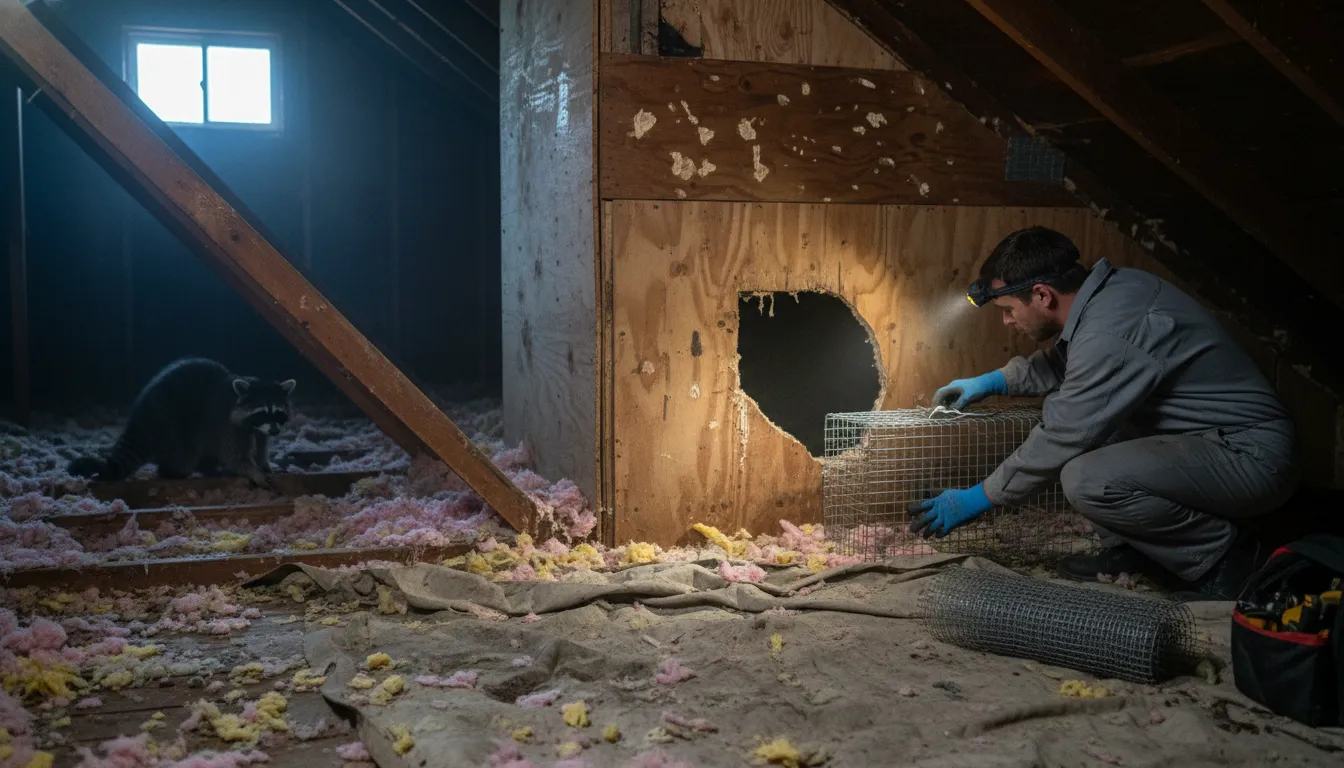
Find the Best Wildlife Removal Companies for Your Business
No obligation • Fast responses • Nationwide coverage

Why you can trust Pest Crews
Pest Crews is a leading U.S. resource for finding and evaluating residential and commercial pest control services. Our team researches providers, reviews treatment approaches, and organizes unbiased information to help you make informed decisions. Companies cannot pay to change our editorial content or influence how they appear.
Search providers near you
Top Wildlife Removal Companies in Tigard, Oregon Ranked
Living in Tigard means sharing our beautiful green spaces with a variety of native wildlife. While this is part of the area's charm, it can become a serious problem when raccoons, squirrels, or other animals decide your attic, crawlspace, or garden is their new home. Professional wildlife removal is the specialized service of safely and legally resolving conflicts with nuisance animals that pose health risks or cause property damage. This guide explains the common wildlife issues in Tigard, outlines your options from do-it-yourself prevention to hiring a professional, and provides the local resources you need to protect your home.

Pest & Pollinator LLC
315 SE 61st Ave, Portland, OR 97215
Pest & Pollinator LLC is a pest control company based in Portland, OR, specializing in eco-friendly integrated pest management solutions. Owner Keith Chaloux brings over a decade of experience in habitat restoration and pest control, focusing on protecting native species and promoting biodiversity. The company offers services including ant and rodent control, wildlife removal, and tree, turf, and shrub care. Pest & Pollinator LLC emphasizes safe, environmentally conscious methods to manage pests while supporting natural ecosystems.
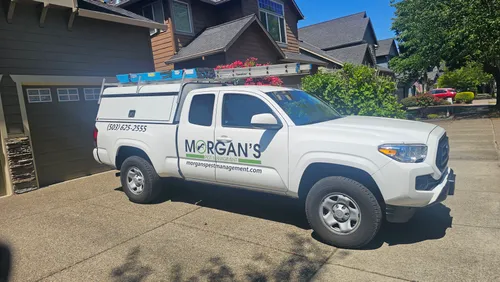
Morgan's Pest Management
Portland, OR
Morgan's Pest Management is a pest control company based in Portland, OR, serving Portland neighborhoods and surrounding cities including Sherwood, Tigard, Beaverton, and more. They provide services for bed bug treatment, ant control, rodent control, bee and wasp removal, wildlife removal, and general pest extermination. With over 10 years of experience, they handle a variety of pests such as ants, spiders, wasps, hornets, yellow jackets, mice, rats, squirrels, and fleas.
Northwest Wildlife Removal
Salem, OR
Northwest Wildlife Removal is a wildlife removal company based in Salem, OR. They specialize in safely removing unwanted wildlife from residential and commercial properties. The company operates during regular weekday hours and focuses on humane and effective wildlife control solutions.
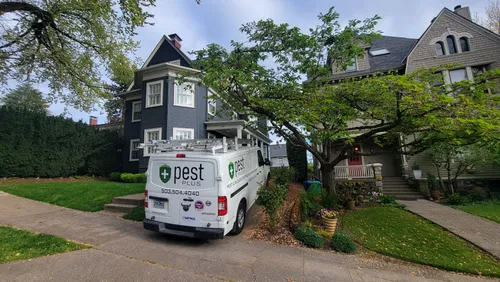
Pest Plus LLC
Portland, OR
Pest Plus LLC is a locally owned pest control company serving the Portland, OR metro area and surrounding regions. They provide custom pest management solutions for residential, commercial, and industrial clients. Their services include thorough inspections, advanced exclusion repairs, crawlspace and attic restorations, sanitation services, and solar panel exclusions. Pest Plus specializes in wildlife removal, rodent control, ant control, bee and wasp removal, and bird and pigeon control. The company emphasizes tailored strategies and offers flexible service programs without long-term contracts to meet customer needs.
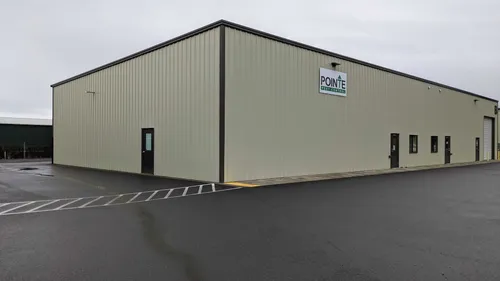
Pointe Pest Control - Vancouver
5900 NE 152nd Ave Bldg B #250, Vancouver, WA 98682
Pointe Pest Control - Vancouver provides pest control and wildlife removal services in Portland, OR. They handle infestations of rodents, ants, cockroaches, bed bugs, bees, wasps, pigeons, and other pests. Their technicians are experienced in identifying vulnerable areas of homes and managing infestations ranging from moderate to advanced. Pointe Pest Control has extensive knowledge of pest behavior and control methods to address a variety of pest problems effectively.
Common Nuisance Wildlife in Tigard
The Tigard area is home to a diverse array of mammals and birds that can become problematic for residents. Understanding which species you're dealing with is the first step toward an effective solution.
Frequent Mammal Intruders:
- Raccoons: Highly intelligent and dexterous, raccoons are notorious for tipping over trash cans, tearing up lawns for grubs, and finding their way into attics or chimneys to create dens. They can carry diseases like rabies and roundworm.
- Squirrels: Both Eastern gray squirrels and Douglas squirrels can chew through siding, soffits, and electrical wiring to enter attics, creating fire hazards and significant damage with their nesting materials.
- Opossums & Skunks: These animals often seek shelter under decks, sheds, or porches. While opossums eat pests like ticks and slugs, and skunks provide some insect control, their presence can lead to odors, digging, and potential spray incidents.
- Coyotes & Deer: As urban areas expand, encounters with coyotes and deer are more common. Coyotes may prey on small pets, while deer can devastate landscaping and gardens 1.
- Rodents: Rats and mice are year-round pests that contaminate food, chew wires, and can quickly establish large infestations inside walls.
Problematic Birds:
- Pigeons & Starlings: These birds often roost on building ledges, in barns, or under bridges, where their acidic droppings can damage property and pose health risks.
- Woodpeckers: They may drill into siding or eaves in search of insects or to create nesting cavities, causing both noise and structural damage.
Your Options for Managing Wildlife Conflicts
When wildlife becomes a nuisance, you generally have three paths: do-it-yourself prevention and exclusion, contacting local authorities, or hiring a licensed professional.
Do-It-Yourself Prevention and Exclusion
For minor issues or as a proactive measure, many homeowners can effectively reduce wildlife problems. The core principles are making your property less attractive and accessible.
- Eliminate Food Sources: This is the most critical step. Use wildlife-resistant trash cans with locking lids, never leave pet food outdoors overnight, and clean up fallen fruit or bird seed regularly 2.
- Seal Entry Points: Conduct a thorough inspection of your home's exterior. Look for gaps in the roofline, loose vent covers, and holes in the foundation. Seal any openings larger than a quarter-inch using durable materials like steel wool, hardware cloth, or metal flashing. Remember, an opening the size of a golf ball can admit a rat, and one the size of a baseball can admit a raccoon.
- Use Habitat Modifications and Deterrents: Trim tree branches that overhang your roof to limit access for squirrels and raccoons. Install fencing around gardens to deter deer and rabbits. For birds, consider installing netting, spikes, or visual deterrents on favored roosting spots.
- Trapping Considerations: Live trapping is an option, but it comes with significant legal and ethical responsibilities in Oregon. It is crucial to know that for many species, including raccoons and skunks, you must obtain a permit from the Oregon Department of Fish and Wildlife (ODFW) before setting a trap 3. Furthermore, relocating trapped wildlife is often illegal, as it can spread disease and is rarely humane for the animal. For these reasons, on-site euthanasia is a common outcome for legally trapped nuisance animals, which is why many residents opt for professional assistance from the start 3.
When to Contact Tigard Animal Services or Authorities
Certain situations require immediate intervention from local government agencies rather than a private service.
- Aggressive or Sick Animals: If you encounter a wild animal that is acting strangely, appears disoriented, or is aggressively approaching people or pets, do not attempt to handle it. Contact Washington County Animal Services or the Tigard Police non-emergency line at (503) 629-0111 4.
- Dead Animals on Public Property: For deceased wildlife on public roads or in parks, you should contact Washington County Land Use & Transportation Operations for deer or elk, or the City of Tigard's Public Works Department for other animals.
- Large-Scale Nuisance Issues: In cases of persistent problems with deer or elk populations, Tigard city officials can petition the ODFW for population management measures 5.
Find the perfect wildlife removal companies for your needs
Get personalized recommendations and expert advice
Hiring a Professional Wildlife Control Operator (WCO)
For safe, legal, and permanent resolution of most wildlife conflicts, hiring a licensed Wildlife Control Operator (WCO) is the recommended course of action.
What is a WCO? A Wildlife Control Operator is a professional who is permitted by the ODFW to handle, trap, and manage nuisance wildlife. They have the species-specific knowledge, equipment, and legal authority to resolve conflicts effectively.
You should call a WCO for:
- Removal of animals from inside your home (attic, walls, chimney).
- Dealing with potentially dangerous species (e.g., large raccoon infestations, venomous snakes, or bats, which require special handling due to rabies vectors).
- Complex exclusion work that requires repairs to prevent re-entry.
- Situations where you are unable or unwilling to obtain the necessary state permits for trapping.
What to Expect: A reputable WCO will conduct a thorough inspection, identify all active entry points and species involved, and present a plan for removal and exclusion. The process almost always involves sealing the entry points after the animals are removed to ensure none are trapped inside. As noted, relocation is rarely a legal option, so homeowners should be prepared for the professional to follow state regulations, which may include euthanasia for certain trapped species.
Understanding Wildlife Removal Costs in Tigard
The cost for professional animal removal services in Tigard varies based on the species, the number of animals, the location of the problem, and the extent of repairs needed.
Based on data from Oregon-focused services, you can expect baseline costs to start around $300 or more for the removal of a single animal like a raccoon or squirrel from an attic 6 7 8. This fee typically covers inspection, trapping, and removal. Costs increase significantly for:
- Multiple animals or a family group (e.g., a mother raccoon with kits).
- Complex removals from hard-to-reach areas like inside walls or chimneys.
- Exclusion and repair work, which is essential for a permanent solution. This involves sealing all potential entry points with durable materials and may include installing one-way doors, repairing chewed siding, or reinforcing vents.
- Sanitation and decontamination services to clean up droppings, urine, and nesting materials, which is important for health and odor control.
Always request a detailed, written estimate that breaks down the costs for removal, exclusion, and any repairs before work begins.
Key Local Resources for Tigard Residents
- Oregon Department of Fish & Wildlife (ODFW): The primary regulatory body. Their website provides the official list of permitted Wildlife Control Operators and details on state wildlife laws.
- OSU Extension Service: An invaluable resource for research-based, do-it-yourself guides on preventing and managing conflicts with everything from deer in the garden to rodents in the home 9 10.
- Washington County Animal Services: The local authority for reports of aggressive, sick, or injured wildlife 11.
Frequently asked questions
Sources
Footnotes
-
Skunks, opossum, raccoons, coyotes, deer, and elk often are ... - https://knowyourforest.org/media/2690 ↩
-
Skunks, opossum, raccoons, coyotes, deer, and elk ... - Wsu - https://s3.wp.wsu.edu/uploads/sites/2079/2015/06/Living-with-Nuisance-Wildlife-OSU.pdf ↩
-
Common raccoon | Oregon Department of Fish & Wildlife - https://myodfw.com/wildlife-viewing/species/common-raccoon ↩ ↩2
-
What to do with an animal that is behaving strangely or aggressively - https://wildlifehelp.org/solution/district-columbia/tree-squirrel/what-do-animal-behaving-strangely-or-aggressively/93 ↩
-
ORS 498.012 - Taking wildlife causing damage, posing public ... - https://oregon.public.law/statutes/ors_498.012 ↩
-
Wildlife Control Operators - WCO Permit - https://myodfw.com/wildlife-control-operators-wco-permit ↩
-
How Much Does Wildlife Removal Cost? [2026 Data] - Angi - https://www.angi.com/articles/what-cost-animal-removal.htm ↩
-
Humane Wildlife Services - Think Wild - https://www.thinkwildco.org/humane-wildlife-exclusion/ ↩
-
Manage Wildlife Conflicts in Your Home and Garden - https://extension.oregonstate.edu/catalog/pnw-719-manage-wildlife-conflicts-your-home-garden ↩
-
Nuisance wildlife | OSU Extension Service - https://extension.oregonstate.edu/pests-weeds-diseases/nuisance-wildlife ↩
-
Resources for Animals Outside of the Shelter - https://www.washingtoncountyor.gov/animal-services/animals-outside-shelter ↩