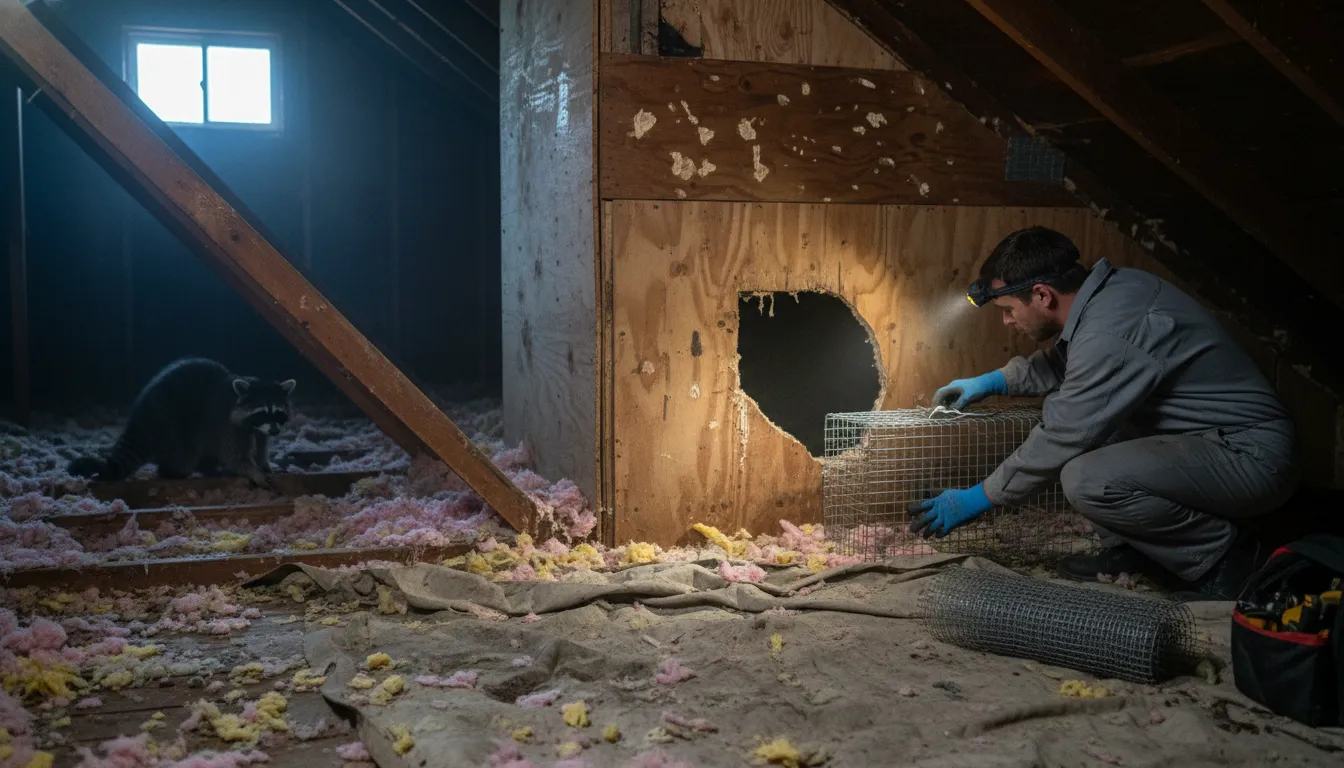
Find the Best Wildlife Removal Companies for Your Business
No obligation • Fast responses • Nationwide coverage
Why you can trust Pest Crews
Pest Crews is a leading U.S. resource for finding and evaluating residential and commercial pest control services. Our team researches providers, reviews treatment approaches, and organizes unbiased information to help you make informed decisions. Companies cannot pay to change our editorial content or influence how they appear.
Search providers near you
Top Wildlife Removal Companies in Pittsburgh, Pennsylvania Ranked
Finding an unexpected raccoon in your attic or a family of squirrels nesting in your walls is a common Pittsburgh experience. Nuisance wildlife removal is the process of safely and legally addressing these situations, which is crucial for protecting your property and ensuring the humane treatment of protected animals. This guide explains the common wildlife issues in the area, outlines your legal responsibilities, and helps you understand when to handle a problem yourself and when to seek professional animal control services.
Critter Control of NW Pittsburgh
Pittsburgh, PA
Critter Control of NW Pittsburgh provides wildlife and pest removal services in Pittsburgh, PA. They handle a variety of nuisance animals including raccoons, squirrels, bats, groundhogs, and stinging insects. Their approach includes inspection, humane removal, exclusion, and repair to prevent future infestations. The company specializes in raccoon and squirrel trapping, bat exclusion, and groundhog control, offering sanitation and ectoparasite treatments as part of their restoration services. They serve both residential and commercial properties, addressing wildlife issues common to the region's unique environment.
Court Pest Control LLC
3131 5th Ave, North Versailles Township, PA 15137
Court Pest Control LLC is a pest management company serving Pittsburgh, PA, specializing in residential and commercial pest control. Their services include bed bug treatment, ant control, rodent management, termite inspections, bee and wasp removal, and wildlife removal. The company uses safe and effective methods tailored to local pest issues, focusing on long-term results and customer comfort. Court Pest Control emphasizes personalized service, scheduling flexibility, and a commitment to honesty and trustworthiness.
Animal Services Wildlife Pest Control
Pittsburgh, PA
Animal Services Wildlife Pest Control is a wildlife removal company based in Pittsburgh, PA. The business specializes in the safe and humane handling of urban wildlife, serving Allegheny County and surrounding areas. Founded by William Gompers in 1978, the company follows methods developed in collaboration with state game commissioners to ensure professional wildlife management. Since 1992, Ken Knight, a licensed pesticide applicator certified by the PA Game Commission, has partnered with Gompers to address nuisance wildlife issues in urban settings.
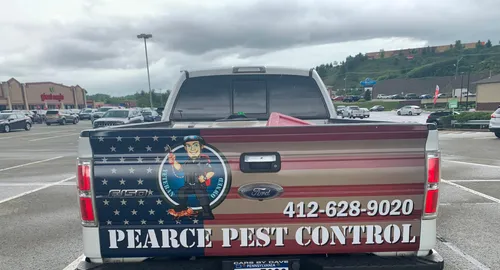
Pearce Pest Control
146 1st St, North Versailles Township, PA 15137
Pearce Pest Control is a veteran-owned pest control company based in North Versailles, serving Pittsburgh, PA, and the surrounding Southwest Pennsylvania region. They provide pest management services for residential and commercial properties, including termite inspections and eradication, bed bug removal, mosquito control, general pest removal, and wildlife exclusion. Their certified technicians follow Pennsylvania regulations and use environmentally friendly methods. Pearce Pest Control offers various service plans, including one-time, quarterly, and monthly options, as well as two-year termite contracts.
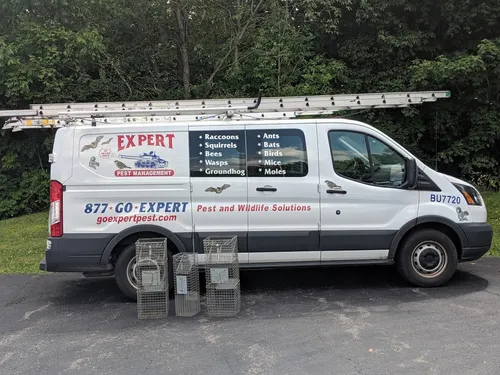
Expert Pest Management Inc.
506 McKnight Park Dr Suite A, Pittsburgh, PA 15237
Expert Pest Management Inc. is a locally owned pest control company serving Pittsburgh, PA, and surrounding areas. They provide a wide range of pest management services including bed bug treatment, rodent control, ant and cockroach extermination, bee and wasp removal, bird and wildlife control, and commercial pest control. Established in 1980, the company offers targeted treatments as well as quarterly and monthly pest control programs to protect homes and businesses from over 20 different pests. Their team is licensed, insured, and trained to handle various pest issues with updated equipment and methods. Same-day service is available for residential and commercial customers.
Common Nuisance Wildlife in Pittsburgh
The mix of urban neighborhoods, river valleys, and wooded hillsides in Pittsburgh creates ideal habitats for several species that often come into conflict with homeowners. Understanding which animal you're dealing with is the first step toward an effective solution.
- Raccoons: These intelligent, dexterous mammals are frequent visitors, drawn by accessible garbage, pet food, and fruit trees. They seek sheltered spaces like attics, chimneys, and crawlspaces to raise their young, potentially causing significant damage to insulation, wiring, and roofing.
- Squirrels: Both gray and flying squirrels are adept at finding entry points into homes, often via gaps in soffits, roof vents, or chimney caps. Once inside, they can chew on structural wood and electrical wires, creating fire hazards and noise, especially during their dawn and dusk activity periods.
- Bats: Several species of bats, which are beneficial insect-eaters, may roost in attics, barns, or behind shutters. A single bat flying inside a living space is a concern, but a colony roosting in your home can create odor and guano accumulation issues that require specialized removal.
- Groundhogs (Woodchucks): These burrowing rodents can undermine foundations, sheds, and decks with their extensive tunnel systems. They are often found in yards with gardens, as they are voracious vegetarians.
- Rats & Mice: While often grouped with general pest control, rodent infestations require specific exclusion and trapping strategies. Professionals often discourage the use of poisons due to the risk of secondary poisoning to pets, owls, and other wildlife that may eat the poisoned rodents.
Effective Wildlife Control Strategies
Successfully managing a wildlife problem involves more than just removing the animal; it requires preventing its return. A combination of removal, exclusion, and habitat modification is most effective.
Exclusion: Sealing the Deal
The most permanent solution to wildlife intrusion is to make your home inaccessible. This involves a thorough inspection to identify entry points-which can be as small as a quarter for mice-and sealing them with durable materials like steel wool, hardware cloth, or copper mesh. Key areas to check include roof intersections, vents, gaps around utility lines, and foundation cracks 1. For bats, a special one-way exclusion device is often used to allow them to exit but not re-enter, following strict seasonal guidelines to avoid trapping flightless young.
Live Trapping: A Regulated Tool
For animals like groundhogs or squirrels, live trapping is a common method. The City of Pittsburgh's Animal Care & Control (ACC) even loans out humane traps to residents under specific conditions: traps must be used only on your property, checked daily, and not used during heavy rain, high winds, or extreme temperatures. It's critical to understand that trapping is just one step; without proper exclusion, a new animal will likely take the vacant territory.
Preventative Habitat Modification
Making your property less attractive is a proactive form of animal control. This includes:
- Securing trash cans with tight-fitting lids or bungee cords.
- Removing bird feeders, especially those that spill seed on the ground.
- Picking up fallen fruit from trees.
- Trimming tree branches back at least 6-8 feet from the roofline.
- Keeping woodpiles and dense brush away from the house foundation 2.
Find the perfect wildlife removal companies for your needs
Get personalized recommendations and expert advice
Legal Framework and When to Call for Help
All wildlife in Pennsylvania is protected by law under the jurisdiction of the Pennsylvania Game Commission (PGC). This means you cannot simply trap and relocate an animal. Relocation is often illegal without a permit and is ecologically discouraged, as it can spread disease and doom the relocated animal. Landowners have certain rights to address wildlife causing property damage, but these actions must comply with state regulations 3.
Key Regulatory Contacts
- Pittsburgh Animal Care & Control (ACC): Primarily handles domestic animals but can provide guidance, trap loans, and may assist with large or dangerous wildlife situations, particularly for elderly or disabled residents 4 5.
- Pennsylvania Game Commission (PGC): The primary authority for all wild birds and mammals. Contact your regional PGC office for questions about regulations, permits, or if you are unsure how to proceed with a wildlife problem on your property 6.
- Licensed Nuisance Wildlife Control Operators (NWCOs): For complex, dangerous, or persistent problems, a licensed NWCO is required. These professionals hold special permits from the PGC that allow them to legally trap, transport, and dispatch nuisance wildlife 7. They have the expertise and tools to solve problems humanely and permanently.
When to Call a Professional Immediately
DIY methods are not always appropriate. You should contact a professional wildlife removal service or the authorities for:
- Dangerous animals on your property, such as coyotes or bears.
- Any animal suspected of having rabies (displaying unusual aggression, disorientation, or daytime activity in nocturnal species).
- Large bat colonies in your attic.
- Wildlife inside your living spaces that you cannot safely usher out.
- If you are uncomfortable or unable to comply with the strict trapping and handling regulations.
Understanding Wildlife Removal Costs
The cost for professional animal removal in Pittsburgh varies significantly based on the species, the extent of the infestation, and the complexity of the exclusion work required. It's important to get a detailed, on-site inspection and quote.
- Squirrel or Raccoon Removal (Single Animal/Entry Point): Costs often range from $300 to $800 or more. This typically includes assessment, humane trapping or eviction, removal of the animal, and minor exclusion work to seal the primary entry point.
- Bat Colony Removal & Exclusion: This is one of the more complex and costly services, generally ranging from $1,000 to $3,000+. The price reflects the meticulous process of installing one-way exits, waiting for the entire colony to leave, permanently sealing all potential entry points (which can be very small), and often includes initial clean-up of guano 8.
- Groundhog/Woodchuck Trapping: Removal for a burrowing groundhog typically falls between $200 and $500+, depending on the location and accessibility of the den. Coordination with PGC regulations may be part of the service 9 10.
- Rat or Mouse Extermination & Exclusion: Pricing for rodent control is highly variable based on infestation size, starting around $250 and reaching $700 or more. Comprehensive service focuses on identifying and sealing entry points and using strategic trapping rather than poison 11 12.
Frequently asked questions
Sources
Footnotes
-
Wildlife Exclusion Services Pittsburgh - https://pittsburgh.aaacwildliferemoval.com/services/wildlife-exclusion-services-pittsburgh/ ↩
-
Critter Control - Allegheny County - Master Gardener - https://extension.psu.edu/programs/master-gardener/counties/allegheny/additional-resources/deer-and-pest-problems/critter-control ↩
-
Landowner's Guide to Wildlife Control and Prevention Laws in Pennsylvania - https://extension.psu.edu/landowners-guide-to-wildlife-control-and-prevention-laws-in-pennsylvania ↩
-
Living with Wildlife - Pittsburgh, PA - https://www.pittsburghpa.gov/Safety/Animal-Care-Control/Living-with-Wildlife ↩
-
Animal Care & Control - Pittsburgh, PA - https://www.pittsburghpa.gov/Safety/Animal-Care-Control ↩
-
Request Help with Wildlife - Commonwealth of Pennsylvania - https://www.pa.gov/services/pgc/request-help-with-wildlife-on-my-property ↩
-
58 Pa. Code Subchapter T. Nuisance Wildlife Control Operator - https://www.pacodeandbulletin.gov/Display/pacode?file=/secure/pacode/data/058/chapter147/subchapTtoc.html&d=reduce ↩
-
Navigating Wildlife Removal - Laws and Considerations - https://paanimalremoval.com/navigating-wildlife-removal-laws-and-considerations/ ↩
-
NW Pittsburgh, PA Wildlife Control & Removal - https://www.crittercontrol.com/office-finder/pennsylvania/pittsburgh-nw/ ↩
-
Nuisance Wildlife | Game Commission | Commonwealth of Pennsylvania - https://www.pa.gov/agencies/pgc/wildlife/nuisance-wildlife ↩
-
Pittsburgh Wildlife Animal Control - Removal Company - http://www.wildlifeanimalcontrol.com/Pittsburgh.html ↩
-
Allegheny County Animal Services / Pennsylvania PA - http://www.aaanimalcontrol.com/Professional-Trapper/county/PA-Allegheny-County-Animal-Services.htm ↩