Find the Best Wildlife Removal Companies for Your Business
No obligation • Fast responses • Nationwide coverage

Why you can trust Pest Crews
Pest Crews is a leading U.S. resource for finding and evaluating residential and commercial pest control services. Our team researches providers, reviews treatment approaches, and organizes unbiased information to help you make informed decisions. Companies cannot pay to change our editorial content or influence how they appear.
Search providers near you
Top Wildlife Removal Companies in Layton, Utah Ranked
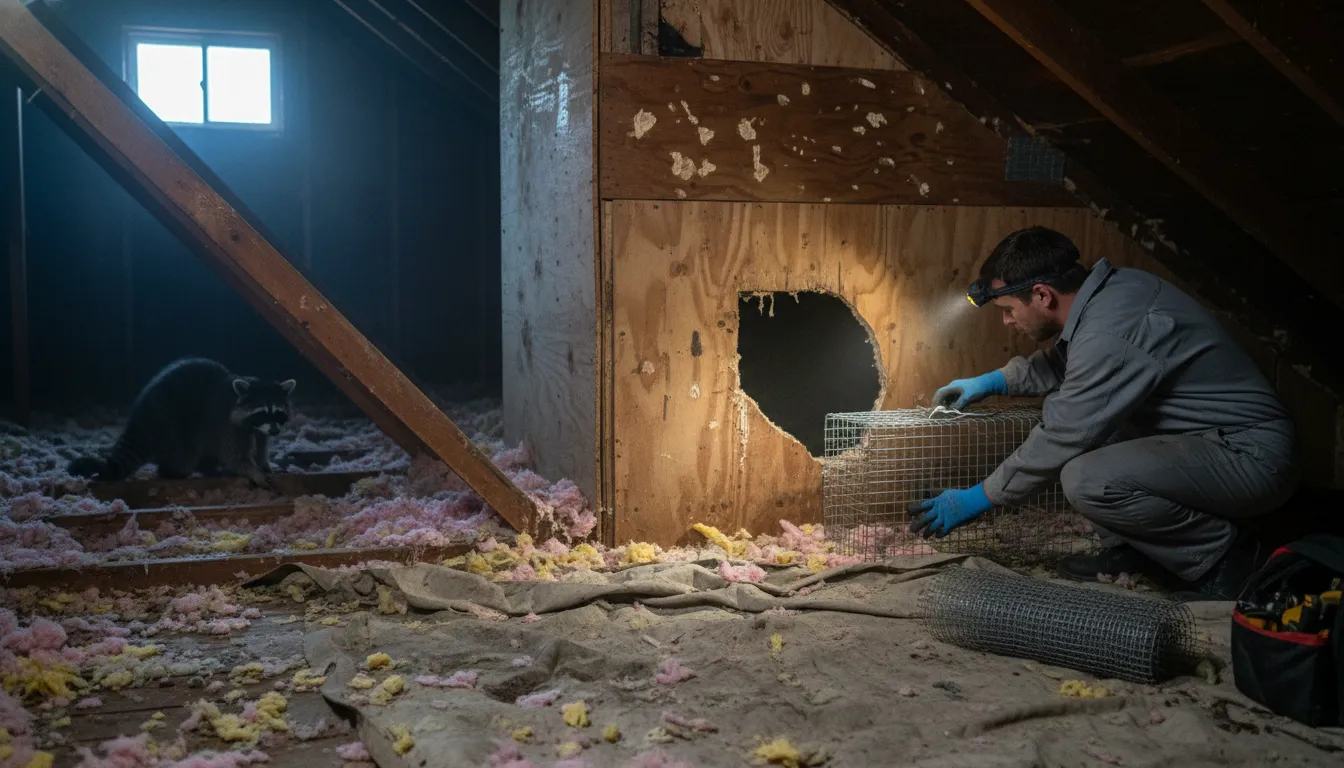
Living in Layton means enjoying beautiful mountain views and proximity to nature, but sometimes that wildlife gets a little too close for comfort. Wildlife removal is the professional service of safely and humanely managing nuisance animals that have entered homes or businesses, such as raccoons, squirrels, and skunks. This matters because these intruders can cause significant property damage, create health hazards, and their removal is strictly regulated by Utah state law. You can use this resource to understand your options, learn when to call a professional, and find qualified local experts in animal control and exclusion.
Pest Pro Pest Control
3335 S 900 E Ste 200, Salt Lake City, UT 84106
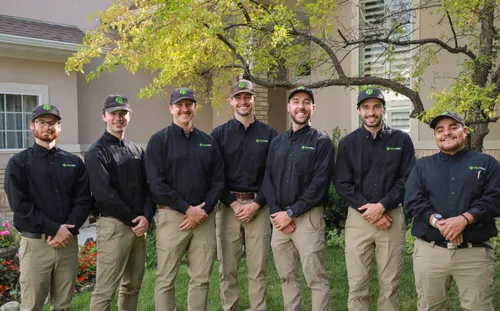
Pest Pro Pest Control is a Salt Lake City, UT-based company specializing in residential and commercial pest management. They offer services including bed bug treatment, rodent and wildlife removal, termite inspections, and insect control such as ants, cockroaches, and wasps. Their approach centers on Integrated Pest Management (IPM), using EPA-registered, family- and pet-friendly products to address infestations while minimizing environmental impact. Recognized with multiple local awards in 2025, Pest Pro combines certified expertise with a focus on long-term pest prevention and safety.
Thorn Pest Solutions Salt Lake City
Salt Lake City, UT
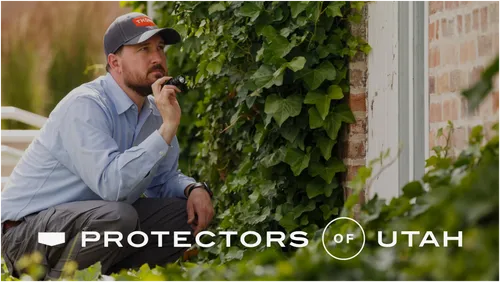
Thorn Pest Solutions Salt Lake City is a pest management company serving Salt Lake City, UT, with over 15 years of experience. They provide comprehensive residential and commercial pest control services, addressing issues such as bed bugs, cockroaches, ants, rodents, termites, mosquitoes, bees, wasps, and wildlife. Their approach is science-backed and customized, involving thorough inspections and tailored treatment plans to effectively manage and prevent infestations. Thorn's team includes certified entomologists and urban rodentologists who apply biology-based methods to protect homes and businesses from pests that can cause health risks and structural damage. Established in 2007, Thorn Pest Solutions focuses on long-term prevention and offers specialized services for various industries including government, hospitality, food processing, schools, and healthcare.
Mountain West Pest Control
3343 S Main St, Salt Lake City, UT 84115
Mountain West Pest Control is a locally owned pest control company serving Salt Lake City, UT. They provide comprehensive pest management services for homes and businesses, including treatment for ants, bed bugs, cockroaches, mosquitoes, rodents, termites, and wildlife removal. Their approach covers the entire property from curb to fence line and includes the use of hospital-grade, people- and pet-friendly products. Mountain West Pest Control also offers lawn care services designed to prevent pest attraction and conserve water. Founded by experienced professionals from national companies, they focus on personalized service and offer free re-treatments between quarterly visits.
Legacy Pest Control
357 S 200 E #302, Salt Lake City, UT 84111
Legacy Pest Control is a pest control company based in Salt Lake City, UT, offering services for both residential and commercial properties. They provide treatments for a wide range of pests including bed bugs, cockroaches, ants, rodents, termites, bees, wasps, and wildlife. Legacy Pest Control is known for using all-natural, green pest control products that are safe for pets and children. They have over 20 years of experience serving the Utah area and offer tailored pest management systems to meet specific customer needs. Their service area includes Salt Lake City and extends across the Wasatch Front, covering multiple counties and cities in Utah.
Apex Pest and Lawn
Salt Lake City, UT
Apex Pest and Lawn provides pest control and lawn care services in Salt Lake City, UT. Serving the community since 2009, they handle a wide range of pests including termites, ants, cockroaches, rodents, and mosquitoes, using kid- and pet-friendly products. Their services cover both residential and commercial properties, offering thorough inspections and tailored treatment plans. They also provide comprehensive lawn care solutions such as fertilization, grub prevention, and disease treatments to maintain healthy turf. Licensed technicians ensure effective pest management and lawn maintenance with a focus on safety and long-term results.
Common Wildlife Intruders in Layton Homes
The diverse habitats around Layton support a variety of mammals that can become unwelcome houseguests. Knowing which animal you're dealing with is the first step toward a solution.
- Raccoons: These intelligent, dexterous animals are common culprits for attic invasions. They tear up insulation, contaminate spaces with droppings, and can carry diseases like rabies.
- Squirrels: Fox squirrels and other tree squirrels often chew their way into attics and eaves. Their constant gnawing can damage electrical wiring, posing a serious fire hazard.
- Skunks & Opossums: These animals typically seek shelter under decks, sheds, or in crawl spaces. While opossums are generally less destructive, skunks pose a clear odor problem and can dig up lawns in search of grubs.
- Rodents: This category includes roof rats, house mice, and even ground squirrels or prairie dogs in certain areas. They are prolific breeders and can squeeze through incredibly small gaps to access food and shelter in your home.
- Bats: Bat colonies in attics are a serious concern due to health risks associated with their guano (droppings), which can harbor fungal spores. Their removal and exclusion require specialized techniques and are often subject to specific regulations due to their protected status in some contexts.
These animals typically gain entry through vulnerable points like roof vents, loose soffits, gaps in siding, openings around utility lines, and spaces under decks or porches.
DIY Prevention vs. Professional Wildlife Control
For minor issues, homeowners can take proactive steps to prevent wildlife from moving in. Effective do-it-yourself (DIY) strategies focus on exclusion and making your property less attractive.
- Seal Entry Points: Carefully inspect your home's exterior for gaps, holes, or loose materials. Use sturdy materials like steel wool, hardware cloth (wire mesh), or sheet metal to seal potential entryways. Remember to check that all animals are out before sealing them in.
- Remove Attractants: Secure trash cans with locking lids or bungee cords. Keep pet food indoors, clean up fallen fruit from trees, and avoid leaving bird seed in accessible feeders overnight. Eliminating easy food and water sources is a powerful deterrent.
- Trim Vegetation: Cut back tree branches that overhang or touch your roof, as they provide a highway for squirrels and raccoons. Keep shrubs and bushes trimmed away from the foundation of your house.
However, there are clear limits to DIY efforts, and knowing when to call a licensed professional is crucial for your safety and compliance with the law.
You need a licensed Wildlife Control Operator (WCO) for:
- Trapping and Relocating: Utah state laws, enforced by the Utah Division of Wildlife Resources (DWR), have strict rules about trapping and relocating most wildlife species. It often requires a permit or must be done by a licensed professional.
- Handling Live Animals: Dealing with a trapped, scared, or aggressive animal like a raccoon or skunk is dangerous. Professionals have the training and equipment to handle them safely.
- Removing Sick or Injured Animals: Animals that are behaving strangely may be sick (e.g., with distemper or rabies). Professionals know how to identify these risks and manage them appropriately.
- Complex Infestations: Removing a colony of bats or a family of raccoons from an attic requires specialized exclusion devices (like one-way doors) and techniques to ensure all animals are out before the entry is permanently sealed.
- Structural Repairs: After removal, the entry point must be professionally repaired to prevent re-infestation. A WCO will ensure the repair is both effective and durable.
Find the perfect wildlife removal companies for your needs
Get personalized recommendations and expert advice
Understanding Costs for Animal Removal Services
The cost of professional wildlife control in Layton varies based on the species, the extent of the infestation, and the complexity of the removal and repair work. While prices can fluctuate, here is a general overview of what you might expect 1 2 3 4 5:
- Basic Inspection & Minor Sealing: A professional assessment and sealing of a few small entry points typically ranges from $150 to $300+.
- Skunk or Opossum Removal: The removal of a single animal from under a deck or shed is often on the lower end of the scale, generally costing between $250 and $600+.
- Squirrel or Raccoon Removal: Removing these animals from an attic, including trapping, removal, and sealing the primary entry point, is more involved. Costs usually fall between $300 and $800+.
- Bat Exclusion: This is a specialized and multi-step process that requires installing one-way exclusion devices and meticulously sealing all potential entry points. Bat removal and exclusion projects often range from $500 to $1,000 or more.
It's important to get a detailed, written estimate from any provider. A reputable professional will explain exactly what services are included, such as the number of service visits, warranty on exclusion work, and whether cleanup or decontamination is part of the quote.
Who to Call: Navigating Local Agencies and Regulations
Knowing which agency to contact can save you time and ensure the situation is handled correctly.
- For Immediate Threats (Aggressive Animals, Bites, Injured Wildlife): Contact Davis County Animal Care field services. They respond to situations involving aggressive dogs, livestock issues, animal bites or attacks, and injured animals needing immediate assistance. They are the primary point of contact for dangerous situations requiring an urgent official response.
- For General Nuisance Wildlife Removal: For non-emergency situations where wildlife is in your home or causing property damage, you should contact a licensed Utah Wildlife Control Operator (WCO). These are private professionals permitted to trap and remove nuisance wildlife in accordance with state regulations 6 7.
- For Hunting/Trapping Regulations & Large Game: The Utah Division of Wildlife Resources (DWR) sets all regulations concerning wildlife. Contact them for questions about specific species regulations, permits, or issues involving large game like deer or moose.
- For Noise Complaints (e.g., Barking Dogs): General nuisance complaints that do not involve immediate danger or wildlife are typically handled by your local police department's non-emergency line or municipal code enforcement 8 9.
Utah state law emphasizes the humane treatment of animals 10. This legal framework is why the trapping and relocation of wildlife is so regulated, making professional intervention not just a convenience but often a legal necessity.
The Professional Removal Process: What to Expect
When you hire a professional wildlife removal service in Layton, a standard process ensures the problem is solved thoroughly and humanely.
- Inspection: The technician will conduct a thorough inspection of your property, inside and out, to identify the species, locate all entry points, and assess the extent of the damage or contamination.
- Removal Plan: They will present a detailed plan that outlines the removal method (often using live traps or exclusion devices), a timeline, and the cost. They should also explain the relevant Utah DWR regulations governing the work.
- Animal Removal & Exclusion: Using approved techniques, the animals will be removed. Crucially, the technician will then install professional-grade exclusion materials on all identified entry points. For species like bats, this involves installing one-way doors that allow animals to exit but not re-enter.
- Sealing & Repair: Once it is confirmed all animals are out, the exclusion devices are removed and the entry points are permanently sealed with durable materials like steel flashing, hardware cloth, and construction-grade sealants.
- Cleanup & Deodorization (Optional): Many companies offer sanitization and decontamination services to clean up droppings, urine, and nesting materials. Deodorizing agents are used to eliminate scents that might attract new wildlife to the same spot.
Choosing a provider with proper Utah licensing, insurance, and a strong reputation for humane practices is essential for a safe, effective, and legal resolution to your wildlife problem.
Frequently asked questions
Sources
Footnotes
-
What to Do Now That You've Trapped a Nuisance Wild Animal - https://digitalcommons.usu.edu/cgi/viewcontent.cgi?article=3516&context=extension_curall ↩
-
Wildlife Removal Layton - https://salt-lake-city.aaacwildliferemoval.com/service-area/layton/ ↩
-
residential wildlife control in Utah. - Thorn Pest Solutions - https://thornservices.com/residential-pest-control/wildlife-control ↩
-
How Much Does It Cost To Hire An Exterminator? - https://www.fixr.com/costs/pest-control ↩
-
The Cost of Wildlife Removal: What You Need to Know - https://coastalwildlifeservices.com/cost-of-wildlife-removal/ ↩
-
Raccoon Control - Salt Lake City - https://www.pestproutah.com/raccoon-control/ ↩
-
Best Wildlife Removal in Layton, UT - #1 Wildlife Service - https://utahanimalremoval.com/service-area/wildlife-removal-layton/ ↩
-
Field Services - Davis County - https://www.daviscountyutah.gov/animalcare/field-services ↩
-
About Animal Cruelty Investigations - spcaLA - https://spcala.com/programs-services/about-aps/ ↩
-
13-3-1: CRUELTY TO ANIMALS: - American Legal Publishing - https://codelibrary.amlegal.com/codes/ogdencityut/latest/ogdencity_ut/0-0-0-17578 ↩