Find the Best Wildlife Removal Companies for Your Business
No obligation • Fast responses • Nationwide coverage

Why you can trust Pest Crews
Pest Crews is a leading U.S. resource for finding and evaluating residential and commercial pest control services. Our team researches providers, reviews treatment approaches, and organizes unbiased information to help you make informed decisions. Companies cannot pay to change our editorial content or influence how they appear.
Search providers near you
Top Wildlife Removal Companies in Orem, Utah Ranked
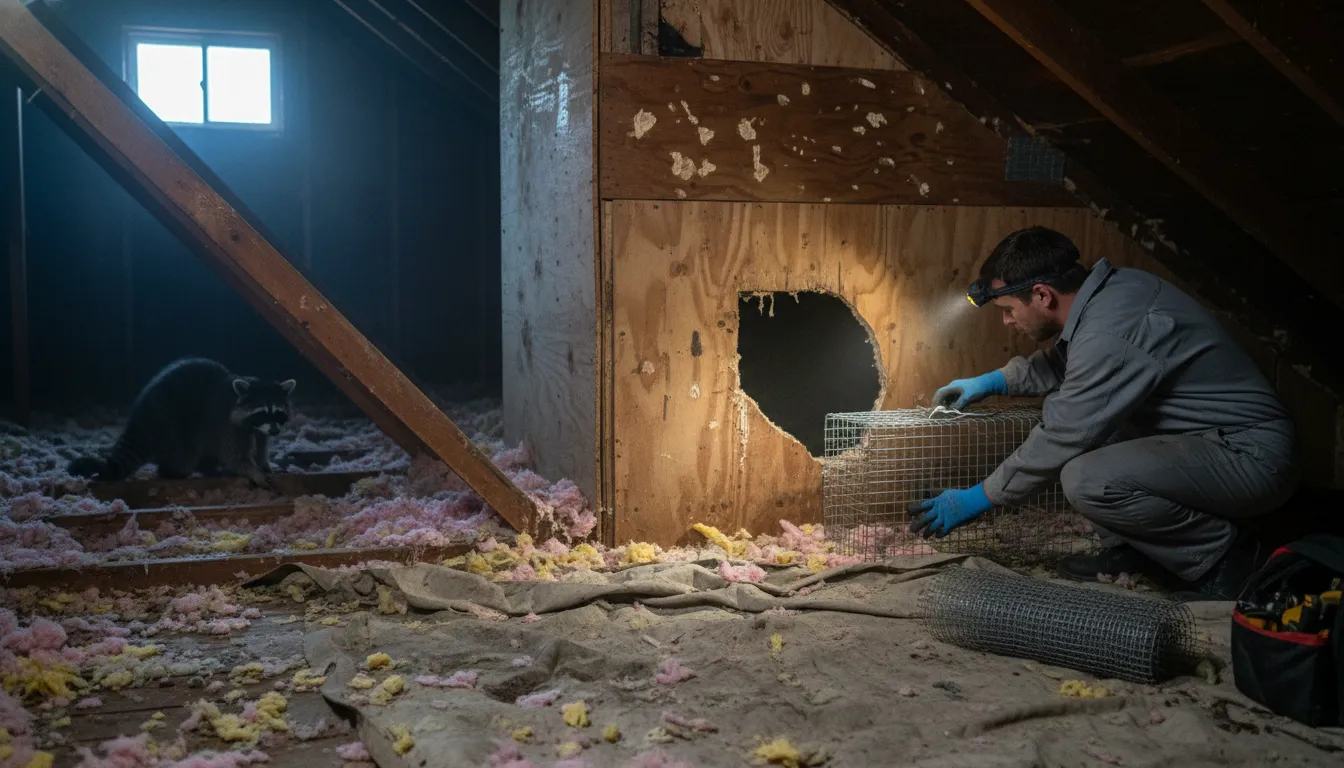
Finding an unexpected animal in your attic, chimney, or crawl space can be unsettling. Wildlife removal is the professional service dedicated to humanely and legally resolving conflicts with wild animals that have entered homes or businesses. This process is crucial for protecting your property from damage and ensuring the health and safety of your family. For Orem residents, navigating local wildlife issues involves understanding what you can do yourself, when to call for help, and how to find qualified professionals who follow Utah's specific regulations.
Pest Pro Pest Control
3335 S 900 E Ste 200, Salt Lake City, UT 84106
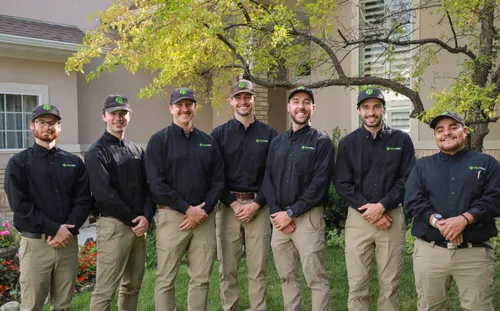
Pest Pro Pest Control is a Salt Lake City, UT-based company specializing in residential and commercial pest management. They offer services including bed bug treatment, rodent and wildlife removal, termite inspections, and insect control such as ants, cockroaches, and wasps. Their approach centers on Integrated Pest Management (IPM), using EPA-registered, family- and pet-friendly products to address infestations while minimizing environmental impact. Recognized with multiple local awards in 2025, Pest Pro combines certified expertise with a focus on long-term pest prevention and safety.
Thorn Pest Solutions Salt Lake City
Salt Lake City, UT
Thorn Pest Solutions Salt Lake City is a pest management company serving Salt Lake City, UT, with over 15 years of experience. They provide comprehensive residential and commercial pest control services, addressing issues such as bed bugs, cockroaches, ants, rodents, termites, mosquitoes, bees, wasps, and wildlife. Their approach is science-backed and customized, involving thorough inspections and tailored treatment plans to effectively manage and prevent infestations. Thorn's team includes certified entomologists and urban rodentologists who apply biology-based methods to protect homes and businesses from pests that can cause health risks and structural damage. Established in 2007, Thorn Pest Solutions focuses on long-term prevention and offers specialized services for various industries including government, hospitality, food processing, schools, and healthcare.
Daniel's Wildlife & Pest Control
6870 S Village Green Rd, Cottonwood Heights, UT 84121
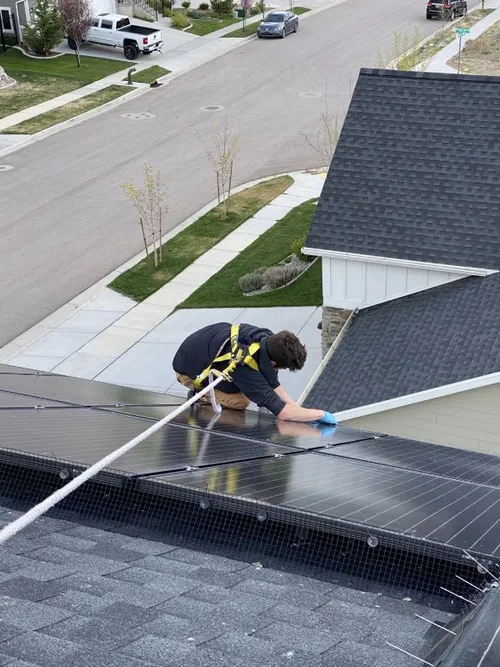
Daniel's Wildlife & Pest Control is a wildlife removal and pest control company based in Salt Lake City, UT. They provide services to manage and remove various wildlife and pest issues in the area. The company focuses on safe and effective wildlife and pest control solutions tailored to local needs.
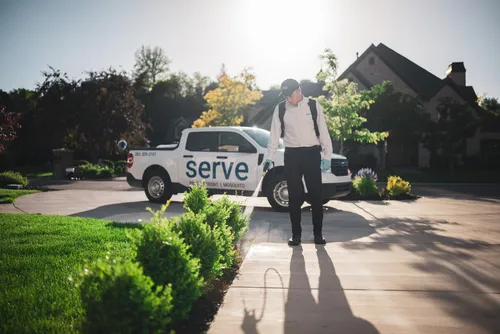
Serve Pest Control
9980 S 300 W, Sandy, UT 84070
Serve Pest Control provides comprehensive pest control services in Salt Lake City, UT, handling a wide range of pests including ants, cockroaches, rodents, termites, mosquitoes, bees, wasps, and wildlife. Their licensed technicians offer both residential and commercial pest management, using environmentally friendly products and customized treatment plans to ensure safe and effective pest elimination. The company treats entire properties and offers a year-round pest warranty with unlimited re-services if pests return. Serve Pest Control has built its expertise through years of experience and focuses on maintaining safe environments for families and businesses.

Mountain West Pest Control
3343 S Main St, Salt Lake City, UT 84115
Mountain West Pest Control is a locally owned pest control company serving Salt Lake City, UT. They provide comprehensive pest management services for homes and businesses, including treatment for ants, bed bugs, cockroaches, mosquitoes, rodents, termites, and wildlife removal. Their approach covers the entire property from curb to fence line and includes the use of hospital-grade, people- and pet-friendly products. Mountain West Pest Control also offers lawn care services designed to prevent pest attraction and conserve water. Founded by experienced professionals from national companies, they focus on personalized service and offer free re-treatments between quarterly visits.
Common Wildlife Intruders in Orem
The unique geography of Utah Valley, nestled against the Wasatch Range, brings a variety of wildlife into close contact with suburban neighborhoods like those in Orem. Knowing which animals are most likely to cause problems is the first step in effective wildlife control.
Rodents: This category includes rats and mice, which are year-round pests seeking shelter and food. They can squeeze through incredibly small gaps and are notorious for chewing wires, insulation, and structural wood, creating significant fire hazards and damage.
Tree Squirrels and Ground Squirrels: Particularly active in spring and fall, squirrels often invade attics to build nests. Their constant gnawing can damage siding, roof vents, and electrical lines. Hearing scurrying noises during the day is a common sign of a squirrel problem 1.
Raccoons: These intelligent, dexterous mammals are strong enough to tear off shingles or vent covers to access attics or crawl spaces. They seek out den sites to raise young and are attracted to unsecured garbage or pet food.
Bats: Small colonies of bats may roost in attics or behind shutters. While beneficial for insect control, their guano (droppings) can pose serious health risks and create odor problems. Bat exclusion is highly regulated and requires specialized techniques and timing.
Skunks: Usually found under decks, sheds, or porches, skunks dig for grubs and create burrows. The primary concern is, of course, their potent defensive spray, which can permeate a home if they are startled under a structure.
Snakes: Non-venomous snakes, such as garter snakes, may enter yards or basements in search of rodents or cool shelter. Their presence is often a secondary sign of a rodent issue 2.
What Homeowners Can Do: DIY Prevention and Exclusion
Before an animal moves in, proactive measures are your most effective and affordable line of defense. Successful nuisance wildlife management starts with making your property less attractive and accessible.
- Eliminate Food Sources: Secure trash cans with locking lids or bungee cords. Bring pet food indoors overnight and clean up fallen fruit or bird seed from the ground. Compost piles should be well-contained.
- Remove Shelter Opportunities: Trim tree branches back at least six feet from your roofline to limit access for squirrels and raccoons. Keep woodpiles elevated and away from your home's foundation. Clear dense vegetation near the house3.
- Seal Entry Points: This is the most critical step. Conduct a thorough inspection of your home's exterior. Look for loose siding, gaps under eaves, and holes where utilities enter. Seal cracks in the foundation with steel wool or hardware cloth, and install sturdy, professionally-fitted chimney caps and vent covers.
- Use Deterrents Thoughtfully: Motion-activated sprinklers or lights can startle animals away from gardens. However, once an animal is inside your home, deterrents are rarely effective and may trap them, worsening the situation.
When DIY Isn't Enough: Recognizing the Need for Professional Animal Removal
There are clear situations where attempting to handle wildlife yourself is unsafe, ineffective, or illegal. Calling a licensed wildlife control operator is the recommended course of action for:
- Animals Inside Living Spaces: If a raccoon, squirrel, or bat is in your main living area, basement, or garage.
- Signs of Infestation: Persistent noises (scratching, scurrying, chirping) in walls or ceilings, especially if heard at different times of day (squirrels are diurnal; rodents are often nocturnal).
- Visible Damage or Odors: Finding chewed wires, insulation, or wood, or detecting strong, unusual odors from attics or crawl spaces.
- Potential Health Hazards: Discovering accumulations of droppings (feces), urine, or nesting materials, which require proper biohazard cleanup.
- Protected or Difficult Species: Bat removal is strictly regulated due to their protected status and requires specific exclusion methods. Similarly, dealing with a cornered raccoon or skunk poses significant safety risks.
Find the perfect wildlife removal companies for your needs
Get personalized recommendations and expert advice
Understanding Utah and Orem Wildlife Regulations
Utah has specific laws governing the trapping and handling of native wildlife. The Utah Division of Wildlife Resources (UDWR) sets these regulations, which every homeowner and professional must follow.
- Trapping on Your Property: Generally, homeowners may trap nuisance animals causing damage on their own property. However, you are responsible for checking traps frequently (at least once every 24 hours).
- Permit Requirements: Trapping and relocating most fur-bearing animals (like raccoons and skunks) requires a permit from the UDWR before you begin. It is illegal to trap and release an animal on public land, another person's property, or far from its capture site without authorization4 5.
- Definition of a Nuisance Animal: Local ordinances, such as those in Utah County, define a nuisance animal as one that damages property, repeatedly threatens persons or pets, or fouls the air with odors6.
- Role of Animal Control: The Orem Animal Control department primarily handles domestic animal issues-stray dogs and cats, licensing, and immediate threats from animals suspected of rabies. For conflicts with wild animals, they typically refer residents to licensed wildlife professionals or the UDWR7.
The Professional Wildlife Removal Process
When you hire a qualified Orem wildlife removal service, you can expect a comprehensive approach focused on permanent solutions, not just quick fixes.
- Inspection and Assessment: A technician will perform a detailed inspection of your property's interior and exterior to identify the pest species, locate all entry points, and assess the extent of damage and contamination.
- Humane Removal and Trapping: Using species-appropriate, legal methods, the professional will remove the animals. This may involve live trapping, one-way exclusion doors, or hands-on removal. Ethical operators will check for and reunite young animals with their mothers when possible.
- Cleanup and Sanitation: After removal, the affected area must be cleaned. This involves removing contaminated insulation, nesting materials, and droppings, followed by disinfecting and deodorizing the space to eliminate health risks and odors.
- Exclusion and Repair: This is the most important step to prevent recurrence. All identified entry points are permanently sealed with durable materials like steel mesh, hardware cloth, or professional-grade sealants. This may also include repairing damage to vents, soffits, or roofing.
- Prevention Advice: A reputable professional will provide recommendations for ongoing habitat modification to keep your property wildlife-resistant.
Cost Considerations for Wildlife Control in Orem
The cost of professional animal removal and exclusion in Orem is not a flat fee; it varies based on several key factors8 9 10. Simple jobs may cost a few hundred dollars, while complex infestations with major repairs can run into the thousands.
- Animal Species and Number: Removing a single ground squirrel is less involved than evicting a family of raccoons with babies from an attic.
- Location and Accessibility: An animal in an easy-to-reach crawl space is simpler to address than one trapped inside a wall void or high in a chimney.
- Extent of Damage and Contamination: Services that include significant repairs (e.g., replacing chewed wiring or rafters) or extensive biohazard cleanup (like from a large bat colony) will increase the overall price11 12.
- Service Scope: A full-service solution-inspection, humane removal, complete exclusion/sealing, and sanitization-represents a long-term investment in protecting your home. Many companies offer free inspections and detailed quotes.
Frequently asked questions
Sources
Footnotes
-
Utah Humane & Affordable Wildlife Control - https://wildlifeandpest.com/utah-wildlife-control.html ↩
-
residential wildlife control in Utah. - Thorn Pest Solutions - https://thornservices.com/residential-pest-control/wildlife-control ↩
-
Wild Aware Utah | Care - https://www.wildawareutah.org/care/ ↩
-
What to Do Now That You've Trapped a Nuisance Wild Animal - https://digitalcommons.usu.edu/cgi/viewcontent.cgi?article=3516&context=extension_curall ↩
-
Administrative rules - Utah Division of Wildlife Resources - https://wildlife.utah.gov/35-administrative-rules.html?start=10 ↩
-
CHAPTER 5. ANIMAL CONTROL REGULATIONS - https://www.utahcounty.gov/apps/WebLink/Dept/ATTY/Chap5_4.pdf ↩
-
Animal Control - City of Orem - https://orem.gov/animal-control/ ↩
-
Orem Wildlife Control / Utah Animal Removal - http://www.aaanimalcontrol.com/professional-trapper/city/UT-Orem.htm ↩
-
Orem Wildlife Removal, Pest Animal Control UT - http://www.wildlife-removal.com/city/UT-Orem.htm ↩
-
Orem Wildlife Removal - Utah Animal Pest Control - http://oremwildliferemoval.com/ ↩
-
Orem Humane & Affordable Wildlife Control - https://wildlifeandpest.com/utah-wildlife-control/orem-wildlife-control.html ↩
-
Orem Wildlife Animal Control - Wildlife Animal Control - http://www.wildlifeanimalcontrol.com/Orem.html ↩