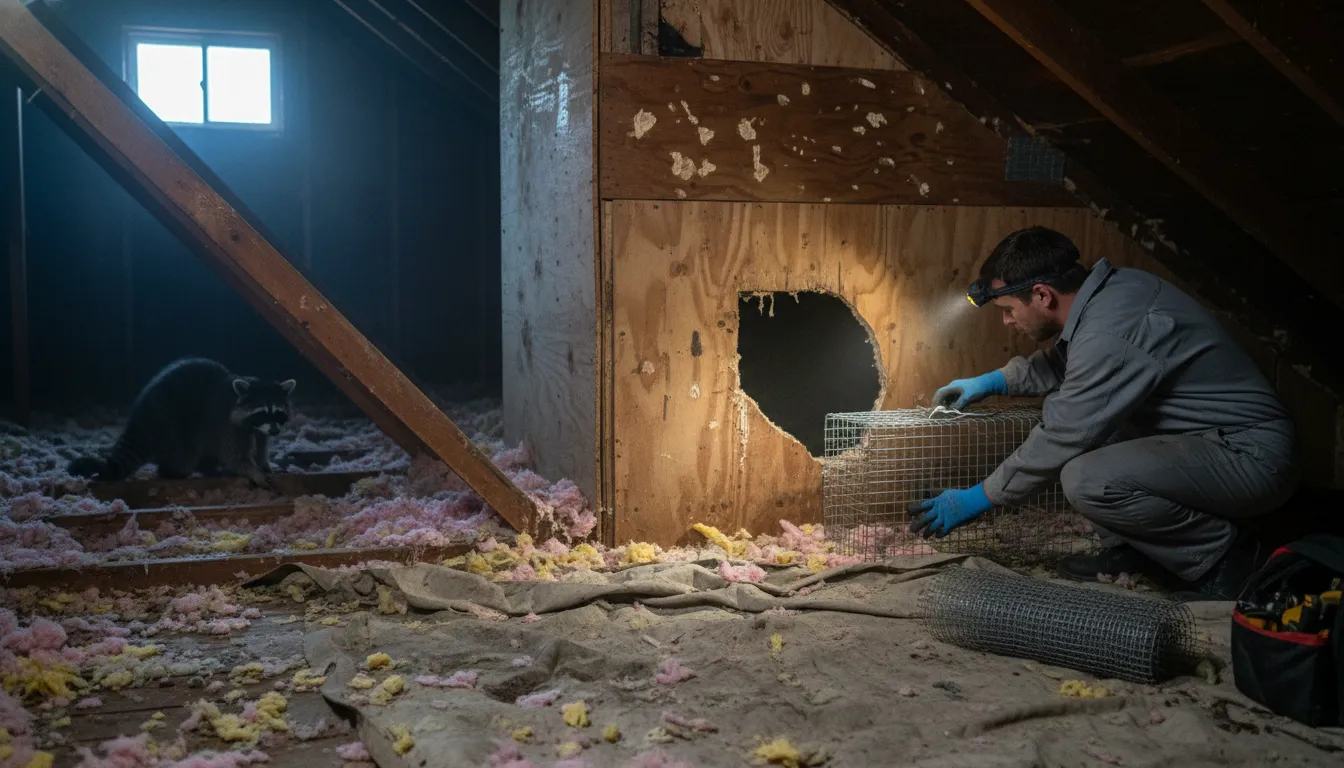
Find the Best Wildlife Removal Companies for Your Business
No obligation • Fast responses • Nationwide coverage
Why you can trust Pest Crews
Pest Crews is a leading U.S. resource for finding and evaluating residential and commercial pest control services. Our team researches providers, reviews treatment approaches, and organizes unbiased information to help you make informed decisions. Companies cannot pay to change our editorial content or influence how they appear.
Search providers near you
Top Wildlife Removal Companies in Provo, Utah Ranked
Living in Provo means sharing our beautiful valley with a diverse array of wild animals. While seeing deer or hearing coyotes can be part of the mountain-west charm, these creatures can become a serious nuisance when they damage property, create health hazards, or pose safety risks. Professional wildlife removal and animal control services are essential for resolving these conflicts safely and legally, adhering to Utah's specific regulations. This guide will help you understand the common wildlife issues in Provo, when to call for help, and how to find qualified local experts for humane and effective solutions.
Daniel's Wildlife & Pest Control
6870 S Village Green Rd, Cottonwood Heights, UT 84121
Daniel's Wildlife & Pest Control is a wildlife removal and pest control company based in Salt Lake City, UT. They provide services to manage and remove various wildlife and pest issues in the area. The company focuses on safe and effective wildlife and pest control solutions tailored to local needs.
Serve Pest Control
9980 S 300 W, Sandy, UT 84070
Serve Pest Control provides comprehensive pest control services in Salt Lake City, UT, handling a wide range of pests including ants, cockroaches, rodents, termites, mosquitoes, bees, wasps, and wildlife. Their licensed technicians offer both residential and commercial pest management, using environmentally friendly products and customized treatment plans to ensure safe and effective pest elimination. The company treats entire properties and offers a year-round pest warranty with unlimited re-services if pests return. Serve Pest Control has built its expertise through years of experience and focuses on maintaining safe environments for families and businesses.
Quality Care Pest Control
Salt Lake City, UT
Quality Care Pest Control is a locally owned and operated pest control company serving Salt Lake City, UT. They offer comprehensive pest management services including cockroach, ant, rodent, bee and wasp removal, and wildlife exclusion. The company specializes in sealing rodent entry points to prevent infestations and provides customized maintenance plans tailored to client needs. Quality Care Pest Control is experienced in handling various pests such as carpenter ants, black widow spiders, yellow jackets, and pack rats, with a focus on child- and pet-safe treatments. They have a strong presence in Park City and Summit County and have been trusted by property management companies for over five years.
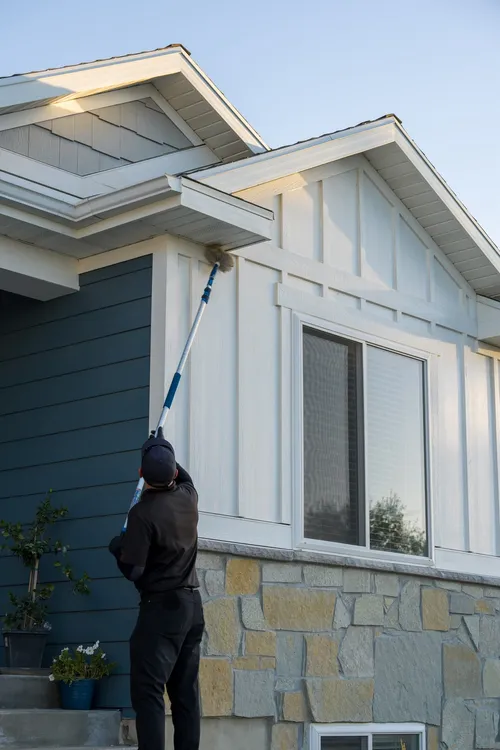
Service First Pest Management
Salt Lake City, UT
Service First Pest Management is a pest control company based in Salt Lake City, UT, serving Utah County, Davis County, and surrounding areas. They provide residential and commercial pest management services, including cockroach, ant, bird, and wildlife removal. Their approach combines effective pest elimination with preventative measures to maintain pest-free environments. The company also offers specialized services such as bioremediation, odor management, and bird exclusion using humane methods. Service First Pest Management is available seven days a week to accommodate customer needs.
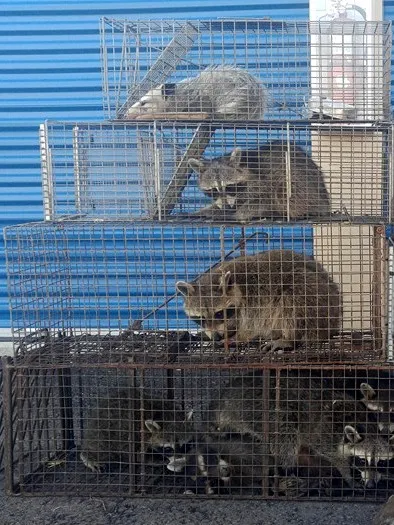
Wildlife Removal Salt Lake City
Salt Lake City, UT
Wildlife Removal Salt Lake City provides wildlife removal and control services in Salt Lake City, UT. They specialize in humane trapping and relocation of animals such as opossums, raccoons, birds, and rodents. The company focuses on prevention by helping secure homes against wildlife entry and offers 24/7 availability for wildlife emergencies. Their expertise includes safe removal techniques and advice on critter-proofing properties to avoid future infestations. They serve Salt Lake City and surrounding cities and counties, addressing a range of wildlife issues with an emphasis on humane and legal handling.
Common Nuisance Wildlife in Provo
The urban-wildland interface in Provo attracts a variety of animals seeking food, water, and shelter. Knowing which species are most likely to cause problems is the first step in managing them.
Mammals:
- Deer: Perhaps the most visible, deer can cause significant landscaping damage and become aggressive, especially during rutting season or when protecting fawns.
- Raccoons & Skunks: These nocturnal scavengers are notorious for tipping over trash cans, digging up lawns for grubs, and denning under decks or in attics. Skunks add the obvious risk of a potent, lingering spray.
- Rodents: This category includes roof rats, house mice, squirrels, and voles. Squirrels and rats often chew electrical wiring and structural wood, while pocket gophers and moles tunnel through yards, damaging roots and creating tripping hazards.
- Coyotes & Bats: Coyotes may prey on small pets and are increasingly seen in neighborhoods. Bats, while beneficial for insect control, can roost in attics, creating guano piles that pose health risks and require specialized exclusion techniques.
Birds and Insects:
- Birds: Pigeons and starlings often nest in building eaves, vents, and attics, where their droppings can corrode materials and spread disease.
- Stinging Insects: Wasps and yellow jackets build nests in soffits, wall voids, or underground, presenting a stinging threat to residents.
Understanding Utah's Wildlife Laws and Who to Call
A critical aspect of dealing with wildlife in Provo is knowing which agency handles which situation. Taking matters into your own hands can be illegal for protected species or may require specific permits from the Utah Division of Wildlife Resources (UDWR).
Call Provo Animal Control For:
This city department handles issues primarily related to domestic animals and immediate public safety threats from wildlife.
- Aggressive, injured, or sick domestic pets (dogs, cats).
- Stray, lost, or dangerous domestic animals.
- Barking dog complaints, off-leash pets, or animal waste issues.
- Dead animal removal from public property or city roadways (for state roads, you can use the Utah Roadkill Reporter App)1.
Contact the Utah Division of Wildlife Resources (UDWR) For:
The UDWR manages all wild, free-ranging wildlife in the state.
- Aggressive deer, moose, elk, or other large wildlife.
- Wildlife that appears sick or injured (excluding obvious pets).
- Serious, non-domestic wildlife conflicts, such as coyotes or cougars in a neighborhood.
- Questions about licensing, regulations, or whether an animal is protected.
- Important Note: It is prohibited to feed wild deer, elk, moose, or turkey in Utah, as it leads to increased conflict and disease spread2 3.
Hire a Licensed Wildlife Removal Professional For:
When an animal is inside a structure or requires trapping, a licensed professional is your best option.
- Animals actively living in your attic, walls, chimney, or under your home (e.g., raccoons, squirrels, skunks, bats).
- Situations requiring live trapping and relocation, where allowed by law.
- Implementing long-term exclusion (sealing entry points) and cleanup services.
- Complex removals that require specialized knowledge, such as bat colonies or beehives.
Find the perfect wildlife removal companies for your needs
Get personalized recommendations and expert advice
Prevention: Your First Line of Defense
The most effective and cost-efficient wildlife control starts with making your property less attractive to pests. Consistent prevention can avoid the need for removal altogether.
For Rodents and Small Mammals:
- Seal Entry Points: Conduct a thorough inspection of your home's exterior. Seal any holes, cracks, or gaps larger than a quarter-inch with steel wool, hardware cloth, or caulk. Pay special attention to areas where utility lines and pipes enter the home, roof vents, and soffits.
- Remove Food Sources: Keep pet food indoors. Use trash cans with tight-fitting, locking lids. Clean up fallen fruit from trees and bird seed from under feeders.
- Manage Landscaping: Trim tree branches back at least 6 feet from the roofline to prevent squirrels and roof rats from accessing your roof. Keep woodpiles and dense shrubbery away from the home's foundation.
For Deer:
- Landscape with Deterrents: Plant deer-resistant native shrubs and flowers. Use physical barriers like fencing (at least 8 feet tall) for valuable gardens4.
- Remove Attractants: Secure compost piles and avoid planting favorite deer foods like tulips, hostas, and roses near your home's perimeter.
General Practices:
- Secure Potential Den Sites: Cover crawl space vents with sturdy mesh and install chimney caps.
- Practice Hazing: If you see a coyote in your yard, make yourself look big, make loud noises, and throw small objects (not food) in its direction to reinforce its fear of humans.
The Wildlife Removal Process: What to Expect
If prevention fails and you need to hire a professional, understanding the standard process can help you choose a qualified provider.
- Inspection and Assessment: A reputable technician will perform a detailed inspection of your property, inside and out, to identify the pest species, locate all entry points, and assess the extent of the damage or infestation.
- Removal Plan: The professional will present a plan that may include live trapping, one-way exclusion doors, or direct removal, always in compliance with UDWR regulations. They will explain what happens to the animal afterward (e.g., legal relocation or euthanasia if diseased)5.
- Exclusion (The Most Critical Step): Simply removing the animal is not enough. The service must include sealing all identified entry points with durable materials to prevent re-entry. This is the key to a permanent solution 6.
- Cleanup and Restoration: For infestations in attics or walls, professionals should offer decontamination services. This involves removing contaminated insulation, cleaning and disinfecting the area with enzyme cleaners, and addressing odors, particularly from rodent urine or carcasses7.
- Follow-up and Warranty: Many companies offer a service warranty for their exclusion work, promising to return if the animal problem recurs within a certain period, ensuring the job was done correctly.
Cost Considerations for Wildlife Control in Provo
The cost of wildlife management in Provo varies significantly based on the animal, the severity of the infestation, and the services required.
- DIY Prevention and Minor Control: Sealing entry points yourself may cost $20-$100 for materials like caulk, steel wool, and hardware cloth. Using snap traps for mice or rats is a low-cost option after sealing their entryways8.
- Professional Trapping and Removal: For common issues like raccoons, squirrels, or skunks in an attic, expect to pay between $200 and $600+ for a complete job that includes inspection, humane trapping, removal, and basic exclusion work.
- Complex or Specialized Removal: Situations involving bats, which require careful exclusion of the entire colony at the right time of year, or large-scale rodent infestations requiring attic cleanup and insulation replacement, can range from $500 to over $1,0009.
- Large Animal Concerns: Incidents involving deer or moose are typically handled by the UDWR or specialized contractors at variable costs, often depending on the specific circumstances and required equipment.
Remember, the cheapest option is not always the most economical. Incomplete exclusion will lead to recurring problems, making a thorough, professional job a better long-term investment.
Frequently asked questions
Sources
Footnotes
-
Animal Control | Provo, UT - https://www.provo.gov/790/Animal-Control ↩
-
R657-3b CIP New Rule - Utah Division of Wildlife Resources - https://wildlife.utah.gov/public_meetings/rac_minutes/2023-05-R657-3b-cip-new-rule.pdf ↩
-
Ch. 8.02 Animal Control Generally | Provo City Code - https://provo.municipal.codes/Code/8.02 ↩
-
Spotted wildlife in your neighborhood? Here's when to report it to the ... - https://wildlife.utah.gov/news/utah-wildlife-news/2021-when-to-report-spotted-wildlife-in-your-neighborhood-to-the-dwr.html ↩
-
What to Do Now That You've Trapped a Nuisance Wild Animal - https://digitalcommons.usu.edu/cgi/viewcontent.cgi?article=3516&context=extension_curall ↩
-
Provo Wildlife Animal Control - Trappers and Pest Removal - http://www.wildlifeanimalcontrol.com/Provo.html ↩
-
Provo Humane & Affordable Wildlife Control - https://wildlifeandpest.com/utah-wildlife-control/provo-wildlife-control.html ↩
-
Provo Wildlife Control / Utah Animal Removal - http://www.aaanimalcontrol.com/professional-trapper/city/UT-Provo.htm ↩
-
Best Wildlife Removal in Layton, UT - #1 Wildlife Service - https://utahanimalremoval.com/service-area/wildlife-removal-layton/ ↩