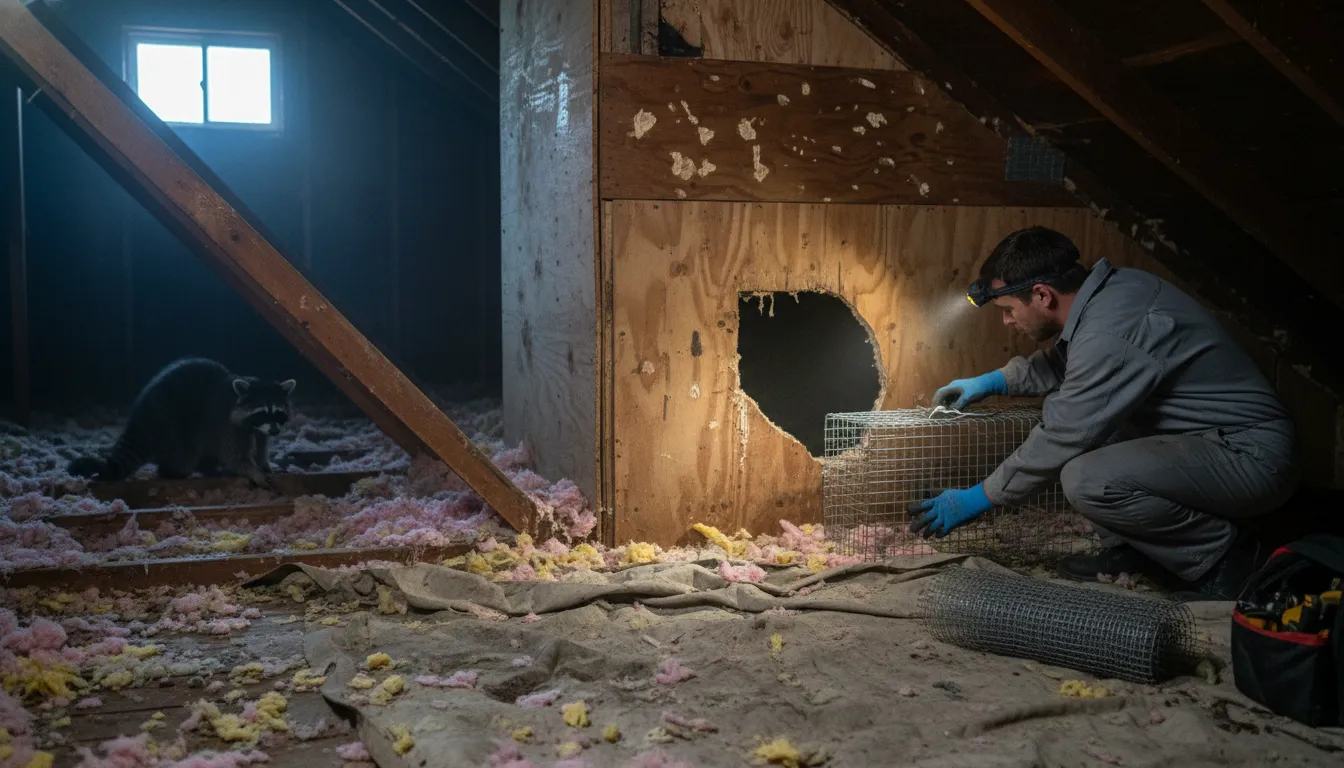
Find the Best Wildlife Removal Companies for Your Business
No obligation • Fast responses • Nationwide coverage

Why you can trust Pest Crews
Pest Crews is a leading U.S. resource for finding and evaluating residential and commercial pest control services. Our team researches providers, reviews treatment approaches, and organizes unbiased information to help you make informed decisions. Companies cannot pay to change our editorial content or influence how they appear.
Search providers near you
Best Wildlife Removal Companies in Virginia Ranked
Finding an uninvited animal in your attic, chimney, or crawl space can be unsettling. In Virginia, addressing wildlife intrusions requires a careful balance of humane action and strict adherence to state regulations. Professional wildlife control is not just about trapping an animal; it's about understanding species-specific laws, preventing disease transmission, and ensuring long-term exclusion from your property. This resource provides clear, practical information on Virginia's rules, costs, and processes to help you navigate finding qualified local specialists who can resolve your situation safely and legally.
PestNow of Central Virginia | Richmond
7300 Hanover Green Dr #102, Mechanicsville, VA 23111
PestNow of Central Virginia | Richmond offers comprehensive pest control services in Richmond, VA. They specialize in eliminating ants, roaches, termites, mosquitoes, ticks, fleas, and wildlife such as squirrels, bats, and raccoons. Their licensed technicians provide termite inspections, general pest control, wildlife removal, and insulation services tailored to local pest pressures. Founded in 1995, this veteran-owned company has over 25 years of experience serving Central Virginia homeowners. They also provide emergency pest removal when needed.
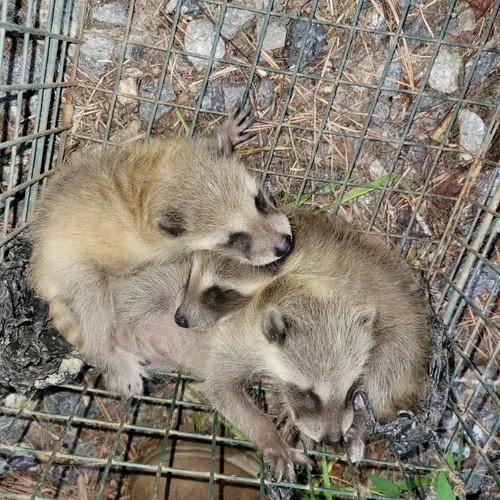
Nice Wildlife Service, LLC
Richmond, VA
Nice Wildlife Service, LLC is a wildlife removal and pest control company based in Richmond, VA. They provide commercial and residential exclusion services, including pest removal, sanitization, insulation replacement, and building repairs to prevent future infestations. The company serves Richmond, Virginia Beach, Chesapeake, and surrounding areas. With over 10 years of experience, they are licensed contractors and members of relevant wildlife control associations. They also offer wildlife removal courses to the community.
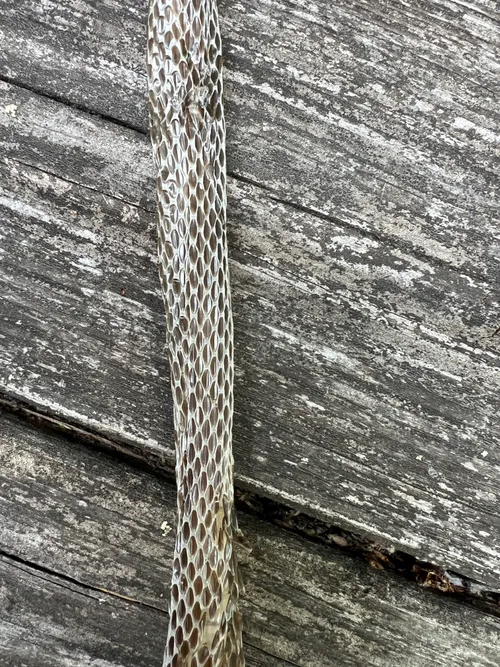
Richmond Animal Exterminator
103 N 5th St, Richmond, VA 23224
Richmond Animal Exterminator offers humane wildlife removal services in Richmond, VA. They specialize in trapping and relocating animals such as skunks, raccoons, opossums, squirrels, bats, and birds without using poisons or harmful chemicals. Their services also include rodent control with permanent removal methods, attic animal removal, damage repair, and property cleaning after animal removal. With over a decade of experience, they provide 24/7 customer support and quick callouts within 24 hours to assess and address wildlife issues.
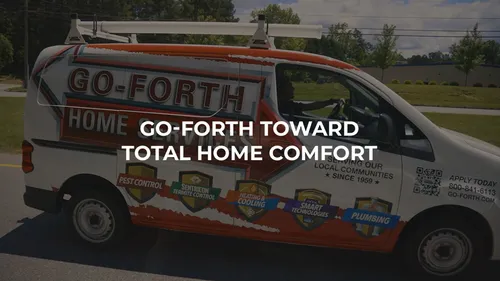
Go-Forth Pest Control
1431 Air Rail Ave, Virginia Beach, VA 23455
Go-Forth Pest Control is a family-owned pest control company serving Virginia Beach, VA, since 1959. They offer comprehensive pest management services for homes and businesses, including ant, termite, rodent, mosquito control, and wildlife removal. Their approach combines thorough inspections with eco-friendly treatments tailored to the local coastal environment. Go-Forth specializes in termite inspections and ongoing prevention, using advanced monitoring and treatment methods to protect structures from damage. They also provide commercial pest control solutions customized to meet regulatory requirements. Same-day and emergency services are available to address urgent pest issues promptly.
Terminix
957 Norfolk Square, Norfolk, VA 23502
Terminix offers pest, termite, wildlife, and moisture control services in Virginia Beach, VA. The company provides residential and commercial pest control solutions, including bed bug treatment, cockroach and ant control, rodent management, termite inspections, and wildlife removal. Terminix also specializes in moisture control to prevent wood decay and reduce insect infestations, particularly in crawl spaces. The company serves the Tidewater region and Eastern North Carolina and is known for implementing comprehensive moisture control measures.
Understanding Virginia's Wildlife Regulations
Virginia's approach to wildlife management is designed to protect both public health and native animal populations. The state classifies animals into different categories, each with its own set of rules governing removal, handling, and disposal. Attempting a DIY removal without this knowledge can lead to legal trouble, fines, or increased health risks.
A cornerstone of Virginia law is the prohibition on relocating most captured mammals. Animals considered rabies vector species-such as raccoons, skunks, foxes, and bats-cannot be moved to another location. State regulations require that these animals be euthanized or released exactly where they were captured. This rule exists to prevent the spread of deadly diseases like rabies and because relocated animals often suffer low survival rates, struggling to find food and shelter in unfamiliar territory.
Key Regulations for Homeowners and Businesses
- No Relocation: It is illegal to trap and relocate furbearers like raccoons, opossums, and skunks to another property. They must be dealt with on-site 1 2.
- Protected Species: Handling bats, birds of prey, bears, deer, or any state or federally threatened/endangered species requires direct coordination with the Virginia Department of Wildlife Resources (DWR) and often special permits.
- Permit Requirements: Anyone engaging in commercial wildlife removal must obtain a Commercial Nuisance Animal Permit (CNAP) from the DWR. Homeowners typically do not need a permit to protect their property but must follow all other regulations.
- Bats in Structures: Removing bats has very specific protocols. Exclusion devices (one-way doors) are the required humane method, and their use is prohibited during the maternity season from May through August, when flightless young are present 3.
Common Wildlife Issues in Virginia
Virginia's diverse habitats, from coastal plains to mountainous forests, bring a variety of wildlife into close contact with homes and businesses.
Raccoons & Opossums: These intelligent mammals are common culprits for attic invasions, often tearing through soffits or roof vents to create dens. Raccoons are primary rabies vectors, making their safe, professional removal critical.
Bats: Small colonies of bats often roost in attic eaves or wall voids. While beneficial for insect control, their guano poses health risks and can damage structures. Their protected status and strict removal timing make them a job for permitted professionals.
Squirrels & Rodents: Tree squirrels and rodents like rats and mice are frequent invaders, chewing wires, insulation, and wood. They can often be excluded through sealing entry points, but established infestations may require trapping.
Snakes, Skunks & Groundhogs: These animals typically cause issues in yards, under decks, or in crawl spaces. Skunks and groundhogs can undermine foundations with their burrowing, while snakes may enter basements or garages in search of prey or shelter.
Find the perfect wildlife removal companies for your needs
Get personalized recommendations and expert advice
The Professional Wildlife Removal Process
A reputable wildlife control operator follows a systematic approach that goes far beyond simple trapping. This integrated process ensures the problem is solved at its root.
- Inspection and Assessment: A thorough inspection identifies all active entry points, damage, nesting areas, and the species involved. This step is crucial for developing an effective plan.
- Humane Removal and Control: Using methods appropriate for the species and season-such as live traps, exclusion devices, or deterrents-the animals are removed in compliance with Virginia law.
- Exclusion and Repair: This is the most critical step for a permanent solution. All identified entry points are sealed with durable materials like steel mesh, hardware cloth, or chimney caps to prevent re-entry.
- Cleanup and Sanitation: Professionals will remove contaminated insulation, droppings, and nesting materials. They then apply enzymatic cleaners and disinfectants to eliminate odors and health hazards from urine and feces.
- Restoration: For significant damage, such as torn ductwork, chewed electrical wires, or soiled attic insulation, full restoration services may be offered to return your space to a safe, functional condition.
Cost of Wildlife Removal in Virginia
The price for professional wildlife control varies based on the animal, the extent of the infestation, the accessibility of the den or nest, and the necessary repairs. Most companies charge a service fee for inspection and then provide a quote for the full removal and exclusion work.
- Squirrels, Rats, or Mice: Removal for these smaller animals typically ranges from $200 to $600, but this can increase significantly if extensive exclusion work or attic cleanup is needed.
- Raccoons or Opossums: Due to their size, potential for damage, and status as rabies vectors, removing a raccoon or opossum family often costs between $300 and $800+. Costs climb if they have caused attic damage that requires repair 4.
- Bat Colonies: Bat removal is a specialized service due to legal protections and exclusion techniques. Removing a colony and installing proper exclusion devices generally ranges from $500 to over $1,500, depending on the size of the colony and the structure's complexity 5 6.
- Snakes, Skunks, or Groundhogs: Ground-level removals are often less costly, generally ranging from $150 to $500, depending on the number of animals and the difficulty of exclusion from under decks or sheds.
These estimates usually cover the inspection, humane removal, and the initial exclusion work to seal primary entry points. Always request a detailed, written estimate that breaks down all anticipated costs.
How to Choose a Qualified Wildlife Removal Provider
Selecting the right professional is essential for a legal, effective, and humane resolution. Use this checklist to vet local specialists:
- Verify Licensing and Insurance: Ensure the company holds a valid Virginia Commercial Nuisance Animal Permit (CNAP) from the DWR, which is required for commercial removal 7 8. They should also carry general liability and worker's compensation insurance.
- Ask About Methods: A reputable operator will explain their humane removal techniques and emphasize permanent exclusion and repair, not just trapping. Be wary of anyone who only offers to trap and remove without a plan for sealing your home.
- Check References and Reviews: Look for established companies with positive reviews on independent platforms. Ask for references from past jobs similar to yours.
- Get a Detailed Written Contract: The contract should clearly state the scope of work, the species involved, the methods to be used, a guarantee period for the exclusion work, and the total cost with no hidden fees.
- Understand Their Cleanup Process: Ask if decontamination, waste removal, and odor neutralization are included in their service, or if it's an add-on cost.
Preventing Future Wildlife Intrusions
After your immediate problem is solved, proactive prevention is key to avoiding a repeat incident.
- Conduct Seasonal Inspections: Twice a year, walk around your home and look for new gaps, loose vents, or rotting wood. Pay special attention to the roofline, attic vents, and foundation.
- Secure Food and Water Sources: Keep pet food indoors, use secure lids on trash cans, and eliminate standing water. Harvest ripe fruit and vegetables from gardens promptly.
- Trim Vegetation: Keep tree branches trimmed back at least 6-8 feet from your roof and siding. Maintain tidy landscaping to reduce cover for animals near the foundation.
- Use Chimney Caps and Vent Covers: Install sturdy, animal-proof caps on all chimneys and cover attic, soffit, and dryer vents with steel mesh.
Frequently asked questions
Sources
Footnotes
-
Wildlife Among Us: Dealing With Neighborhood Wildlife Furbearers - https://dwr.virginia.gov/wildlife/urban/ ↩
-
Wildlife Relocation: Not a Solution - Fairfax County - https://www.fairfaxcounty.gov/wildlife/sites/wildlife/files/Assets/Documents/PDF/Wildlife%20Relocation%20-%20Not%20a%20Solution.pdf ↩
-
4VAC15-30-50. Possession, transportation, and release of ... - https://law.lis.virginia.gov/admincode/title4/agency15/chapter30/section50/ ↩
-
How Much Does Wildlife Removal Cost? - https://www.bobvila.com/articles/wildlife-removal-cost/ ↩
-
Humane Wildlife Removal in Virginia: Top Companies & Prices - https://connorspestpros.com/humane-wildlife-removal-in-virginia-top-companies-prices/ ↩
-
Ultimate Guide to Residential Wildlife Control for Homeowners ... - https://pestproof.com/ultimate-guide-to-residential-wildlife-control-for-homeowners-in-virginia/ ↩
-
Overview: Collecting, Exhibiting, and Releasing Wildlife | Virginia DWR - https://dwr.virginia.gov/permits/guide/ ↩
-
Virginia Commercial Nuisance Animal Permit - https://dwr.virginia.gov/forms-download/PERM/PERM-nuisance.pdf ↩