Find the Best Wildlife Removal Companies for Your Business
No obligation • Fast responses • Nationwide coverage

Why you can trust Pest Crews
Pest Crews is a leading U.S. resource for finding and evaluating residential and commercial pest control services. Our team researches providers, reviews treatment approaches, and organizes unbiased information to help you make informed decisions. Companies cannot pay to change our editorial content or influence how they appear.
Search providers near you
Top Wildlife Removal Companies in Chesapeake, Virginia Ranked
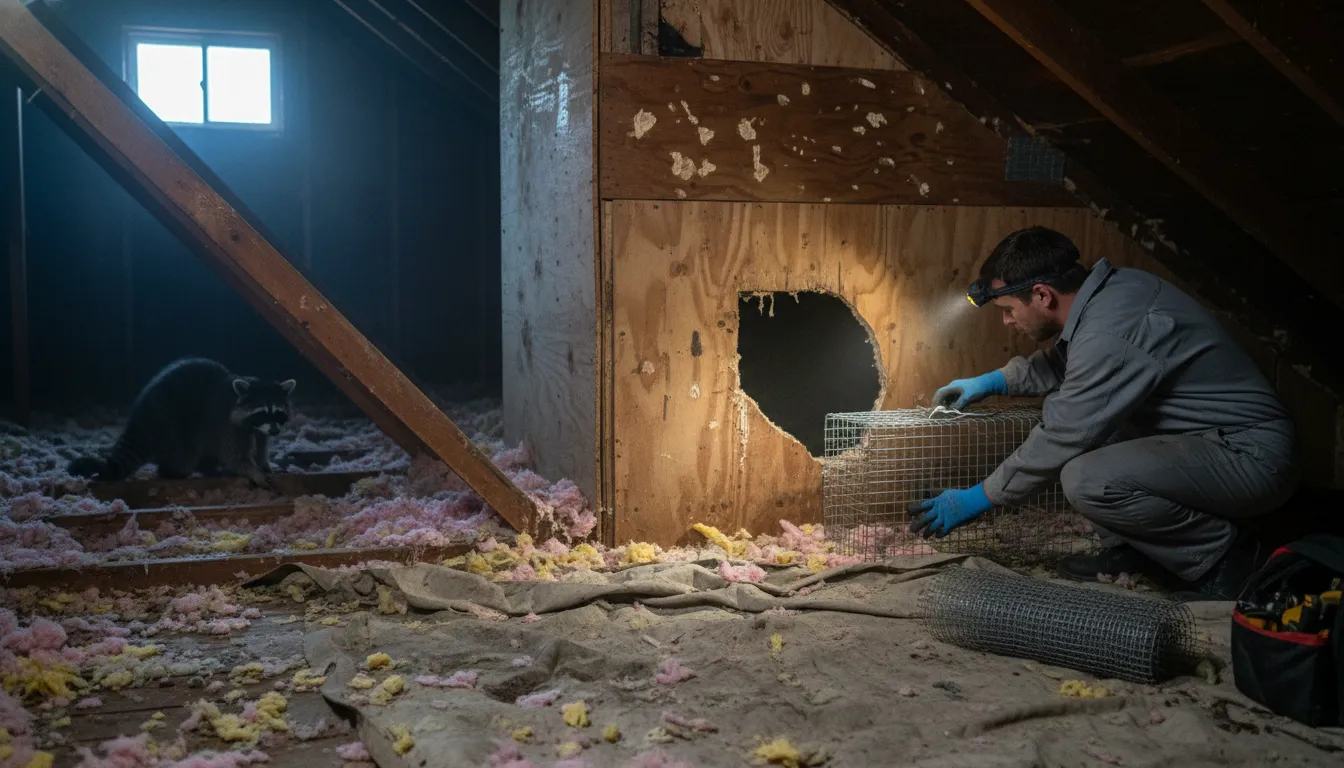
Finding an uninvited animal in your attic, chimney, or crawlspace can be unsettling. Wildlife removal in Chesapeake involves the safe, humane, and legal process of evicting nuisance animals like raccoons, squirrels, and bats from your home or property and preventing their return. This service is crucial for protecting your home from damage and your family from potential health risks associated with wildlife. The following information will help you understand local wildlife issues, your options for resolution, and how to find qualified professionals for animal control and exclusion work.
Go-Forth Pest Control
1431 Air Rail Ave, Virginia Beach, VA 23455
Go-Forth Pest Control is a family-owned pest control company serving Virginia Beach, VA, since 1959. They offer comprehensive pest management services for homes and businesses, including ant, termite, rodent, mosquito control, and wildlife removal. Their approach combines thorough inspections with eco-friendly treatments tailored to the local coastal environment. Go-Forth specializes in termite inspections and ongoing prevention, using advanced monitoring and treatment methods to protect structures from damage. They also provide commercial pest control solutions customized to meet regulatory requirements. Same-day and emergency services are available to address urgent pest issues promptly.
Terminix
957 Norfolk Square, Norfolk, VA 23502
Terminix offers pest, termite, wildlife, and moisture control services in Virginia Beach, VA. The company provides residential and commercial pest control solutions, including bed bug treatment, cockroach and ant control, rodent management, termite inspections, and wildlife removal. Terminix also specializes in moisture control to prevent wood decay and reduce insect infestations, particularly in crawl spaces. The company serves the Tidewater region and Eastern North Carolina and is known for implementing comprehensive moisture control measures.
Mitchell Pest Services
4604 Pembroke Lake Cir #104, Virginia Beach, VA 23455
Mitchell Pest Services is a locally owned pest control company based in Virginia Beach, VA. They provide residential and commercial pest management solutions including bed bug treatment, rodent control, termite inspections, mosquito control, and wildlife removal. The company offers same-day service and free retreatments to address persistent pest issues. Mitchell Pest Services serves a broad area including Virginia and West Virginia, with coverage in cities such as Arlington, Chesapeake, Richmond, and more. Their team is trained to deliver tailored pest control solutions that focus on both immediate pest removal and long-term prevention.
Terminix
1606 S Church St, Smithfield, VA 23430
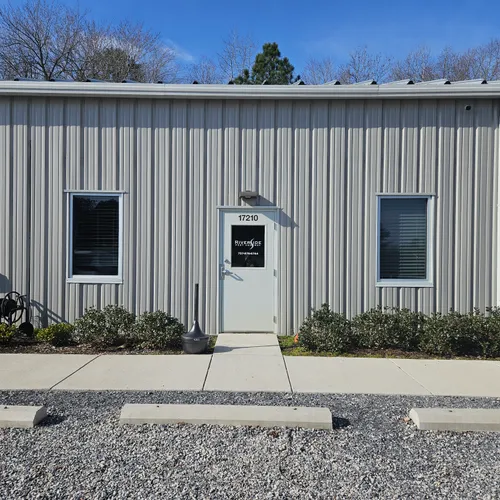
Terminix provides pest, termite, wildlife, and moisture control services in Virginia Beach, VA. They offer treatment for bed bugs, cockroaches, ants, rodents, and termites, along with moisture control to prevent wood-decaying fungus. Terminix serves both residential and commercial clients and is known for implementing moisture control measures in crawl spaces and other environments. Their service area extends from Eastern North Carolina to Tidewater, VA.
No To Bugs
Virginia Beach, VA
No To Bugs is a family-owned pest control company serving Virginia Beach, VA, and nearby areas. Founded in 2015 with over 30 years of combined industry experience, they offer tailored pest control and wildlife removal services for homes and businesses. Their approach includes Integrated Pest Management techniques to provide effective treatments and educate customers on preventing future infestations. The company is licensed and insured, providing same-day and emergency services when possible.
Common Wildlife Issues in Chesapeake Homes
Chesapeake's blend of suburban neighborhoods, wetlands, and wooded areas creates an ideal habitat for many species that can become problematic for homeowners. The most frequent culprits requiring wildlife removal services are mammals seeking shelter, food, or nesting sites. Squirrels are notorious for chewing into attics and eaves, while raccoons are strong, dexterous animals that can tear open roof vents or soffits to access attics. Bats often roost in quiet, dark spaces like attics or behind shutters, and their guano can pose health hazards. Other common nuisance animals include rats, mice, opossums, and skunks.
Bird species like starlings, house sparrows, and pigeons (rock doves) can also create issues by nesting in vents, gutters, or on ledges, leading to clogged drainage systems and unsanitary conditions. While less common in dense urban areas, occasional encounters with coyotes are possible in more rural parts of Chesapeake, typically requiring specialized intervention. Identifying the specific animal is the first step toward an effective and legal removal strategy.
Understanding Virginia's Wildlife Laws and Regulations
Before attempting any removal, it's essential to understand the legal framework in Virginia. The Virginia Department of Wildlife Resources (DWR) strictly regulates the trapping and handling of native wildlife. A critical rule is that relocating most trapped nuisance mammals is illegal. Animals like raccoons, squirrels, and foxes trapped on your property generally must be humanely euthanized on-site. This law is in place to prevent the spread of diseases like rabies and distemper to new populations and areas.
For a private citizen to trap and euthanize most furbearing animals, a DWR Commercial Nuisance Animal Permit is typically required. This is one reason why homeowners often turn to licensed professionals-they already hold the necessary permits and understand the legal protocols. The DWR provides resources for finding licensed trappers and offers guidance on handling human-wildlife conflicts. Always verify that any professional you hire is properly licensed by the state.
When to Call Chesapeake Animal Control vs. a Private Professional
The City of Chesapeake provides specific animal control services, but their role is limited. You should contact Chesapeake Animal Control (757-382-CITY) only in the following situations 1 2:
- A wild mammal is inside the living spaces of your home.
- An animal appears sick, injured, or is an orphaned baby.
- An animal is actively threatening people or pets.
- A dead animal is located in the public right-of-way (like a street or sidewalk); for this, you can also call the Customer Contact Center 3.
For the vast majority of wildlife nuisance situations-such as animals in attics, chimneys, walls, or crawlspaces, or for bat or bird infestations-you will need to contact a private wildlife removal specialist or a licensed trapper. These professionals are equipped to handle safe extraction, perform necessary euthanasia as required by law, and, most importantly, implement exclusion techniques to prevent future entries.
Effective DIY Prevention and Exclusion Methods
Many wildlife conflicts can be prevented with proactive home maintenance. The goal is to make your property less attractive and accessible to animals. Key do-it-yourself strategies include:
- Seal Entry Points: This is the most critical step. Carefully inspect your home's exterior for holes, gaps, or weak spots. Use sturdy materials like hardware cloth, steel wool, or metal flashing to block holes under decks, in foundations, around pipes, and at roof intersections. Remember, a raccoon can fit through a hole the size of a softball, and a mouse can squeeze through a dime-sized gap.
- Remove Attractants: Secure your trash cans with locking lids or bungee cords. Clean up fallen fruit from trees, remove pet food from porches, and avoid feeding wildlife directly. Compost piles should be well-managed and enclosed.
- Use Deterrents: For birds or occasional animal visitors, temporary deterrents like bright lights, reflective tape, or motion-activated sprinklers can be effective 4 5. However, these are often short-term solutions for persistent animals already seeking shelter inside a structure.
While you can trap certain nuisance species like squirrels on your own property, you assume full legal responsibility for the animal's disposition, which, as noted, usually requires on-site euthanasia. For complex situations, DIY efforts may only provide a temporary fix.
Find the perfect wildlife removal companies for your needs
Get personalized recommendations and expert advice
When Professional Wildlife Removal is Necessary
There are clear signs that it's time to call a professional wildlife control operator. If you hear persistent scratching, scurrying, or vocal noises coming from your attic, walls, or chimney, an animal has likely taken up residence. Other indicators include finding droppings, noticing a strong musky odor, discovering torn insulation, or seeing visible entry points high on your roofline.
Professionals are essential for specific scenarios:
- Bat Colonies: Bats are protected in many contexts, and their removal has strict timing regulations (outside of maternity season) to avoid trapping flightless young inside. Professionals also address hazardous guano cleanup 6.
- Raccoon or Squirrel Families: Removing a mother animal can leave young behind to die in the structure, creating a severe odor problem. Professionals can identify and humanely remove entire litters.
- Complex Exclusions: Animals that have entered via hard-to-reach areas like chimney flues or behind siding often require specialized tools and expertise for safe removal and permanent sealing.
A professional service doesn't just remove the animal; it diagnoses how the animal got in, removes it legally, seals all potential entry points (a process called exclusion), and may offer cleanup and sanitization services for contaminated areas.
What to Expect: Services and Typical Cost Ranges
A comprehensive professional wildlife removal service involves several steps: inspection, removal, exclusion, and sometimes cleanup. Costs in Chesapeake vary based on the species, the extent of the infestation, and the complexity of the exclusion work needed.
Here is a general overview of potential cost ranges for common services 7 8:
- Basic Trapping for Squirrels or Opossums: $200 - $400 for initial assessment, trap setup, and removal.
- Raccoon or Bat Removal from an Attic/Chimney: $300 - $800 or more. This higher cost often reflects the complexity of accessing the animal, the potential for young, and the inclusion of exclusion repairs and biohazard cleanup.
- Rodent Control (Rats/Mice): $150 - $400. This is typically a multi-visit process involving trapping and sealing entry points, as opposed to a one-time removal.
It's important to get detailed quotes from licensed professionals. The most valuable service is permanent exclusion work, which prevents recurring problems and protects your investment. Always ask what is included in the price-the best solution is rarely the cheapest trap-and-remove option without follow-up exclusion.
The Critical Importance of Humane Exclusion
True resolution of a wildlife conflict goes beyond simple removal. Exclusion is the process of permanently sealing an animal's entry points after ensuring no animals are trapped inside. This is the cornerstone of ethical and effective wildlife control. Without it, you risk a cycle of trapping and re-infestation, as new animals will find the same accessible entry points 9 10.
A professional will conduct a thorough inspection to identify all potential vulnerabilities. They then use durable, animal-proof materials to seal these gaps. This humane approach solves the problem at its source by making your home inhospitable to wildlife, rather than endlessly dealing with the symptoms. It aligns with Virginia's emphasis on managing wildlife conflicts proactively and prevents the unnecessary loss of animals simply seeking shelter 11.
Frequently asked questions
Sources
Footnotes
-
Wildlife | Chesapeake, VA - https://www.cityofchesapeake.net/817/Wildlife ↩
-
Frequently Asked Questions - CivicPlus.CMS.FAQ - https://www.cityofchesapeake.net/FAQ.aspx?QID=407 ↩
-
Dead Animal Removal | Chesapeake, VA - https://www.cityofchesapeake.net/1015/Dead-Anima ↩
-
Overview: Collecting, Exhibiting, and Releasing Wildlife | Virginia DWR - https://dwr.virginia.gov/permits/guide/ ↩
-
Virginia Commercial Nuisance Animal Permit - https://dwr.virginia.gov/forms-download/PERM/PERM-nuisance.pdf ↩
-
Chesapeake Wildlife Control / Virginia Animal Removal - http://www.aaanimalcontrol.com/professional-trapper/city/VA-Chesapeake.htm ↩
-
Virginia Wildlife Removal | Wildlife Control - Animal Trapping ... - https://virginia-wildlife-removal.com/ ↩
-
Chesapeake Wildlife Animal Control - Nuisance Critter Removal - http://www.wildlifeanimalcontrol.com/Chesapeake.html ↩
-
Wildlife Among Us: Dealing With Neighborhood Wildlife Furbearers - https://dwr.virginia.gov/wildlife/urban/ ↩
-
Nuisance Wildlife Removal - Turner Pest Control - https://www.turnerpest.com/nuisance-wildlife-removal/ ↩
-
Help with Human-Wildlife Conflicts | Virginia DWR - https://dwr.virginia.gov/wildlife/nuisance/ ↩